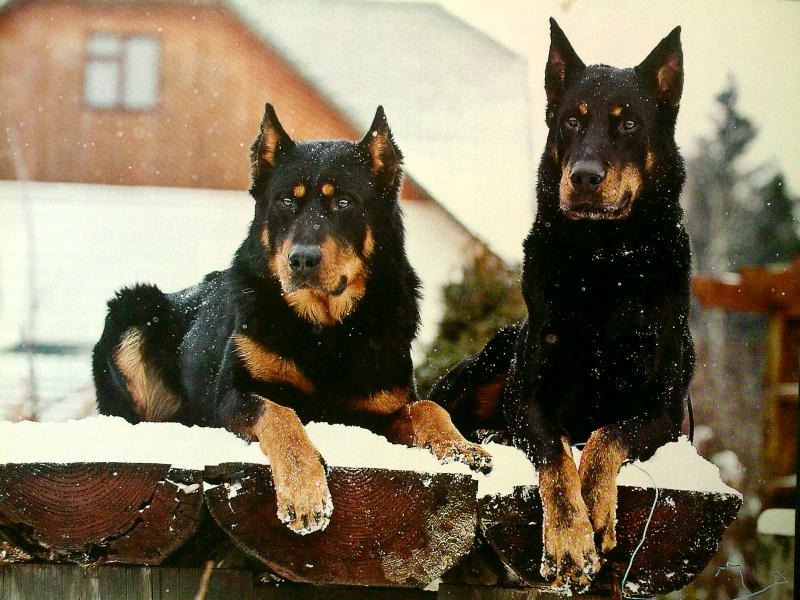
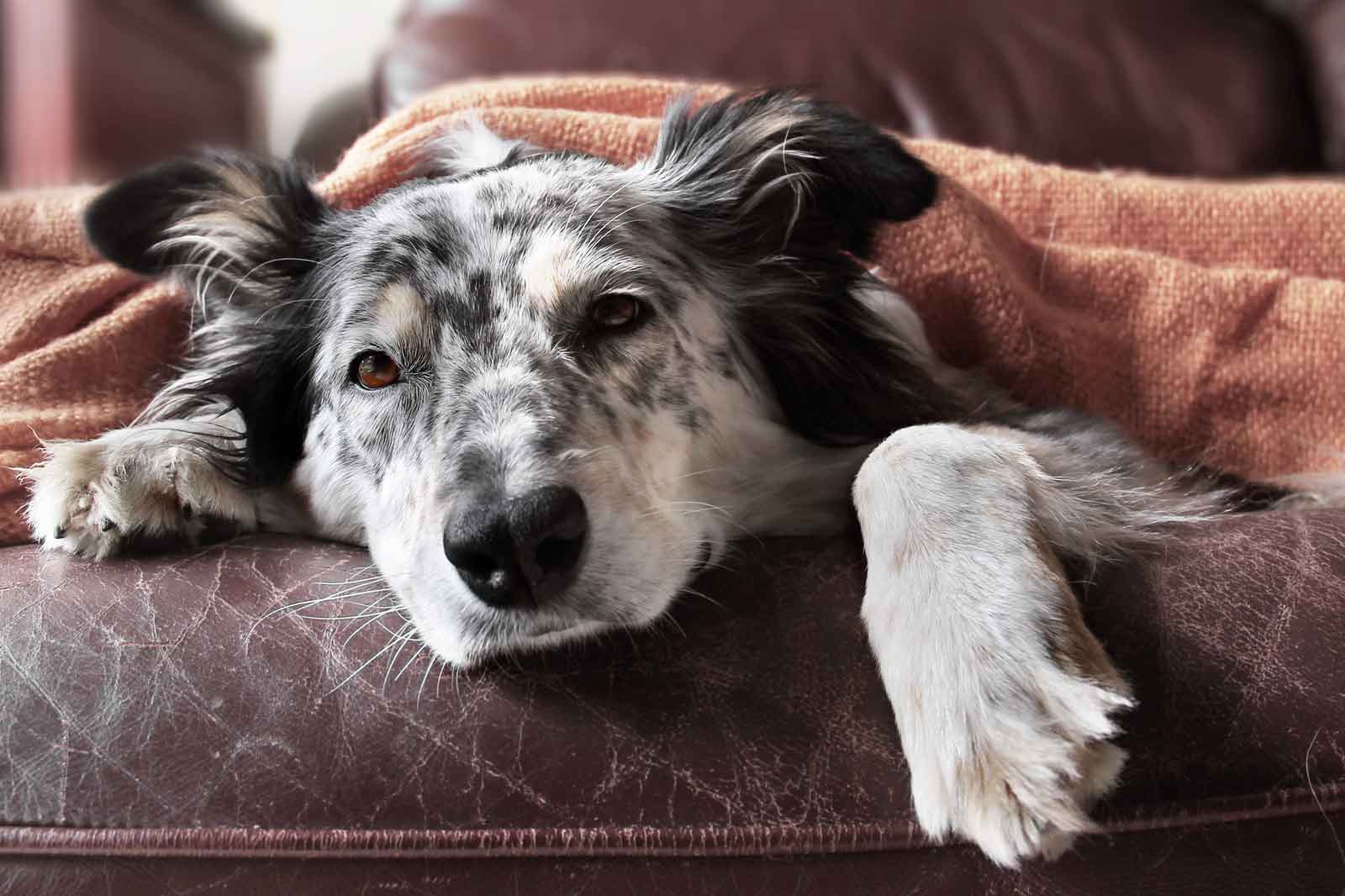
 The most important indicator of a dog's health is its normal body temperature. Many factors can alter this temperature, including the dog's gender, breed, physical condition, height, weight, and other individual characteristics.
A dog's temperature should be measured when it is in a normal state. Knowing their dog's temperature allows owners to detect any health issues at any time.
Short-term increase in temperature In dogs of any breed, it can be caused by anxiety, fear, or physical exertion. Of course, it also rises in hot weather, and in female dogs during heat.
A decrease or increase in a dog's body temperature is the first sign of illness, which is normal.
What should you pay attention to?
 Temperature should be taken properly in dogs when:
- she refuses food;
- refuses water;
- she developed convulsions, vomiting, or diarrhea;
- she has a high temperature and her nose is dry;
- She is lethargic, has a pale tongue and mucus in her mouth.
This animal's fever can be measured with any thermometer—regular or digital. After taking the measurement, thoroughly wash the device and your hands and wipe them with alcohol.
What temperature should a dog have?
Any dog breed, from small to large, should have a normal body temperature, which can range from 37.4 to 39.3 degrees Celsius. There are some normal body temperatures:
Adult dogs:
- large breed - 37.4–38.3;
- average breed - 37.5–39;
- small breed - 38.5–39.
Puppies:
- large breed - 38.2–39;
- average breed - 38.3–39.1;
- small breed - 38.6–39.3.
How to measure a dog's temperature?
You can use a regular thermometer for measuring, but you'll need to keep the dog still for about five minutes. It's better to use a digital thermometer; the procedure takes about a minute. Your pet should have its own thermometer.
The dog's temperature is measured through the rectumAlthough the procedure is not complicated, it requires careful handling of your pet.
- First, you should lubricate the tip of the thermometer with Vaseline or any fatty cream;
- lay the animal on its side (it can be standing), lift its tail and carefully insert the thermometer into the anus to a depth of about 2 cm;
- Temperature measurements should be taken in a normal environment to avoid anxiety or frightening the dog. Otherwise, the pet may jump up and injure itself by breaking the thermometer. You can feed it treats during the procedure.
- Be sure to praise your dog during and after the procedure.
Signs and causes of temperature deviations from the norm
 Many dog owners diagnose their pet's dry nose by looking at its nose. They think that if it's dry and hot, their pet is sick. This is simply a myth. A dry nose shouldn't cause any concern for its owner. A dry and warm nose at night is normal., since animals do not lick it while sleeping.
A healthy animal is cheerful, eats normally, plays, and actively responds to everything around it. Its fur is shiny and close-fitting. A sick animal looks quite the opposite, showing the first signs of illness: fever, refusal to eat for a whole day, lethargy, diarrhea, vomiting, rapid breathing, and heart rate.
If you notice any of the above symptoms, you should immediately take your pet's fever to check if it is normal. The fever may be caused by: infection or any disease — plague, endometritis, piroplasmosis, heatstroke. A decrease occurs with helminths, parvovirus enteritis, and other diseases.
What should you do if your temperature is high (low)?
If there are any deviations, it means the body is fighting an infection or some symptom of a disease. If it increases or decreases, don't try to fight it on your own. Normal levels can be achieved at home, but you won't be able to cure the infection or disease.
You need to urgently contact a doctor or call one to your home. If the animal the thermometer shows above 40 degrees, then he needs to be taken to a veterinary clinic. During transport, something cold should be applied to his body. This should be done very carefully to prevent hypothermia. If the temperature is low, apply a heating pad and cover the dog with a blanket.
Don't give your pet medications on your own; this will only worsen the situation. Deviations from the norm in dogs occur only in cases of infection, tumors, or endocrine disorders.
At the veterinary clinic, doctors will make the correct diagnosis and will prescribe the necessary medicationsThe owner only needs to follow these recommendations. If the dog improves, do not stop taking the medication on your own. This is a veterinarian's responsibility; only they can be sure that the normal temperature remains stable, the animal has fully recovered, and its life is not in danger.