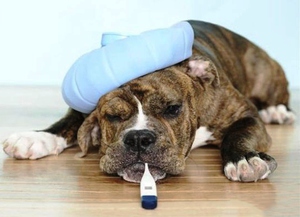
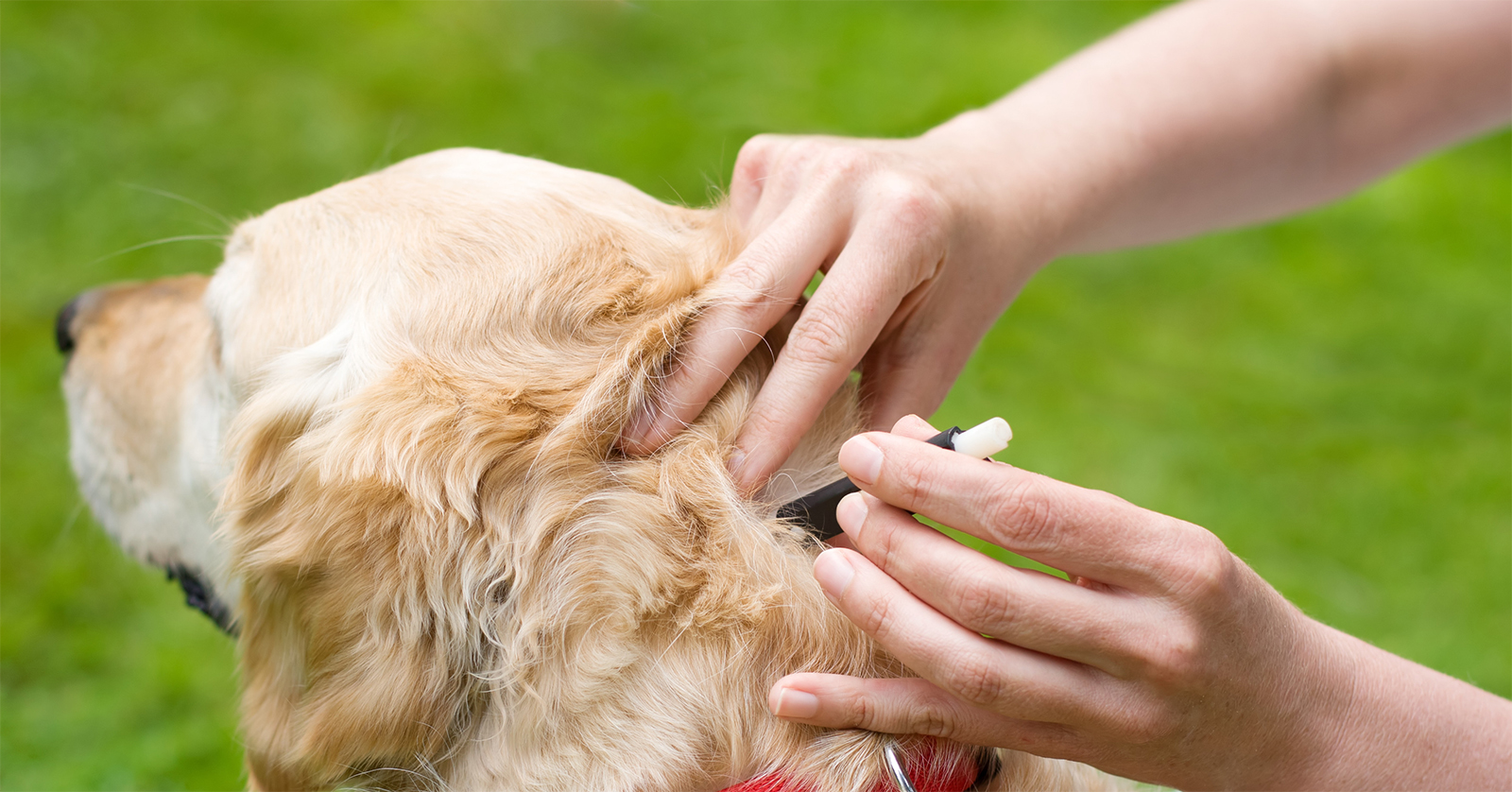
Detecting a fever in a dog is key to prompt treatment. You don't need to take your dog to the vet or take a thermometer to determine if they have a fever. You can tell if something is wrong by looking at specific parts of your pet's body. This article will tell you which parts of your pet's body can help you determine if they have a fever.

The pet has hot ears.
To determine if your pet has a fever, you need to palpate their ears. It's important that your hands are at a normal temperature. Do this when you're not cold, otherwise you'll get false information. Why is palpation necessary? The blood vessels in the ears are located close to each other. Therefore, hot ears indicate elevated blood temperature. Due to its transport function, blood can warm the entire body.
But one thing to keep in mind here: both ears should be warm. If only one ear is warm, it could be caused by an injury or infection.
Hot paws
Hot paw pads can also indicate a high body temperature. They, like the ears, have closely spaced blood vessels. If they're hot, the blood temperature is also elevated. If all four paws are hot, the dog definitely has a fever. If changes are observed in just one paw, it's likely due to an injury or bruise, not an elevated baseline temperature.
Dry nose
A dry nose doesn't always indicate a health problem. This condition can be caused by:
- dehydration;
- prolonged exposure to the sun or near a radiator;
- temperature extremes (too high or too low).
If all these conditions are ruled out, it's worth observing the animal's behavior and condition. If, along with a dry nose, lethargy, apathy, or loss of appetite are observed, then this nasal condition indicates a fever. Immediate measures should be taken to normalize the temperature to prevent the development of various diseases.
Armpit
You can easily determine your pet's fever by checking their armpits. If the temperature is elevated, these areas will be swollen and hot to the touch. You can also feel the temperature with the back of your hand. To get the most accurate reading, your hands should be at a normal temperature: neither cold nor hot.
The lymph nodes contain immune cells that help fight viruses and bacteria. They perform a protective function. These cells filter microorganisms that cause infections into the lymph nodes, thus preventing their spread. The lymph nodes also produce immune system cells that secrete various substances that trigger a rise in temperature. This results in inflammation, swelling, and heating of the lymph nodes.
Because there is little hair in this area, you can easily determine whether your animal has a fever.
Eyes
If an animal has a fever, its eyes also react. In this condition, the dog will try to avoid sunlight. At very high temperatures, the dog's eyes may become watery. Furthermore, the dog's eyes will appear "sick." Another sign of this condition is redness of the eyes. This is common with fever and requires immediate attention.
You don't need to call a veterinarian to determine if something is wrong with your dog. By observing your pet closely, you can spot external signs of fever. Early detection of this condition can help prevent the development of serious illnesses.