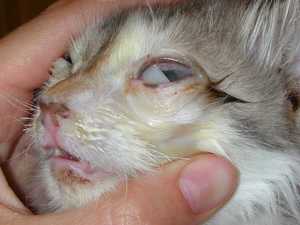
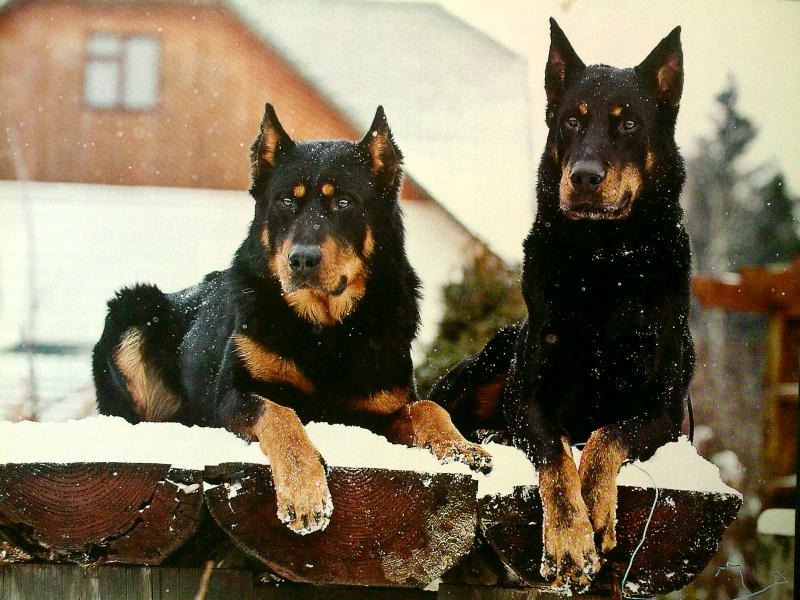
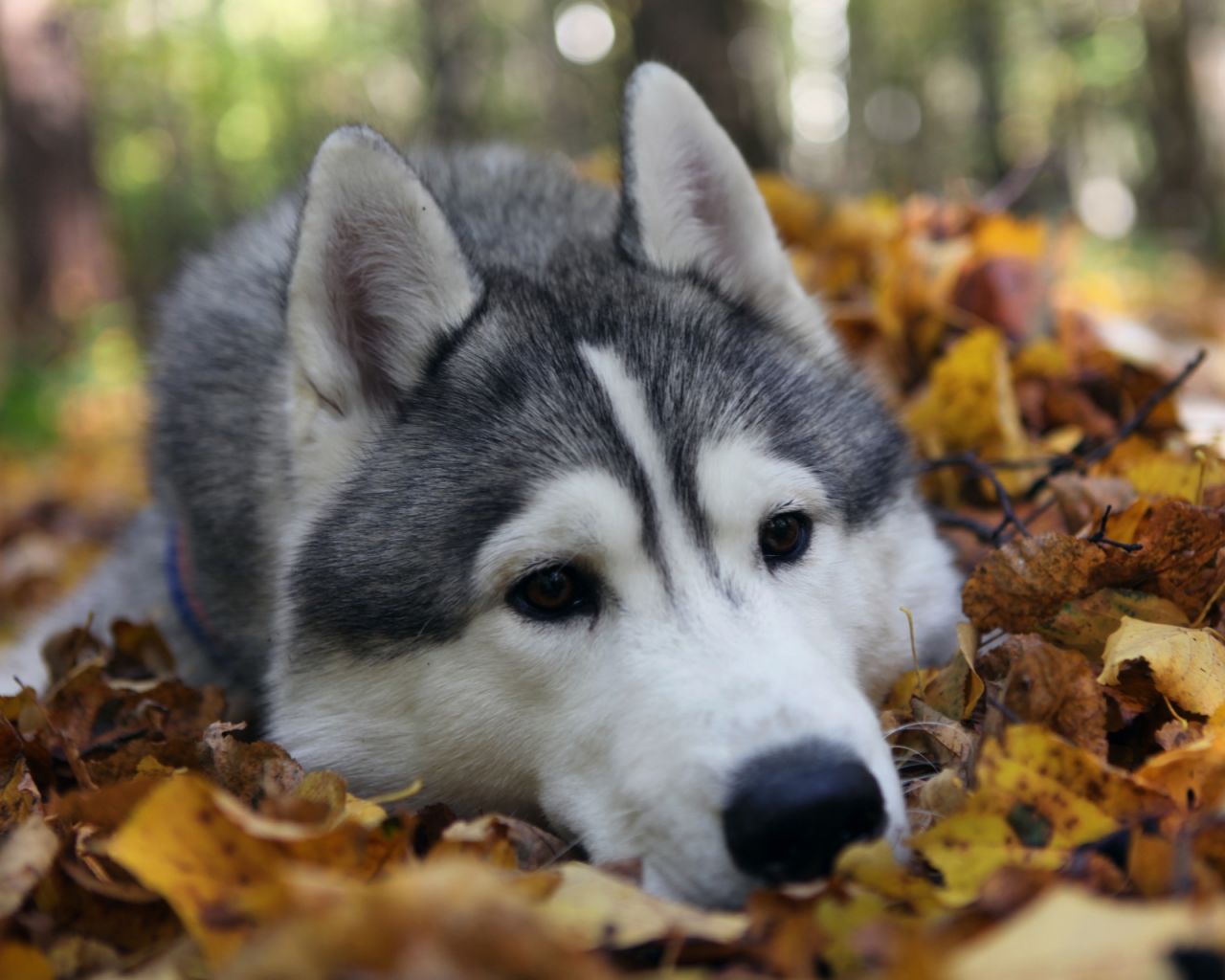
When selecting pet breeds, humans set specific goals. This is why each species has its own morphological and physiological characteristics. Unfortunately, most breeds pay a price for this in terms of health. Let's look at several dog breeds whose eyes require careful monitoring and care from their owners.
French Bulldog
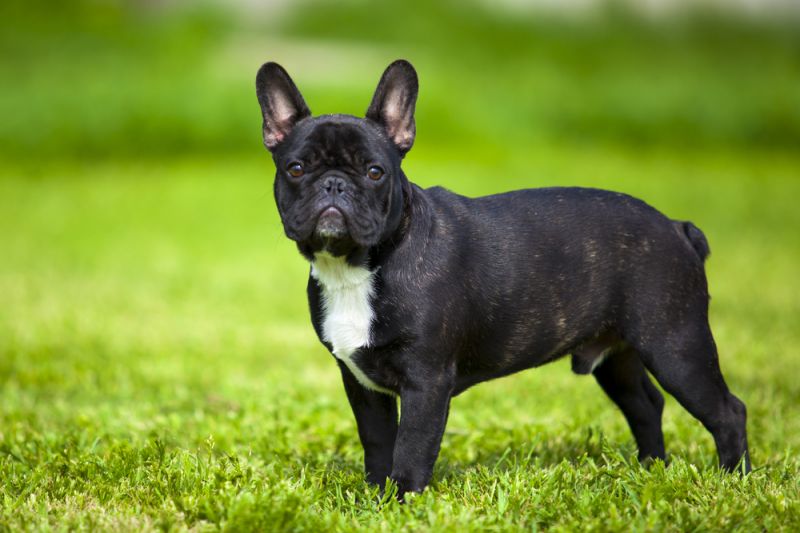
The French Bulldog is a small, stocky dog with large, expressive eyes. To ensure you enjoy its company for a long time, it's important to prevent any health problems that may arise as it matures.
Eye problems are one of the most important issues a French Bulldog owner may encounter. Let's look at the most common ones.
- Increased risk of injury due to large, bulging eyes. When walking your pet in the woods, pay special attention to protruding branches and twigs.
- Bird eyelid. It's not aesthetically pleasing, but you can treat it and tuck it back in at home. Only in some cases does surgery become necessary.
- Conjunctivitis. It can be caused by various infections. Before giving your pet antibiotics, discuss with your veterinarian which medication will be effective in your case.
A French Bulldog's eyes don't require any special care; it's important to provide them with a comfortable environment both indoors and outdoors. For example, keep walks to a minimum in windy weather. Winds and drafts can cause excessive tearing, which can lead to eye inflammation.
Brown crusts may form under the eyes. To prevent this, wipe these areas daily with a damp cloth and keep the hair around the eyes as short as possible.
Miniature Schnauzer
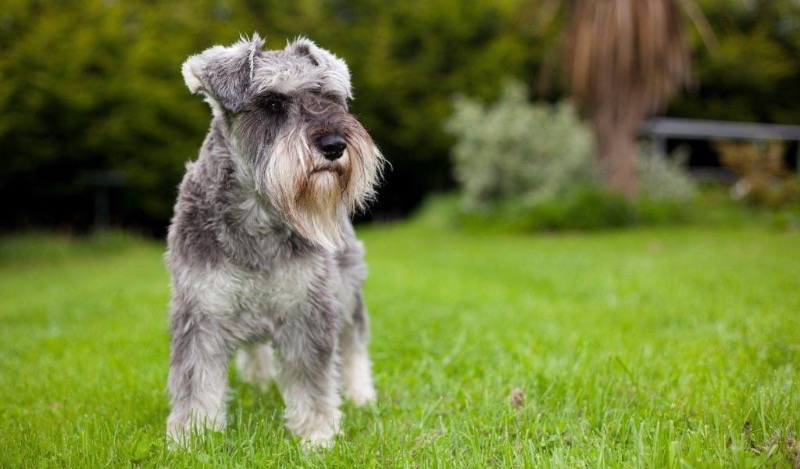
The Miniature Schnauzer is a small, friendly dog breed that thrives on interaction with its owner. Eye problems are considered the most serious hereditary health problems. Let's look at some of them.
- Progressive retinal atrophy. This condition can be detected in puppies as early as six months of age. By the age of one, dogs are unable to see in the dark, and by three years, they lose their sight.
- Redness of the eyes. Most owners ignore this, thinking it will go away on its own. But the problem may not be due to sand in the eyes, but rather a sign of glaucoma.
- Conjunctivitis. This condition can be triggered by a common allergy.
- Cataract. This condition causes the lens to become cloudy, resulting in poor vision and a sharp decline in vision.
- Retinal dysplasia. Retinal development is disrupted even during the fetal period. Such disorders can lead to complete blindness in pets. In breeding litters, puppies are examined by an ophthalmologist as early as eight weeks of age.
Cocker
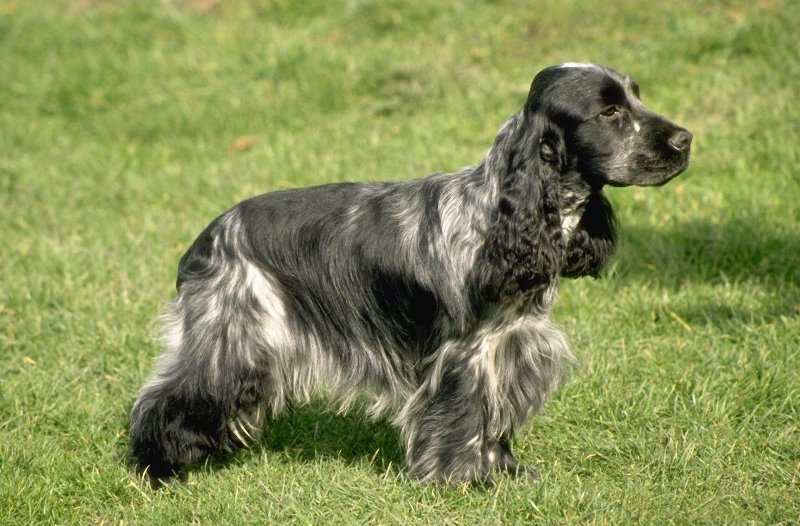
This breed is known for its high activity level and good nature. Lack of exercise and a sedentary lifestyle can impact their health. Proper nutrition, coat care, ear care, and eye care are also crucial.
Cocker spaniels are prone to certain eye conditions.
- Dry eye syndrome. This condition occurs due to insufficient tear production. Dogs' eyes become red and irritated. This condition requires medical treatment.
- Prolapse of the third eyelid. The pet's eyes become red and swollen. This condition is also known as "cherry eye." In this case, only surgery can help.
Minor inflammation can also occur simply when foreign objects enter the eye. It's important to clean your pet's eyes with warm water every day. Any discharge from the eyes requires a veterinary consultation.
Shar Pei
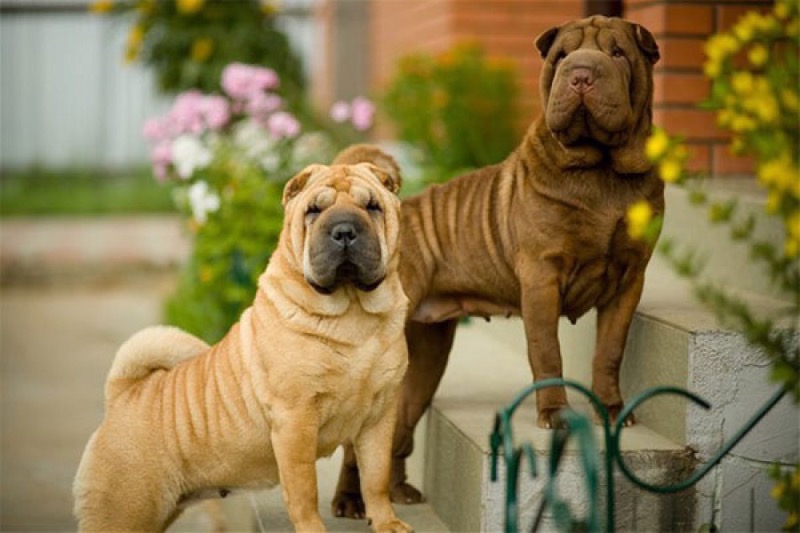
The Shar-Pei is one of the oldest dog breeds. It is a sturdily built animal with a large number of folds on its body. Like other specially bred breeds, Shar-Peis are prone to many health problems, including eye problems.
- Inversion of the eyelid. This can affect the lower, upper, or both eyelids. Inversion leads to corneal trauma, redness, tearing, and discomfort.
- Conjunctivitis. Dogs are prone to various infections, so conjunctivitis accompanies almost every illness. It is treated locally after a veterinary examination.
- Keratitis. This condition is often a consequence of inversion of the eyelid.
- Prolapse of the third eyelid gland.
- Glaucoma. This condition causes the eyelid to turn inward. The eyelashes irritate the cornea, causing it to become inflamed. Untreated, it can lead to blindness.
- Primary lens dislocation. This condition affects both eyes. It results in the destruction of the fibers that hold the lens in place.
- Entropion. This condition is also associated with an inverted eyelid, which constantly irritates the cornea.
- Cataracts are a hereditary condition. A simple injury can trigger their development. The lens becomes cloudy, and the dog begins to lose vision.
This breed is prone to excessive tearing. If infection occurs, ulcers may develop inside the eyeball. In this case, surgical intervention is necessary.
It is important to pay attention to the diagnosis of your pet's diseases, since if the disease is genetic in nature, breeding the animal is not advisable.
Eyes aren't the only hereditary problem our four-legged friends can have, but they're the ones you should pay special attention to and do everything you can to keep your pet healthy and happy.