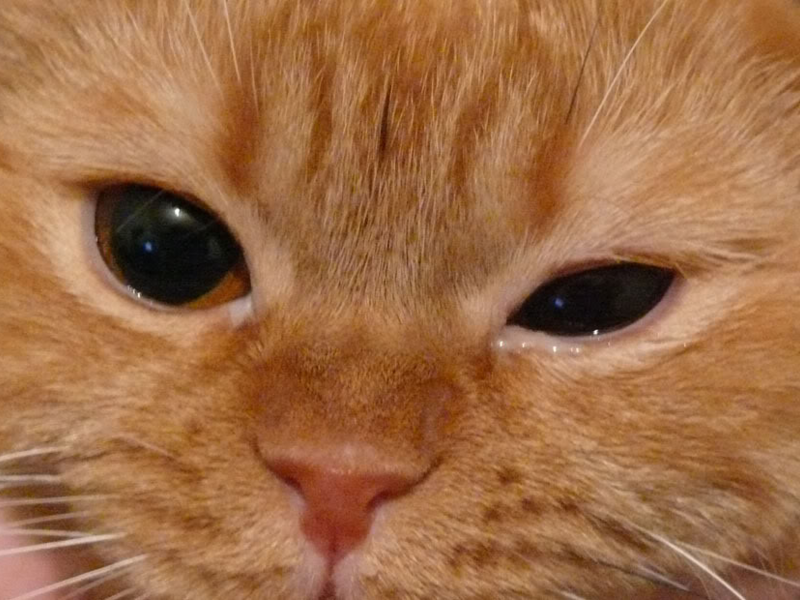
 Cats have excellent vision. However, eye diseases can affect their acuity. There are many causes of eye disease in animals. Veterinary medicine defines two groups of diseases in cats: eyelid diseases and diseases affecting the eyeball.
Eye diseases in cats
To diseases, affecting the eyelids of an animal, include:
- Inflammation of the eyelid (blepharitis).
- Wounds and bruises.
- Inversion or eversion of the eyelid.
- Ptosis (drooping of the upper eyelids).
- Lagophthalmos (fusion) of the eyelids.
- New growths.
Affects the eyeball the following diseases:
- Conjunctivitis.
- Glaucoma (high blood pressure).
- Cataract.
- Dermoid (neoplasm in the conjunctiva).
- Dislocation of the eyeball.
- Corneal ulcers and inflammation.
- Keratitis.
Causes and symptoms of eye diseases in cats
The most common diseases in cats are:
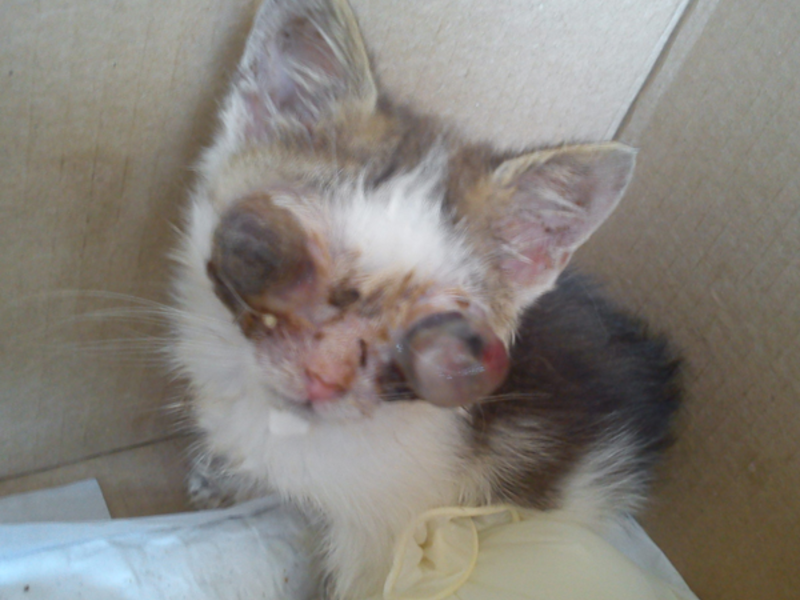
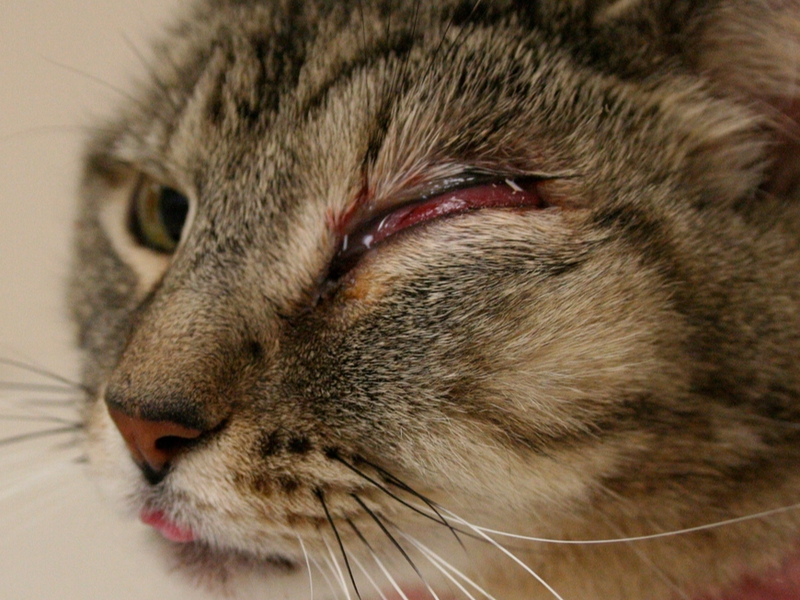
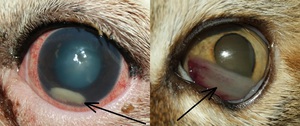 Inflammation of the eyelids With phlegmonous inflammation, the eyelid swells, and purulent mucus flows from the eye. With normal inflammation, the cat begins to scratch its eyes. The eyelids become red and hardened. The disease occurs with vitamin deficiency and eczema. Phlegmonous inflammation develops after severe injuries and deep wounds.
Bruises and wounds A cat can sustain these injuries from a fall or a fight. The wound can be superficial, deep, or penetrating. The main symptom is severe swelling, redness, and even bleeding from the eyes.
Inversion of the eyelid The skin turns inward, causing severe inflammation. Foreign bodies or chemical exposure can also cause inversion. Without prompt treatment, the cat may develop conjunctivitis or keratitis. In advanced cases, a corneal ulcer may develop.
Symptoms of the disease include lacrimation and photophobia. The eyelid begins to swell, changing its appearance.
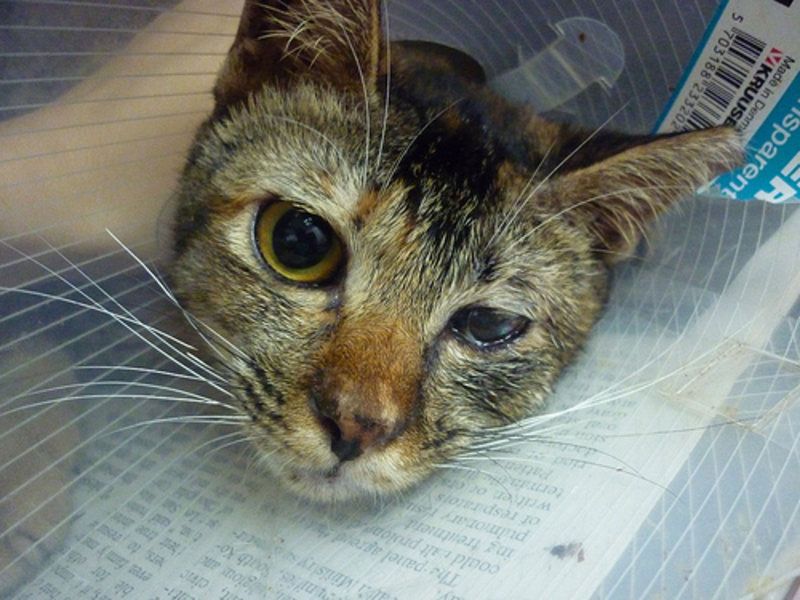
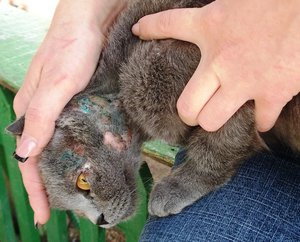
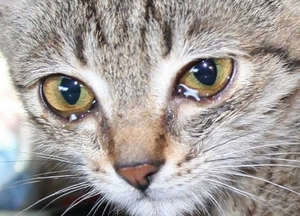
You can recognize the listed eye diseases in cats from a photo.
Types of conjunctivitis
Conjunctivitis is considered the most common disease in cats. It has the following varieties:
- Purulent.
- Allergic.
- Acute catarrhal.
- Follicular.
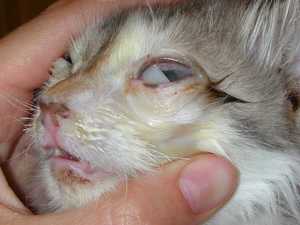
With purulent conjunctivitis, the cat's general condition worsens. The animal's body temperature rises, and copious pus begins to drain from the eyes. Diarrhea and vomiting may occur.
Allergic conjunctivitis In cats, this is caused by contact with an allergen. Initially, the discharge from the eyes appears clear. If left untreated, it becomes purulent.
Acute catarrhal conjunctivitis is always accompanied by redness and severe swelling of the eyes. Cats experience pain, tearing, and serous-mucous discharge. The main cause is trauma and vitamin A deficiency.
Follicular conjunctivitis is characterized by inflammation of the lymphatic follicles, which are located on the inner surface of the eye. This condition is chronic and requires long-term treatment. Surgery is possible.
The photo clearly shows all types of conjunctivitis.
Types of keratitis
Keratitis is a disease of the cornea. The most common types are:
- Purulent superficial.
- Vascular superficial.
- Deep purulent.
Superficial keratitis involves inflammation of the top (epithelial) layer of the cornea. The cat experiences pain and is sensitive to light. The cornea takes on a gray color and swells. This type of disease is usually caused by trauma.
With vascular keratitis, capillaries grow into the upper layer of the cornea, causing clouding of the eyes.
Suppurative deep keratitis is a very serious condition caused by microbes that have penetrated the cat's corneal stroma. The cat becomes photophobic and scratches its eyes constantly. The cornea takes on a yellowish tint. Capillaries begin to grow into the cornea. Trauma and infection are believed to be the cause of the condition. The cat will be ill for a long time.
Corneal ulcer
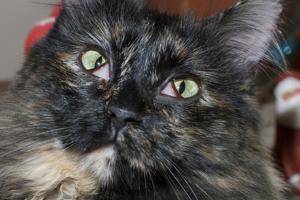 This disease is caused by infections that develop after deep wounds. It can also be a complication of purulent keratitis. Ulcers come in two types: penetrating and purulent. The main symptom is severe pain, which is why the animal is always restless.
When a perforated ulcer develops, purulent discharge from the eyes is noticeable. The cornea takes on a gray tint. Eyelid spasms and sensitivity to bright light are common. After the ulcer heals, scarring will be visible.
Glaucoma
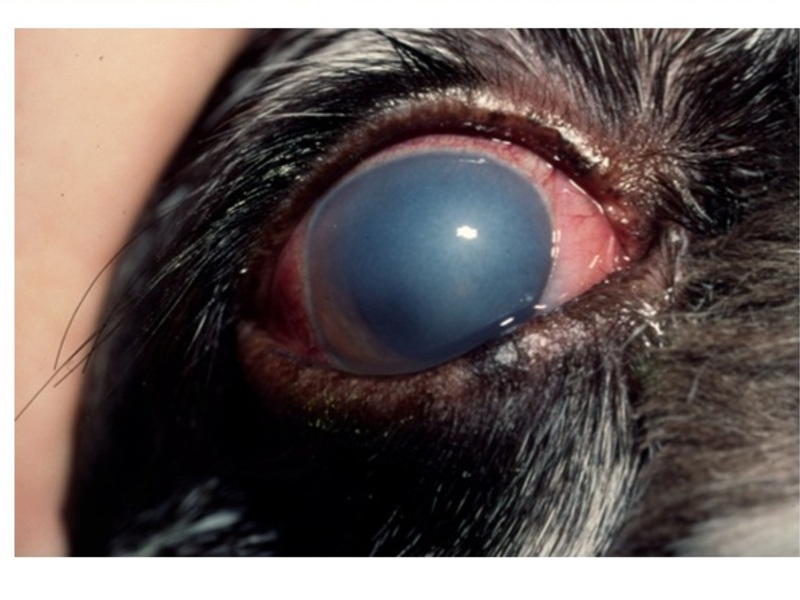
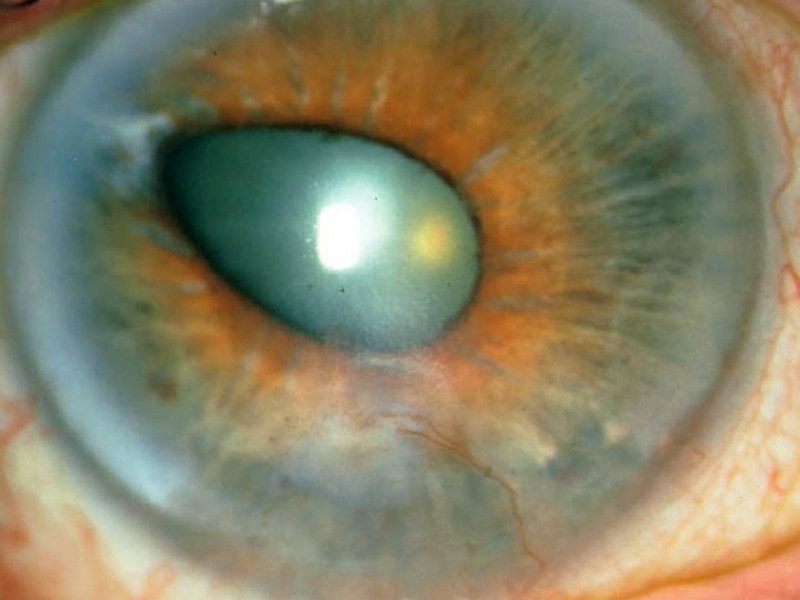
Glaucoma in cats can be acute or congenital. The main symptom is increased intraocular pressure. The cornea becomes cloudy, loses sensitivity, and becomes colorless.
The eyeballs become hard and enlarged. This condition can be caused by hemorrhage, dislocation, or swelling of the lens, or complications from purulent keratitis.
Cataract
Cataract is a clouding of the lens. It can be congenital, toxic, traumatic, or symptomatic.
In the final stage, the pet has poor vision in the affected eye. The lens turns white. The disease develops after infection, injury, or inflammation. Cataracts often affect older cats.
Treatment of eye diseases in cats
There are a wide variety of treatments for animal eye diseases. These conditions respond well to antibiotic ointments and eye drops. A solution of potassium permanganate and furacilin can be used for rinsing.
For instillation You can use eye drops:
- levomycetin;
- gentamicins;
- colbiocin;
- Ciprobid.
Experts do not recommend using Albucid. These drops cause severe burning.
Actovegin (Solcoseryl) gel can help heal wounds quickly. It should be placed behind the eyelid.
Cat's eyes can be treated with tetracycline, erythromycin and neomycin ointments.
For serious problems, in addition to topical medications, the antibiotic Cefazolin is used. It is administered intramuscularly, diluted in novocaine. The dosage is determined by a veterinarian.
It is recommended along with antibiotics taking Tavegil or SuprastinThese are anti-allergy medications. They are available as tablets and injections.
You shouldn't treat eye diseases in your pet on your own. Using the wrong medication and treatment regimen can lead to blindness.
Daily eye care for your pet
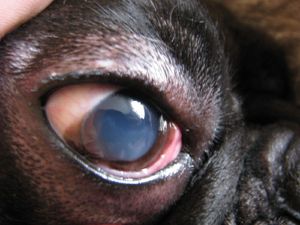 To prevent your pet's eye problems, you need to take care of them daily. There are special products for this. Eye drops and lotions can be used. The most popular products include:
- Ciprovet (drops).
- Diamond eyes (drops).
- Bars (lotion).
To rinse the eyes, drops are instilled in the following order:
- You need to put 1-2 drops of the medicine in each eye.
- Lightly massage the animal's eyelids.
- Remove any remaining product using a cotton pad.
- It is advisable to carry out the procedure twice a day.
To cleanse the tear ducts, use lotions. After wetting the pad, gently wipe the fur around the eyes. Repeat this procedure daily for a week. The course can be repeated if necessary.
Veterinarians' recommendations
To keep your pet's eyes healthy, you should listen to the advice of veterinary specialists:
- Avoid using cotton wool, as its fibers can cause tearing. Cotton pads are a better option.
- Don't rinse your eyes with water. This will disrupt the microflora.
- Chamomile infusion should not be used to treat eye problems. This remedy can cause baldness of the eyelids.
- You cannot interrupt the treatment that has been started.
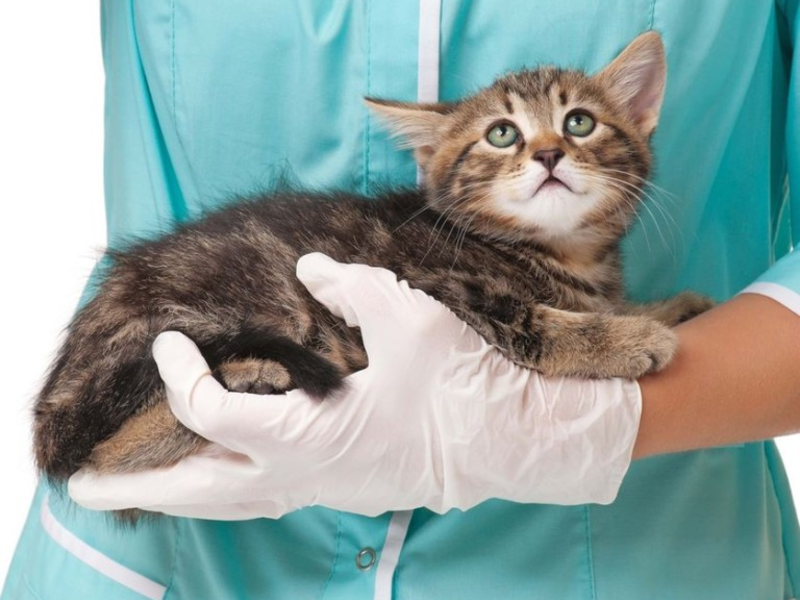
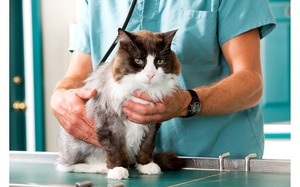
Proper treatment of eye diseases in animals is impossible without a specialized diagnosis. This can only be done by a veterinary specialist. If general signs of eye disease are noticeable (tears, purulent discharge, squinting), take your pet to the veterinarian without delay. Only a veterinarian can prescribe an appropriate treatment plan.