 For residents of large cities and small towns, a dog is a member of the family and a best friend, without having any responsibilities.
A private country house, where the dog also serves as a guard dog, is a different matter. Therefore, when choosing a pet for a private home, it's important to consider factors such as breed, personality, abilities, size, and so on. After all, the reliability of the guard dog and the safety of livestock and poultry will depend on these factors.
For example, in a private village farmstead, it is not advisable to have an angry, aggressive hunting dog with a well-developed hunting instinct.
Content
How to choose a dog to guard a private home?
First of all, to ensure better protection, the dog must be medium or large in size and attached only to their owner and other household members. The dog should be wary of strangers. Furthermore, the ideal guard dog would be one that is as easy on the diet and maintenance as possible. A coat is desirable, as the animal is constantly living outdoors.
Among other things, a guard dog must be intelligent and easy to train.
Which breeds are not suitable for guarding a private home?
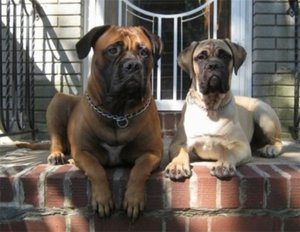 As mentioned earlier, hunting breeds should not be chosen to protect a country house, as they will be constantly distracted by pets. Fighting dogs (pit bull terriers, bull terriers, etc.) are also unsuitable for guarding. These breeds are initially were bred to participate in dog fightsThey are very aggressive towards other animals and yet quite loyal to people. Therefore, they are not suitable as watchdogs.
Dogs without an undercoat are also unsuitable for guarding a country house, as they would freeze in winter, which is unacceptable in outdoor conditions. The final category is rescue dogs. Originally bred specifically for rescue work, these dogs exhibit virtually no anger toward humans.
Dog breeds for guarding a private home
Of the many breeds of four-legged guard dogs, there are several that are the most popular. First of all, these are German shepherd, which has a number of advantages that allow this breed to be considered universal:
- excellent learning ability and trainability;
- high intelligence and unrivaled sensitivity;
- unpretentiousness to living and maintenance conditions;
- distrust of strangers.
Based on all this, the German Shepherd can rightfully be considered the leader in terms of country house guard dogs. There's a common belief that dogs of this breed don't require any training, as they naturally possess all the necessary qualities, but this is far from true. German Shepherds, like other dog breeds, proper upbringing is necessary and training. Failure to comply with these requirements can lead to tragic consequences.
Shepherds
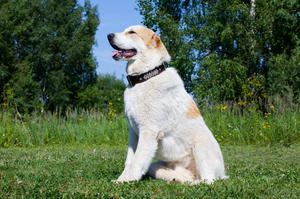 Central Asian and Caucasian Shepherd Dogs They can also rightfully be considered reliable guard dogs. Dogs of these breeds have a well-developed territorial instinct from birth, so you won't need to put in any extra effort to train them. However, it's important to keep in mind that Central Asian and Caucasian Shepherds are very freedom-loving animals, so they should be taught obedience and discipline from an early age. Otherwise, their large size, coupled with their willfulness, can lead to tragic consequences.
Immediately after purchasing a puppy, it is recommended to consult a specialist about training methods.
The Central Asian Shepherd Dog is a giant dog, reaching 80 cm at the withersThe Alabai's thick, medium-length coat has a fine undercoat, is self-cleaning, and requires little grooming. It tolerates both heat and cold well. This possessive dog will carefully monitor all family property, whether it's personal belongings or the yard. Livestock and household members alike will also be closely watched by the shepherd. This "bear" is completely non-aggressive in other people's territory and is loyal to children. It is capable of making independent decisions.
The Caucasian Shepherd is an equally large dog that loves to guard its territory. It is quiet and very independent, but some individuals can be aggressive, so it's best not to leave a Caucasian Shepherd with children. Recognizes only one owner, and treats other family members evenly. His beautiful fur coat keeps him warm in winter, but he can overheat in the summer heat. From a very young age, he requires strict training and discipline; otherwise, you risk raising a monster.
South Russian Shepherd Dog - A very large dog with a striking appearance and snow-white, long fur that requires special care, as it quickly becomes clogged with debris, dirty, and matted. If improperly trained, the dog can become unruly and aggressive. Both vicious and friendly dogs can be found with children.
Other guard dog breeds
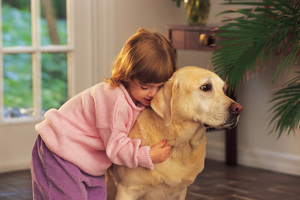 Dog breeds Moscow watchdog They are also considered excellent watchdogs. Among the breed's virtues are their aloofness toward strangers, unpretentiousness, endurance, and excellent physical fitness. However, it should be noted that the Moscow Watchdog has a gentler nature than the breeds already mentioned, but proper upbringing and training can make your pet a reliable guard dog and friend.
Black Terriers Black terriers are also considered guard dogs. The breed was developed in our country during the Soviet Union. Initially, Black Terriers proved themselves to be excellent guard dogs, but over time, their character changed and became more gentle. Therefore, today, representatives of this breed are unlikely to serve as guard dogs; they are more suitable as good friends and companions for active play. Another drawback is their long coat, which requires special care, so your pet will likely feel uncomfortable outdoors.
Rottweilers Rottweilers are another popular guard dog breed, despite having a short, smooth coat. This is because Rottweilers have a well-developed undercoat, which serves as insulation from the cold. Dogs of this breed possess highly developed guarding qualities:
- undemanding to maintenance conditions;
- distrustful;
- very attentive and vigilant.
However, Rottweilers are quite stubborn, so training the dog must begin from a very early age in order to avoid negative consequences in the future.
Tibetan Mastiff A breed with ancient roots, the German Shepherd was bred specifically for guarding. Its lack of excessive aggression is perfectly balanced by its wariness of strangers. This is a very independent and clean dog that thrives outdoors.
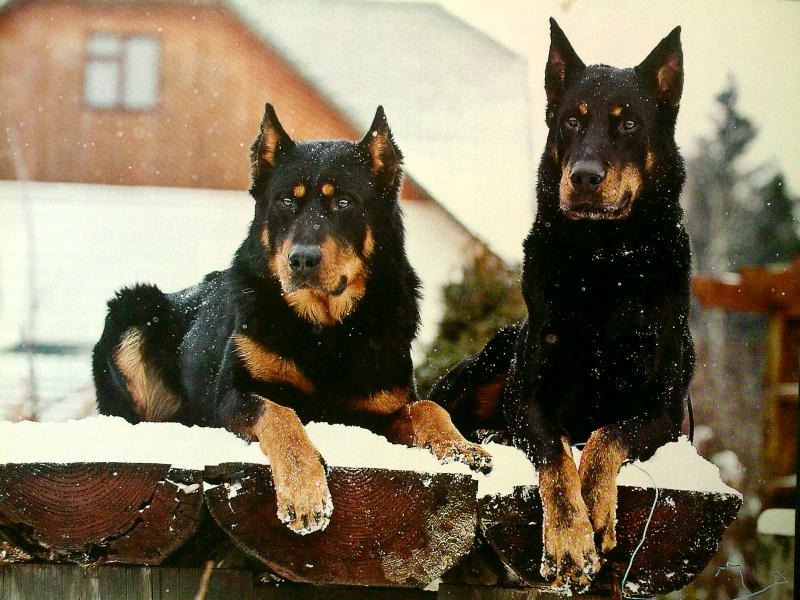
DobermansThis breed is rarely considered a guard dog. Some consider them too aggressive and not very obedient. But in reality, Dobermans are intelligent, docile, and completely calm animals that are quite trainable. However, improper training can lead to serious problems. Furthermore, Dobermans are unlikely to survive the winter outdoors, so a different breed is recommended for guarding a private home.
Recently, a guard dog breed has begun to gain popularity in Russia. Cane Corso These four-legged dogs have proven themselves to be obedient and friendly with children, while also possessing the qualities of a true bodyguard. They are naturally independent and highly intelligent, making them excellent watchdogs. However, in winter, these dogs require additional insulation in their enclosure and kennel.
Giant SchnauzerThis is a very energetic and active dog that responds well to training. A Giant Schnauzer requires a lot of exercise, ideally to the point of exhaustion, so that all the animal's energy is channeled into peaceful outlets. This also promotes physical development. The dog is easy to train and responds well to training, and is very loyal to children. They are devoted to their owners and are ready to defend them from any enemy, even those stronger and larger. However, Giant Schnauzers are not fond of strangers who come uninvited. Representatives of this breed are blessed with thick, long hair that requires a certain amount of grooming.
How to properly train a guard dog?
There are a few simple rules that, if followed, will help you easily grow a funny little bundle into a true guard dog. Here are the main ones:
 Limit your puppy's social circle to strangers, except for his closest friends and family members. This helps develop a pack mentality and suspicion, which play an important role in territorial guarding.
- Do not allow strangers to play with the puppy or feed it by hand.
- To help your puppy grow into a confident, confident dog, don't hinder its development of leadership skills. Until 6-7 months of age, allow your puppy to win games more often.
- Visit more new places so that the puppy becomes socialized, that is, calmly perceives different situations.
- If you have children or plan to keep your dog free, be sure to take an obedience course.
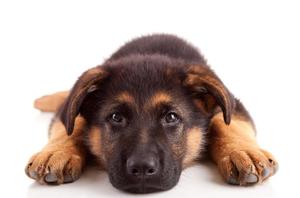 Limit your puppy's social circle to strangers, except for his closest friends and family members. This helps develop a pack mentality and suspicion, which play an important role in territorial guarding.
Watchdog — the ideal choice for guarding and protecting you and your home from intruders. It will always faithfully await its owner's return, delighting itself and bringing joy to you. And intruders, hearing its menacing roar from behind the fence, will avoid your home.