If a dog bites you, what should you do? This is a question that traumatologists, surgeons, and other medical professionals hear. Dog attacks are not uncommon. And it's not just strays. Pets can lose their friendly nature overnight. There's always the risk of injury from sharp teeth.
Content
Consequences of a dog bite
The consequences of a dog bite are often far more serious than the actual injury, such as an open wound or even a broken bone. Their severity depends on a number of factors, the most important of which are:
- nature of injury;
- severity of injury;
- age of the person bitten;
- location of the bite.
As medical practice shows, the most common complications are serious blood loss and the appearance of purulent wounds. In reality, the list of problems is significantly longer. Although the severity of the consequences varies, none of them can be considered mild.

If a dog doesn't look a person in the eye, it may attack.
The main complications after a dog bite:
- Psychological trauma. This problem most often leaves a mark on the psyche of children and impressionable individuals, primarily neurotic. Less frequently, post-traumatic stress disorder affects adults with healthy nervous systems. The trauma manifests itself in the development of a fear of dogs (and often other animals) on a psychological level, developing a kind of phobia.
- Blood loss and bleeding. This is an inevitable consequence of almost every bite. Blood loss, even minimal, occurs when blood vessels become damaged. If major arterial vessels are damaged, there is a serious threat to a person's life and immediate medical attention is required.
- Scars. It's very rare for wounds to heal without leaving a mark, especially if they're jagged and deep—the main result of dog bites. The tissue heals, and the aftermath is unsightly. The presence of scars seriously affects some people's self-esteem, leading to insecurities about their appearance. This is especially true if the injuries are located in visible areas that are difficult to conceal under clothing.
- Suppuration. It can result from more than just bites from stray dogs. Even domestic pets can harbor pathogenic or opportunistic microorganisms in their mouths. These microorganisms cause inflammation and then suppuration in the tissues. The possibility of infection from the environment or various objects should not be ruled out.
- Fractures. Some dog breeds have extremely powerful jaws, capable of crushing even the thinnest bones in a human. Fighting dogs, as well as some particularly large breeds, boast this ability.
- Gas gangrene. One of the most severe consequences of a dog bite is gas gangrene, which often leads to amputation of the injured limb. This type of gangrene can be fatal. It is caused by anaerobic bacteria, which cause significant tissue swelling and severe necrosis.
- Tetanus. Tetanus is fatal in almost 100% of cases without a tetanus vaccine. The bacteria enter the body through animal saliva. The disease itself is very severe for the patient. In addition to vaccination, there are special medications that can localize the lesion in the early stages and prevent the development of tetanus.
- Rabies. The most dangerous consequence of a bite, not only from a dog but from virtually any animal, is that if the dog is sick, the risk of infection is very high. Without prompt intervention, the disease attacks the human nervous system, and death is inevitable. In the final stages of the disease, the rabies virus causes paralysis of vital organs.
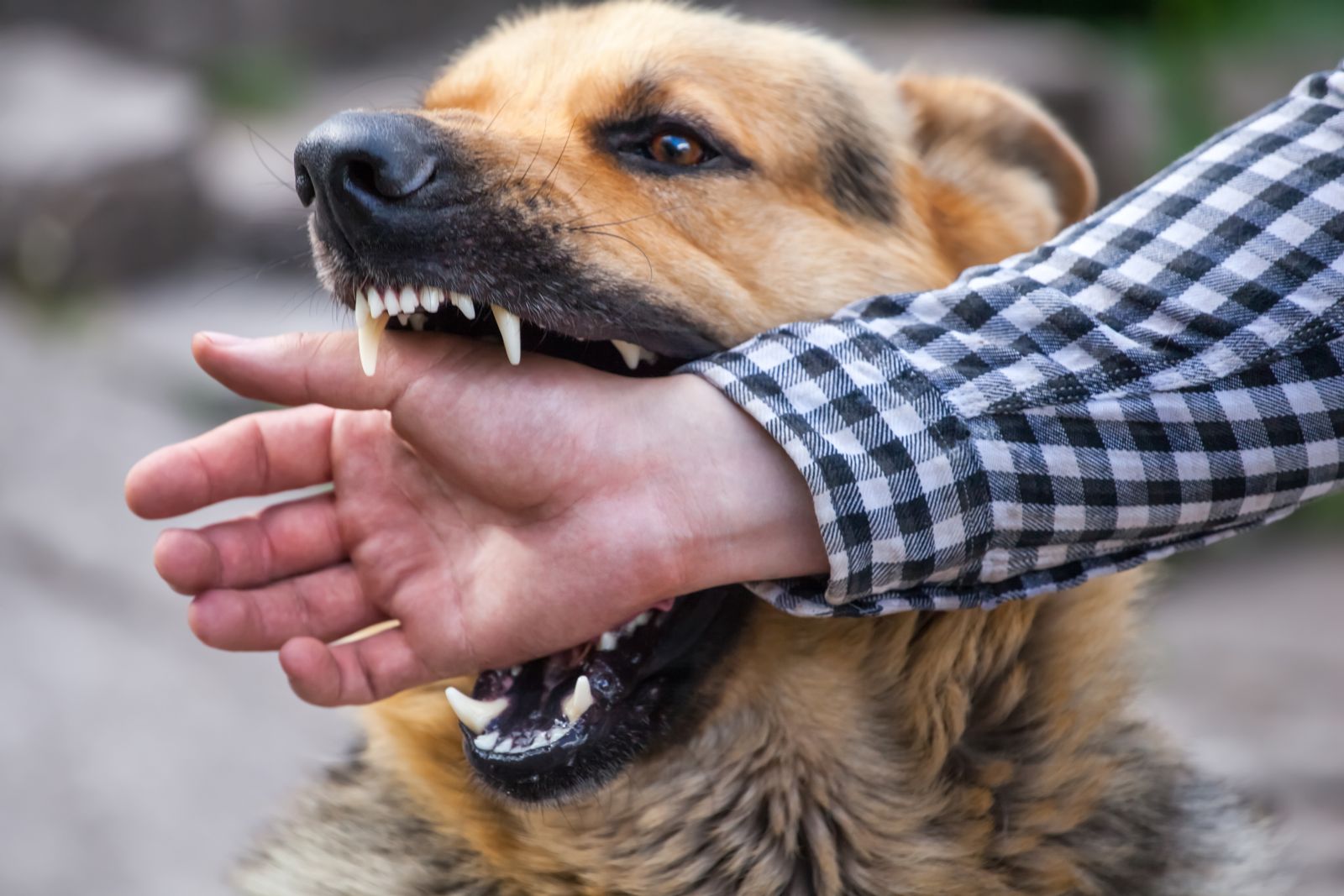
If a dog bites a person once, it will definitely bite again.
Any complication that occurs after a dog bite has its own specific symptoms. However, they are so specific that they are unlikely to be recognized without the help of a specialist. However, it is possible to recognize the need for immediate medical attention. This is necessary if at least one of the following symptoms is present:
- increased fatigue;
- weakness;
- insomnia;
- nausea;
- breathing or heart problems;
- high body temperature;
- changes in skin color;
- pain in the wound (including after it has healed);
- irritability;
- fear of light;
- muscle spasms;
- paresis;
- changes in sensitivity of damaged areas;
- swelling;
- tissue hyperemia;
- purulent or lymphatic discharge from the wound.
The appropriate treatment is prescribed by a doctor.
What to do if you are bitten by a vaccinated domestic dog
Typically, the main causes of this situation are poor training of the animal, which is trying to establish its place in the family, or provocation by the victim. Less commonly, domestic dogs inflict injuries while protecting their owners. Frequent starvation and abuse are also common causes.
A dog bite is always an injury. The healing process can take a very long time. For example, if the fingers are damaged, their mobility may be impaired.
If the bite is mild and there's little bleeding, a trip to the emergency room isn't always necessary. Usually, it's enough to clean the wound with hydrogen peroxide and then apply a bandage soaked in a special ointment. Levomekol is a good option.

Most victims are dog owners or their acquaintances, and most attacks are provoked by humans.
In cases where the bite is severe, a trip to the emergency room is mandatory. Lacerations are usually not sutured, firstly because of their nature and secondly because of the risk of inflammation. If stitches are required, you will need to visit the hospital at regular intervals as prescribed by your doctor. Before going to the emergency room, be prepared to go directly from there.
During visits, specialists will change the dressings, and the attending physician will monitor the patient's recovery. In severe cases, after the wound has healed, the patient is referred to physiotherapy. In milder cases, exercise therapy is recommended. This is necessary if the bite has resulted in complete or partial loss of mobility in the limb(s). Be prepared for a fairly lengthy recovery process.
There are a number of additional measures that are taken even during the initial visit to the emergency room. Immediate tetanus vaccination and immunoglobulin injection are mandatory. A traumatologist will strongly recommend a rabies vaccination course. Many owners who have been injured by their pets refuse the course because their dog has been vaccinated before. However, a vaccination certificate or a note in the veterinary passport is not considered sufficient evidence for doctors.
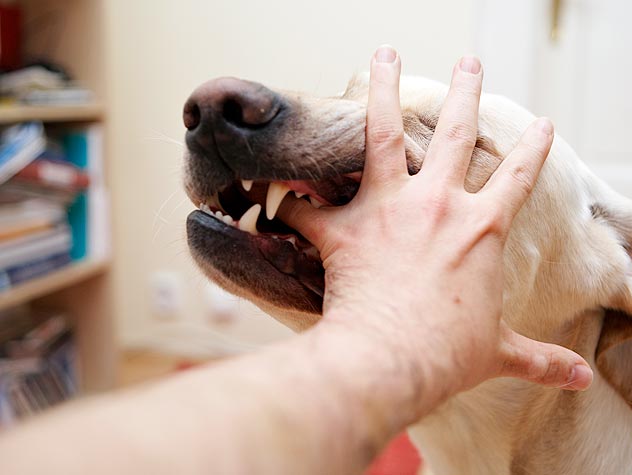
Aggressive dogs are most often young and male.
In any case, you will be asked to observe the dog for 10 days. During this time, the animal, infected with the rabies virus, will die. The observation process consists of two stages:
- On the first day, for example, the 4th of the month, a receipt is written confirming that the pet is alive and well.
- Ten days later, on the 14th, a second receipt of similar content is written.
If nothing happens to the dog within ten days, the owners or other victims of the attack do not need rabies vaccinations.
Bitten by a rabid dog
It's important to note that rabies precautions (more on that later) should be taken if bitten by any unfamiliar dog. However, it's important to understand when an animal is definitely infected.
There are several main signs of the presence of the rabies virus in a dog's blood:
- the animal does not let anyone get close to it;
- grinning at people without reason;
- release of large amounts of foam or saliva from the mouth;
- strange behavior;
- unsteady gait.
If even one of these symptoms is detected, maintain a safe distance from the animal, isolating it from others if possible. Dogs' behavior in such cases becomes unpredictable. This applies not only to stray dogs but also to domestic pets.
Rabies virus, also known as Rabies, requires immediate treatment. The first step if you are bitten by a dog that shows one of the signs of rabies is immediate bleeding from the bite site. Apply firm pressure to the edges of the wound, overcoming the pain. A small amount of blood leakage is sufficient to reduce the likelihood of the virus spreading into the general systemic bloodstream.
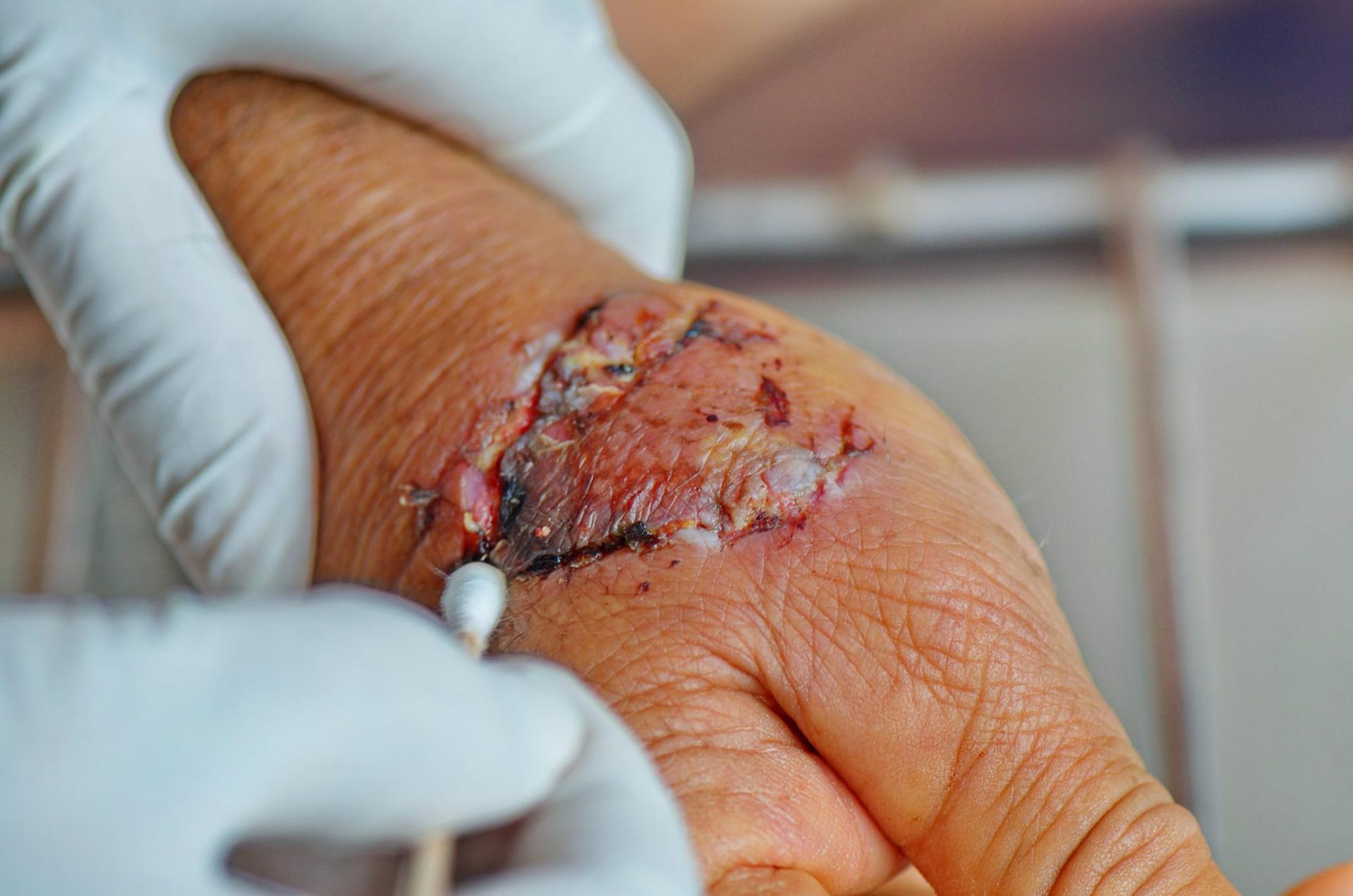
A dog's teeth are very sharp, and when it bites, germs get deep into the wound and then into the blood.
If the bite wasn't deep, bloodletting is still necessary. In this case, an incision is made in the skin using a knife or other available means, which should be treated with an antiseptic. The wound is then treated as follows:
- Rinse the wound with running water and alkaline soap. It is the alkali that creates an environment that temporarily inhibits the spread of microorganisms.
- Treating the wound with an antiseptic (Chlorhexidine, iodine, brilliant green) or hydrogen peroxide.
- Cover the wound with a sterile bandage.
Under no circumstances should iodine or brilliant green be poured directly onto the wound, otherwise there is a high risk of a burn and subsequent tissue necrosis.
After this, it's essential to immediately go to the emergency room or call an ambulance. The life of a person bitten by a rabid dog or any other animal will depend on how quickly they receive medical attention. The Rabies virus spreads rapidly through the bloodstream, entering the spinal cord and brain.
Rabies prevention by injection
After all other measures have been completed, the patient is prescribed special preventative procedures. Many people mistakenly call this treatment, but this is not entirely accurate. Rabies is fatal in 99.999% of cases. In the entire history of medicine, only seven infected people have survived. Only vaccination can prevent the development of the disease and death. As stated above, if the animal is under observation and has not died within 10 days, there is no need for vaccination. However, if the animal was a stray and was not found within hours or days of the bite, the course of injections should begin earlier.

Almost always, a special immunoglobulin is added to the treatment, which is injected around the perimeter of the damaged area.
A special rabies vaccine (anti-rabies vaccine) is administered to the patient on days 1, 3, 7, 14, 30, and 90. Each dose is 1 ml. The vaccine has no contraindications, including for infants and pregnant women. The dosage and vaccination schedule remain the same for all patients, regardless of age.
The effectiveness of the drug may be reduced if the patient is taking immunosuppressants or corticosteroids. To prevent infection, an additional prophylactic course is prescribed after a blood test for antibodies.
If a child is bitten
Not every parent knows how to properly handle a child who's been bitten by a dog—either their own or someone else's. Let's start with the basics: calm down and avoid panicking. Nervous and noisy parents can only increase the risk of psychological trauma for their child.
Up to 40% of children have been bitten by a dog at least once in their life.
If a dog bites you on the street while your owner is nearby, it's a good idea to find out everything about the dog's condition. First and foremost, whether it's vaccinated against rabies. If the owner claims it has, it's crucial they provide a veterinary passport with a vaccination stamp. However, in any case, the animal will need to be observed for ten days.
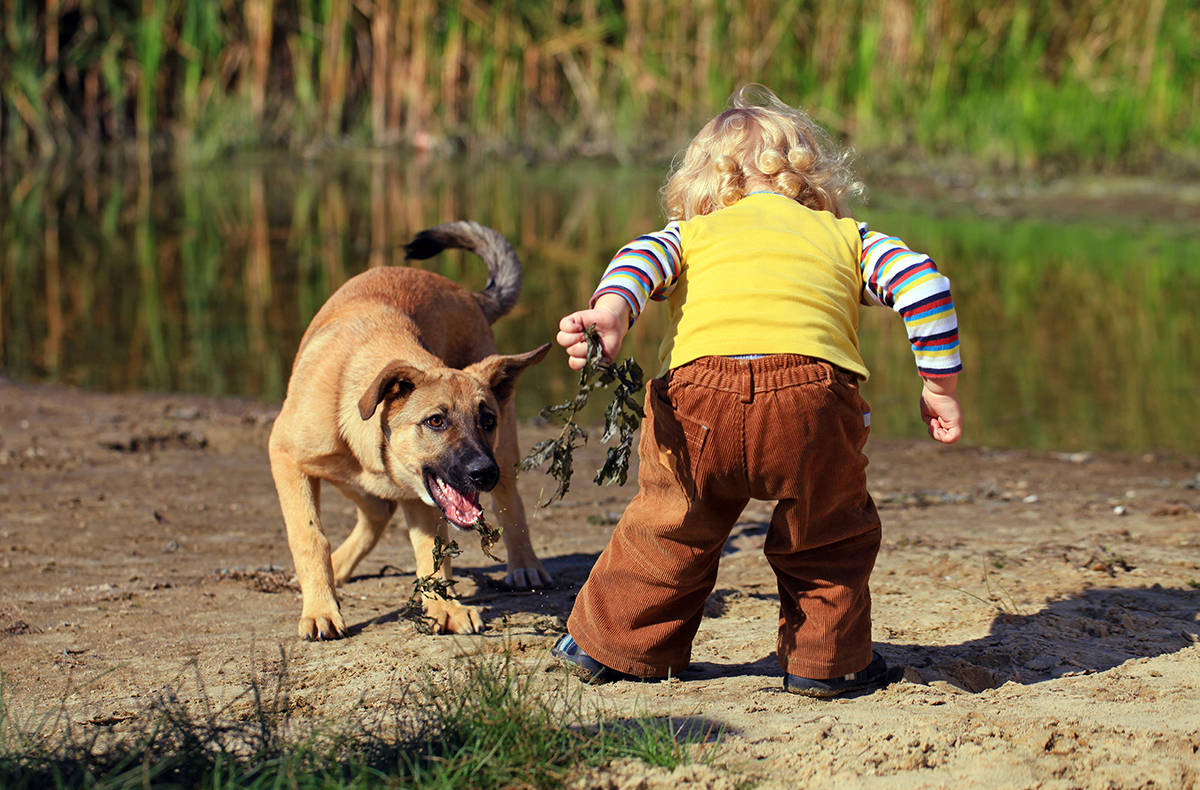
The first thing you need to do is quickly take the child to a safe place.
If the dog is a stray, then vaccination is mandatory in 100% of cases. Before this, it is necessary to take the same measures that apply to adults - washing, treatment, applying a sterile bandage, going to the emergency room or waiting for an ambulance.
Bleeding from minor wounds doesn't need to be stopped immediately—it's important to remember this. For moderate injuries, a bandage that applies gentle pressure to the wound is sufficient. To stop severe bleeding, a tourniquet is required (applied for an hour in winter, two in summer). Afterward, a pressure bandage should still be applied.
The child was alone in a room or garden with a dog in 20–25% of cases, and in more than 50% of cases, the incident occurred without adult supervision.
If a child is scheduled for vaccination, it is important to restrict the child from the following activities for the entire treatment period (90 days):
- significant physical activity;
- visiting baths, saunas, beaches;
- any possibility of getting the body overheated.
What to do if your dog bites a person
Any such situation arises as a result of two main factors: the owner's failure to properly train the dog, or deliberate provocation on the part of the dog. Either way, if a dog has bitten someone, the owner must know what awaits them.

Never approach animals when they are eating, fighting, or grooming each other.
The first piece of advice for a dog owner is to avoid panicking and taking rash actions. It's important to assess the situation clearly and know where to turn. If the injuries are serious, don't remain indifferent, especially if you know what to do in such cases.
Actions of the dog owner if the pet bites a person:
- Remain completely calm.
- Clarify with the victim what kind of assistance is needed.
- Show concern and concern, avoiding heated arguments. An ambulance should be called, even if the bite site is barely visible. Bite wounds are unpredictable, and the dog's owner will likely be held responsible for the consequences.
- Personal information should not be hidden from a dog's victim. It will be provided upon request.
- Record contact information of witnesses, if any.
- Prepare your dog's veterinary passport and veterinary certificates for presentation. A rabies vaccination certificate may also be required.
- Notify the police yourself, without waiting for their visit.
- Be prepared to quarantine your pet for ten days for observation (if not vaccinated).
Legislation in countries treats such incidents differently. Separate laws apply to so-called dangerous dog breeds. For such pets, there's a mandatory requirement to wear a muzzle in public places. If an accident does occur, it's important to understand that the dog can be legally euthanized. If the victim dies or becomes disabled, the owner may face criminal liability.
A dog bite is a nasty injury that can have extremely dangerous consequences. It's important to take all necessary measures promptly to avoid complications. The steps taken depend on the nature of the wound and its location on the body. In any situation, it's important to remember the significant risk of rabies infection, which can be fatal, and to stay up-to-date on vaccinations.