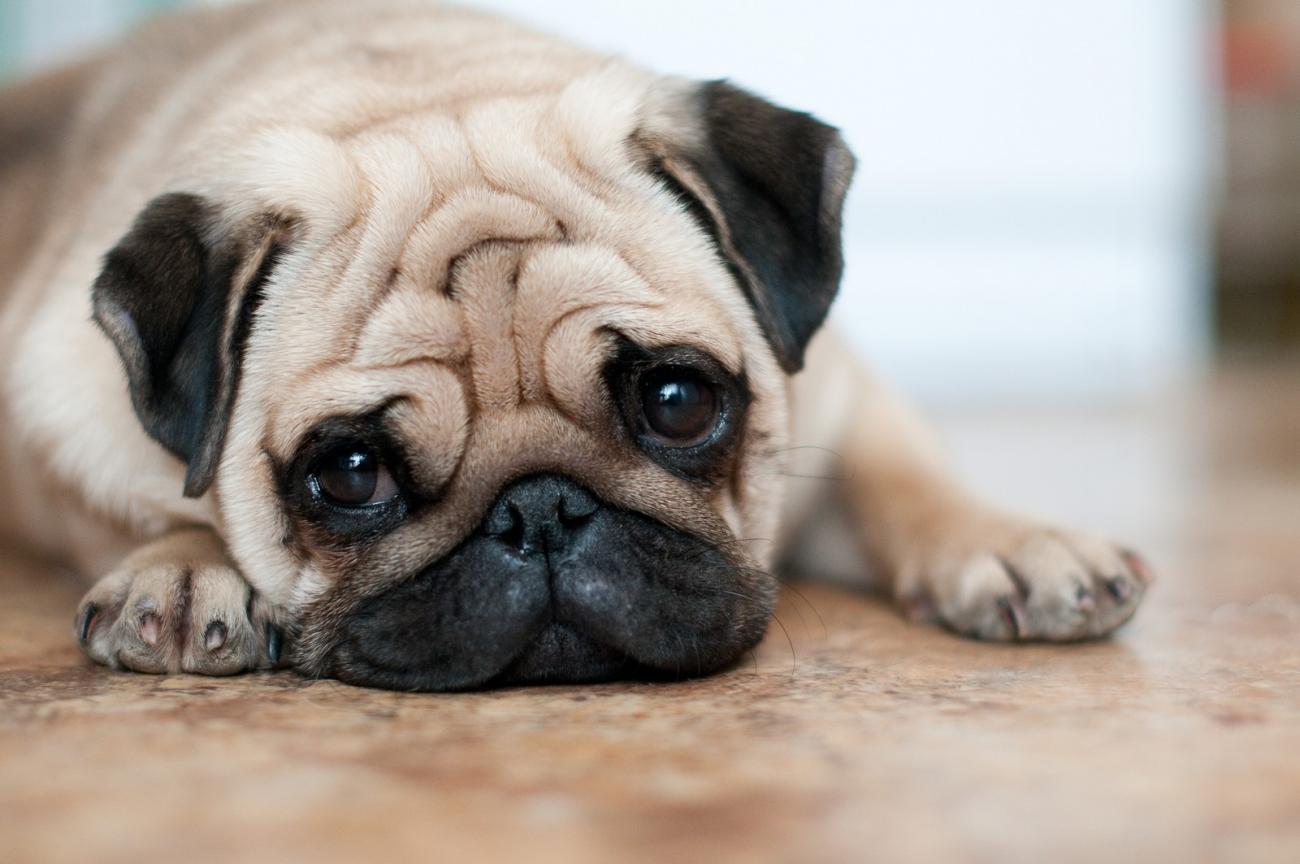
Brachycephalic dogs are distinguished by their distinctive appearance. They have flat muzzles with a flattened nose and a protruding jaw. These breeds are popular for their cute appearance, moderate temperament, and good-natured nature.
Characteristics of brachycephalic breeds
Brachycephalic dogs were developed through years of selective breeding. They were originally bred as a hardy fighting breed. Because the opponent in a fight grabs the dog by the nose, it was decided to make it flat.
Brachycephalic breeds include the English and French bulldogs, Petit Brabancon, Lhasa Apso, Boxer, Shar Pei, Pug, Pomeranian, Japanese Chin, Chihuahua, Pekingese, and Boston Terrier. These dogs have anatomical features that can lead to health problems:
- asymmetrical position of the jaws and disruption of tooth growth;
- shortened skull;
- deformed tear ducts;
- sagging palate;
- narrowed airways.
Diseases of brachycephalics
Due to their unique structure, brachycephalic breeds are fragile. There are several types of illnesses to which these dogs are susceptible.
Brachycephalic syndrome
The disease occurs due to soft tissue overgrowth and narrowing of the upper airway. This condition requires surgical intervention, which is best performed before the age of three. Young dogs tolerate anesthesia well and recover quickly. After three years of age, the disease's progression is virtually impossible to stop.
Signs of the disease include shortness of breath, snoring, and wheezing. Symptoms worsen during stressful situations and lead to oxygen deprivation. This can lead to fainting or death. If any of these symptoms are detected, contact a veterinarian.
Colds
Brachycephalic dogs are sensitive to drafts. In cold weather, the dog should be walked in clothes, and a warm bed should be provided at home. After bathing, the coat should be thoroughly dried with a hairdryer.
Dermatological diseases
Brachycephalic dogs have folds of skin on their faces. These folds harbor germs and bacteria, causing fungus, inflammation, and diaper rash. These folds should be regularly cleaned with a cloth soaked in a special lotion, as should the ears and eyes. Due to the deformity of the nasolacrimal duct, the constant drainage of water from the eyes can irritate the skin.
How to Properly Groom Brachycephalic Dogs
When caring for a brachycephalic breed, the owner must adhere to certain rules:
- Regular checkups with a doctor at least twice a year. Prevention is better than cure.
- Using a harness instead of a leash to reduce stress on the trachea.
- Proper nutrition and weight control. Brachycephalics are prone to obesity, which can increase shortness of breath.
- Carrying out regular cleaning of skin folds.
- Prevent stressful situations. If possible, avoid long journeys on public transport.
- Avoiding walks in high temperatures. Brachycephalic dogs do not tolerate heat well. They have impaired thermoregulation through their skin.
Every dog breed has its own characteristics and weaknesses. Proper care, attention, and timely assistance will prevent illness and ensure a long life for your pet.