Nausea and vomiting in dogs while traveling are common. Car sickness is quite common, so it's important to know what to do in this situation and how to properly alleviate your pet's discomfort.
Why does a dog get carsick?
The main reason for a dog's motion sickness in a car is problems associated with the animal's vestibular system. Constant shaking causes chaotic impulses to flow into the animal's brain tissue, so the body tries to get rid of the problems that have arisen through nausea and vomiting.
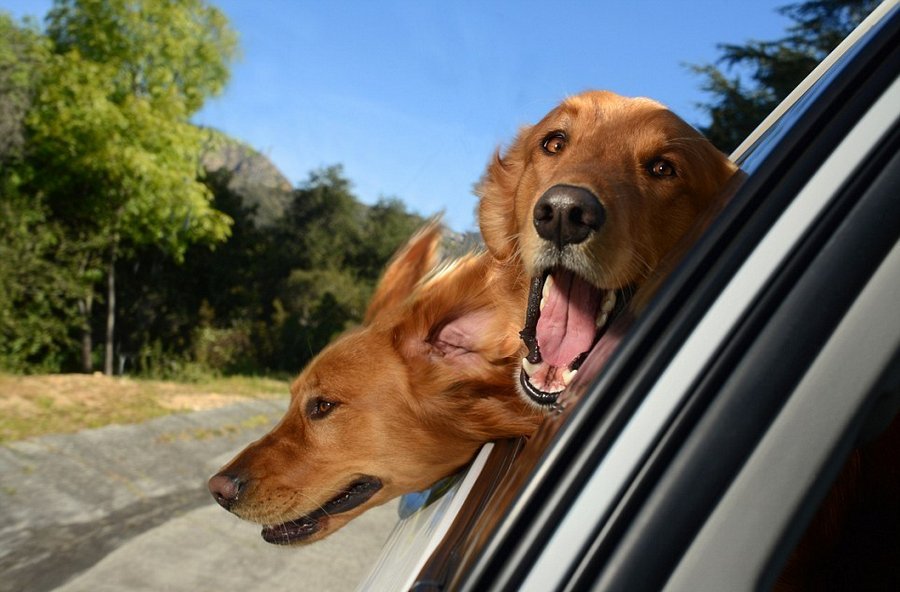
If the eyes signal that the dog is moving, while the paws are standing still, then motion sickness occurs.
In some cases, motion sickness in a four-legged pet can be caused by a history of untreated or chronic otitis, as well as a panic fear of driving caused by anxiety, strange odors, stress, or the noise of a running engine. However, motion sickness (kinetosis) is most often observed in puppies of all breeds under one year of age, due to the underdevelopment of the vestibular system, and in pregnant bitches due to hormonal changes.
Symptoms
You can determine whether your four-legged friend is suffering from motion sickness while traveling in a car by several basic, most common symptoms.
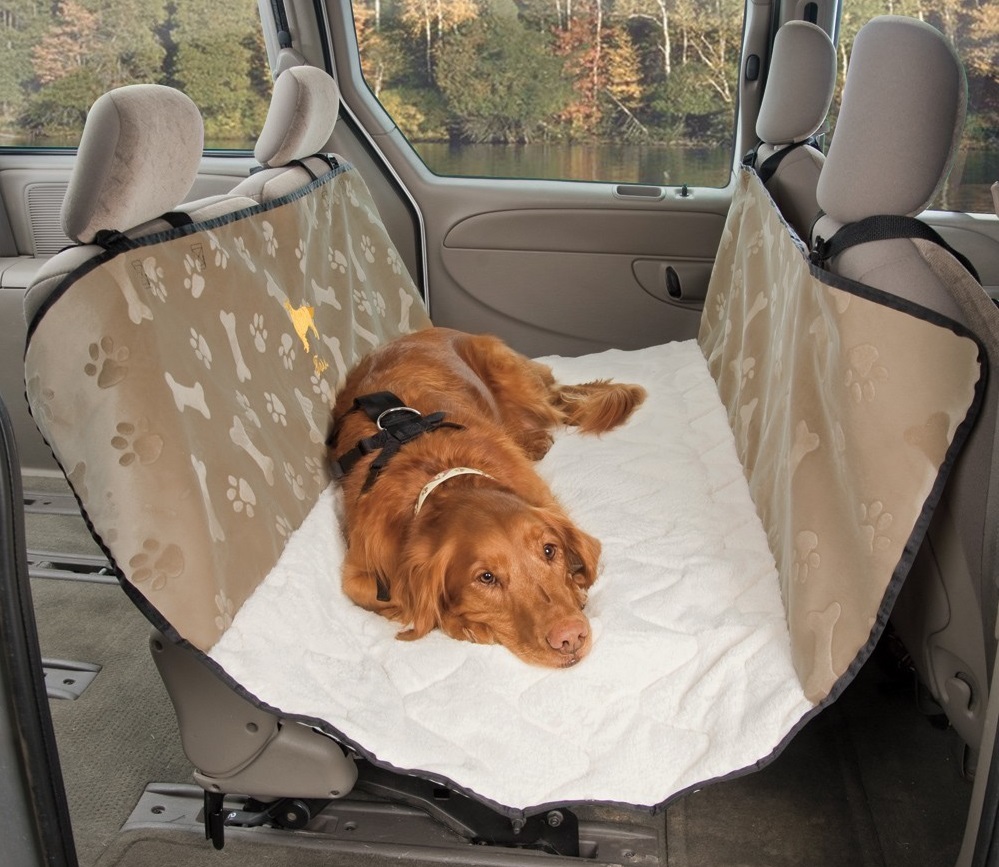
Sometimes the nausea starts as soon as she climbs into the back seat of the car.
Standard symptoms of motion sickness most often include excessive salivation (hypersalivation), rapid breathing, constant swallowing, and licking of the nose. Tremors in the body, restless behavior, belching followed by vomiting may also be observed.
What to do
To help your dog cope with travel and relieve motion sickness symptoms, you can use several proven medications, as well as:
- remove any irritants from the car interior;
- ensure an influx of fresh air and plenty of fluids;
- provide a comfortable place for the animal.

Special medications aimed at preventing motion sickness or its individual symptoms can help your pet feel better.
If necessary, special tablets are prescribed: Serenia, Reisfit, Sanal Relax, Dramamine or Avia-more.
The best way to combat motion sickness is to take preventative measures to train your dog's vestibular system. Ensure your pet has an active lifestyle, and consult a veterinarian if necessary.