When the weather gets hot, animals, like humans, are at risk of heatstroke. Let's look at how to spot its early signs, what to do if you do, and how to avoid it.
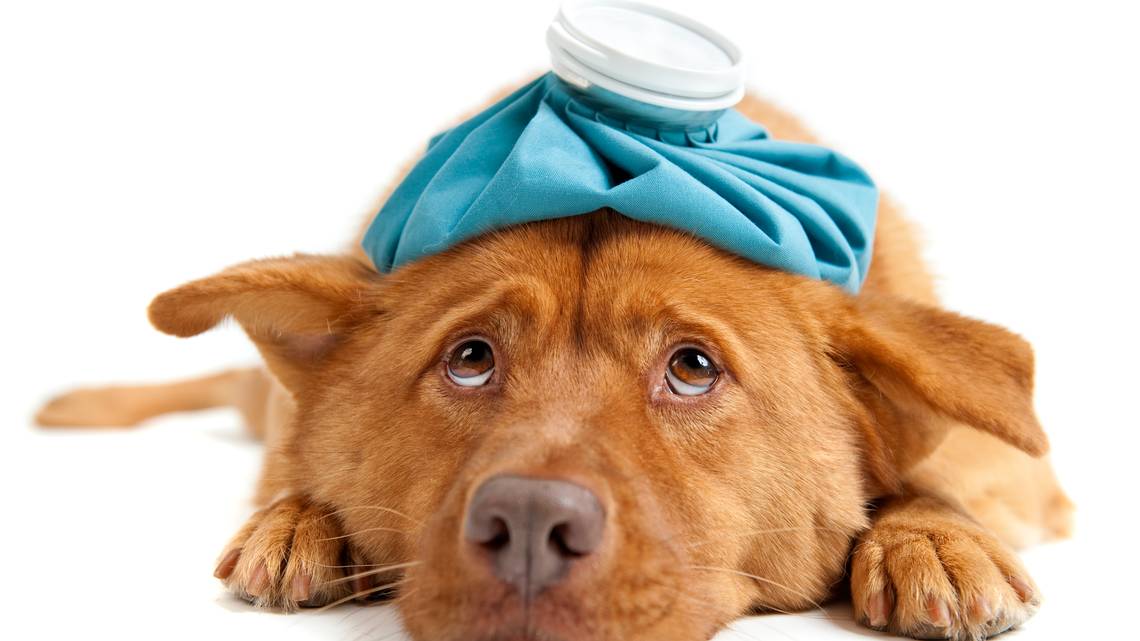
The first signs of overheating in a dog
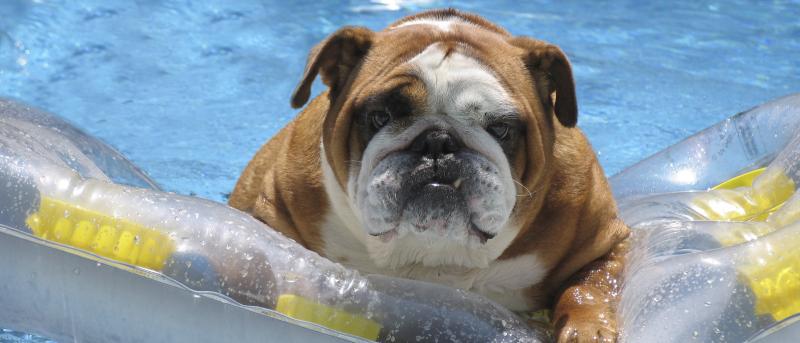
Dogs have a remarkable ability to relieve excess heat by panting rapidly. This ability is less developed in cats. It's considered normal for a dog to pant heavily and have its tongue hanging out after exercise or in the heat. Dogs with flattened muzzles and northern breeds are at higher risk of stroke.
You need to be very careful, as the signs of a stroke can easily be mistaken for fatigue. If you observe these signs:
- no appetite;
- the dog is lethargic;
- impaired coordination of movements;
- increased salivation;
- high temperature (over 40);
- uneven breathing with wheezing;
- cramps, diarrhea, vomiting;
- clouded gaze,
then you need to provide first aid immediately.
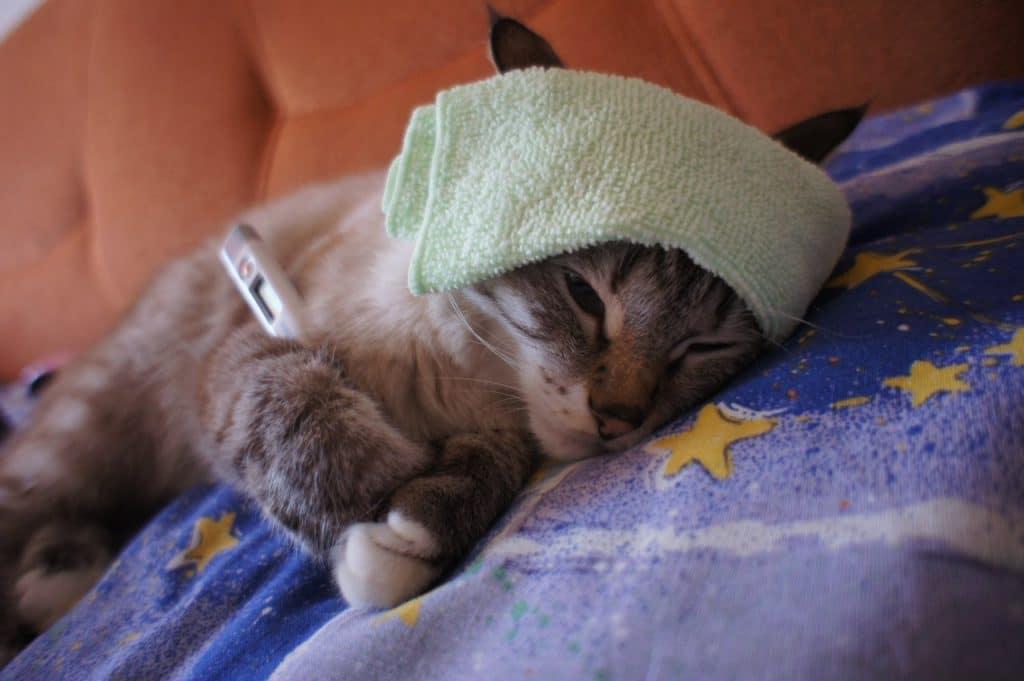
Signs of overheating in cats
Persian cats, pregnant cats, older cats, those with excess weight, problems with the upper respiratory tract, lungs, or cardiovascular system, and those with black fur are at high risk of heatstroke.
If you suspect you may have heat stroke, pay attention to whether the following signs have appeared:
- very high temperature;
- convulsions;
- diarrhea, vomiting;
- shortness of breath;
- redness of the mucous membranes;
- tachycardia;
- regurgitation of foam;
- weakness;
- muscle twitching.
Of course, some symptoms, such as fever, can easily be confused with other diseases, so you should be careful.
First aid for heat stroke
First of all, no matter what kind of animal it is, you should show it to a doctor.
What to do if your dog has been struck:
- you should remove everything that is on it so that you can breathe calmly;
- take to a cool place;
- wet a cloth with cold water and wipe, but you should watch the temperature drop, a sharp drop is also dangerous;
- give water;
- apply compresses to body parts such as the head, armpits, and inner thighs.
Cats, unlike dogs, go for walks less often, but such situations do happen. While rapid breathing and a protruding tongue are considered normal for dogs, for a cat this is a warning sign.
In case of heat stroke in cats, the help will be the same as for dogs.
- The animal should be cooled, but only if you are certain it is definitely heatstroke. For example, if the animal has a fever, it is dangerous to cool it without antipyretics, and if it is overheated, antipyretics are useless.
- Be sure to monitor your temperature. A temperature that is too high (43°C or higher) has negative effects on all organs. It may also interfere with blood clotting.
- Cooling doesn't mean the pet has recovered. Consequences can appear as late as three days after the injury.
How to avoid heat stroke
Prevention of heat stroke in dogs is as follows:
- It is important to be vigilant.
- It is advisable to take the dog for a walk without a muzzle.
- Avoid walking your pet during the hottest part of the day; it's best to move the walk to the morning or evening.
- It is recommended to take a walk near bodies of water, it is always cooler there, and if the dog gets hot, it will be able to cool itself down.
- Do not force the dog to run, avoid active games.
- The biggest mistake people make is locking their pets in the car, even if only briefly or with the windows open.
- There must be access to cold water.
- It is advisable to trim the fur, but not completely, as this could cause a burn. At least 2 cm of fur should be left.
- If it's hot outside, it's best to keep your pet indoors, or make sure there's a place to hide from direct sunlight.
- It is best to purchase a cooling mat or vest.
- It is recommended to switch to one meal a day in the evening, as animals lose their appetite in hot weather.
Cats can take care of themselves by staying cool and avoiding overheating, but leaving them in a closed car means they won't have that option. Even in cooler weather, sitting in the sun for 30 minutes can cause the temperature inside to rise to 48 degrees Celsius. Imagine what it would be like for your pet. Leaving them in any enclosed space is unacceptable.
If it's hot in the house, you can soak towels in water and hang them around the house to protect your cat. Your cat should always have access to cool areas of the house. Water is essential.
If possible, it is worth turning on the air conditioner or fan.
If you decide to take your pet somewhere, or take it with you on vacation, you should choose a carrier with plenty of holes to prevent the cat from suffocating, and cover it with a light fabric for shade.
Take care and protect our little brothers. Don't carry them around unnecessarily in the heat; leave them at home. If you do decide to take your pet with you, make sure they're not exposed to the sun, move them to the shade promptly, and replenish their cool water.