The average lifespan of a dog is 10–15 years. When getting a pet, be prepared for this. While there are certainly some long-lived dogs, especially among small breeds, these four-legged friends typically reach a ripe old age after 10 years. During this period, owners should know how to recognize that their dog is dying. This is essential so that they can, if necessary, alleviate the animal's suffering.
How to tell if a dog is dying

An old dog or one that is suffering from a chronic illness will usually breathe intermittently and wheezing.
These signs are easy to recognize:
- the animal's fur begins to fall out and distinct signs of gray hair appear on it;
- the dog has difficulty getting up from the bed or cannot get up at all;
- her gaze becomes dim or her vision disappears completely;
- increased salivation is observed;
- muscle cramps appear;
- the animal refuses to eat;
- breathing becomes rare and shallow;
- the pulse weakens.
How to tell if a dog is in pain

A sign of old age in a dog is a weakening of the sexual instinct.
Usually, old age in pets is accompanied by diseases, including cancer. In these cases, the dog may experience pain. This condition can be identified by the following signs:
- the animal often whines, sometimes quietly moans;
- cannot lie or sit in one place, showing signs of restlessness;
- trying to get into a dark place;
- refuses both food and drink;
- When pain symptoms occur, the dog sleeps poorly and restlessly.
How to ease your pet's suffering
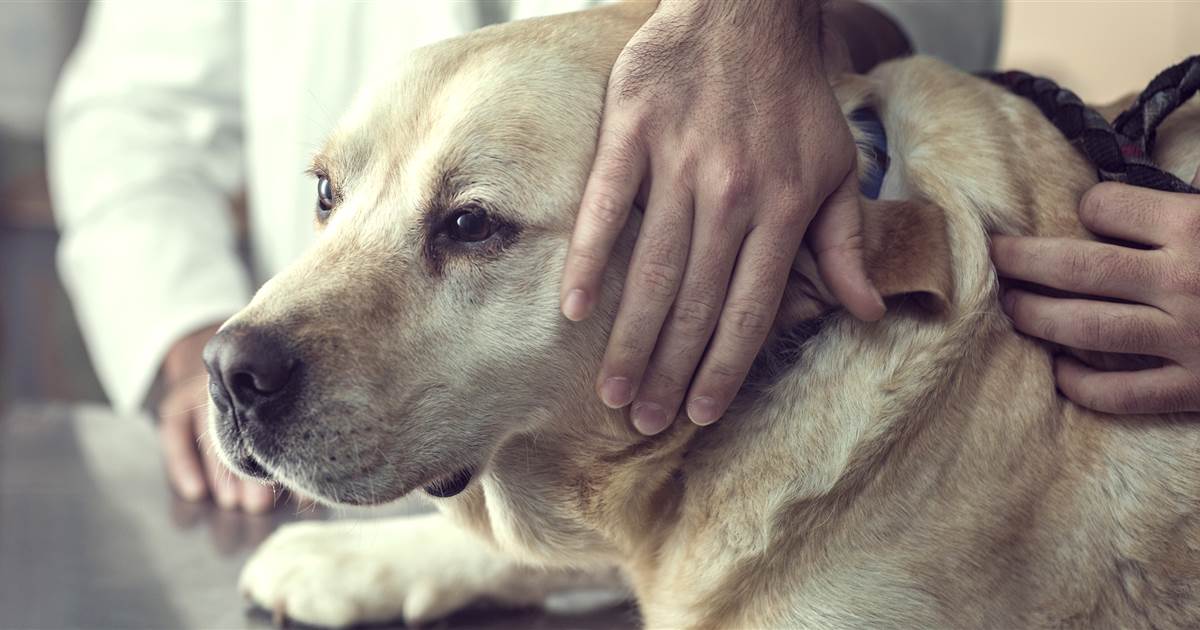
Some veterinary clinics offer inpatient services with medical care for end-of-life animals.
Veterinarians prescribe analgesics for dogs in pain. The animal should be kept calm, even covered, as sometimes dogs feel cold and shiver.
Don't try to force-feed your pet. Don't punish them if they start urinating or defecating on their own.
If the animal is suffering greatly, loses consciousness, moans, or begins to convulse, a decision should be made about euthanasia. As difficult as it may be, this may be the only way to end a dying animal's suffering. Modern euthanasia methods are painless and quick, and your pet will feel no pain.
Of course, the death of a four-legged friend is a great sorrow. Try to be there for them until the end; it will surely make them feel better.