A dog, as we know, is man's best friend. And it's not polite to hurt friends. Understanding canine psychology and a desire to understand the reasons behind your pet's behavior will help you avoid making mistakes when interacting with your four-legged friend.
Do not play, do not walk, leave alone
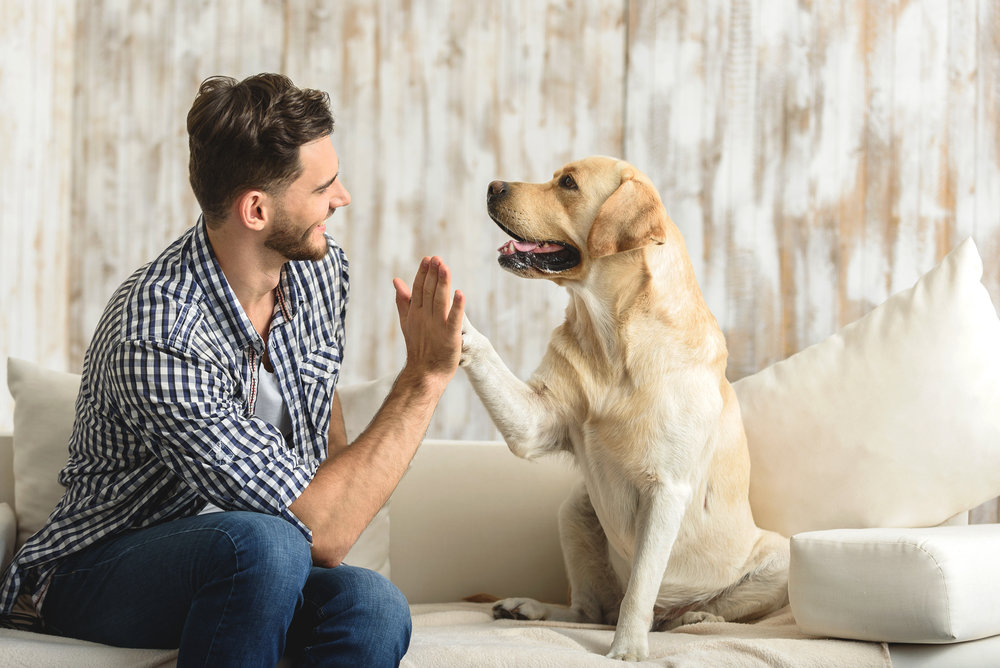
One of a dog's basic needs is human interaction, whether through play, walks, or watching TV together. A lack of attention from its owner can be stressful for a pet. A dog's distress can manifest itself in:
- demonstrations of resentment (refusal to communicate, sometimes food);
- bad behavior (usually damaging household items) - this is how the animal entertains itself when alone and lets the owner know that it needs attention;
- depression (advanced cases).
The following tips will help prevent such a development of events:
- It's important to establish a clear daily routine for both the dog and the handler. This will help the animal know when its owner leaves and returns, making it easier to wait.
- When the "elders" are away, the dog should be able to occupy itself and have access to toys. These should be selected based on the dog's interests. Through cooperative play, the pet should be trained to play with them.
- While at home, it's important to set aside time to interact with your dog. This can include active play, training, walks, and pet-friendly activities.
To poke one's nose into a puddle
Making puddles and messes is a legitimate reason for dissatisfaction with a dog. However, pointing out the dog's "misdeeds" is one of the biggest mistakes owners make. Such a procedure can develop not just resentment in a dog, but genuine fear of the owner.
First, it's important to understand the motives behind this behavior. The most common ones include:
- Young age. Puppies' physiological characteristics prevent them from holding large volumes of urine, and the number of walks they take outside is insufficient to empty their bladders in a timely manner.
- Illness. Dogs get sick too, and frequent urination is one sign of ill health.
- Joy. Involuntary urination can occur during moments of intense joy, such as meeting the owner.
- Banal promiscuity. This behavior is the result of improper upbringing, and the owner should first and foremost ask themselves these questions.
Experienced dog owners identify numerous such causes. Once they're identified, all that's left to do is eliminate the negative factors and wait for the results.
Changing the rules on the fly
Dogs, like children, thrive within defined boundaries, with clear and understandable rules. This way, they know what they shouldn't do to avoid being judged by their elders, and they feel more confident and calm. If rules aren't defined or enforced, a dog's life becomes confusing and stressful. When setting rules, remember:
- The dog does not understand exceptions to the rules, therefore: if it is not allowed on the sofa after a walk through dirty puddles, then it is not allowed after a bath either;
- a simple word “no” is not enough; you need to offer an alternative behavior and reward it with a treat and positive comments;
- By explaining the rules of conduct and supporting the pet's desire to follow them, the owner strengthens the trusting relationship with his dog.
Punish for grinning
A dog's baring of teeth at its owner or family members is a serious cause for concern. In the animal world, this is a demonstration of aggression or fear. Understanding the underlying cause of these emotions is a task that must be addressed immediately. Analyzing the situation will help correct relationships within the "pack" and the dog's future behavior.
- Violation of norms. The dog was encouraged to engage in this behavior during playtime.
- Aggressive dog training style, frequent violence and punishment.
- Defensive aggression. A bared tooth expresses the dog's fear of its owner or their behavior. The owner may unwittingly frighten the pet with overly aggressive gestures or sudden appearances. The animal then "screams," displaying its bared teeth.
Punishing a dog for baring its teeth is not recommended. This can further instill fear in the animal and destroy any remaining trust. After examining the causes of this behavior, it is advisable to consult a professional dog trainer. Behavior modification is possible under any circumstances, but it requires time, effort, and patience.
Drive away from the "pack"
Punishing a dog by separating it from the "pack" and banishing it from the territory is absolutely unacceptable. This unfriendly behavior undermines trust and mutual understanding, and restoring them fully will be difficult. The serious consequences are due to the following reasons:
- a dog is a “pack” animal, ready to endure many hardships and even self-sacrifice for the sake of the pack and its leader (these are the basic instincts inherent in nature);
- In the canine world, expulsion from the pack is associated with fierce rivalry and competition, which should not exist in the human family between people and animals.
Even temporary expulsion from the territory will be perceived by the dog as a severe and incomprehensible insult.
Dogs are highly intelligent. There are many ways to teach them that they're wrong. By using non-aggressive and non-disrespectful training methods, a loving owner will gain their pet's complete trust and a sincere desire to live up to their two-legged friend's expectations.