Cystitis is a serious condition that involves inflammation of the bladder wall. It occurs not only in humans but also in many animals, including dogs. This condition has various causes, and the earlier it is detected, the more successful the treatment will be.
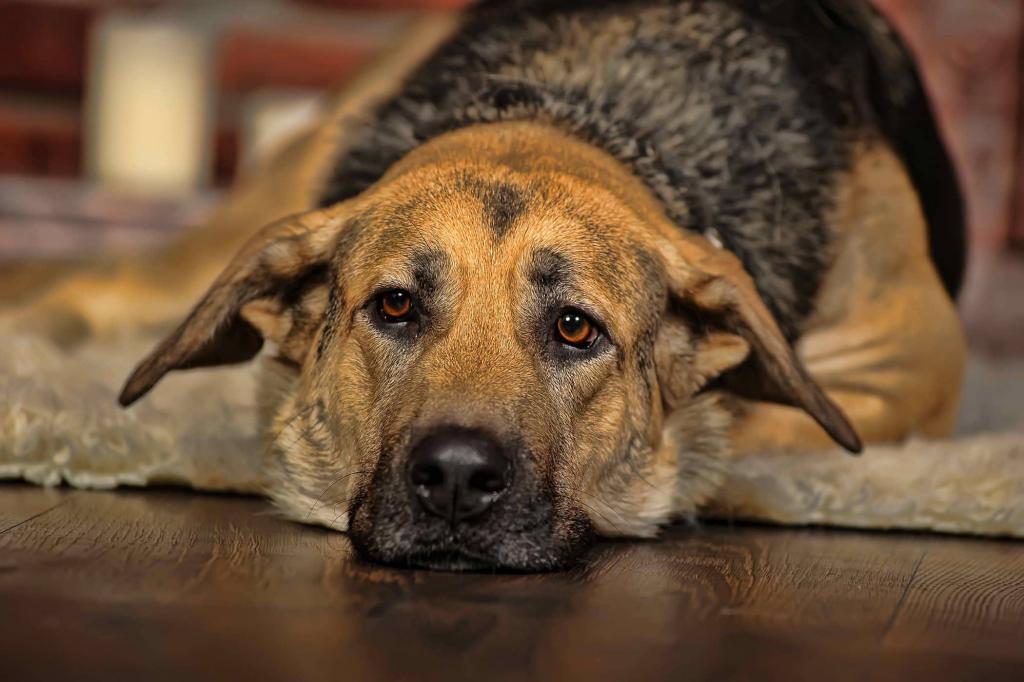
The dog whines for no reason
Unlike humans, dogs can't communicate their condition. Therefore, whining is one of the signs of cystitis.
Typically, an animal makes this sound when urinating. The dog may also flinch and shift from one paw to the other.
If this behavior is associated specifically with trips to the toilet, and the animal behaves normally at other times, then it most likely has an inflammation of the bladder walls.
The pet goes to the toilet frequently and uncontrollably.
The dog may urinate uncontrollably in non-designated areas every 30 minutes or more often.
Sometimes, he can't wait to go outside and instead urinates right at home. The amount of urine produced is smaller than during regular bowel movements. This symptom indicates cystitis if it occurs suddenly and is new.
The dog's urine becomes cloudy in color.
This symptom may be absent when cystitis occurs. It may also appear during an exacerbation of a chronic genitourinary disease in an animal.
Urine color can range from light brown to bright red, depending on the stage of the disease and the severity of the inflammation.
An unpleasant odor is also noted. This is due to the accumulation of inflammatory factors in the bladder. When excreted in the urine, they cause an unpleasant odor.
The dog's body temperature rises
With cystitis, the general condition of the animal worsens.
Bladder inflammation causes lethargy. The pet becomes less active, refuses to eat, and becomes thirsty.
If the dog goes untreated for a long time, it will develop a high fever. The animal will suffer from chills and its skin will become clammy.
The pet's appetite decreases
If an animal suffers from cystitis for a long time and doesn't receive qualified treatment, its appetite decreases. The animal begins to refuse all food and only drinks water occasionally.
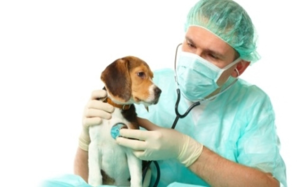
The appearance of any of these signs should not be ignored. At the first sign of illness, consult a veterinarian. Only a veterinarian can diagnose the underlying condition and prescribe treatment.