 Cystitis is an inflammatory disease of the bladder that can affect not only humans but also animals. Pets with weakened immune systems are particularly susceptible. Symptoms are often vague and unclear, so owners often don't immediately notice their dog is sick. To recognize cystitis early and help your pet as soon as possible, it's important to understand the signs, causes, and treatment options.
Causes of cystitis in dogs
Dogs of any breed can be susceptible to the disease, but females are most often affected. The most common causes of cystitis are:
- hypothermia;
- inflammatory processes of organs located near the bladder;
- various types of infections;
- physical injuries;
- stress;
- kidney problems.
Inflammation of the bladder in dogs can also be caused by poor quality waterThe pet drinks and poor-quality food. If your dog eats dry food, it's recommended to buy holistic and premium brands that don't contain ingredients harmful to animals.
Cystitis in dogs: signs and symptoms
The disease can occur in acute and chronic forms. It is difficult to miss the acute form of cystitis, during which the following symptoms appear:
 Frequent urge to urinate in a pet.
- Puddles in the corners and dirty furniture.
- Cautious movements and seemingly constrained hind legs after using the toilet.
- The dog doesn't let me touch its tummy.
- Cloudy and foul-smelling urine.
- Temperature rise.
- General depression of the animal.
- Thirst.
- Poor appetite.
- In severe cases, blood, mucus or clots in the urine.
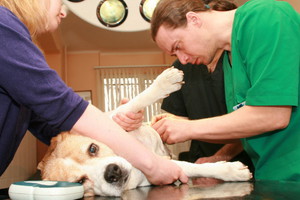 Frequent urge to urinate in a pet.
As soon as you notice any of these symptoms, you should immediately contact a veterinarian who will prescribe tests, make a diagnosis, and select the appropriate treatment.
It happens that acute cystitis The condition progresses with virtually no obvious symptoms and becomes chronic. In this case, the dog appears healthy and only occasionally engages in "mischief," meaning it may relieve itself on the carpet or in a location other than the toilet. During walks, the dog frequently squats. In some cases, yellow or pink stains may appear on the bedding, and blood may appear on the penis or penis tip.
If chronic cystitis is left untreated, it worsens, and the symptoms of the disease become much more pronounced than in the acute form of the disease:
- the dog urinates frequently and sometimes sits idle;
- the pet is reluctant to move and lies down a lot;
- the dog whines during and after urination;
- the dog has a tight and painful stomach;
- there is mucus, clots, and blood in the urine.
When you see a doctor, you will need to confirm the diagnosis with tests, for which The following studies are being conducted:
- Smear for genital infections.
- Bacteriological analysis.
- General urine and blood analysis.
- Ultrasound.
Based on the examination results, the doctor will prescribe the correct treatment for the pet, which the owner will carry out at home.
How to treat cystitis in a dog?
Symptomatic treatment for an animal can be started immediately after the tests are completed, without waiting for the results. The doctor may prescribe:
- an antispasmodic in the form of No-shpa, which is administered intramuscularly;
- analgesic for abdominal pain;
- if there is blood in the urine – dicynone or other hemostatic agents;
- a soft complex drug, which includes urolex, furagin, cantaren, stop-cystitis in suspension or tablets.
 an antispasmodic in the form of No-shpa, which is administered intramuscularly;
During the first visit, the veterinarian should provide advice on the care and maintenance of a sick dog. These should never be ignored, as any small detail can worsen the pet's condition.
Once the test results are ready, the doctor will prescribe treatment. In general Cystitis is treated in a comprehensive manner:
- If the inflammation is caused by bacteria, antibiotics are prescribed after sensitivity testing. It's important to choose a medication specifically targeted to the specific bacteria to cure the ailment and eliminate a host of other problems. Additionally, the dog should be prescribed an sorbent or hepatoprotector, which reduces the harmful effects of antibiotics on the body.
- Natural antibiotics, including licorice, rhubarb, and elecampane, can help treat cystitis. By combining these herbs in a 2:2:0.5 ratio, adding a pinch of bearberry, and pouring boiling water over the mixture, you can prepare a decoction for your pet, which they should drink 1-2 glasses of throughout the day. This decoction is also very good for douching your pet, which is recommended morning and evening during cystitis.
- Diuretics are almost always prescribed for cystitis to flush pathogenic microflora from the body. Instead of medications, a parsley infusion (4 tablespoons per cup of boiling water) can be used as a diuretic. Your pet should take two teaspoons of the infusion 3-4 times a day.
- To increase antibacterial activity, prevent the formation of urinary stones and reduce the acidity of urine, it is recommended to add a little cranberry juice to the sick dog's food.
- You can support your pet's immune system not only with special medications and vitamins, but also with a decoction of milk thistle or milk thistle. When combined with antibiotics, these herbs have a positive effect on your pet's overall health.
Besides treatment, the dog needs a diet, which should consist of meat broth, milk, millet, and oatmeal. It's also important to ensure your pet always has clean drinking water in their bowl.
It's important to note that cystitis treatment will require at least three months, during which time the dog will need to regularly take all prescribed medications or herbal teas. If the course of treatment is completed and some symptoms persist, a month-long break is taken, after which treatment is resumed. All therapy must be approved by a specialist.
Prevention of cystitis in dogs
To avoid treating cystitis, you need to carry out the following preventive measures:
- Do not allow your pet to become hypothermic.
- Do not allow your dog to rest on a cold floor, near a fan, or in a draft.
- Feed your dog only high-quality food.
- Water for a dog should always be clean.
- Monitor your pet's oral cavity, where bacteria often multiply.
- Trim the hair under the tail regularly to prevent contamination and bacteria growth.
- Protect the dog from mating with unfamiliar animals.
- Walk at least 2-3 times a day to flush bacteria out of the bladder as often as possible.
- Take your dog to the veterinarian once a year. A checkup may reveal a condition that can lead to cystitis.
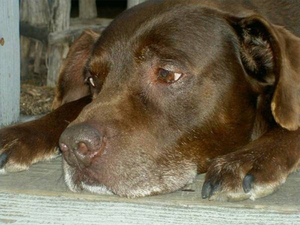 Do not allow your pet to become hypothermic.
Cystitis in dogs is curableThe most important thing is to see a doctor immediately at the first sign of illness, so they can prescribe the appropriate treatment. By following all the specialist's recommendations and paying extra attention to your pet during illness, you will ease their suffering and ensure a favorable prognosis.