 An owner can make their pet's life carefree and comfortable by providing them with delicious food and good care. However, even the most loving care can't prevent certain health problems. That's why, if an owner notices their cat is struggling to urinate, they should take them to the veterinarian immediately.
Content
The danger of difficulty urinating
No matter what the exact reason is for your cat to develop this problem, it's important to always remember that emptying the bladder is a natural process. If suddenly he won't be able to pee for a long time, the body will become poisoned by the breakdown products of the urine. This will lead to tragic consequences and severe suffering for the cat. This problem will not resolve on its own, so a consultation with a doctor is essential.
By the way, some symptoms indicate early problems with the genitourinary system:
- Bloating in cats;
- Blood in the urine;
- Excessive frequent trips to the toilet to pee.
Causes of bowel problems in cats
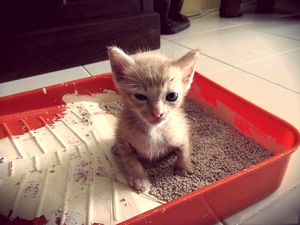 If you notice that your beloved cat hasn't gone to the litter box for a long time, you need to determine the reasons for this strange behavior. The nature of such difficulties is also of great importanceThere's too little urine in the litter box, or no urine at all. These symptoms should be reported to a specialist during your cat's examination. Most often, a cat's inability to urinate is due to various illnesses.
Urolithiasis
This condition causes salt or sand to accumulate in the urinary tract, which impacts the bladder. As a result, the pet is unable to urinate. The most dangerous situation occurs when the duct becomes completely clogged with foreign bodies. All of this may lead to rupture of internal organs, which can lead to bleeding and death. Overweight cats with a sedentary lifestyle are especially susceptible to developing urolithiasis.
Kidney disease
When this organ works incorrectly and poorly processes liquid difficulties with emptying the bladder appear.
Cystitis
As a rule, with the standard course of this disease, the cat simply urinates frequently. But since their urethral canal has a special structure Urination may stop altogether. When cats become too cold, their urinary tract swells and becomes inflamed, which impairs urination.
Congenital abnormalities of the excretory tract
Such problems occur in rare cases. Moreover, signs of the disease may appear in a domestic cat only in adulthood.
Overexcitation in uncastrated animals
Sometimes difficulty urinating is caused by increased arousal. In this state Pets may experience enlargement of the sex glands, leading to blockage of the urethra. Sometimes, due to overstimulation, a plug of discharge appears in the urethral canal.
In addition, problems with urination can be caused by a lack of water in the cat’s diet.
The main signs of the onset of the disease
 With such ailments, a cat will become restless, exhibit strange behavior, and meow. Furthermore, it will constantly hover near the litter box, and when going to the bathroom, it will press itself against the edge of the box to help its bladder empty. If your cat is having problems urinating normallyShe experiences a burning sensation and pain. However, only a specialist can determine the cause of the painful bowel movements.
There is an opinion that cats spayed as young children are most susceptible to urolithiasis. Moreover, if the pet is still has kidney problems, he may have no urge to urinate at all. In some situations, even veterinarians have difficulty identifying the early signs of kidney stones or sand.
Self-diagnosis
If you suspect urinary tract problems in your beloved pet, you should provide first aid. If your cat has stopped urinating and you can't visit a veterinarian, you should examine the animal yourself. to determine the degree of fullness of the bladderTo do this, stand your furry pet upright and clasp him with both hands. Then, gently palpate the bladder along a line perpendicular to the testicles. If the inflammation is severe, the cat will not allow this, and you should take him to the vet immediately.
If you were able to examine the bladder, assess its size and note how firm it is. Normally, this organ is about the size of a walnut and soft to the touch. Enlarged and hard bladder This indicates serious problems, so don't waste your precious time; it's best to take your pet to the vet. To help alleviate your furry friend's discomfort, you can also apply a heating pad to the abdomen and perineum.
How to help a cat when it can't go to the toilet?
Never massage your cat's belly if this condition occurs, as this can only make the situation worse. In the clinic, first aid consists of inserting a catheter To drain fluid from the body. This procedure is very painful and should only be performed by a qualified physician. Sometimes this procedure is performed under general anesthesia.
During catheterization, antiseptics are used to flush the bladder. This procedure should not be performed too frequently, as it also leads to swelling of the urinary tract. The doctor will determine the cause of the difficulty urinating and prescribe appropriate treatment.
Cats are usually given painkillers and herbal infusions. Rose hips, lavender, plantain, horsetail, and lingonberry are helpful for such problems. Sometimes a hot bath helpsThe pet is immersed in water up to the heart area for 10 minutes. If the pet is unable to urinate, boiled pumpkin and strawberry juice are also prescribed, one dessert spoon at a time.
Anti-inflammatory medications are prescribed for all kinds of inflammation. Even after results are achieved, they must be continued. Your pet's diet should include Be sure to give him vitamins, and in the spring you can give him nettlesIn addition, the cat is prescribed active play and frequent walks. Most urinary tract diseases are chronic, so it is advisable to take herbs over a long period of time, and repeat the treatment regularly.
A kidney infusion is excellent for removing sand from the body. It's available at any pharmacy, but it's best to consult a specialist. You can regularly give your cat a decoction of black currant, parsley, birch leaves, and bearberry. This treatment should be continued for at least a month.
Diet for difficulty urinating
For an animal prone to urolithiasis, a corrective diet must be developed. Its diet should be rich in glutamic acid and vitamins A and B6. The following foods should be excluded from the diet:
 Pork, as it is a very fatty meat, which leads to thickening of urine;
- You cannot give milk, as it contains a lot of magnesium, which will further impede the flow of urine;
- It is forbidden to add salt to food;
- Raw meat is also not recommended;
- You should avoid eating fish, because the phosphorus it contains is deposited as excess mineral in the bladder, leading to the formation of stones.
 Pork, as it is a very fatty meat, which leads to thickening of urine;
In general, it is better to give such an animal a balanced food, specially developed for cats with such problems.
How to avoid diseases of the genitourinary system?
It is important to understand that once you have acquired such an illness, you will not be able to get rid of it completely. Only preventative measures and regular veterinary examinations will help your cat lead a comfortable life. To prevent urinary difficulties, follow these tips:
- Keep your cat up to date on vaccinations to reduce the risk of various diseases. This will reduce the risk of microorganisms entering its body.
- Avoid allowing your pet to become too cold. Avoid allowing your pet to lie on concrete or cold floors.
- Cats should be given water as often as possible, as large amounts of liquid flush out their bladder. The water should be clean and fresh.
- To prevent recurrence of urogenital inflammation, it's important to plan your diet properly. It's important to completely eliminate prohibited foods.
- You should play with your cat more often. Additionally, your cat should get at least 30 minutes of exercise a day. Exercise can help prevent many illnesses.
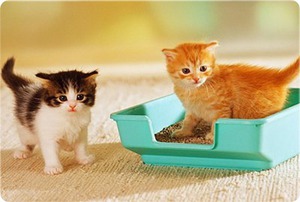 Cats should be given water as often as possible, as large amounts of liquid flush out their bladder. The water should be clean and fresh.
And remember that giving medications and treating ailments that lead to difficulty urinating in your beloved pet is put his health and even life at riskIf such problems arise, seek professional help as soon as possible. Also, don't forget to keep your cat vaccinated.