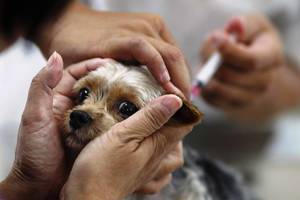
Dogs are vaccinated to prevent many diseases. After vaccination, it's important to pay special attention to the puppy's physical condition. Some dogs tolerate vaccinations well, while others may refuse food or become lethargic. Which symptoms are dangerous, and which are not?
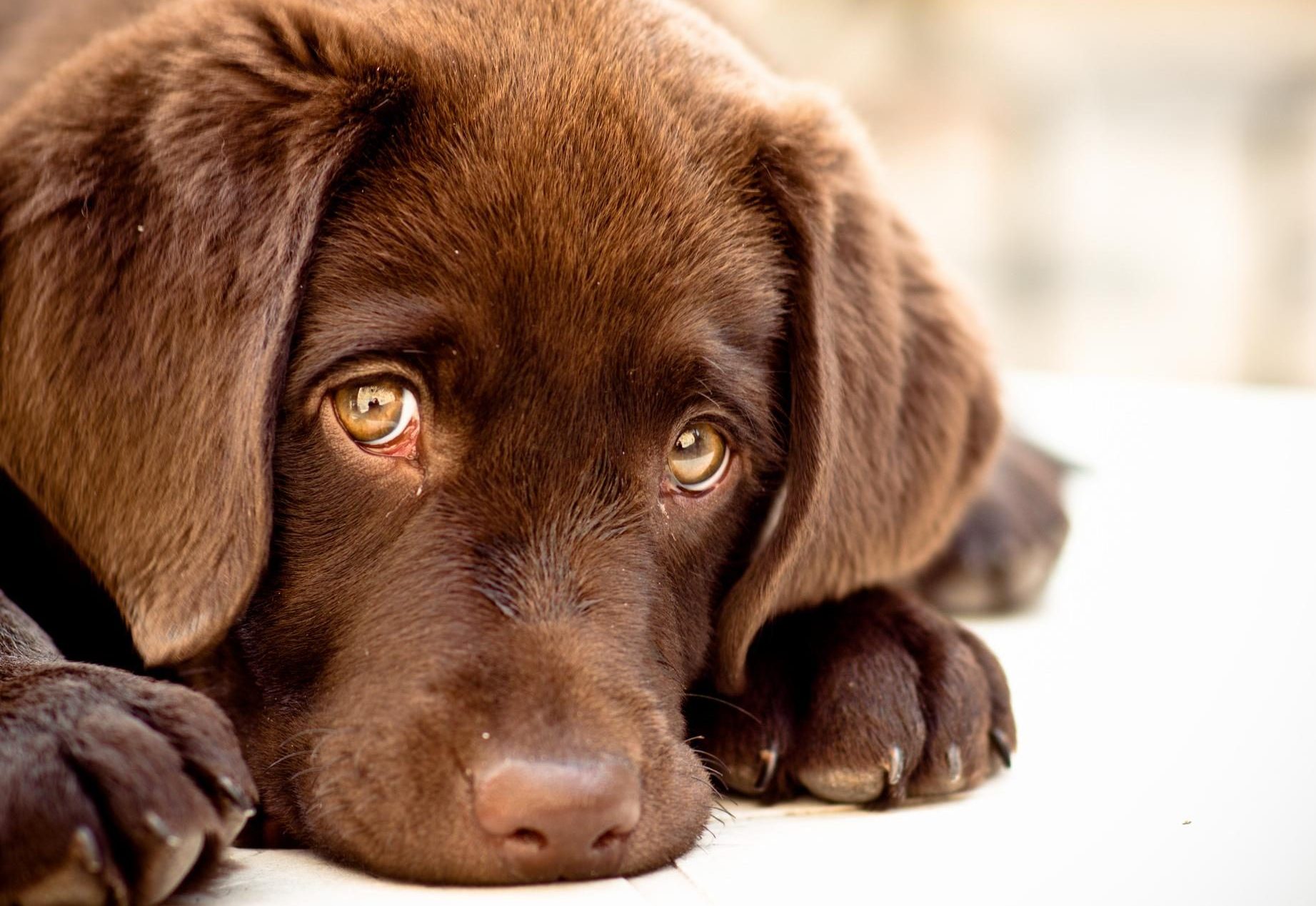
Refusal to eat
One of the most common and safe reactions to vaccination is refusal to eat. This is nothing to worry about. A one-time refusal to eat immediately after a vaccination is a natural reaction for dogs. Appetite may return and a return to normal eating habits may occur the following day. If your dog hasn't eaten for more than 12 hours, try feeding them their favorite food or a treat. If your puppy refuses a treat for more than 24 hours, consult your veterinarian. An adult dog can go longer without food without any harm. Make sure your dog has constant access to water, as their need for water increases after vaccination.
Lethargy
After vaccination, your dog may become lethargic. This is due to the body's initial production of new antibodies. This lethargy may persist for three to four days. A fever of up to 102.5 degrees Fahrenheit (39.5 degrees Celsius) may occur. Monitor your pet closely: the temperature should stabilize within two to three days. If it is higher than this or persists for a longer period, consult a veterinarian.
Barking
A dog may bark or whine due to pain at the injection site. Check the injection site for inflammation or a lump. If there is a lump, massage the injection site. If the inflammation increases, the swelling persists, or the animal refuses to allow the painful area to be touched, consult a veterinarian: there have been isolated cases of injection site lumpiness leading to benign tumors. The condition usually returns to normal within four to five days.
Indigestion
Another common side effect of vaccination is an upset stomach. A one-time episode of diarrhea followed by stool stabilization is completely normal and does not require further intervention from the owner. A one-time episode of vomiting is also possible. If the problem persists, place your pet on a fasting diet for 12-20 hours. You can also give them therapeutic food, probiotics, or digestive enzymes. Never restrict access to clean drinking water. Dehydration is extremely dangerous even for adult dogs, and even more so for puppies. If the stomach upset persists, the stool becomes very loose, or the dog becomes increasingly lethargic, seek immediate medical attention. These symptoms may indicate an infection due to the use of a low-quality vaccine or an intolerance to its components.
Despite possible complications after vaccination, disease prevention in pets is very important. It's better for a dog to endure some stress during vaccination than to contract a dangerous infection and require lengthy treatment. Most dogs tolerate vaccination well and develop lasting immunity to infectious diseases.