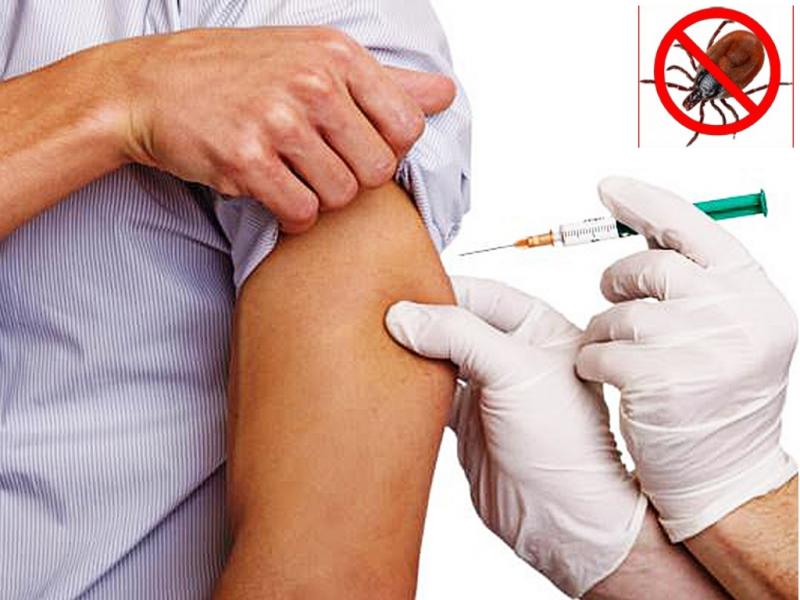
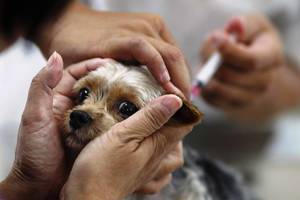
 When a dog comes into the home, it's a joyful moment for every family member. Everyone enthusiastically cares for and engages with their pet, creating the conditions for its growth and development, but few consider the series of vaccinations it requires. Why does a puppy need vaccinations? The answer is simple: a puppy, like any child, is at risk of illness; its immune system is not yet fully developed and requires support. All important vaccinations are given to puppies before they turn one year old. The list of vaccinations is short, but each one is important.
What vaccinations does a puppy need?
Every puppy can get sick. the main "canine" diseases:
- Distemper (or distemper) is a deadly disease. Puppies can become infected through airborne droplets. When infected, dogs experience bouts of fever, red eyes, and refusal to eat. Vaccination is essential to prevent the disease.
- Rabies is a disease that can be transmitted from a puppy to its owner. A puppy with rabies becomes anxious, restless, sleepless, develops a fever, and develops a fear of water. As the disease progresses, symptoms intensify, eventually leading to paralysis of the legs, and ultimately, death. Prevention through vaccination is essential.
- Leptospirosis most often affects the kidneys or liver of dogs. Symptoms include fever, diarrhea, and death. Vaccination is necessary as a preventative measure.
- Parvovirus gastroenteritis - an infected dog becomes completely dehydrated, an unvaccinated puppy can die, but timely vaccination is a good way to fight the disease.
- Coronavirus is a disease that causes diarrhea and vomiting in dogs and is transmitted from one animal to another. Vaccination is recommended for prevention.
- Canine parainfluenza—coughing and sneezing—are classic symptoms of this disease, and are not dangerous to the dog's health if vaccinations are given on time and treatment is started.
- Lyme disease is dangerous for animals due to impaired coordination and, without proper vaccination, can progress and permanently immobilize a puppy. It is transmitted by infected ticks.
This incomplete list of diseasesThere are many diseases that a puppy can be exposed to, but each disease has its own vaccine. To avoid frequent veterinary visits, scientists have developed a comprehensive vaccine. It contains antibodies against all common diseases. The advantage of this vaccine is that it replaces several injections and is less expensive.
How and how many vaccinations should be given?
 To get vaccinated, you need to contact a veterinarian. Before you vaccinate your puppy, you need to prepare it for it. This is very simple - just give it a medicine that will cleanse the body of wormsThis step is crucial and should be done two weeks before vaccination, even if the owners believe their pet is worm-free. Furthermore, before vaccination, the dog should be observed for a period of time to check for any loss of appetite or decreased activity. If any of these symptoms are present, a consultation with a veterinarian is necessary.
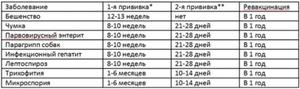
The exact number of vaccines and the specific vaccines needed for a dog under one year of age can be found in the table below:
| age of the dog | type of vaccine |
| 2 months | complex vaccination or on the advice of a veterinarian |
| 3 months | revaccination |
| period from 6 to 8 months* | rabies vaccination; complex |
| 12 months | preventive complex vaccination |
* It is important to note that you can vaccinate a puppy only if it already has a complete change of teeth occurredUntil this happens, vaccination is not recommended.
When you visit your vet, you can learn more about the specific vaccines the clinic offers. Differences can occur in manufacturers, ingredients, and prices. Doctors are always available to help you choose the right vaccine. It's worth noting that additional vaccinations are recommended for every dog, and these vary depending on the breed. The veterinarian administering the vaccinations will explain the specific vaccines, how many are needed, and the cost.
Once the dog is ready for the procedure, its temperature has been taken, it has been examined, the necessary vaccinations have been selected, and all that remains is to administer them. There are several sites for this, most commonly the thigh or the scruff of the neck.
After the vaccine is administered, its composition vaccinations must be recorded in the passportThis should be done by the doctor or their assistant, and it's important to ensure the date is included. This will help the pet owner keep track of the time for the next appointment.
Throughout the pet's life, it needs to receive booster vaccinations, each administered once every 12 months.
What happens after vaccination?
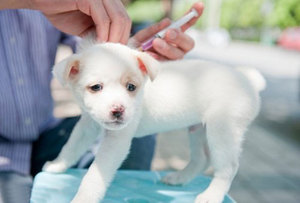 Once all the necessary injections have been administered, the puppy needs rest. It's not recommended to take it for walks for 10-13 days to prevent infection, as this is the period during which the antibodies from the vaccine build up the pet's immune system. Bathing should also be avoided, as temperature fluctuations can negatively impact a vaccine-weakened immune system. The puppy's behavior may vary., a short-term increase in temperature or lethargy is possible, but all this goes away within a few days.
If your dog's condition worsens, it's likely they became ill during or after vaccination. Symptoms include:
- dyspnea;
- non-decreasing temperature;
- drowsiness occurs.
All this suggests that it is necessary See a doctor immediatelyto understand the cause and, if necessary, give injections.
Vaccinating puppies in their first year of life will ensure their healthy development and protect both the puppy and its owner from stress and anxiety. A pet vaccinated on time will be a joy to be around, and vaccinations are less expensive than treating any illness.