A beloved dog's sudden illness is a devastating blow to its owner. They begin searching for ways to ease the animal's suffering, asking friends for advice, who suggest the "sure thing"—antibiotics. Instead of visiting a veterinarian, the worried owner rummages through the medicine cabinet. This article explains why this is unwise and the risks of treating a dog with "human" antibiotics on their own.
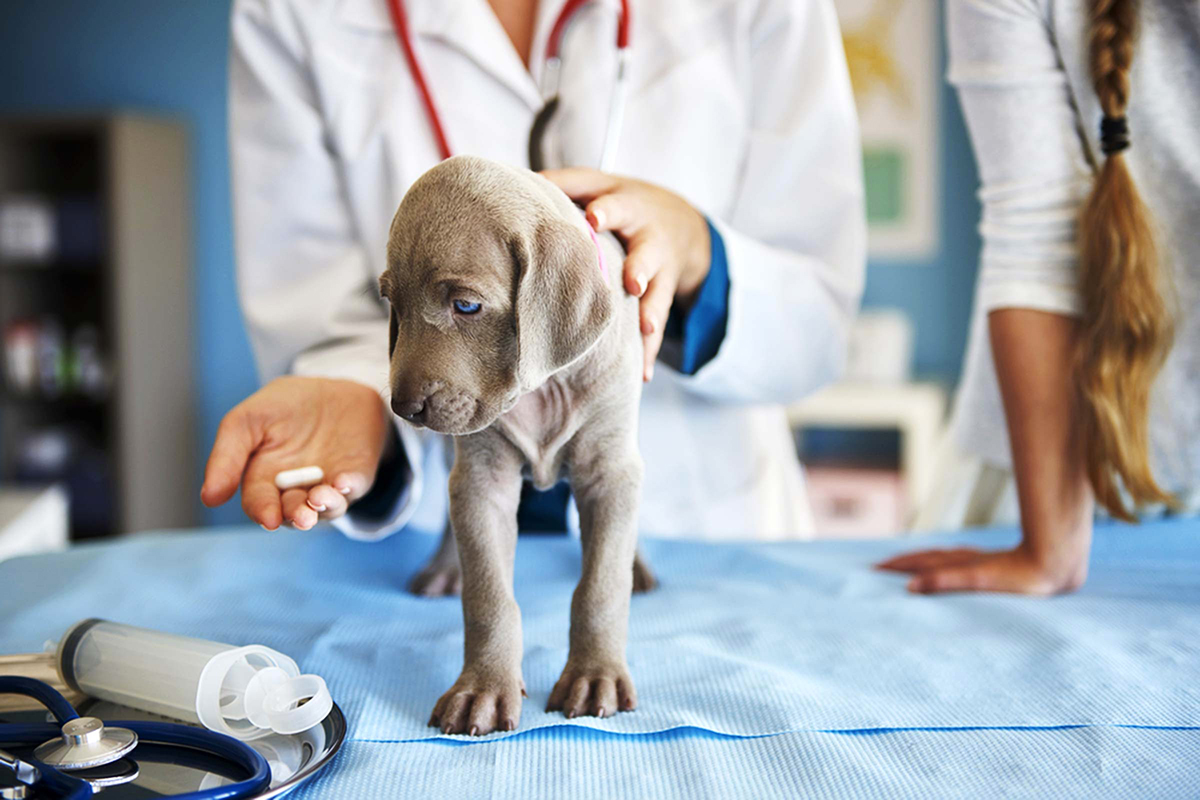
Why you should never treat a dog with human medications
First, every owner should understand that giving any medication to a sick animal without a veterinarian's prescription is strictly prohibited. This especially applies to antimicrobials intended for humans.
The concentration of the active ingredient in "human" antibiotics is an order of magnitude higher than in veterinary medications. Different technologies are used in the industrial production of medications for humans and animals. Therefore, trying to treat a dog with antibiotics on their own can only harm the dog. Incorrect dosage can lead to dire consequences, ranging from poisoning to deafness or even death.
There are several groups of antibiotics, each targeting specific infections. Therefore, it's up to the veterinarian, not the dog owner, to identify the disease and determine the appropriate treatment.
What antibiotics should be used to treat dogs?
Groups of antibacterial agents are similar in structure and purpose in both human and veterinary medicine. The only differences are in dosage and production methods.
The following groups of antibiotics are used to treat dogs:
- penicillins, including semi-synthetic ones (Ampicillin, Amoxicillin, Amoxiclav, etc.);
- cephalosporins, which are divided into four generations and are effective against gram-negative bacteria;
- macrolides, they are usually used for diseases of the respiratory system (Erythromycin, Azithromycin, Macropen, etc.);
- carbapenems – most often used against staphylococci (Meropenem, Meronem, Imipenem, etc.);
- tetracyclines – indicated for cystitis and borreliosis in dogs (Tetracycline, Terramycin, Biomycin, Doxycycline, etc.);
- aminoglycosides – effective against gram-negative flora, but have high toxicity, therefore they are used strictly according to indications (Gentamicin, Kanamycin, etc.);
- chloramphenicol – prescribed for diseases of the gastrointestinal tract;
- fluoroquinolones – used in the treatment of cystitis, gastrointestinal infections, severe forms of pneumonia (Ofloxacin, Ciprofloxacin, etc.);
- Fungicides – needed to combat pathogenic fungi (Nystatin, Levorin, etc.).
There is also a group of anti-tuberculosis drugs that are very helpful for people, but can be deadly for dogs.
Antibiotics for pets, like those for humans, can be bacteriostatic or bactericidal. Bacteriostatic medications inhibit bacterial growth, while bactericidal medications kill pathogens.
If for some reason the cause of the infection cannot be immediately identified, the dog is prescribed broad-spectrum antibiotics. These medications combat multiple pathogens simultaneously.
How many days can you give a dog antibiotics?
Antibacterial medications are administered to animals strictly according to the instructions and as prescribed by a veterinarian. Treatment can last up to two weeks. It is important to strictly follow the specialist's recommendations regarding dosage and duration of treatment. Even if the animal shows signs of recovery, antibiotic treatment should not be discontinued prematurely.
At the first sign of illness in your dog, you should immediately contact a veterinarian. There, your pet will undergo tests, an examination, and appropriate treatment. Remember that attempting to alleviate your pet's suffering with human medications can result in tragedy.