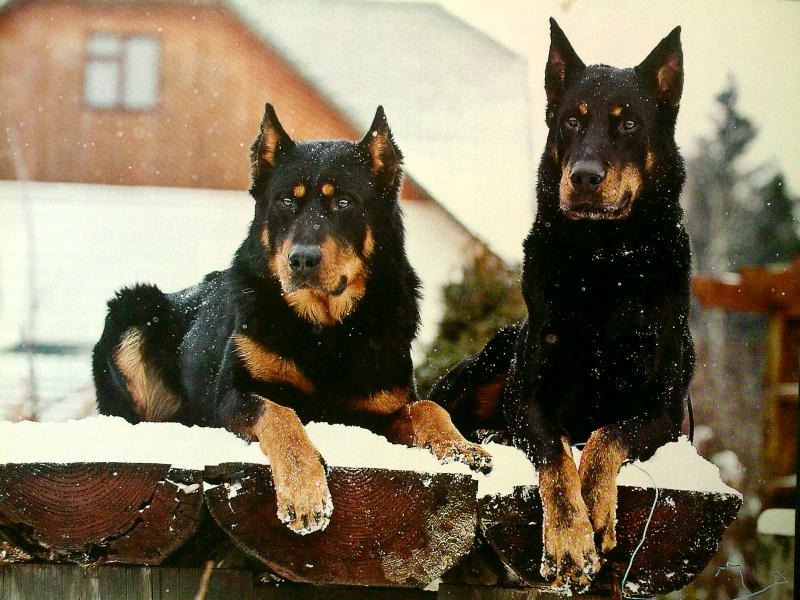
Dogs have become friends and favorites of many famous people. And they even provide inspiration to writers.
Anton Chekhov
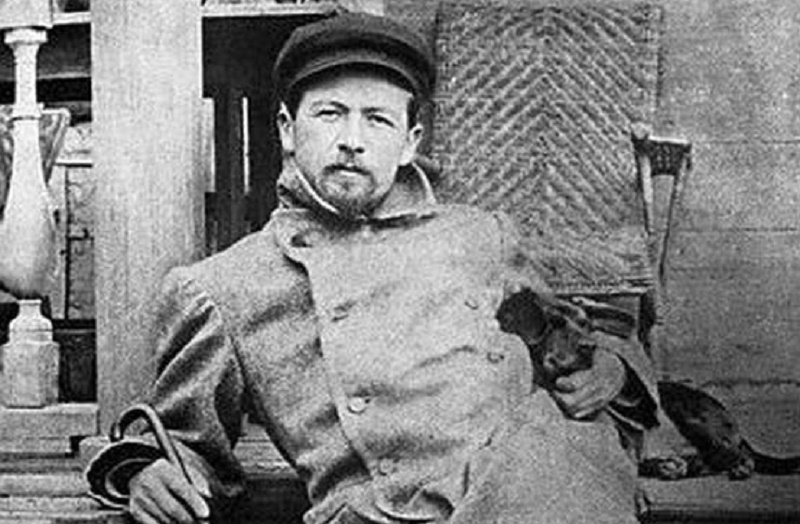
Dogs were Chekhov's love. Readers can encounter them in many of his works: "Kashtanka," "The Cherry Orchard," "Vanka," "Chameleon," and "The Lady with the Dog."
Dogs were present not only in his stories but also in his real life. Anton Pavlovich loved both purebred animals and mongrels. He even coined a noble nickname for the latter: "nobles."
But the writer's favorite pet was dachshunds. He had two of this breed in Melikhovo. They bore medical names, complete with patronymics: Brom Isaevich and Khina Markovna. Anton Pavlovich loved to engage in conversations with them, which later found their way into his works.
Agatha Christie
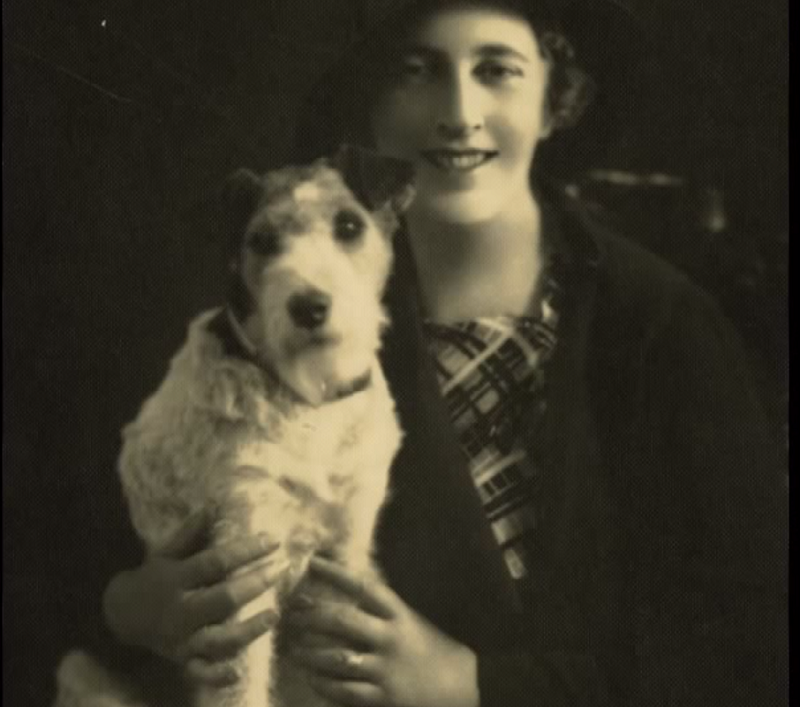
Agatha got her dog Tony when she was five years old. Her love for these animals only grew stronger from then on. This is evidenced by the dedication to Peter the terrier that prefaces the novel "Silent Witness." This same dog also became the prototype for the novel's protagonist. The prologue to this novel is called "Above All, a Dog." In it, the heroine cannot part with her four-legged friend, even in the face of starvation.
Vladimir Mayakovsky
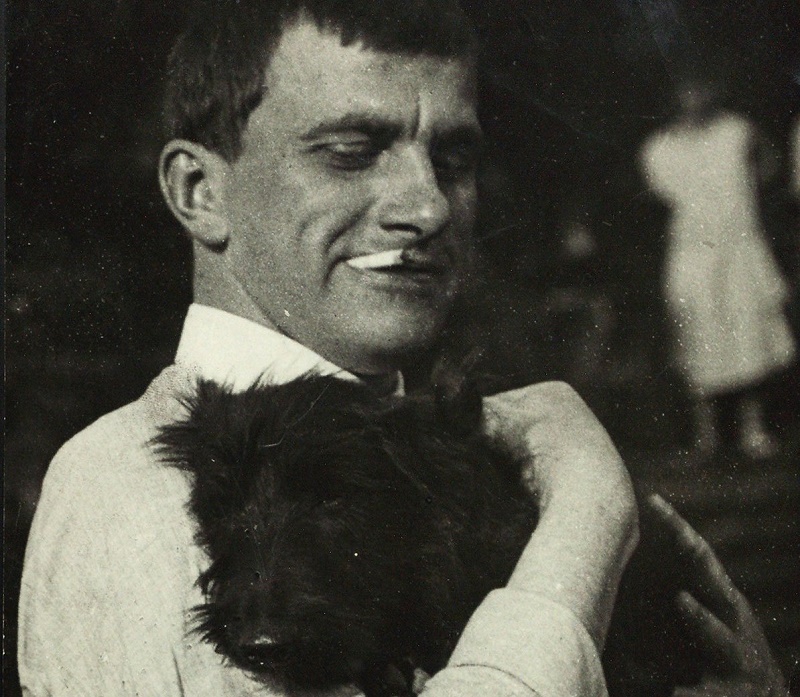
Dogs played a significant role in Mayakovsky's life and work. Vladimir Vladimirovich even had a nickname, "Puppy." And it wasn't just his booming, staccato, barking-like verses. Like his dog, the poet was devoted and selfless to those he loved. His main muse, Lilya Brik, knew this very well. It's no coincidence that she titled her book of memoirs about Mayakovsky "Puppy."
One of his pets, whom he picked up on the street, had the same nickname. Mayakovsky often petted stray mongrels. In his poems, he even mentions being willing to give them his own liver when they were hungry.
Another of the poet's dogs, the bulldog Bulka, was with Mayakovsky until his very last hour.
Alexander Kuprin
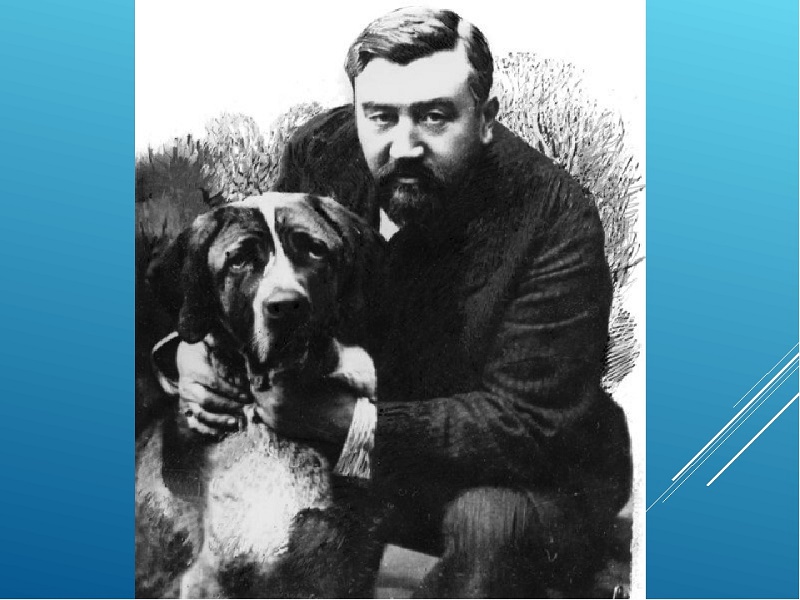
Kuprin called animals his four-legged masters, and among them, he especially favored dogs. And for good reason. Once, Alexander Ivanovich's favorite dog, Sapsan, risked his life to save the writer's daughter from a rabid dog. Later, Kuprin would write a story from Sapsan's perspective, expressing his canine (and thus his own) thoughts on people, animals, events, and much more. Thus, the enormous Medevac dog, who posed with the writer in many photographs, would forever become a part of world literature.
Dogs appear in many of Kuprin's works: "The White Poodle," "The Pirate," "A Dog's Happiness," "Barbos and Zhulka," "Zavirayka," and others.
Françoise Sagan
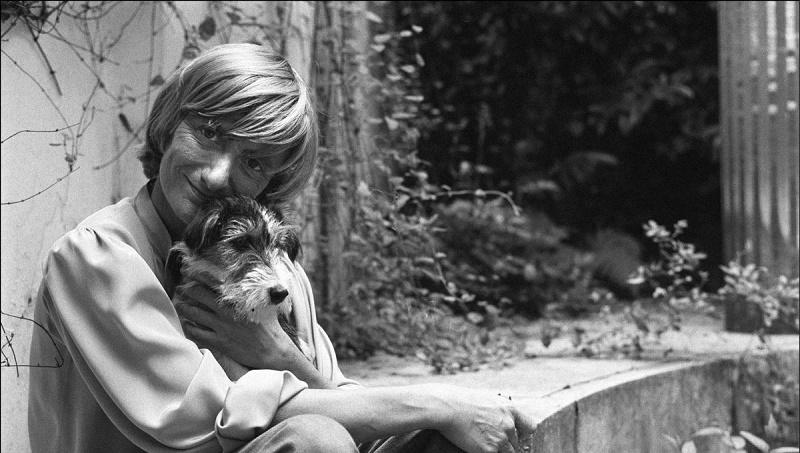
Dogs have been a part of Françoise Sagan's life since childhood. Her father's estate housed a dachshund whose hind legs became paralyzed in old age. Instead of abandoning the animal, a wheelchair was constructed for it—a cart—which it used to move its damaged limbs. Françoise Sagan's reverent attitude toward dogs remained with her forever. She even admitted that the dog's eyes were more sincere than those of a lover.
The writer had a German shepherd named Werder for a long time. Despite his menacing appearance, the dog was more affectionate than a cat. But when Werder became seriously ill, Françoise had to endure his suffering. She took this separation very hard.
In the last years of her life, the writer was also surrounded by dogs. She personally cooked food for them four times a day. They also relieved her of the unbearable feeling of loneliness that haunted the Frenchwoman throughout her life and spilled out onto the pages of her novels.
Stanislav Lem
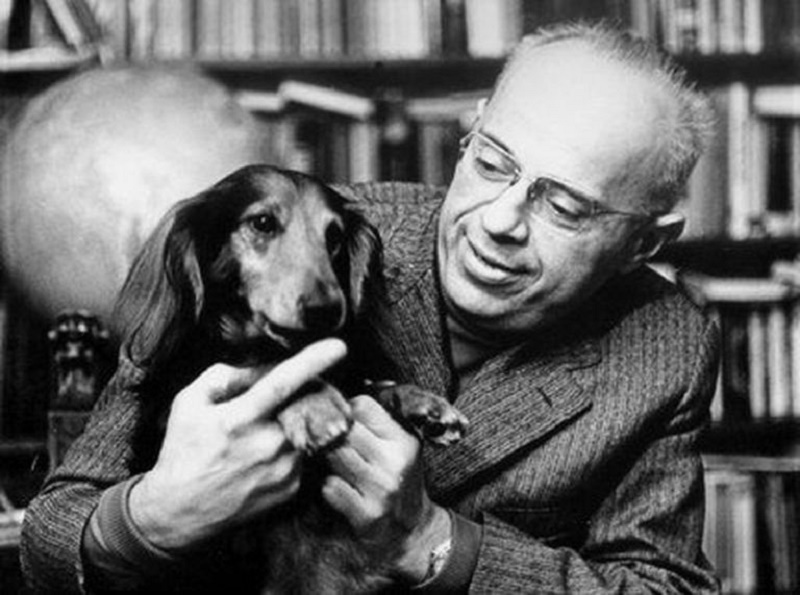
A Polish science fiction writer had a dog named Bartek. He was a huge male, weighing 34 kg at eight months. Despite his impressive size, Bartek was a very kind creature. He was affectionate with his owner and licked all strangers.
Lem was very fond of large, wolf-like dogs. Before Bartek, the writer had an Alsatian shepherd. These large, loyal companions gave Lem, a Holocaust survivor, a sense of security.
Walter Scott
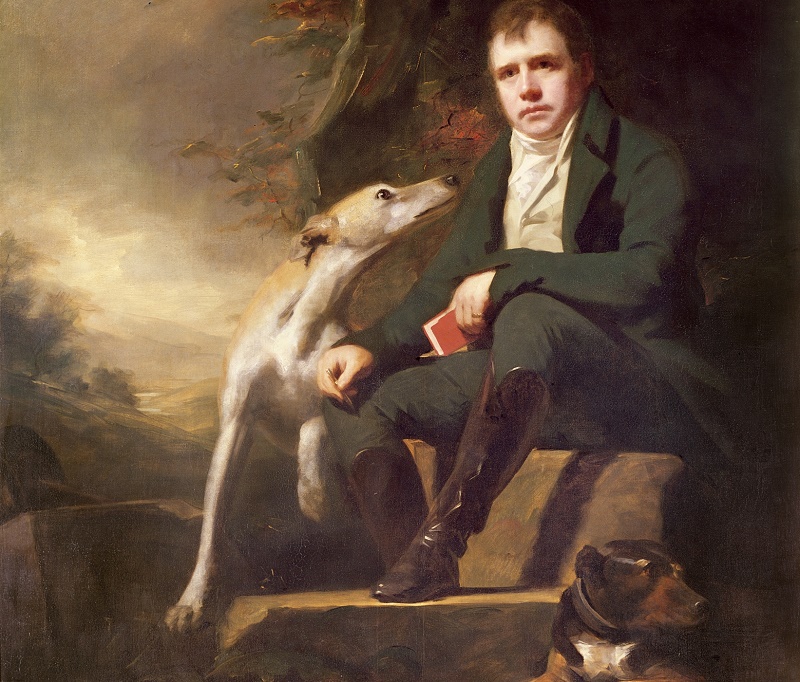
Walter Scott was a renowned dog breeder. One breed was even named after the hero of his novel "Guy Mannering"—the Dandie Dinmont.
The writer's four-legged friends were given free rein in his home. They would wander into his study at any time and jump out the windows. The novelist had dogs of various breeds: greyhounds Douglas and Percy, as well as Dandie Dinmont terriers. The writer named them after his favorite condiments: Mustard, Ketchup, and Pepper.
Due to his lameness, Walter Scott traveled mostly on horseback. On his travels, he was always accompanied by his deerhound, Maida, who resembled a large Great Dane. The dog is buried beneath his sculpture at the entrance to the writer's home.
On a monument in Edinburgh, Walter Scott is depicted with Maida, who rested his head on his master's lap.
Mikhail Prishvin
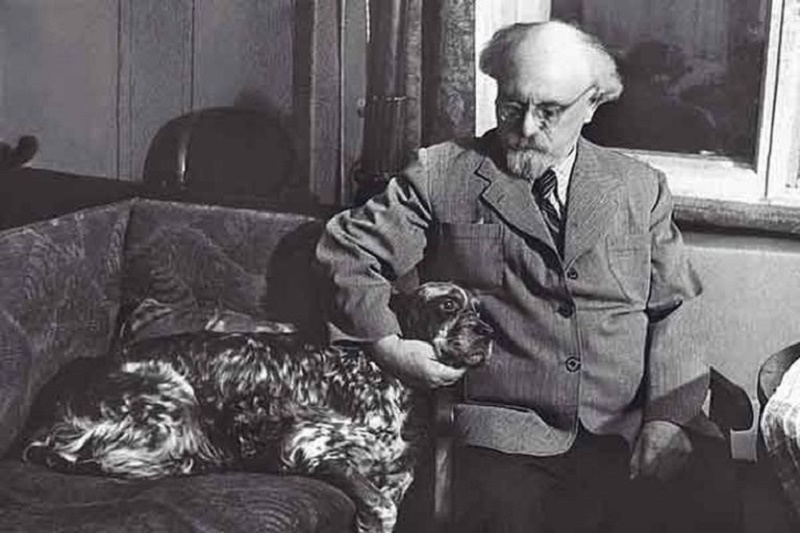
Prishvin kept hunting dogs, being an avid hunter. A German pointer named Nerl featured in his story "Training Nerl." But hunting with this dog wasn't particularly successful. However, a setter named Zhalka fully lived up to her owner's expectations.
The theme of hunting with dogs is evident in many of the author's works. Much of it is based on Mikhail Mikhailovich's personal experiences. Thus, all the dogs that lived with Prishvin (Laikas, pointers, gundogs, setters, spaniels) gave him not only the joy of companionship but also inspiration for his creative work.
Stephen King
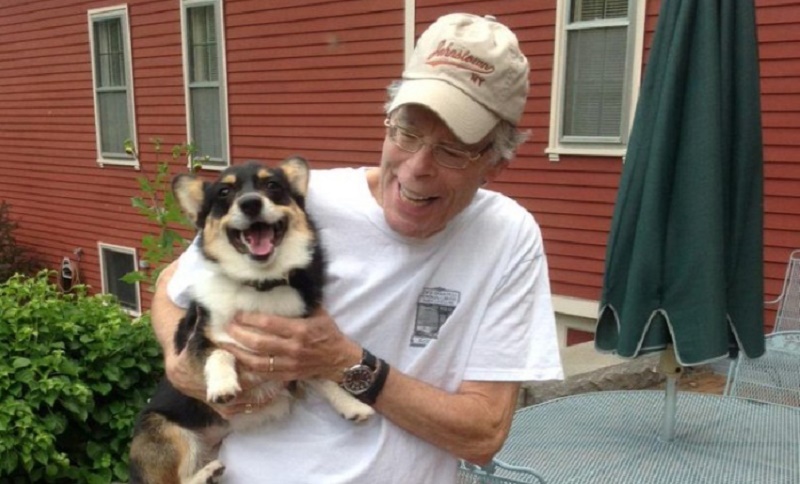
The King of the Horror World calls his pet Molly "the Spawn of Evil." This Pembroke Welsh Corgi, according to the writer, wants to take over the world. Dogs of this breed often appear in the pages of King's novels.
Molly is a long-lived woman, already 30 years old. Stephen King often poses for photos wearing a T-shirt with her portrait, joking that Molly told him to do so.
Among world literary authors, the love for their dogs is so profound that it's reflected in their works. These four-legged friends not only inspired their owners but also often served as inspiration for characters in international bestsellers.