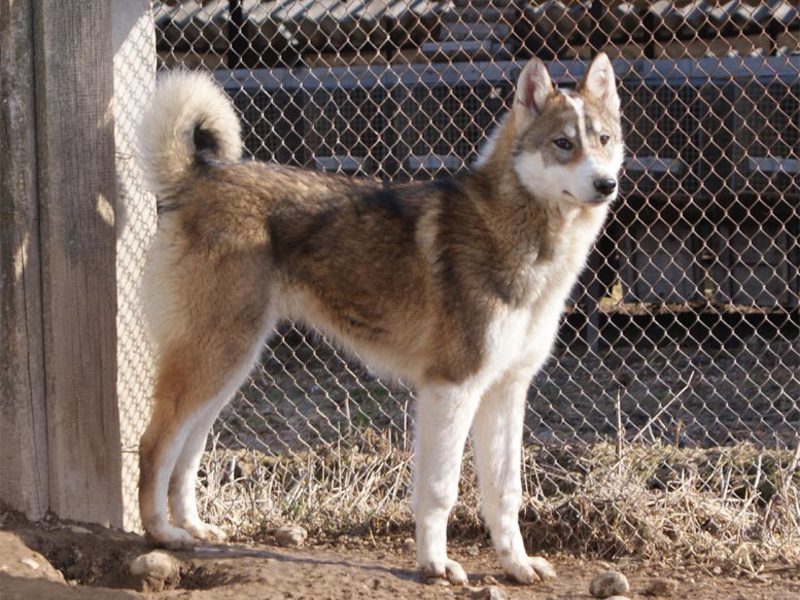
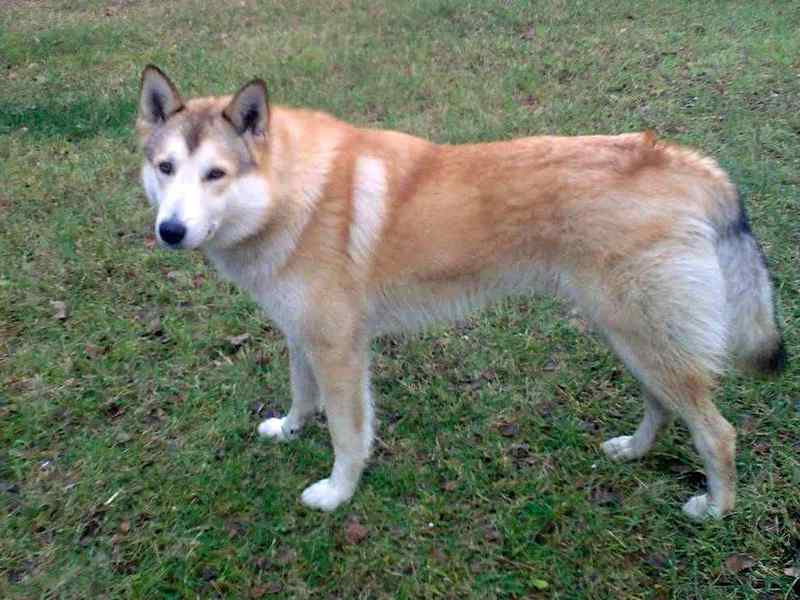
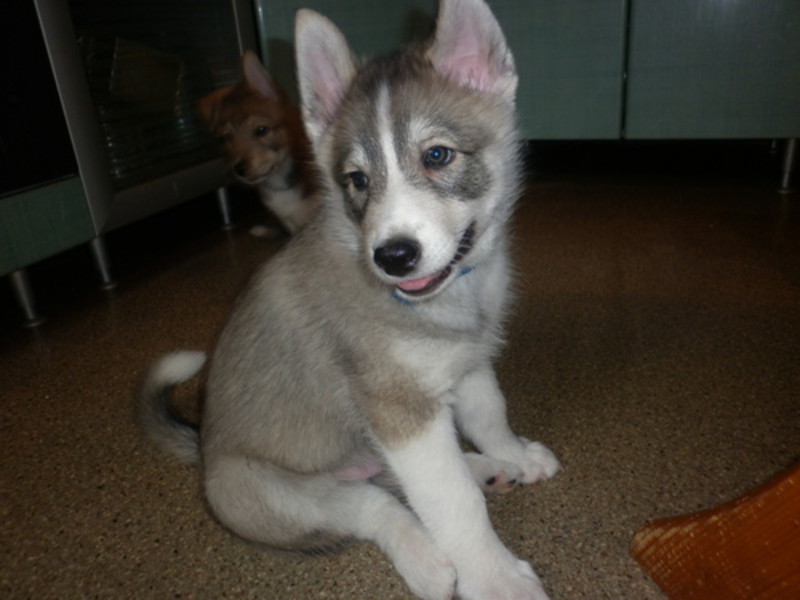
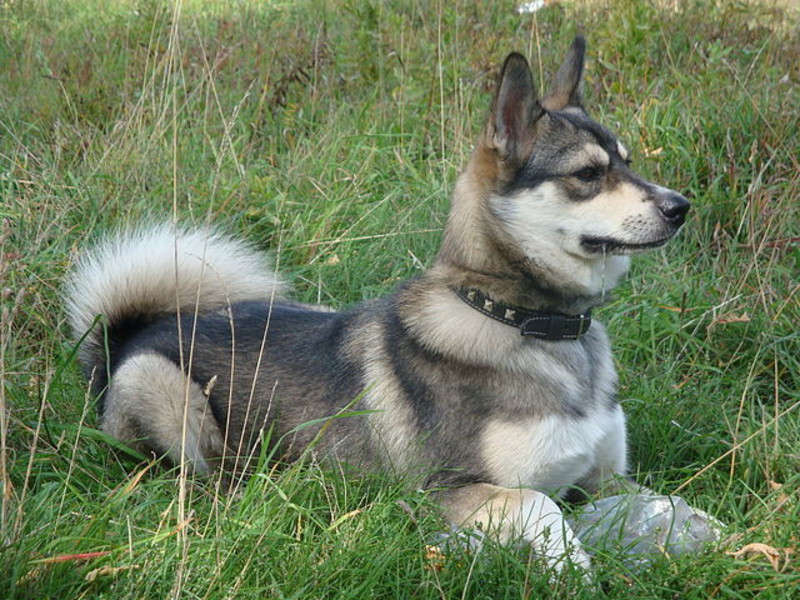
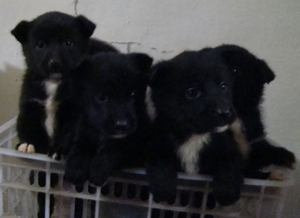
 The East Siberian Laika is familiar to many experienced hunters, as this breed possesses the necessary qualities for hunting large game and game animals. Today, there are only a few East Siberian Laikas left in the world, and scientists have incomplete information about them. However, many are familiar with the virtues of these animals, which are distinguished by their good-natured nature, endurance, and love of hunting.
Content
Story
The first representatives of this breed appeared in the nineteenth century. They became the result of crossing dogs of the Evenki and Tungus groupsThey began to be bred in captivity at the Irkutsk East Siberian Laika Kennel. Information about dogs of this breed is found in the works of Prince A. A. Shirinsky-Shakhmatov (1895) and gamekeeper Abramov. They describe four Laika breeds, including the East Siberian Laika.
These dogs didn't take long to attract the interest of hunting enthusiasts. Laikas experienced a new peak in popularity in the second half of the 20th century. The breed's popularity was further boosted by the fact that, as early as 1980, they were officially recognized by the Fédération Cynologique Internationale. Since then, tournaments have been frequently held in our country, featuring competitions between Laikas and wild boar, bears, and fur-bearing animal hunts.
Although this breed has been known for quite some time, scientists still don't have complete data on these animals. At dog shows held in our country, Laikas are represented very sparsely, comprising between 3 and 10 groups. According to 2002 data, in Russia there were 40 puppies of this breedThe reason for this is simple: many owners have a poor understanding of what East Siberian Laikas look like, so they often mistake them for a Western breed.
General appearance
To avoid such confusion, you need to know, by what external signs You can tell these dogs apart.
 The animals have a fairly large build: males are approximately 70 cm tall at the withers, and females are 65 cm tall at the withers.
- These dogs have a strong body, which allows them to remain very active.
- The average weight is 20-25 kg.
- The withers are located slightly elevated above the sacrum.
- East Siberian Laikas have a taut, wide chest.
- A distinctive feature is the presence of good muscles, strong bones and elastic skin.
- The head is wedge-shaped, the skull is wide.
- The bite has an unusual shape, reminiscent of scissors, and the teeth are strong.
- The eyes are medium-sized, oval, and slanted. Eye color varies widely, and can range from various shades of brown.
- The ears are triangular and erect.
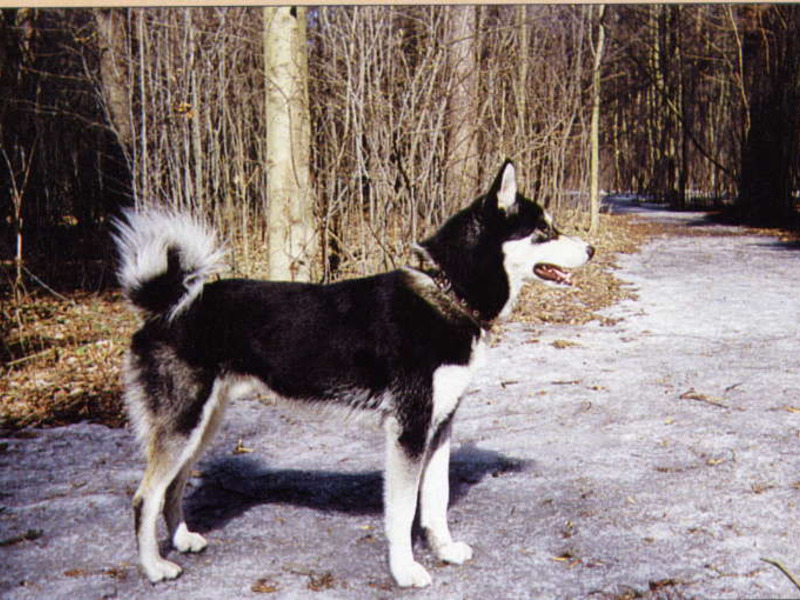
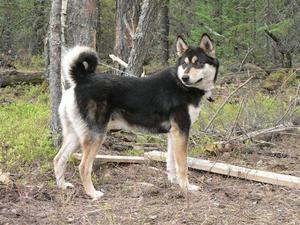
- The tail is ringed and located on the back, thigh or below.
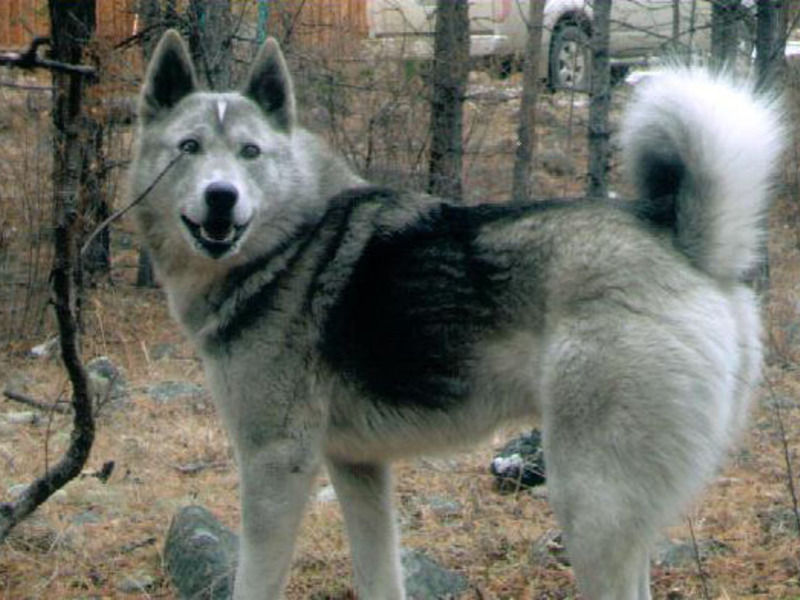
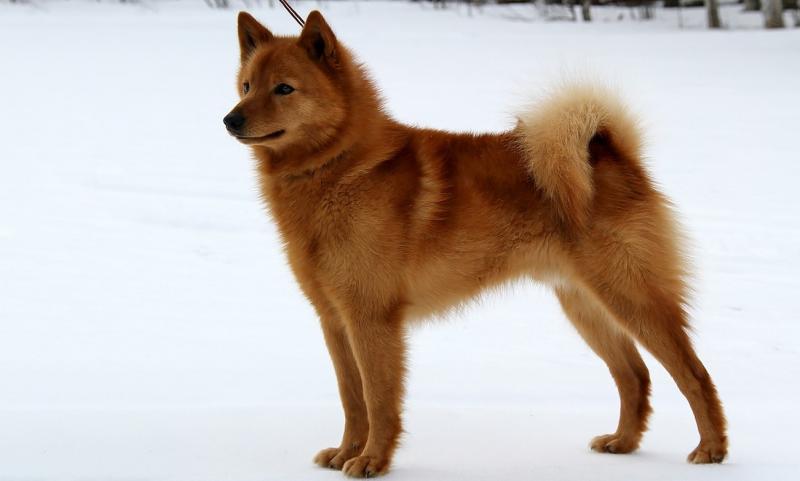
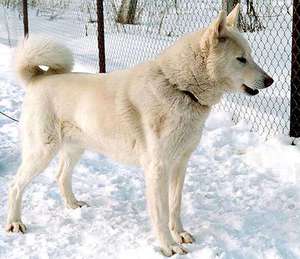
- Representatives of this breed have long, thick fur, which becomes slightly longer and thicker on the chest and neck. Males also have long fur on their withers. Their paws are covered with bristles, which allow them to move at increased speed on ice. Their head and ears are covered with shiny, short fur. A distinctive feature of the breed is its thick, dense undercoat.
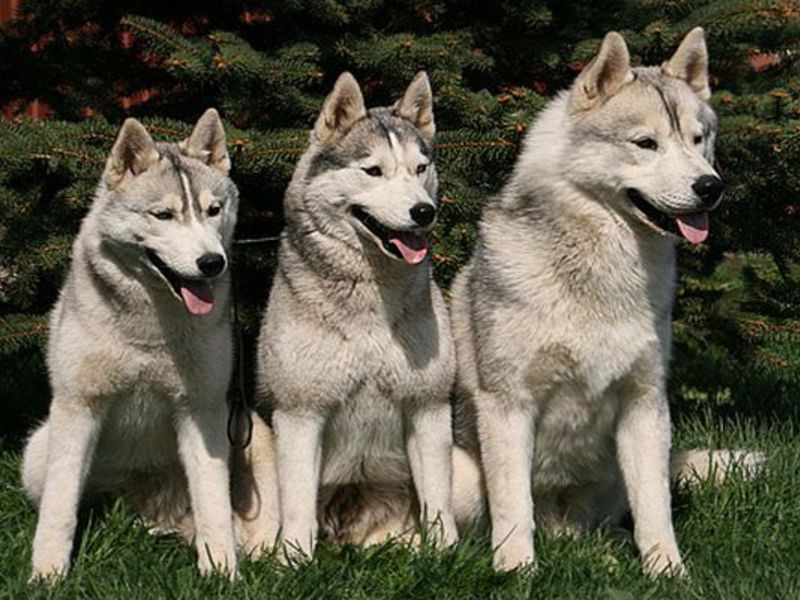
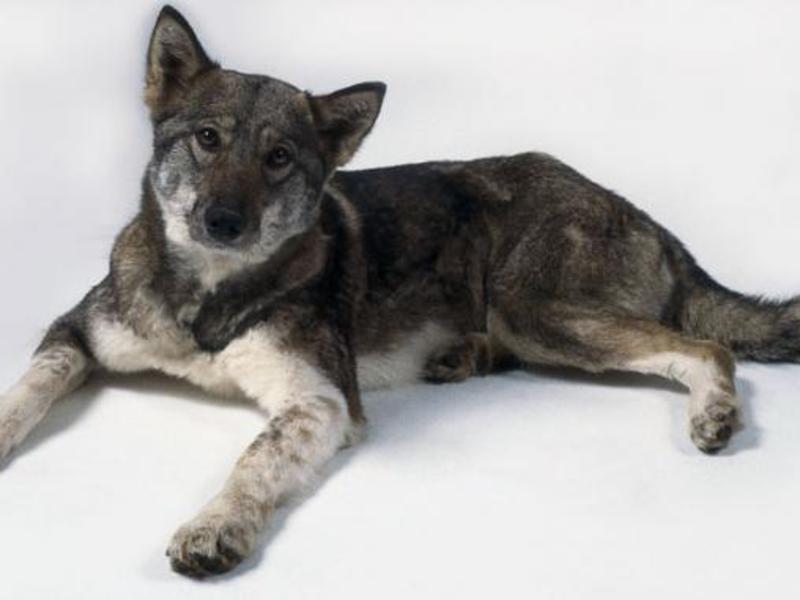
- The coat comes in a variety of colors—black and white, ash, beige with red, brown, or completely black; the paws and head are often speckled to match the base color.
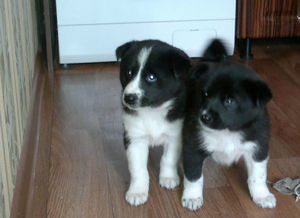 The animals have a fairly large build: males are approximately 70 cm tall at the withers, and females are 65 cm tall at the withers.
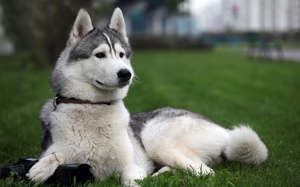
According to the description of many owners, the East Siberian Laika is an animal with a good-natured muzzle, with a sharp nose and a fluffy tailBecause of these characteristics, they closely resemble wolves.
Character and traits
 East Siberian Laikas are typically described as animals with a calm, composed, and completely non-aggressive nature. They are typical representatives of the northern hunting dog family, which has a pronounced orientation reflex. Therefore, a change in environment does not significantly affect their hunting abilities. If you take an East Siberian Laika to northern territories, they will also show off their skills there. demonstrating amazing endurance.
Other qualities that many owners have appreciated include agility, activity, maneuverability, and courage. Thanks to their high agility and other characteristics, they excel in hunting. This is hardly surprising, considering that this is precisely the purpose for which this breed was developed.
These animals do not show aggression towards people. Therefore, the Laika can become a favorite of children: it can be trained as a sled dog, giving children rides in a sled. It can also participate in active ball games and retrieve a thrown stick. However, it retains its hunting skills and will do everything possible to protect its owner if his life is threatened.
Experienced hunters know that huskies are very strong and hardworking creaturesTherefore, they are often used as sled dogs. They are very useful in hunting, partly due to their excellent natural sense of smell. They are excellent guard dogs, so they are always wary in the presence of strangers.
Care
In captivity, huskies thrive in an enclosure. However, if this isn't possible, they can live in an apartment. However, it's important to remember that these are very active animals, so they need plenty of space and room to move around. Their thick coat, which sheds regularly, also requires attention. So be prepared. remove clumps of fur from different parts of the house.
- Those who prefer quiet living and don't tolerate rushing should immediately avoid this breed. Laikas are not suitable for people who spend most of the day at work and aren't avid hunters.
- This breed should be considered by people who lead an active lifestyle and who love to spend time outdoors;
- It will also make a good companion for people who regularly go jogging. If you don't fall into one of these categories, you'll only be causing yourself trouble, as the husky won't have the opportunity to fully demonstrate its qualities in suitable conditions, and will then unintentionally cause damage to your home.
 Those who prefer quiet living and don't tolerate rushing should immediately avoid this breed. Laikas are not suitable for people who spend most of the day at work and aren't avid hunters.
When you first meet an East Siberian Laika puppy, you might get the impression that it will grow up to be a formidable guard dog. This is actually a misconception, as Laikas do not show aggression towards strangersMoreover, some representatives of this breed can be good-natured towards them. But even when exhibiting such behavior, the dog will not forget its owner, and if they are in danger, it will take the necessary measures to protect them.
Laikas are especially thoughtful about their diet, often eating more than they should. This is a very useful quality, especially if their owner is about to go hunting for several days. Under normal circumstances, they eat like other breeds—twice a day for adults. They don't have any particular food preferences, so they happily consume regular dog food. This makes these dogs even more attractive to hunters and others.
Upbringing
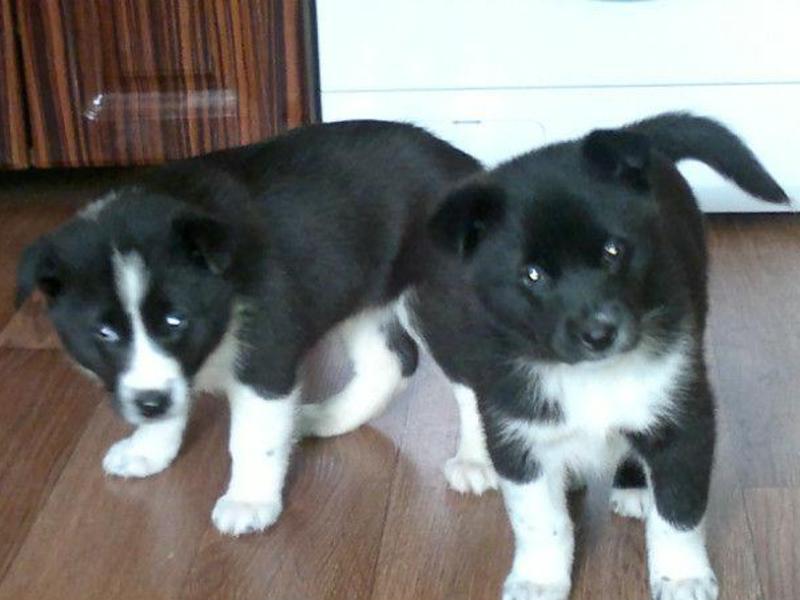
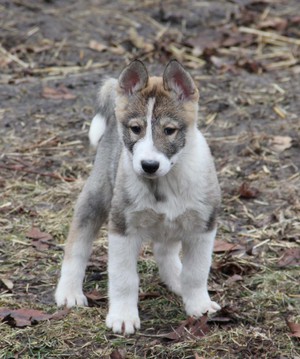
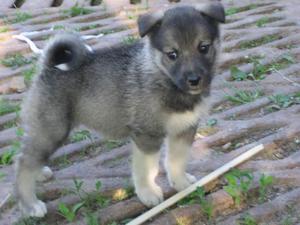 Likes are very loyal creatures, who remain loyal to one owner for life. Therefore, if you dream of a friend who would never betray you, then you should get an East Siberian Laika. Unfortunately, the photo doesn't convey just how beautiful this breed is.
However, once you see these little ones in person, you'll never want any other breed. To ensure your dog recognizes you as its owner and demonstrates its devotion and love, it's best to get it when it's still a puppy. Also, don't wait too long with training—start teaching your East Siberian Laika to obey commands as early as one month old.
Even at this stage of development, a husky is capable of learning the most basic commands: "Sit," "Down," and others. "No" should definitely be on this list; it should be one of the first commands you teach your pet. This will help you cultivate the valuable quality of obedience, which will make training them easier in the future.
If you want to train an East Siberian Laika to be a hunting dog, you will have to use it during training. special programsA puppy can begin hunting at seven months of age. To do this, you'll need to visit special training grounds.
Diseases
Exceptional endurance and a very strong immune system are further advantages of this breed. They are immune to the diseases that plagued their ancestors. However, this doesn't mean they can be neglected. Before getting this dog, it's important to understand what problems an owner might encounter.
A potential buyer should be aware of the following diseases of the East Siberian Laika: distemper and rabiesYou can recognize distemper by the following signs:
- diarrhea;
- elevated temperature;
- chills;
- lethargy.
However, there is no need to worry about this, since this disease is curable and a person cannot become infected with it.
More dangerous is rabies, which is acute infectious disease, not amenable to treatment.
- This disease can be identified by the aggressive and inappropriate behavior of the animal;
- To protect your dog from this threat, it is necessary to vaccinate him regularly;
- In addition, it is necessary to constantly monitor the animal - do not allow it to climb into garbage, eat food picked up on the ground, or play with stray dogs.
Hunting
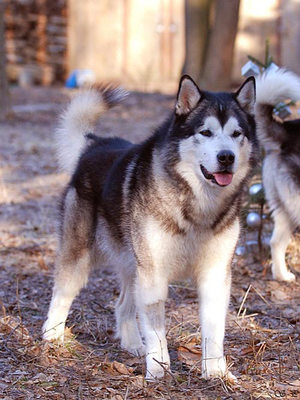 The Laika is a natural-born hunter, a trait inherited from its ancestors. Therefore, you won't have any trouble taking it hunting, as it will quickly help you find your kill. Once it has located the animal, it will immediately alert you with a loud bark.
During a hunt, the East Siberian Laika fully demonstrates all its useful skills—concentration, observation, agility, and intelligence. Seeing how this dog behaves while pursuing prey, it's easy to mistake it for a wolf. They make no noise while chasing game and only occasionally alert their owner to their direction. All that's required of the hunter is to appear at the right moment. If they're late, the husky will get ahead of him and strangle the prey.
The breed's uniqueness lies in its ability to trot after game, eventually changing to a gallop. When taking a Laika hunting, you don't have to worry about its orientation, as it's comfortable even in the taiga forests. Moreover, it doesn't require special supervision, as it watches the hunter. Therefore, don't worry about your Laika unnecessarily during the hunt if you don't want to lose your prey.
Conclusion
The East Siberian Laika is one of the favorite breeds of hunting dogs. This is quite easy to explain, as their ancestors are natural born hunters, who could track a wide variety of game, not just birds but also large animals like bears and wild boars. Therefore, if you need a hunting companion, you won't regret your choice if you buy an East Siberian Laika puppy.
These animals need to be constantly on the move, so participating in a hunt is the best way to help them realize all their natural qualities. You won't be disappointed with your decision, as it will give you an advantage over other hunters who venture into the forest alone.