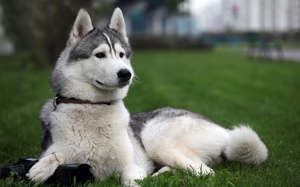
 It turns out that the name "Laika" is a generic term for all dog breeds that lived and were bred for many years in the forested areas of northern Asia and Europe. Based on their intended use, Laikas are classified as sled dogs. These hardy animals have long been the only means of transport to reach remote areas of the frigid north.
Laikas have long been used as:
- Riding.
- Shepherd's.
- Hunting.
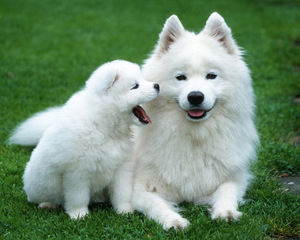 Of course, in the modern world, as progress has created more convenient modes of transport for traversing the vast expanses of permafrost, Laikas have become much less common. Many dog lovers have come to keep this breed not for its endurance and ease of maintenance, but for its beautiful appearance. allows the breed not to disappear forever, dissolving in the memories of old hunters and pioneers of the northern latitudes.
Since the name "Laika" encompasses many breeds, let's look at the most common ones:
- Samoyed.
- West Siberian.
- Russian-European.
- East Siberian.
- Karelo-Finnish.
- Husky.
Understanding the differences between these breeds and a description of their key characteristics will help you gain an understanding of each variety. Understanding the dog's characteristics You can choose the breed that suits you best to achieve the set goals.
Content
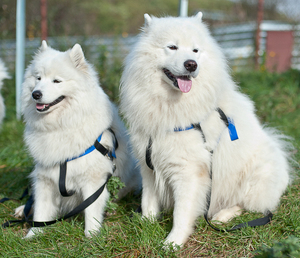
Samoyed
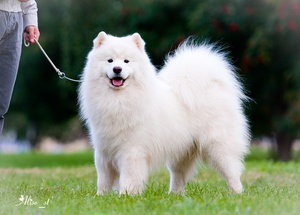 This variety was developed in Russia and is known by the simplified name "Samoyed." These animals can be pure white, cream, or white with light fawn edging. They are known for their devotion to their owners, intelligence, and obedience. However, they also tend to be independent, making them difficult for those with a gentle nature.
These freedom-loving animals enjoy open spaces, preferably covered with snow. This dog is not easy to maintain because She requires constant attention in the form of long walks and regular training., and not every working person can afford that. Therefore, you need to consider your capabilities and not choose a breed based on its appearance, but rather its characteristics.
The Samoyed's coat also requires special care. They have a thick coat, so to keep them looking well-groomed, they need to be brushed daily with a brush and comb, and bathed regularly. They shed once a year. During this period, special attention is needed to comb out the undercoat, which falls out frequently.
West Siberian Laika
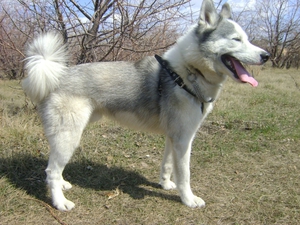 The name immediately reveals the region of Siberia in which this breed originated. Experts claim that this West Siberian Laika is one of the best choices for hunting large game.
Nature has created this species as fairly large individuals, up to sixty centimeters at the withers. The dog's appearance resembles a wolf, which also affected its behavior.This sociable and calm dog enjoys socializing and gets along well with other pets. She loves children, making her a good nanny and companion.
The West Siberian Laika comes in a variety of colors. Photos online feature white, red, piebald, and spotted specimens with thick, coarse fur. Their tails can be curled or held close to the hip, creating a sickle-shaped tail.
Russian-European Laika
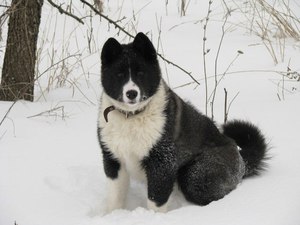 These dogs were bred in the 1960s for avid hunters who preferred large game such as boar and bear. But their warlike nature does not in any way affect the attitude towards humans or any other animal, which will live with them in the same room. The Russian-European Laika easily interacts with everyone and maintains friendly relationships.
Their description differs little from that of other Laika breeds. They grow slightly smaller than the West Siberian Laika, falling a few centimeters short of their dimensions.
The coat can be red, black, white, piebald, or zonal. The coat is harsh and coarse with a soft, delicate undercoat. This breed's tail is carried higher, but can curl in the same way as the West Siberian's—in a ring or sickle.
East Siberian Laika
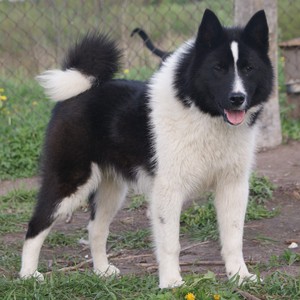 The East Siberian breed was first standardized almost immediately after the Great Patriotic War—back in 1947. But standards have evolved and improved. Currently, it is a large dog, growing up to sixty-five centimeters tall and resembling a wolf in appearance.
Thanks to its strength, agility, and quick wit, it began to be used in hunting, where it was necessary to cope with large, dangerous predators. But Nowadays it is more often used as a pet, which can make friends with both children and other pets.
This breed comes in a fairly wide range of colors. Gray, cream, white, and black with white spots are common. The tail is typically curled toward the back, but can also be carried close to the hips.
Karelo-Finnish Laika
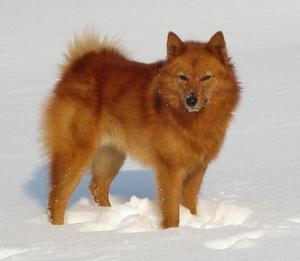 This breed is easily recognized by its coat, which can come in all shades of red. They may also have white spots on various parts of the body, even reaching the tip of the tail.
This is a small dog of strong constitution, growing no higher than forty-eight centimeters, with straight, hard, thick hair.
Experts do not recommend having this dog in families with children, as this animal has a wayward character. This the breed lives by the laws of the pack, so she believes that the weak are always wrong. The owner of such a dog must always back up their leadership qualities with action, defending their right to be the pack leader, dictating their will to those around them.
The Karelo-Finnish Laika is a skilled and courageous hunter of small game. Agile and cautious, this undemanding dog makes an excellent companion on long hiking trips.
Husky
This dog breed has recently become very popular, primarily due to its appearance. Although it was bred primarily as a sled dog, few people today use its endurance qualities for pulling sleds. It is primarily kept as a good family companion due to its kind and docile nature.
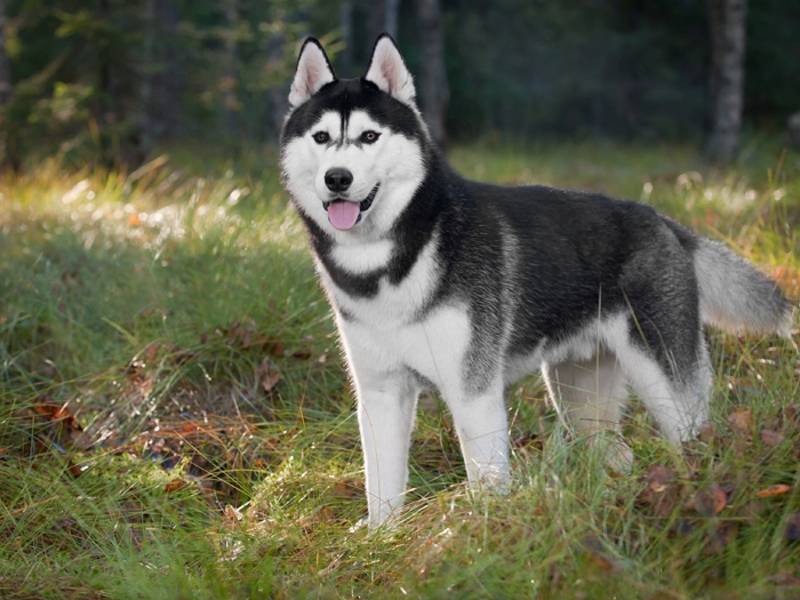
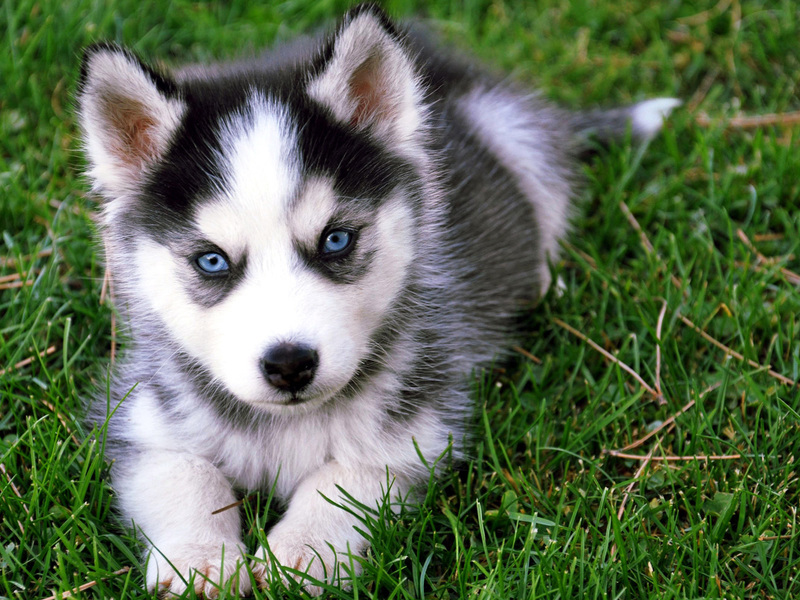
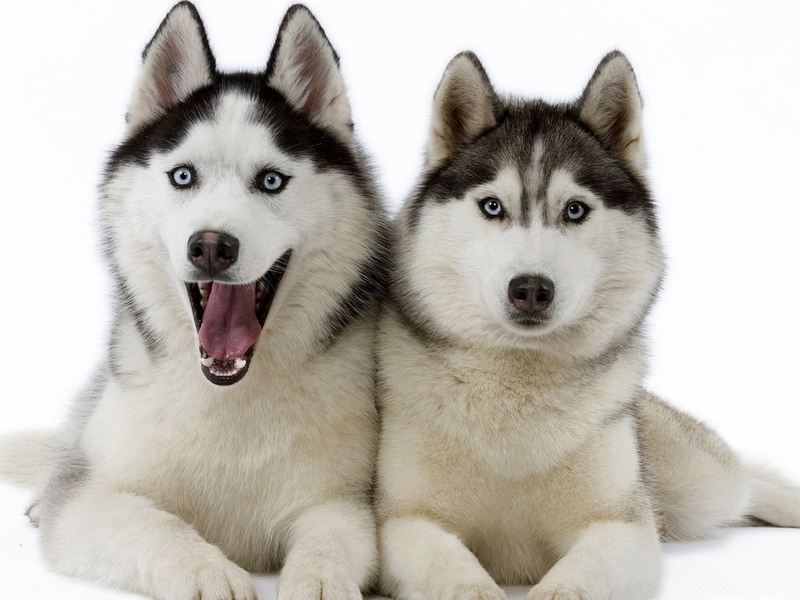
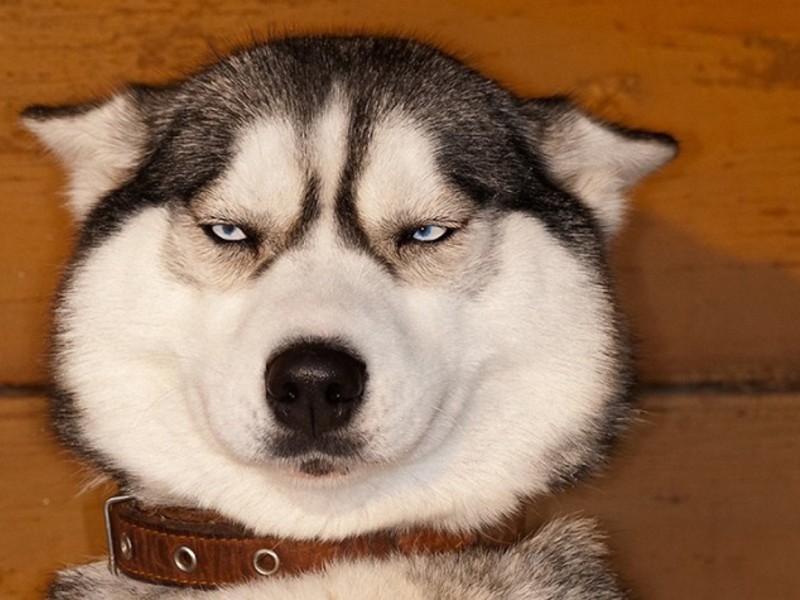
But you can't do this a dog that grows up to sixty centimeters, should be left without the regular exercise it thrives on. This breed can have unusual coloring, with lighter masks in a variety of shapes. Moreover, the animal's color can vary widely. Its thick coat requires daily grooming and brushing.
Nenets reindeer herding dog
The Nenets reindeer herding dog was bred specifically to herd herds. This northern people exclusively herds reindeer, so they needed a reliable assistant in this difficult task.
When developing the breed, care was taken to ensure that the dog had no hunting instincts. This was necessary so that prevent an animal from attacking a protected herdThe size of the husky was also carefully monitored; a large animal could frighten the young deer, causing them to scatter in different directions. The husky's compact body, with a maximum height of forty-five centimeters at the withers, did not intimidate even the young fawns.
Two forms of these dogs have been bred:
- Short-legged.
- Normal.
The short-legged Laika was bred specifically to keep track of fawns, preventing them from straying from the main herd. This dog is currently considered one of the best breeds for search and rescue work.
The Nenets reindeer herder is a very sociable animal that does not tolerate isolation well. The dog is friendly not only to people, but also to any pets.She is always alert and loves to move, so she needs to be provided with regular long walks.
Laikas are generally similar in their descriptions: almost all breeds get along well with families and enjoy socializing and active play. However, it's important to remember that these dogs were bred in cold climates, so their coats are thick and lush, requiring regular grooming. Therefore, before adopting this breed, you need to determine whether you can provide the necessary care, including exercise, long walks, and regular grooming.
 Old dog breeder
1 comment