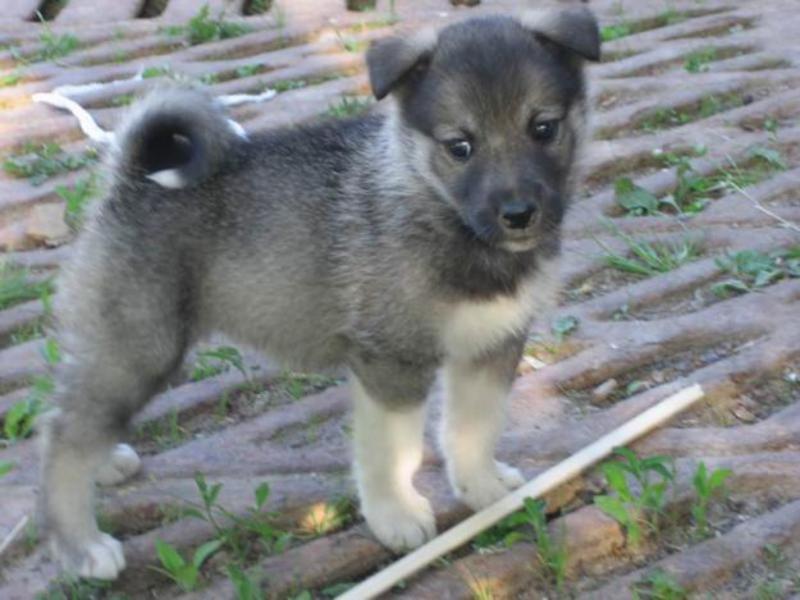
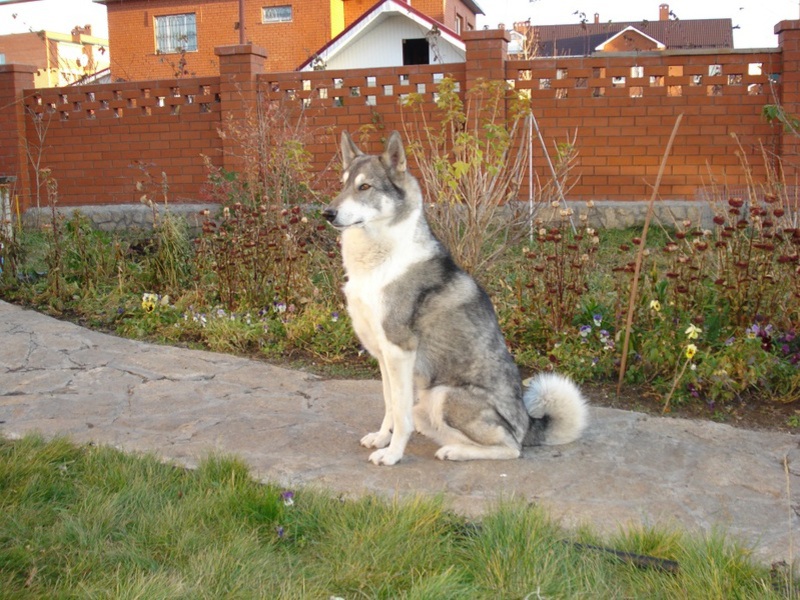
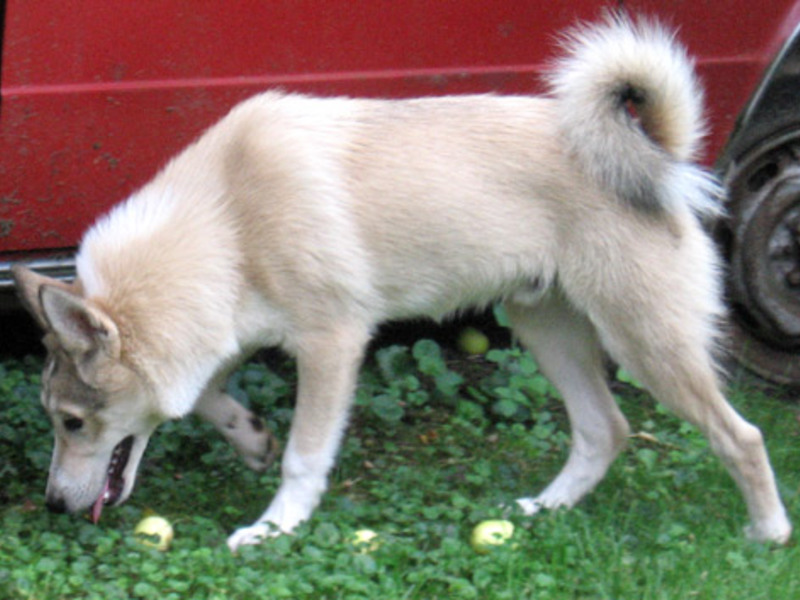
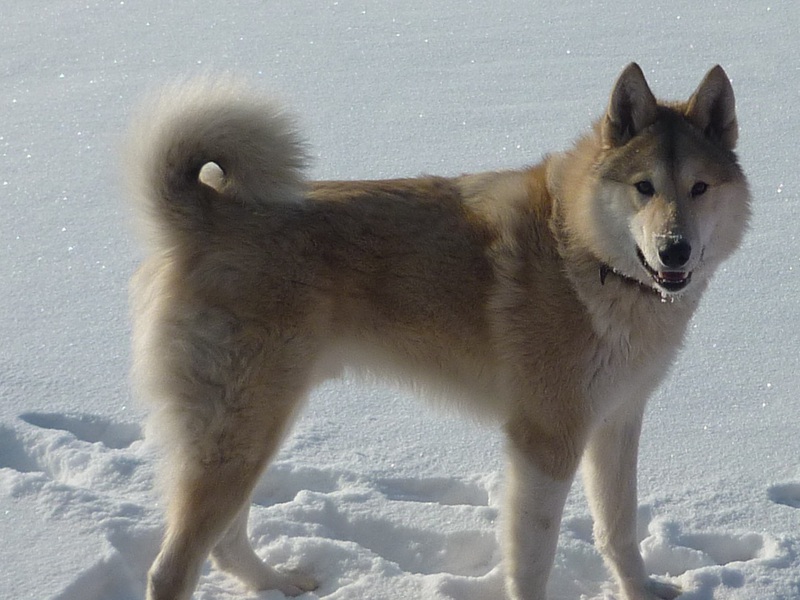
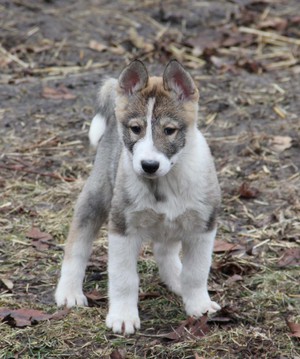
 Experienced dog breeders are well acquainted with the characteristics of the West Siberian Laika. It is commonly considered a hunting dog, resembling a wolf in appearance but, unlike the wolf, distinguished by its even temperament. Representatives of this breed were first introduced to our country in the 1920s, and even then, many dog lovers fell in love with these animals.
Content
The History of Siberian Laikas
It is no coincidence that many hunters treat the West Siberian Laika with respect. After all, it is highly specialized breed, which was bred for hunting. Numerous videos demonstrate its hunting skills perfectly: they clearly show how easily this animal tracks prey.
Modern representatives of this breed are descendants of the Laikas that inhabited Siberia and the Urals. They had to live in the harsh conditions of the taiga, where they acquired the necessary hunting skills. Breeding conditions for this breed were difficult: only the strongest specimens were selected, while breeders mercilessly dealt with the weak.
Today, the West Siberian Laika is represented by two main types: the Khanty and the Mansi. The difference between them lies primarily in their appearance. While the former is distinguished by a stocky body, a wide head, and a short muzzle, the latter are wiry creatures with a long muzzle. In our country, breeding of the Laika began only in the twentieth century. Back then, breeders set themselves the goal of creating a standard of this breedInitially, it included no more than a dozen eco-types. As a result, the first standard was formalized only in 1925. At that time, it included five Laika types.
But over time, interest in these dogs grew, fueled by their versatile hunting abilities. They subsequently began to be actively used during the war years, being adapted as sled dogs for transporting cargo and carrying out demolitions.
A landmark event concerning this breed occurred in the 1950s: standards for each of the four breeds were established. Work in this direction continued, and by 1952, the West Siberian Laika standard was officially established. Some time later, this breed was also awarded international recognition by the International Cynological Association.
Standard Features
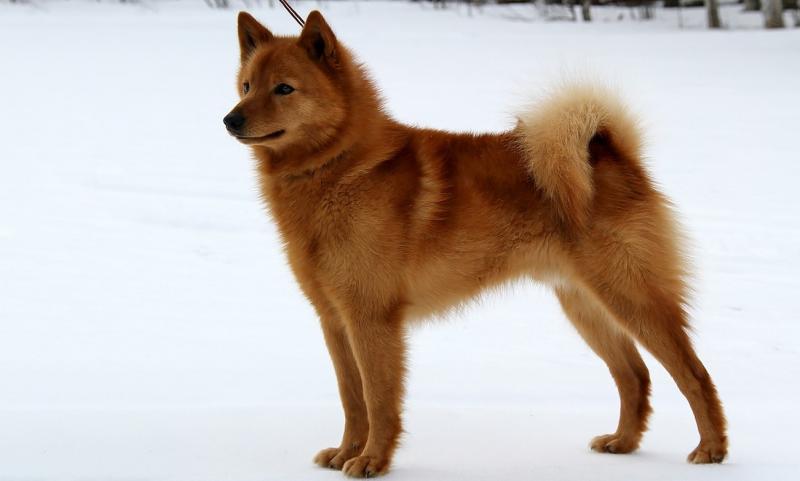
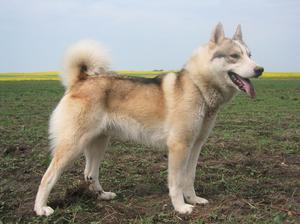
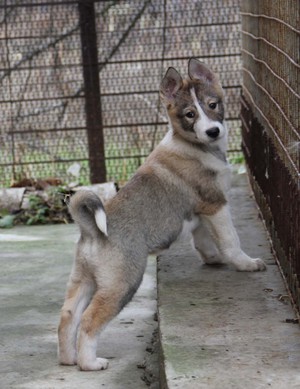 The distinctive external features of the West Siberian Laika are: medium height, strong build and musclesAccording to the standard, these animals usually grow to a height of no more than 50-80 cm.
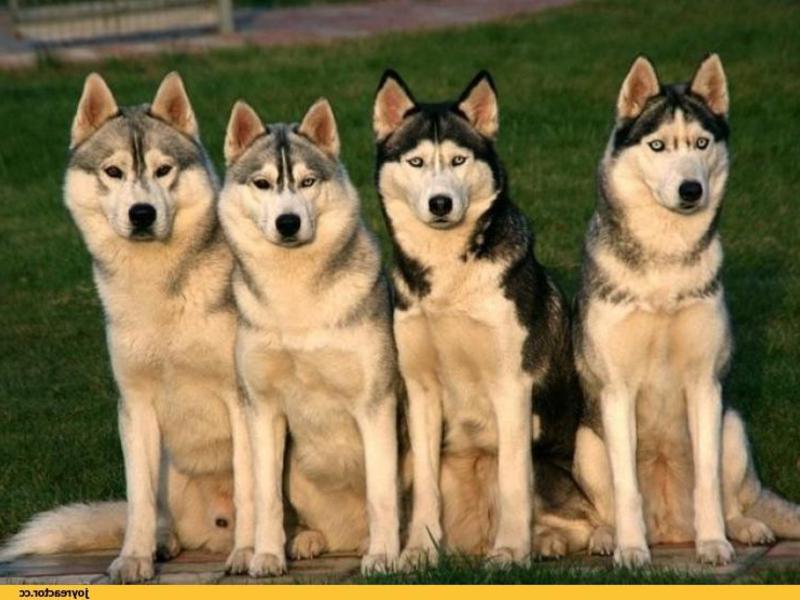
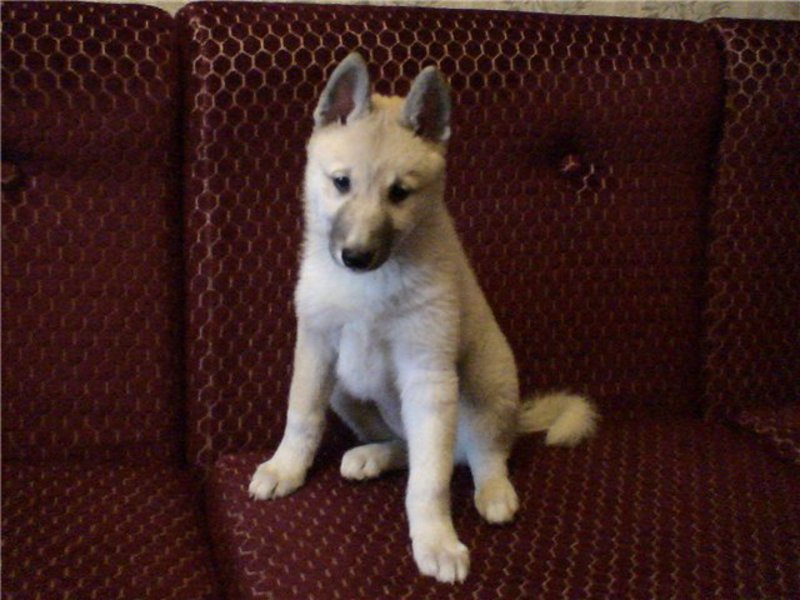
The characteristic head shape is triangular with equal thighs. They traditionally have a broad skull and a long muzzle. Almond-shaped or oval brown eyes complete this appearance. The ears are typically triangular and erect.
The chest is well-muscled, the abdomen is tucked in. The legs are quite strong, and the tail is sickle-shaped.
When first introduced to the West Siberian Laika, its short coat is striking. The undercoat is thick, and in the neck area it is very dense, forming a ruff. According to the standard, it is customary to distinguish several types of husky colors:
- gray-white;
- gray-red;
- piebald;
- pale yellow.
Sometimes you can find animals that are black and white, but these animals are not very popular.
West Siberian Laika and its character
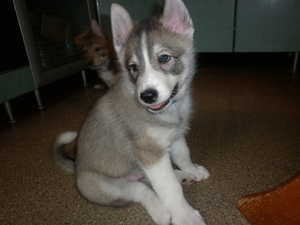 Many owners of dogs of this breed confirm that in the person of this animal every avid hunter will find a faithful assistantAlthough they resemble wolves in appearance, their behavior completely refutes any connection with them.
West Siberian Laikas are well-balanced creatures that show no aggression toward people. Throughout their lives, they remain very active and energetic, easily getting along with children and other pets. These creatures are very friendly and docile, easily forming friendships with their owners and family members. However, some specimens are disobedient, trying to demonstrate their stubbornness and persistence at every opportunity.
The main trait that makes West Siberian Laikas so respected by many owners is their fearlessness. This is due to their distinguished history, as their ancestors hunted many large animals, including bears. Laikas are quite understanding, smart and self-confidentMany hunters who have chosen these dogs as their companions have never been disappointed. They are easy to train and handle, even at home.
The standard of a hunting dog
The main thing that attracts hunters to dogs of this breed is their versatility. They excel at their tasks, regardless of whether they're hunting fur-bearing or large game, waterfowl, or game in the woods. These situations require activity and resourcefulness, which they demonstrate beautifully. Weather conditions also don't significantly affect their effectiveness as hunting dogs, so they can be taken hunting in both southern and northern hunting grounds.
The West Siberian Laika's most notable virtue is its endurance. These dogs tolerate harsh conditions well, especially long periods without food. After all, they're born with a passion for hunting, so they easily cope with any adversity.
The West Siberian Laika is a great dog for driving, hunting alone, and hunting in pairs. In any role, it lives up to the hunter's expectations. It can be used to hunt a wide variety of animals, from small birds and game to larger ones like wild boar and bear.
Care and maintenance
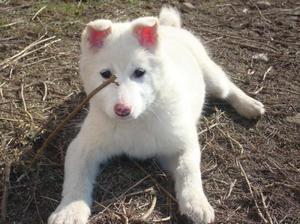 Given that this breed was bred for hunting, it's no surprise that it's primarily of interest to hunters. However, there are also cases of ordinary city dwellers acquiring this dog for their home. However, this decision should be carefully considered, as the care of West Siberian Laikas has its own unique characteristics.
First of all, in addition to space, you need to create conditions where they can move and stay active. you will have to pay a lot of attentionTo maintain excellent physical fitness, training is of great importance. However, if hunting is one of the owner's favorite activities, neither the owner nor the West Siberian Laika will have any problems.
Caring for a West Siberian Laika is also quite simple. You won't have to worry too much about choosing a diet for this animal. However, it's important to keep in mind that to effectively demonstrate their hunting abilities, their diet should consist of certain foods. Recommended foods include:
- meat and fish;
- porridge;
- vegetables and fruits;
- supplements with vitamins and minerals.
At the same time, it is necessary exclude from your pet's menu:
- sweet;
- salty;
- roast;
- flour.
A husky's coat doesn't require much attention, but it's important to pay close attention during shedding season. During this time, loose hair should be removed with a coarse brush.
Features of training
 From the very first day a West Siberian Laika puppy arrives in your home, it's essential to thoroughly train it. For basic knowledge, it's helpful to watch a special video where a professional dog trainer demonstrates how to train a dog to attack an animal.
In the first years of life with a puppy you need to exercise regularly, so that he has time to master the commands "Sit," "Come," and "Heel." These commands are usually very easy to teach, as the dog readily understands what is required of him. When the puppy reaches 10 months of age, you can begin specialized "hunting" training. If this is successful, you can move on to hunting training.
Considerations for choosing a West Siberian Laika puppy
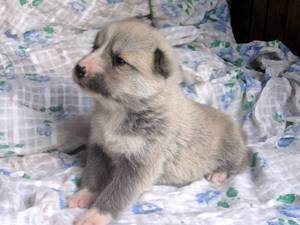
Buying a dog isn't that difficult, but first you need to understand what you need it for. If you want to use a Laika for hunting, it's best to buy one from a hunter. However, before making a final decision, you should should observe the animalTo avoid getting a sick husky, make sure it stays active throughout the day and is well-groomed.
It's a good idea to get to know the parents to get a sense of what to expect from their offspring based on their qualities. The living conditions of the animals are equally important. In some cases, hunters can offer valuable advice on training or grooming a puppy. This option is preferable for you, as you'll have an idea of what the parents are capable of. This will give you confidence that their puppies will be similar in quality to them.
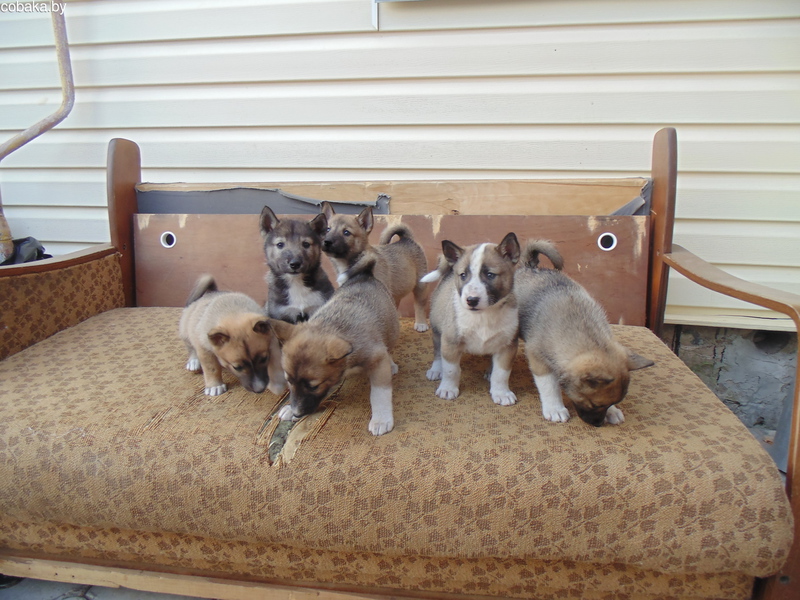
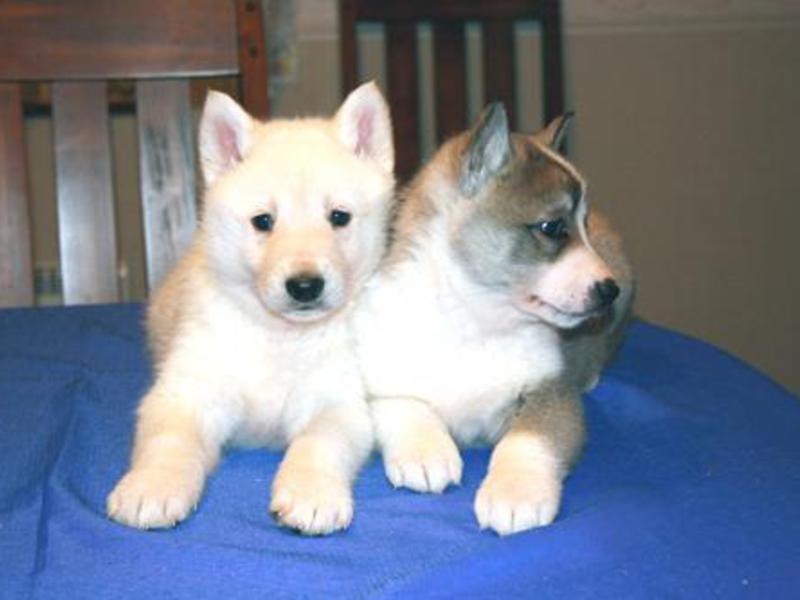
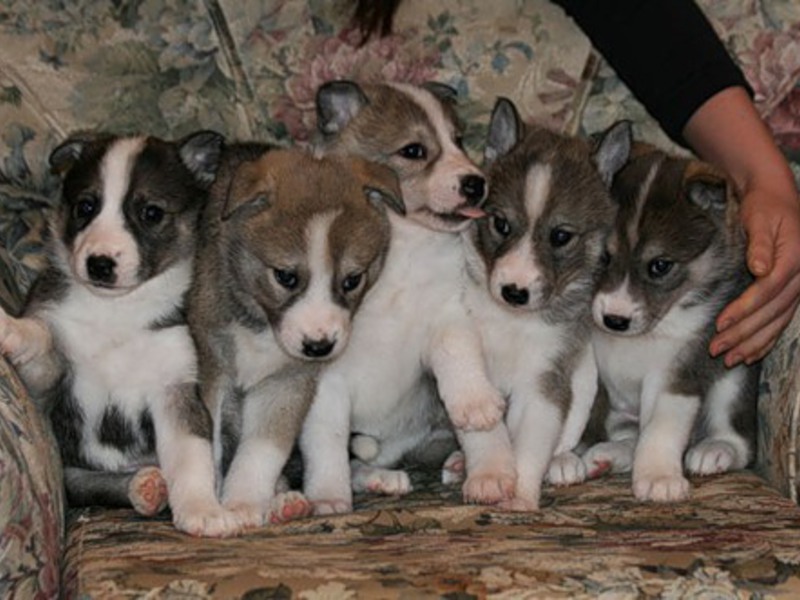
You can search for a West Siberian Laika puppy through an ad. Sellers can usually post a photo of the puppy they're offering in addition to a description of the dog. Please note that the seller may not always be able to provide a photo. provide the animal's pedigreeHowever, if you don't plan to participate in exhibitions, you shouldn't pay attention to this.
A key consideration for buyers is the price of a West Siberian Laika puppy. Photos won't be helpful, so you'll need to see one in person. If you want a guarantee, you should contact a kennel where they can offer you a West Siberian Laika puppy for 20,000 rubles. If you're looking to save money and buy a puppy from someone, you'll pay approximately 2,000 to 5,000 rubles. However, this price difference doesn't necessarily mean the puppy will be any different in quality. There are situations, for example, when a hunter simply wants to quickly find a home for their litter. Therefore, when choosing a West Siberian Laika, don't focus too much on price. The puppy's qualities should be far more important.
Before you buy a husky, consider the future consequences of such a choice. Keep in mind that you can't make a lap dog out of her, because she inherited a love of hunting from her ancestors at a genetic level.
However, this drawback is easily outweighed by all their other advantages. They are very friendly and cheerful creatures, distinguished by their intelligence and excellent hunting skills. Having them in your home means you won't have any problems with housing, training, or care.
Conclusion
 There are many interesting dog breeds whose appearance alone can attract attention. West Siberian Laikas are particularly notable in this regard, as they can easily be mistaken for wolves. However, they bear no resemblance to wolves; in fact, they are very good-natured and playful creatures. Owning one makes sense. if you need help with hunting.
West Siberian Laikas were specifically bred for hunting, which is why they are so popular among hunters. However, if you're looking for a regular pet, don't expect a Laika to be the perfect companion. To protect this beautiful animal, you must maintain its high activity level. After all, this is a hunting breed, and it will continue to demonstrate its hunting abilities throughout its life.