During training and in everyday life, most dog owners use harnesses. There are a wide variety of leashes, harnesses, and collars available. But not all are beneficial for your pet, and some can even cause serious harm. To help you choose the right one, read this article.
Restraining harnesses
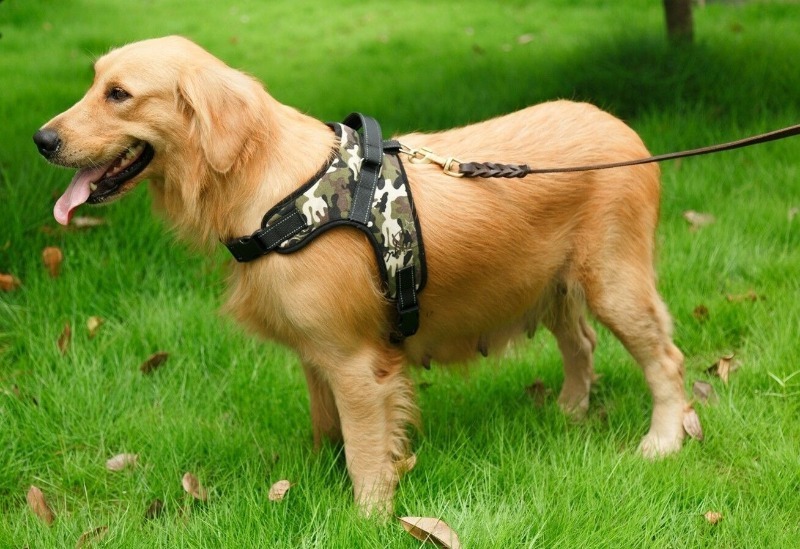
These harnesses restrict the movement of the front leg. The strap is pulled across the shoulder joint, typically as a strap running across the chest. Sometimes it is pulled under the armpits of the front legs.
The harness prevents the dog from moving its forelimb forward. Movement is restricted even when the harness is removed. The shoulder area, where tendons and muscles are located, is compressed, leading to tendinitis.
Some harnesses have a strap that runs across the back and compresses the shoulder blade, hindering front paw movement. This limits stride length and reduces foot pressure. Unfortunately, such harnesses are often recommended for training. Search and rescue dogs, working dogs, police dogs, and guide dogs wear them.
If you're considering a harness for your pet, make sure it doesn't restrict movement. It should be used correctly and fit comfortably.
Retractable leashes
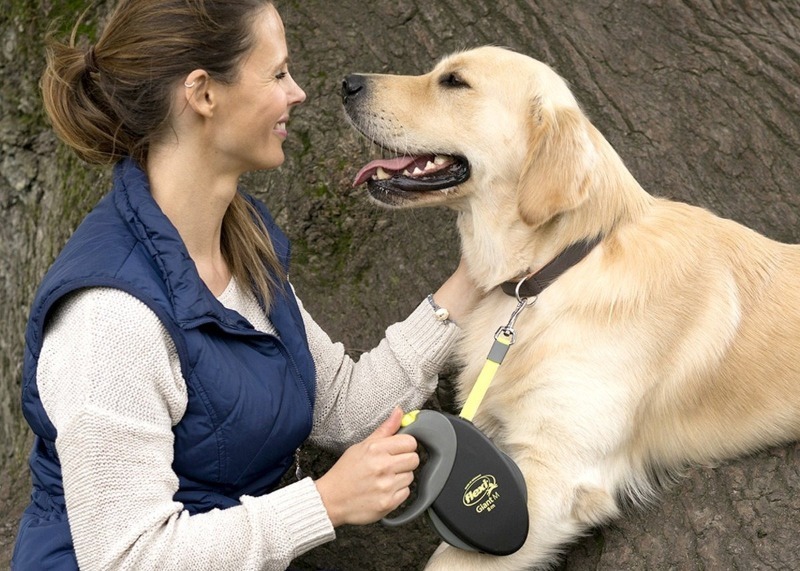
Using retractable leashes poses a danger to both owners and dogs. Veterinarians and dog trainers advise against using them. Injuries such as burns and skin cuts are common. More serious dangers are also possible.
If you accidentally wrap a rope around your hand and your pet tugs on the leash, injuries including amputation of fingers are possible. Never allow a leash to wrap around your legs, as this can injure the limbs of both people and dogs. If the carabiner breaks, the rope will unwind, potentially injuring your face, eyes, or teeth. If a dog runs past, the leash will unwind, and the sudden jerk will cause the dog to yank, causing the owner to fall.
The animal constantly tugs on the leash. The more you restrain it, the greater the resistance. There's no real control. The retractable leash reels in when the leash goes slack.
Veterinarians advise banning the sale of retractable leashes.
Electric shock collars
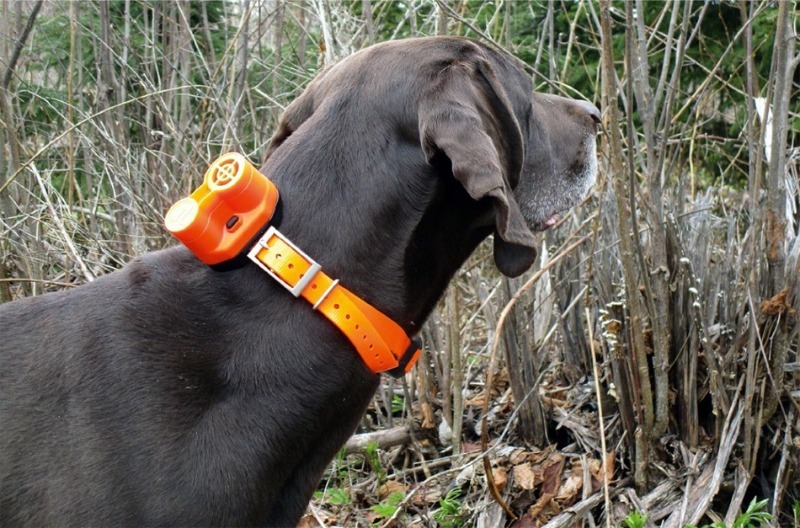
A dog becomes uncontrollable and unpredictable when using an electric shock collar. These collars are banned in many countries. They have a negative impact on the neck, which is the most protective part of the body for animals. The shock can cause panic and psychological trauma in dogs.
Strong and sudden pressure on the neck and throat area can cause significant harm to the pet's health. This causes pain and leaves wounds under the fur. This can lead to skeletal damage, disruption of the nervous system, and loss of appetite.
Under the influence of the collar:
- mental abilities are blocked;
- the animal does not concentrate;
- cannot follow the owner's commands;
- the dog is thinking about how to get rid of the pain;
- phobias arise;
- a state of constant stress appears.
A shock collar won't solve any problems; it can only injure your pet. Don't use it unless absolutely necessary.
Your pet's health and well-being depend on the equipment you choose. You should buy the best for your pet.