Excessive hair in the apartment and an unpleasant odor are the main reasons people are afraid to have a dog at home. A dog's scent is important for protection and communication with other dogs, so its skin glands regularly secrete a special scented oil. But while some pets do have an odor, others are virtually devoid of this odor. The reason is that the amount and composition of the oil produced varies among different breeds.
Less often, the smell can be a symptom of a disease or evidence of an unhealthy diet.
The following reasons are also possible:
- earwax or plaque on the ears (if this issue is not resolved after cleaning the ears, this usually indicates inflammation);
- purulent discharge from the eyelids or conjunctivitis (if rinsing with tea or clean water does not help, you should immediately contact a veterinarian);
- poor digestion or inflamed gums can cause bad breath;
- sweat glands on the paws if they are not washed well.
The most obvious way to get rid of the odor is to bathe your dog. This will help your pet shed excess skin, hair, and dust, and prevent fungal infections and fleas. However, bathing isn't always effective. Furthermore, don't overdo it with water treatments—if the oils are washed away, the body will begin to produce more oil, which will only intensify the odor.
In this article, we'll discuss dog breeds that, if hygiene rules are followed, won't cause their owners problems with unpleasant odor.
Content
Dog breeds that don't smell
In many cases, a dog's odor is related to shedding, or how much a pet sheds its fur. Some breeds shed faster and more frequently.
Here are the types of dogs that shed little:
- "naked" dogs;
- curly-coated dogs - they require grooming, but they have a low odor and shed little hair,
- pets with a soft undercoat and hard hair,
- dogs with a long coat without undercoat.
Choosing such a dog allows you to kill two birds with one stone: get rid of hair and get rid of the smell.
Chinese Crested
The British are considered the founders of this breed's standard; it was in the UK that it experienced its "second birth." The dog itself is a small toy breed; it is graceful and active. These pets can be hairless (with small tufts of hair only on the tail, head, and limbs), or they can have a soft, downy coat all over their body.
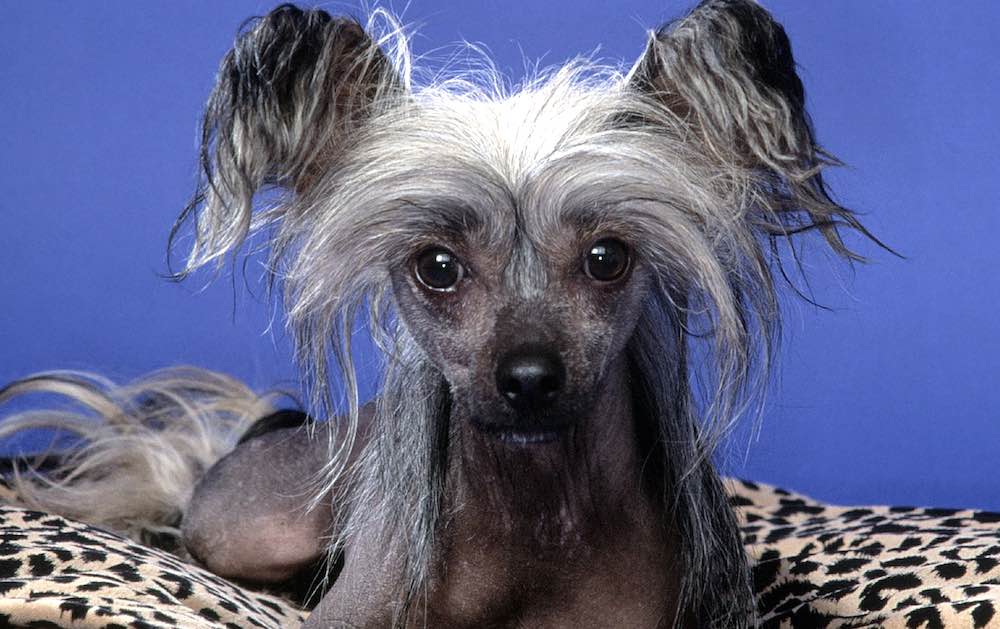
Dogs of this breed form strong bonds with their people but do not tolerate loneliness well. They are ideal for apartment living because they do not shed or emit an odor. To care for a Chinese Crested's skin, you should purchase a special hypoallergenic shampoo and sunscreen. If you live in a cold climate, you should keep your dog clothed when walking in winter.
Tibetan Terrier
Strictly speaking, this dog is not a terrier, although it resembles one in appearance. This name was given to it by tourists from Europe. An alternative name for the breed is Tsang Apso, which roughly translates as "shaggy dog from Tsang Province." According to recent DNA studies, it descends from an ancient dog breed.
In fact, the Tibetan Terrier is a herding dog breed. It is believed to have been bred either for temples or for farm work. Besides herding, the terrier can be an excellent companion. It is courageous and quickly bonds with all household members, but it does not get along with guinea pigs or any rodents, as its hunting instincts make it more likely.
The Tibetan Terrier has a silky, smooth coat that's considered hypoallergenic and has virtually no odor. It's best to get a haircut and buy your pet a jumpsuit; otherwise, regular bathing and brushing will be necessary.
Dalmatian
Dalmatians are spotted dogs, best known from Disney cartoons. They shed heavily but have almost no odor. Therefore, unless you have a hair allergy, this dog is a perfect choice for those who are sensitive to odor.
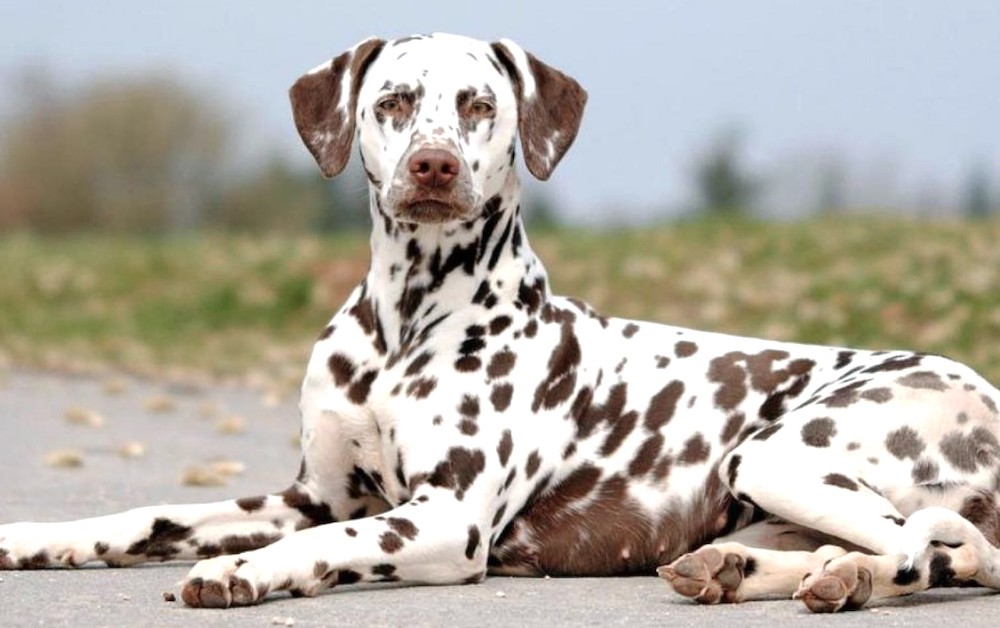
Dalmatian Dalmatians are a large breed, and their maintenance is associated with certain difficulties. Therefore, you shouldn't decide to get one just because they're charming. They have a strong character and will constantly test their owners' mettle. To ensure a Dalmatian's obedience, you mustn't show weakness in front of them, otherwise they'll grow up capricious and willful. Serious exercise and regular training are essential, as is maintaining a clear hierarchy. Dalmatians can become companions, guard dogs, and even canine "nannies" for children; the key is plenty of exercise.
Basenji
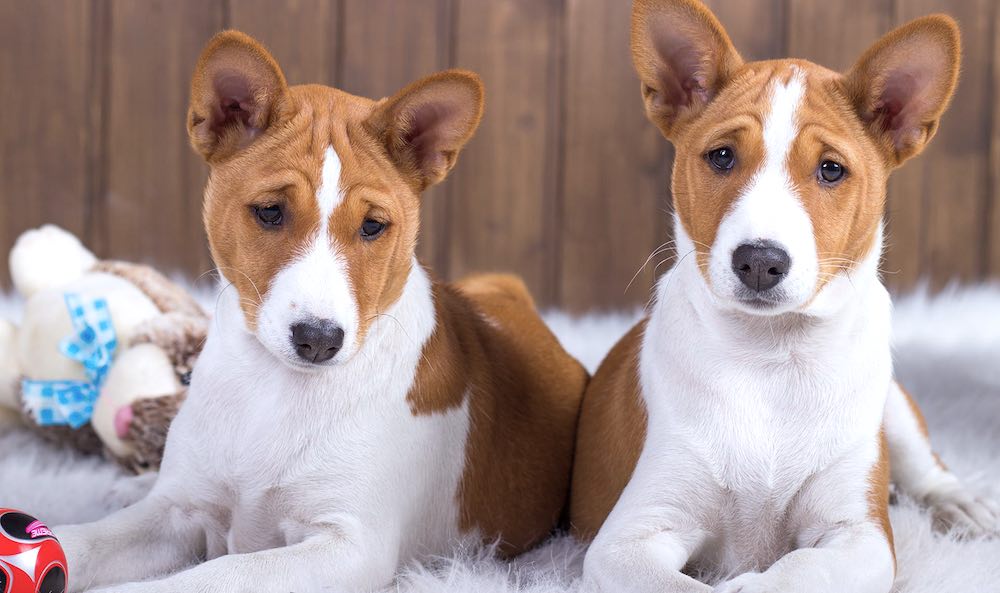
The Basenji is a short-haired hunting dog used to hunt lions. Also known as the African Barkless Dog, it has strong, powerful teeth and excellent vision and hearing. This breed was once brought to Ancient Egypt as a gift to the pharaoh; it may be depicted on ancient papyri.
Basenjis don't bark due to the unique structure of their throat. Their mouth produces sounds reminiscent of howls, meows, and croaks, rather than the typical bark of a dog. Basenjis are somewhat cat-like in appearance, and their personality is somewhat similar—they are just as willful and clean. These dogs don't like baths, but they keep themselves clean and don't emit odors. Basenjis don't require extensive grooming. They are difficult to train and require vigorous walks for 2-3 hours a day.
Poodle
Poodles are familiar curly-haired dogs that don't shed or smell. They are intelligent, active, love to run and play outdoors, are great with children, and are good at reading their owner's emotions. Poodles are also patient, easygoing, and enjoy bathing.
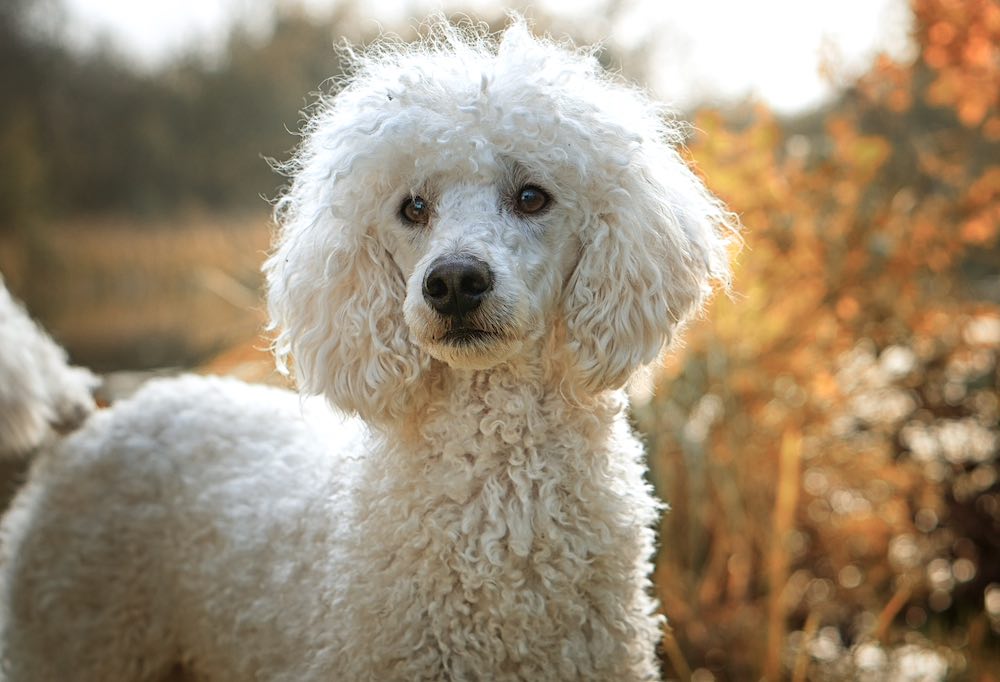
One of the advantages of poodles is that they almost never cause allergies, thanks to their unusually low sebum levels. Their light coat, with a small undercoat, resembles hair. They shed virtually no hair if their owner follows grooming guidelines. Many poodle breeds (miniature, toy, and standard) are recommended by the American Kennel Club (AKC) for people with allergies.
A poodle's coat requires regular brushing and occasional trimming. This is a dream come true for owners who aspire to become a hairdresser. Poodles require long walks and exercise. They make excellent companions.
Pomeranian
Pomeranian The Pomeranian is a tiny breed of dog that is virtually odorless and hypoallergenic due to its production of a very small amount of a specific allergen protein. It resembles a fluffy ball of fur and requires regular brushing. A Pomeranian should be bathed in warm water after every walk, or at most twice a week, and brushed 2-3 times a week to remove the undercoat.
Read also: photo and price of Pomeranian Spitz.
Brussels Griffon
This dog breed has a wiry outer coat. It is a trimmable breed, meaning the undercoat should be removed during grooming, before the shedding season. Brussels Griffons can be bathed frequently. They are a hypoallergenic breed.
Griffons are playful, spontaneous, and love children; their strong bones make them difficult to injure. However, using this breed as a "nanny dog" is not ideal—a Griffon can fight back if necessary. These dogs require training; they are intelligent and quite active, but they tire easily, so two daily 30-40-minute walks are sufficient. These dogs make excellent guard dogs because they clearly distinguish between friends and strangers. They also get along with other large breed dogs, but allowing small, harmless pets like parrots or kittens near them is dangerous.
Italian Greyhound
Contrary to popular belief, small Italian Greyhounds are not suitable for people with allergies. However, for those bothered by strong dog odor, a hunting Italian Greyhound is an ideal choice, as you won't have either of these issues. This short-haired, smooth-coated breed sheds virtually nothing and is odorless.
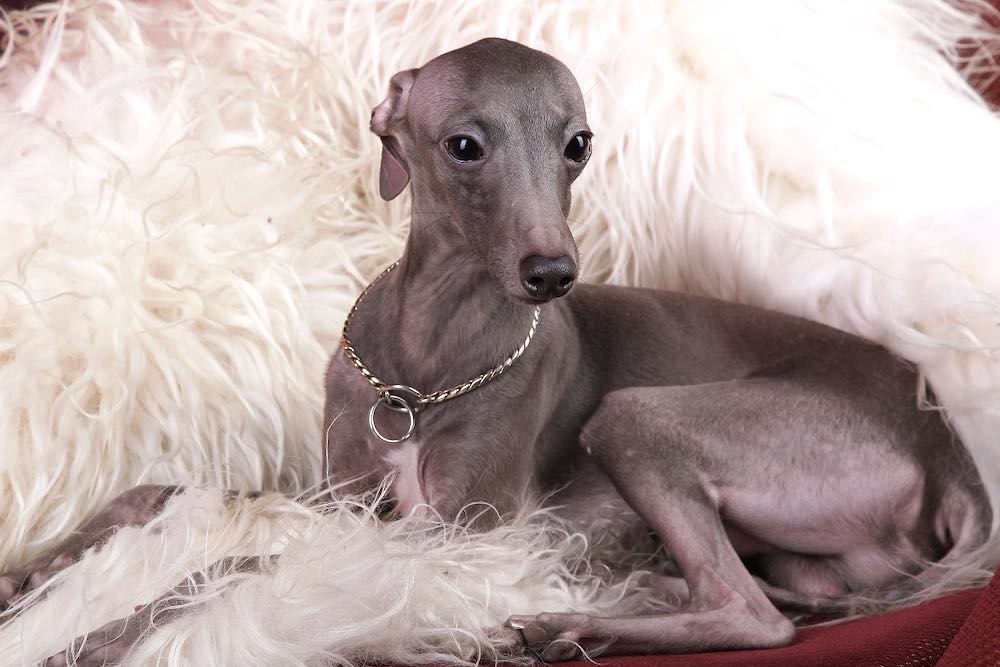
Italian Greyhounds are related to sighthounds and are distinguished by their well-developed muscles, grace, and agility. Italian Greyhounds appreciate outdoor walks, but larger dog breeds can injure them, sometimes accidentally. Therefore, Italian Greyhounds are not recommended for families with children. This breed is also not suitable for those who already own small pets, such as rats or parrots, as they will become prey for the Italian Greyhound. Owners should be prepared to walk the dog frequently, as it cannot withstand the urge to urinate for long periods of time. They also do not tolerate sudden noises and movements well, which can make them nervous.
Shih Tzu
This breed is distinguished by its increased hairiness, but it does not cause allergies, since the body is covered not by fur, but rather by a coat of hair, plus a little down in the undercoat. Another name Shih Tzu"Chinese lion cub" or "chrysanthemum of the imperial court".
However, the Shih Tzu's long mane requires careful grooming: monthly baths with shampoo and conditioner, and daily brushing. Alternatively, a short haircut by a groomer can be arranged. Shih Tzus also require a well-ventilated and cool apartment. The microclimate is crucial—otherwise, they will suffer from the heat or catch colds frequently.
They have a gentle, non-dog-like nature, which is why they're called "retirement dogs." Shih Tzus are very playful, though difficult to train, even litter-training them. They get along well with children and are equally happy playing or sitting on the couch.
Terrier
All terriers are considered low-allergy dog breeds, with the Yorkshire Terrier, or Yorkie, considered the most hypoallergenic. Yorkies' coats are very similar in structure to human hair. Therefore, owners of these dogs need not worry about odor or allergies; however, shedding can be a problem. Therefore, sometimes Yorkie owners trim their hair short to address this issue.
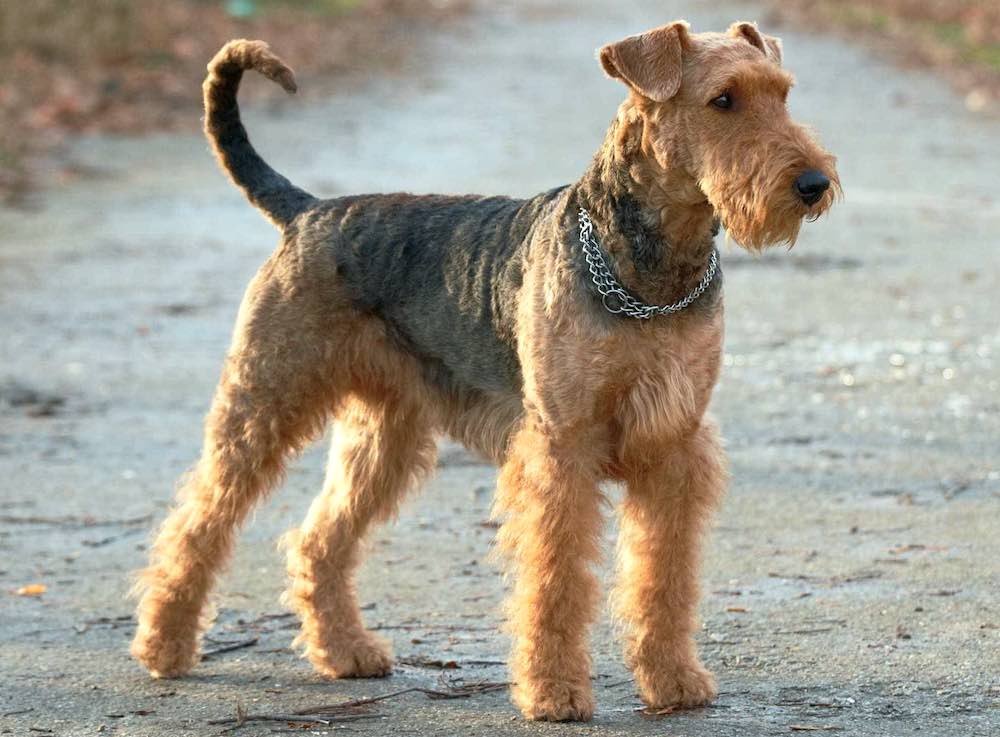
Terriers were bred for hunting, but they are friendly with people and make excellent companions. These friendly and energetic dogs also get along well with other dogs. However, keep in mind that Yorkies have fragile bones, so they are not recommended for families with children. They also become very attached to their people, do not tolerate loneliness well, and crave new experiences and walks. Therefore, if you only come home for a sleepover, a Yorkshire Terrier is not for you.
Read More about terriers.
Mexican Nude
The Xoloitzcuintli (Xolo), or Mexican Hairless Dog, is one of the oldest breeds native to Mexico. As the name suggests, it is hairless, except for a small tuft on its head. They reach 60 cm in length and have a harmoniously developed body with long legs. These dogs arrived in the USSR from Cuba in the mid-1980s.
Mexican Hairless Dogs are known for their docile nature. However, they have delicate skin that requires special care. However, Xolo owners certainly don't have to worry about odor. This breed sweats only through the paw pads and interdigital membranes.
Giant Schnauzer
This is the largest of all the Schnauzer breeds. Their ancestors were herding dogs, but today, Giant Schnauzers are considered hunting dogs. They can be loyal companions, but require training as they tend to be dominant. They have a coat that requires regular brushing, but Giant Schnauzers emit almost no odor. Giant Schnauzers are intelligent and can be used as service dogs; they have been used by the police and even the military.
Hungarian Shepherd
Sometimes people believe a dog's short coat is the key to odorlessness. But even short-haired dogs can smell and shed hair aggressively. The Hungarian Shepherd demonstrates that coat texture, not length, is what matters. These dogs have an undercoat that protects from the cold, and soft outer coat. They require regular brushing and frequent bathing, but remain odorless even in hot weather and are hypoallergenic.
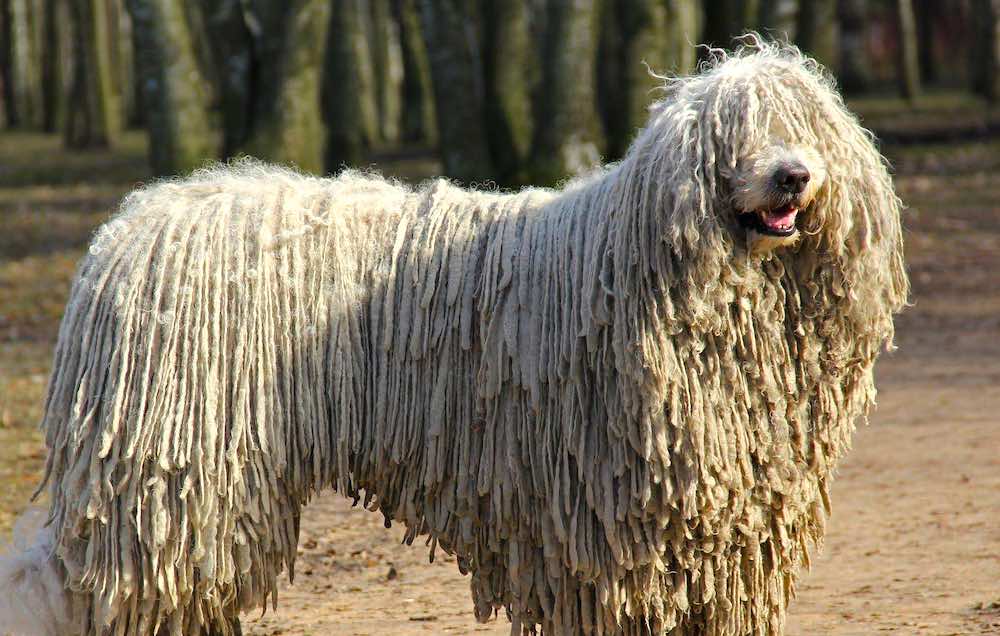
These dogs are a bit willful and love walks, especially in the mountains. They are also very intelligent and make ideal nannies or sports companions.
Brief conclusions
Not all dogs smell bad, and coat length isn't always a factor. If you're considering a pet but can't stand the smell, simply choose a breed that has the right characteristics for you.
Read also, What dog breeds are suitable for inexperienced owners?