Traveling is stressful for dogs. They can be frightened by loud noises, fast driving, and unfamiliar surroundings. It's the owner's job to make the journey comfortable and ensure their safety. This article offers tips to help your dog cope with the journey.
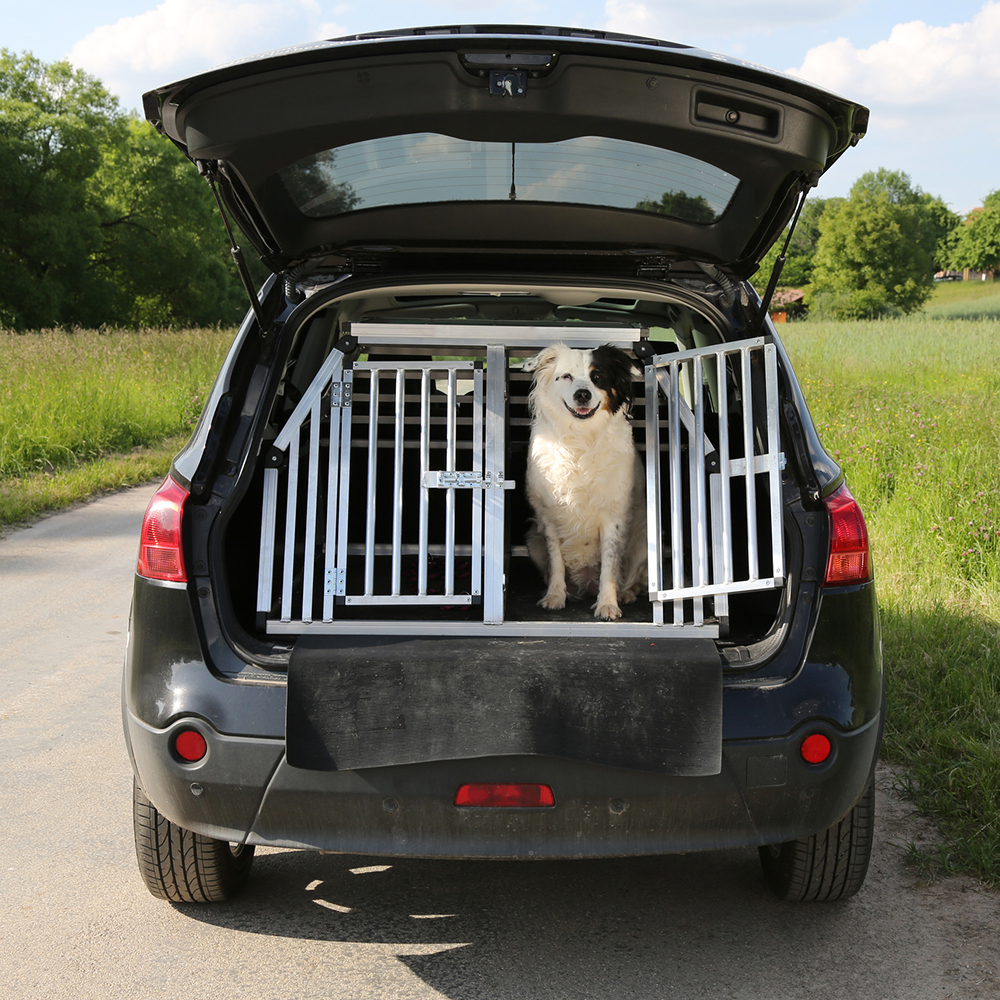
How to properly transport a dog in a car
There are several mandatory rules that an owner must follow when transporting a dog:
- During transportation, the animal must not obstruct the driver’s view, get tangled in the driver’s legs, or be near the pedals;
- You cannot transport a dog in the front seat without special fasteners, nor can you take the dog on your lap or place it on the floor next to the driver;
- It is necessary to adhere to sanitary standards.
It's best to gradually acclimate your dog to travel. Give your pet time to acclimate to the car interior. It's recommended to start with short trips. Gradually, your pet will get used to the road and will be better able to handle longer journeys. For short trips, it's best to place small breed dogs in a carrier. For larger animals, a hard-sided crate can be used. The carrier should be secured with fasteners and not restrict the animal's movement. Your pet should have access to fresh air. In hot weather, it's best to open a window to prevent heatstroke and motion sickness.
A dog can be transported in the back seat, secured with a special harness or seat belts. Using a collar is not recommended. A pet may suffocate during an emergency or sudden braking. When transporting without a carrier, line the seat with disposable pads or use seat covers. This will facilitate cleaning after the dog's journey. If possible, walk your pet approximately once an hour. Stressed animals require frequent toilet breaks. Walking should be done on a leash to prevent escape.
What to take with you on the road
Most dogs experience stress during travel. Your pet will tolerate the journey better if you bring a favorite toy or a familiar-smelling bed. Additionally, when transporting your dog, you'll need:
- Food and water. It's best to bring your pet's usual food, but be careful not to overfeed. Due to the peculiarities of the vestibular system, dogs may vomit. Bring plenty of water. Dogs lose a lot of moisture when stressed. Regular drinking improves their condition and helps them cope with the journey.
- First aid kit. You should bring emergency medications, as well as motion sickness medication and a mild sedative. Your veterinarian will provide a list of medications.
- Bowls, toys, accessories for maintaining pet hygiene.
- Documents. No documents are required for domestic transport, with the exception of hunting dogs. For interregional transport, a recent certificate of absence of infectious diseases is required. International transport requires an international passport, veterinary certificate, a microchip, and a special permit for rare breed dogs. It's recommended to bring a veterinary passport with a vaccination record on any trip to avoid any unforeseen situations.