Most "human" diseases are also common in pets. They can be diagnosed with cancer, internal organ pathologies, and circulatory system disorders. Dogs often suffer from epilepsy, the symptoms and treatment of which are similar to similar neurological problems in humans.
Content
The main types of epilepsy in dogs
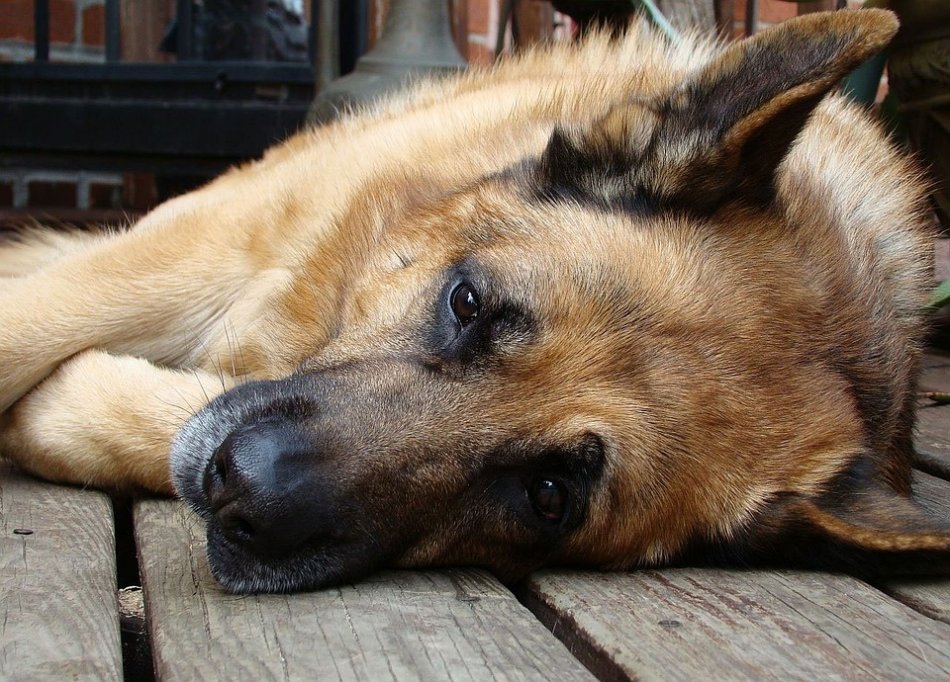
The most difficult years of life for a dog suffering from epilepsy are considered to be the second and third
Epilepsy is a disorder of the brain in which neurons fail to communicate with each other. The nature of the disease is poorly understood, but experts distinguish several types of epilepsy.
Idiopathic
True, or idiopathic, epilepsy is not associated with infection, trauma, or structural abnormalities of the nervous system or brain. This type of epilepsy is the most mysterious to veterinarians, as researchers have yet to identify its cause. The only reliable conclusion reached by scientists and doctors is a particular predisposition to epileptic seizures in certain dog breeds. Dachshunds, retrievers, collies, Labradors, German Shepherds and Poodles are considered to be at risk, especially between the ages of 1 and 5 years. Beagle dogs have been scientifically proven to inherit epilepsy.
Symptomatic
Refers to a secondary type of disease and may appear as a result of congenital developmental anomalies (hydrocephalus), brain pathologies, or past infections and injuries.
Symptomatic epileptic seizures occur in young dogs under one year of age or in those who have crossed the 5-year mark.
Reactive
It occurs as a concomitant disease in the presence of an underlying diagnosis or in response to toxic brain damage. Reactive epilepsy typically resolves after treatment for the underlying condition. It has the most favorable prognosis for recovery.
Cryptogenic
This is the most complex form of the disease, as its lesions are not detectable on MRI. It occurs after oxygen deprivation during childbirth or prolonged anesthesia during surgery. It is characterized by the fact that in 15% of cases it does not respond to the therapy used and seizures are not stopped by the use of medications.
Refractory
This is the next stage in the development of cryptogenic epilepsy. Characterized by resistance to medications. When it is impossible to continue treatment with medication, dog owners often decide to end their pet's suffering by euthanasia.
Causes of occurrence
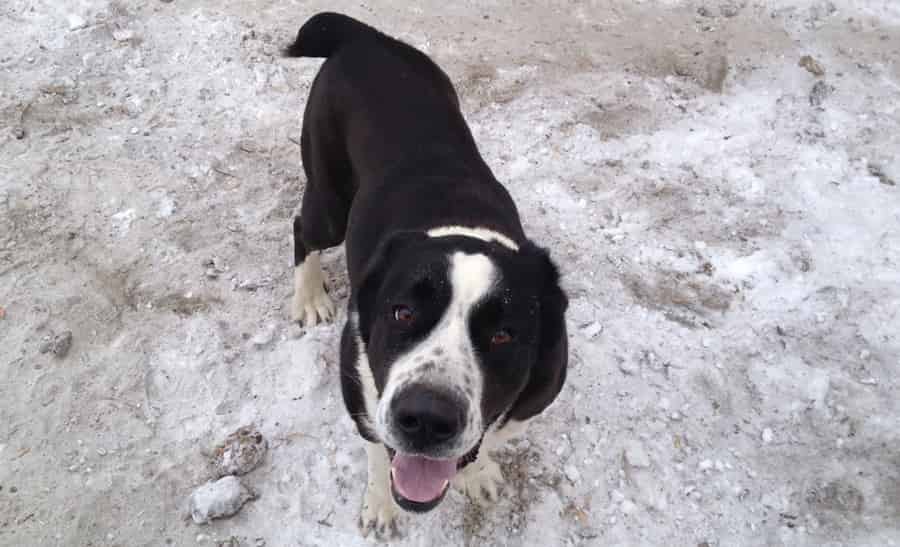
There is no specific action that triggers the attacks, as they all occur spontaneously.
True epilepsy is primary in nature, as its cause is believed to be genetic. The risk of developing the disease is greater within a direct line of inheritance—from mother to son. Several puppies in one litter may suffer from epilepsy at the same time.
All other types of the disease are secondary and have specific factors that contribute to the development of epileptic seizures:
- complication after previous infections - enteritis, distemper;
- developmental abnormalities or oncological diseases of the brain;
- decreased thyroid function;
- liver damage;
- low blood sugar;
- cardiovascular pathologies;
- poisoning of a dog due to helminthiasis or the entry of toxic substances into the blood;
- unbalanced diet, lack of B vitamins;
- head injuries.
Statistics show that hormonal imbalances increase the risk of epileptic seizures. Therefore, owners of female and neutered male dogs should closely monitor their dog's behavior, especially during periods of stress or emotional exhaustion.
Epilepsy is common in purebred dogs, but mixed-breed dogs are virtually unaffected. This may be partly due to inbreeding, which has resulted in breeds prone to epilepsy.
Symptoms

Symptoms can occur quickly, from a few seconds, or over a long period of time, about an hour.
The main sign of epilepsy is severe seizures in a dog. However, before making a definitive diagnosis, the veterinarian must rule out other conditions that can cause seizures:
- heart or lung diseases that may cause the dog to lose consciousness;
- Middle ear inflammation or vestibular dysfunction, when the animal loses coordination and tilts its head to the side. This condition resolves after a short time;
- whining and twitching during sleep;
- Reverse sneezing syndrome—the chest muscles contract sharply, air is drawn noisily into the larynx, and the dog freezes, arching its back. This phenomenon is completely normal, especially in small breeds and brachycephalic dogs—due to the short trachea and elongated soft palate, the soft palate retracts into the throat when inhaling.
The clinical picture of epilepsy in dogs is divided into several types:
- Absence, or petit mal seizure. Characterized by a seizure that can last from 5-7 seconds to 1-2 hours, the animal does not convulse; the unusual behavior consists of twitching of individual muscles and a glazed gaze. This condition is quite rare, and the dog owner may not notice the seizure. However, it is a manifestation of epilepsy, when the disease is confined to a single area of the cerebral cortex.
- Generalized seizure. It exhibits all the classic signs of epilepsy, with the dog's head thrown back, its entire body and limbs convulsing, and its breathing becoming noisy. At the height of the seizure, the dog may wet itself, and aggression and hallucinations are observed. The pupils dilate, the animal loses consciousness, or makes meaningless movements, such as pawing and pacing.
- Partial attack. Characteristic features include spasms of individual muscles, jaw biting, turning the head to the side and freezing in this position.
Idiopathic epilepsy is almost always accompanied by generalized seizures. In the lead-up to a seizure, a few hours or minutes beforehand, the dog may enter an "aura" state, characterized by increased anxiety, constant whining for no apparent reason, and fine tremors throughout the body. The dog may also exhibit a desire to flee or, conversely, hide.
Most often, epileptic seizures occur at night or early in the morning, so the owner must be alert for signs of a seizure. The duration of the period of active manifestation of the disease is up to several hours.
Large breeds are prone to seizures during vigorous activity, while small dogs may begin to shake during quiet activities.
If your pet exhibits at least one symptom characteristic of an epileptic seizure, it is necessary to undergo a comprehensive examination by a veterinary neurologist, take the necessary blood and hormone tests, and undergo hardware examinations.
How to stop an attack
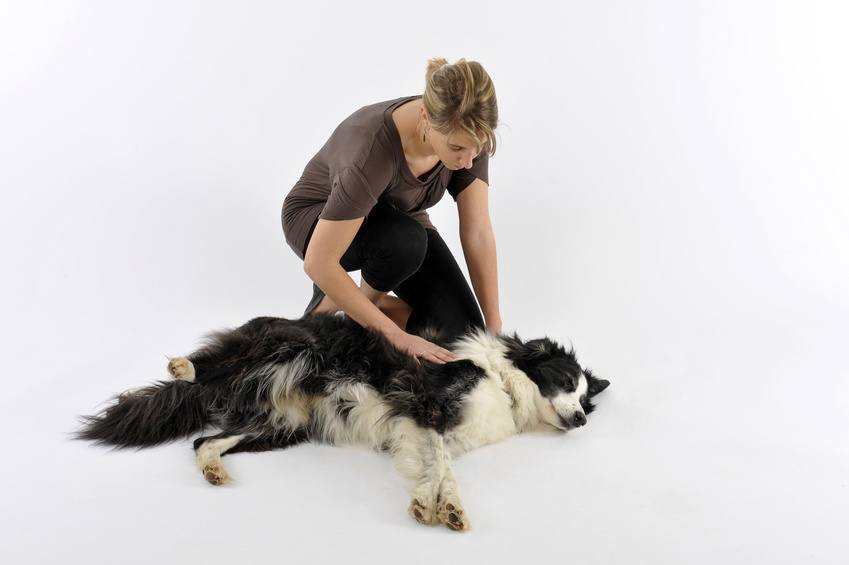
According to their characteristics, seizures are divided into behavioral, partial, minor and mixed.
At the first signs of an epileptic seizure, the owner must ensure the dog is completely at rest and provide first aid:
- To avoid injury, place a small flat pillow under the animal's head.
- Turn the head so that the dog does not choke on its own vomit or saliva.
- Take measures to cool the animal - wipe the belly with a damp cloth, point a fan towards the dog or open the windows.
- Ensure complete silence in the room, remove other animals and children from the room.
- Call your dog's name from time to time - it is believed that the animal can more easily endure a seizure if it hears its own name and the calm voice of its owner.
Avoid attempting to pry a dog's jaws open with the intention of inserting an object into its mouth (similar to a human attack), as this could cause injury to the animal's oral cavity. Furthermore, the force of a dog's bite is such that the owner risks serious injury.
During a seizure, the owner should remain with the dog. If the attack does not stop within 1–1.5 hours or a high fever is observed, the animal must be taken to a hospital immediately.
If the seizure ends at home, your pet should be provided with complete peace and security. The animal may remain aggressive for some time. Therefore, it's advisable to limit its movement and try to calm it as much as possible.
It is not recommended to administer any medications during a seizure. It is only necessary to record the onset time and duration of the seizure in a diary. After the dog has been examined, the veterinarian may prescribe anticonvulsants to alleviate the seizure. Before this, even a simple sedative can cause harm.
Treatment
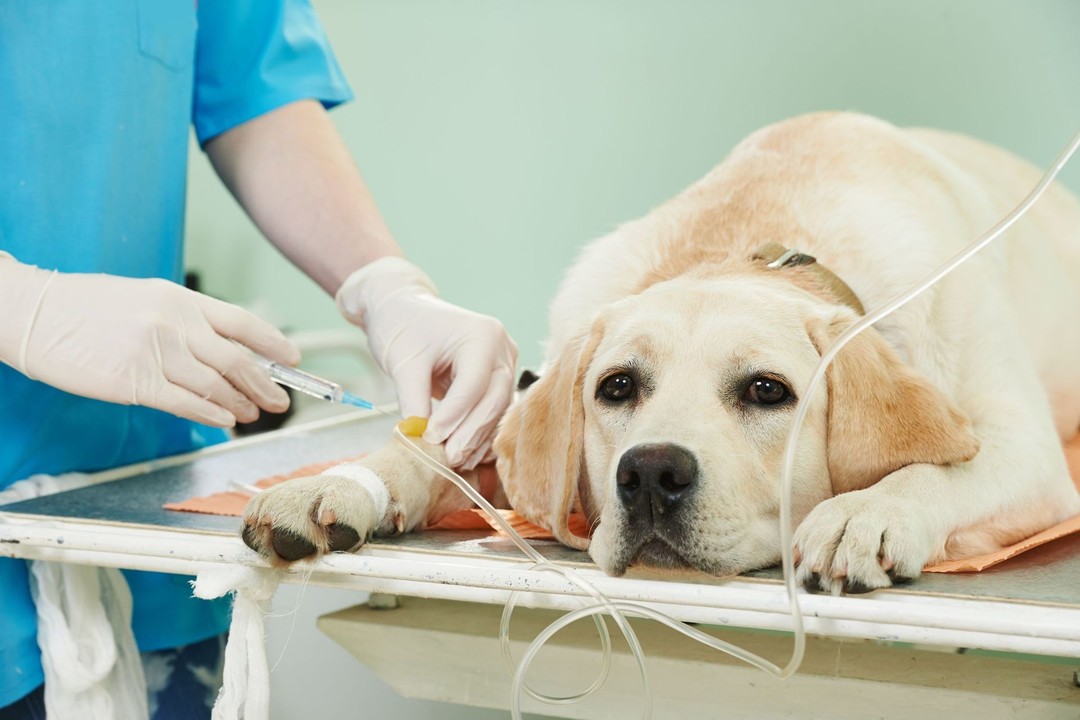
A veterinarian prescribes medications for the treatment of a pet after conducting all the necessary examinations.
If a dog is diagnosed with epilepsy after collecting an anamnesis and undergoing a comprehensive examination, it will have to be treated for the rest of its life, since this disease is incurable. Permanent and sustainable remission, where seizures cease completely, is also unattainable. The veterinarian's job is to prescribe medications that will prolong the time between seizures as much as possible.
If a pet's epilepsy is reactive or symptomatic, attention is focused on treating the underlying condition causing the seizures. Often, surgery for hydrocephalus or detoxification results in a complete recovery, and seizures cease completely.
In true epilepsy, anticonvulsant medications are indicated if seizures occur more than once a month. In such cases, sedatives are prescribed:
- Phenobarbital. It is characterized by its rapid action and the possibility of using it in different dosage forms.
- Phenytoin. It relaxes muscles and has a pronounced anticonvulsant effect. However, it does not have a sedative effect.
- Diazepam. It helps stop an attack at the very beginning, but it doesn’t work for long.
In acute cases, during a seizure, dogs are given chloral hydrate enemas or hexamidine powder. These medications can alleviate grand mal seizures in affected animals.
All pharmaceutical medications should be administered only as prescribed by a veterinarian and under strict supervision. Some medications have significant side effects, including depression and drowsiness, and adverse effects on the liver and gastrointestinal tract. If your pet exhibits any signs of illness after taking anticonvulsant therapy, it is important to inform your veterinarian so that alternative medications can be prescribed.
The effectiveness of epilepsy medications is achieved only with regular administration at the prescribed dosage. Dog owners must be prepared to administer the prescribed medication daily, often at specific times. Blood tests are performed quarterly to determine the drug concentration.
In addition to specific anticonvulsants, the dog may be prescribed preventative medications - B vitamins, Omega-3, valerian. To alleviate the condition of a sick animal, alternative medicine methods are used - acupuncture or homeopathic remedies.
If epilepsy is refractory, conventional drug therapy is often ineffective. Specific medications such as levetiracetam and libromide (potassium bromide) can help reduce the frequency of seizures.
Caring for a sick pet
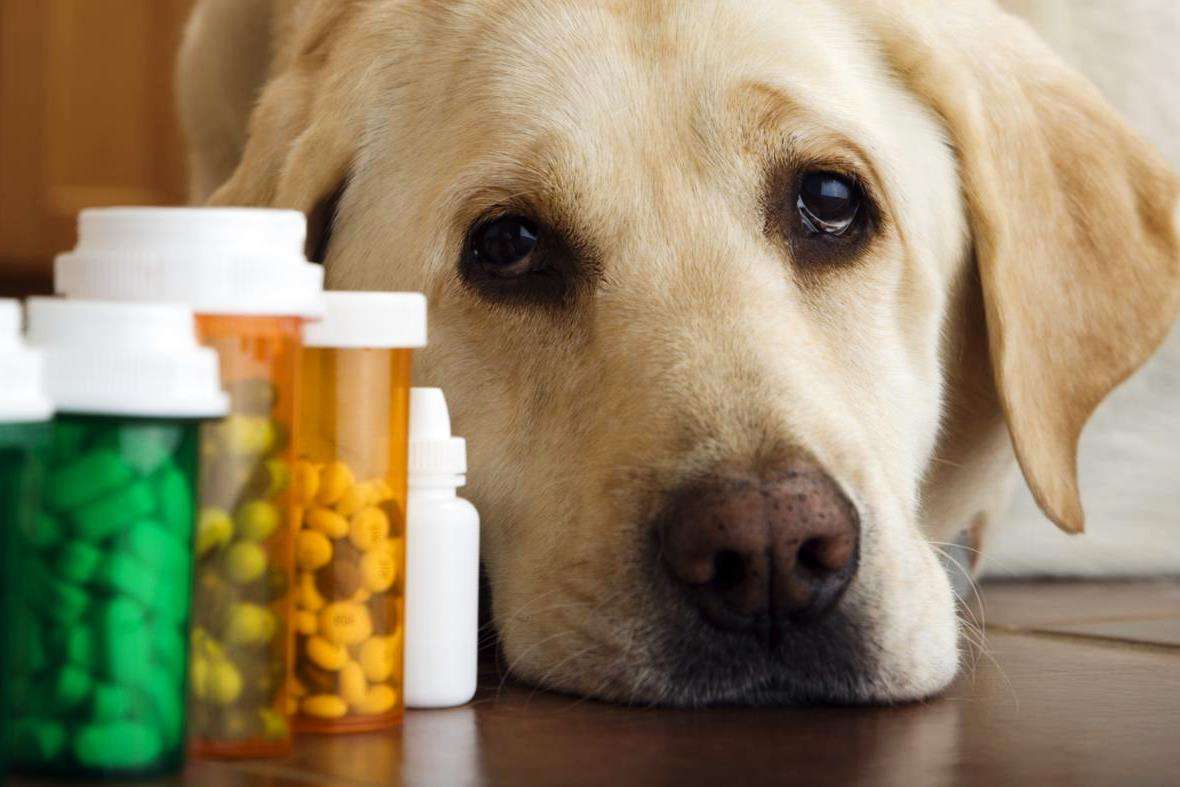
Unfortunately, not every dog owner can handle the care and lifelong treatment of a pet.
Just a few decades ago, epilepsy meant death for a sick dog. Today, with timely diagnosis and appropriate anticonvulsant medication, an animal can live quite a long time. The fullness of his life depends entirely on the owner - the owner must provide the dog with comfortable living conditions and regular medication.
To prevent attacks, it is necessary to follow important recommendations:
- avoid physical and emotional overload - active games, visiting training grounds;
- do not stress the dog by participating in exhibitions, do not allow mating;
- During walks, allow your dog to interact with other animals, but be careful not to overexert them. If your pet shows signs of a seizure, take it home immediately, as other animals may attack it.
The owner should pay special attention to the dog's nutrition. If your pet is accustomed to dry food, choose brands with reduced protein content. Generally, veterinarians do not recommend feeding dry food to epileptic dogs, as the ingredients may not match the label, and kibble may contain excess sodium or protein. Therefore, the dog's owner will need to ensure the dog's food is prepared from natural ingredients.
When feeding natural food, it is necessary to reduce the meat content as much as possible and under no circumstances add salt to the food. To enrich the feed with vitamins and microelements, it is advisable to use the following products for preparation:
- millet is a source of potassium;
- boiled fatty sea fish is a source of Omega-3 polyunsaturated acids;
- Legumes are a plant protein that compensates for the lack of animal protein;
- Boiled carrots are a source of vitamin B, manganese, and potassium.
Even if the prescribed medications are taken promptly, no one can guarantee the absence of seizures, and the owner cannot be with the dog 24/7. To ensure maximum safety for the pet, it is advisable to place it in a special room or makeshift enclosure free of sharp corners and breakable objects while the owner is away.
However, when setting up the space, do not turn the enclosure into a cage - being locked up can cause emotional overexcitement in the dog and provoke another seizure.
Consequences and forecasts
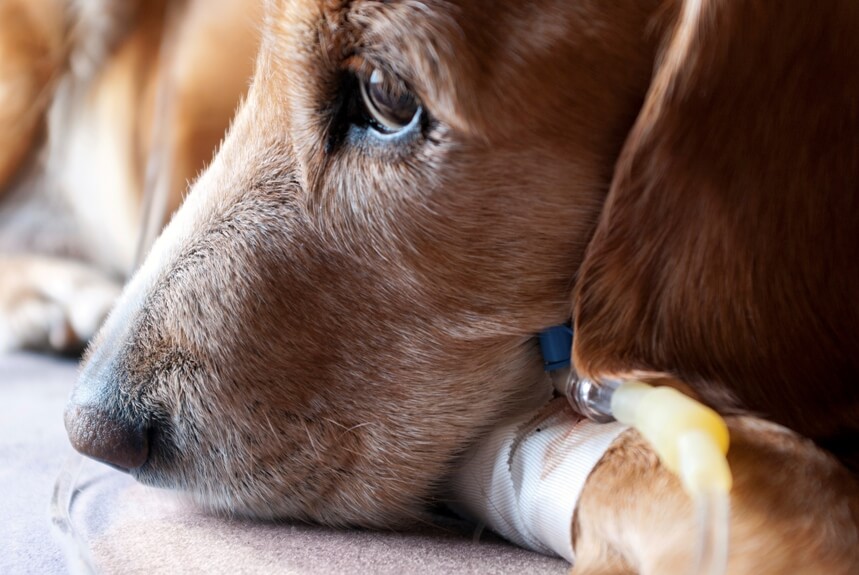
By following certain living conditions for a pet with epilepsy—diet, moderate exercise, and so on—it is possible to completely eliminate the consequences of the disease.
The prognosis for epilepsy in dogs varies from case to case. It depends on the severity and frequency of seizures, the cause of the disease, and its progression. Regardless of these factors, the dog's living conditions and care are paramount.
The life of a dog with epilepsy is entirely dependent on its owner. With the necessary knowledge about how to stop seizures in dogs and proper epilepsy treatment, you can extend and improve your pet's quality of life. Timely veterinary care and adequate treatment, regular administration of anticonvulsants, and ensuring the dog's calm state can minimize the number of seizures to just a few per year. Under these conditions, the life expectancy of an epileptic dog is almost comparable to that of healthy representatives of this population.
Only severe status epilepticus poses a risk to a dog's life—when seizures follow one another and drug therapy is of limited benefit. In this case, the animal may die from cerebral edema or respiratory arrest during chest muscle spasms. The severity of this situation requires immediate hospitalization and intensive care. In extremely severe cases, the dog may be euthanized.
A dog diagnosed with epilepsy has the right to a full life. Increased attention from all family members, adherence to maintenance and care guidelines, and proper treatment under veterinary supervision are the key to ensuring a happy pet, despite its serious illness.



 Vladilav
1 comment