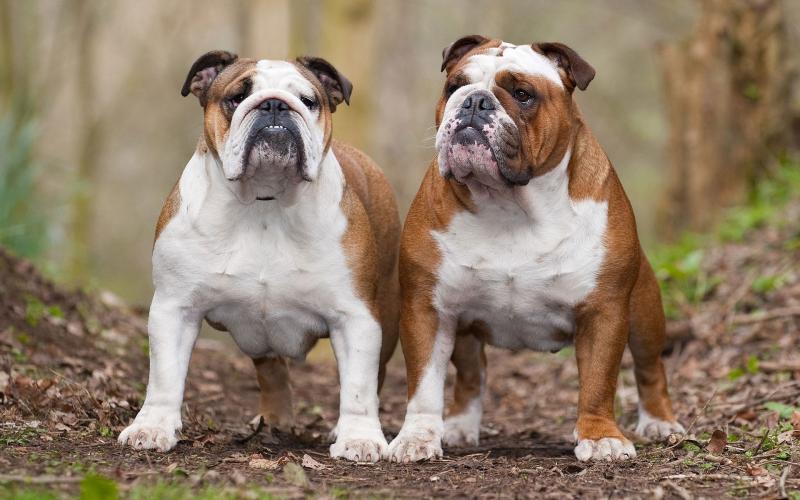
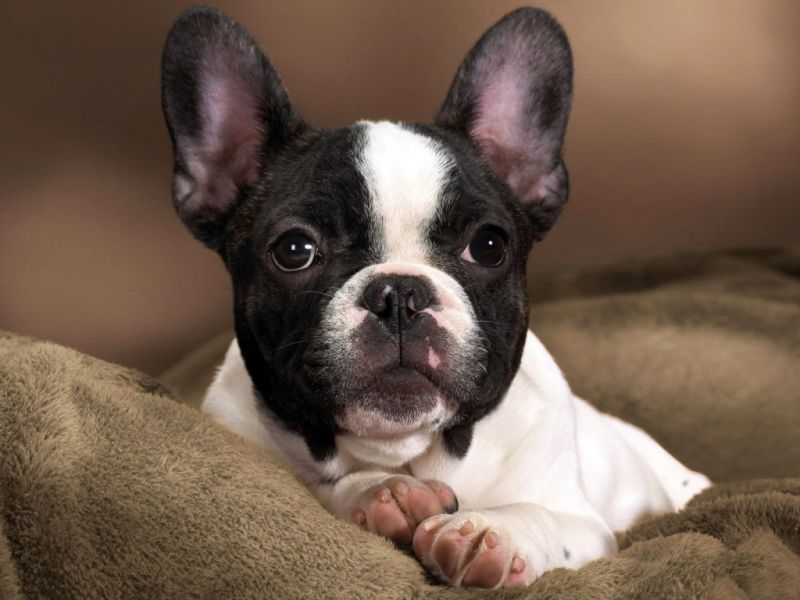
The American Bulldog is one of the closest relatives of the Old English Bulldog. This breed has been known since the 19th century, but only became popular in the last decades of the last century. These dogs are known for their uncompromising nature and are considered excellent watchdogs. Before getting an American Bulldog, it's worth familiarizing yourself with their appearance, character, training and care requirements, and lifespan.
Description and breed standard
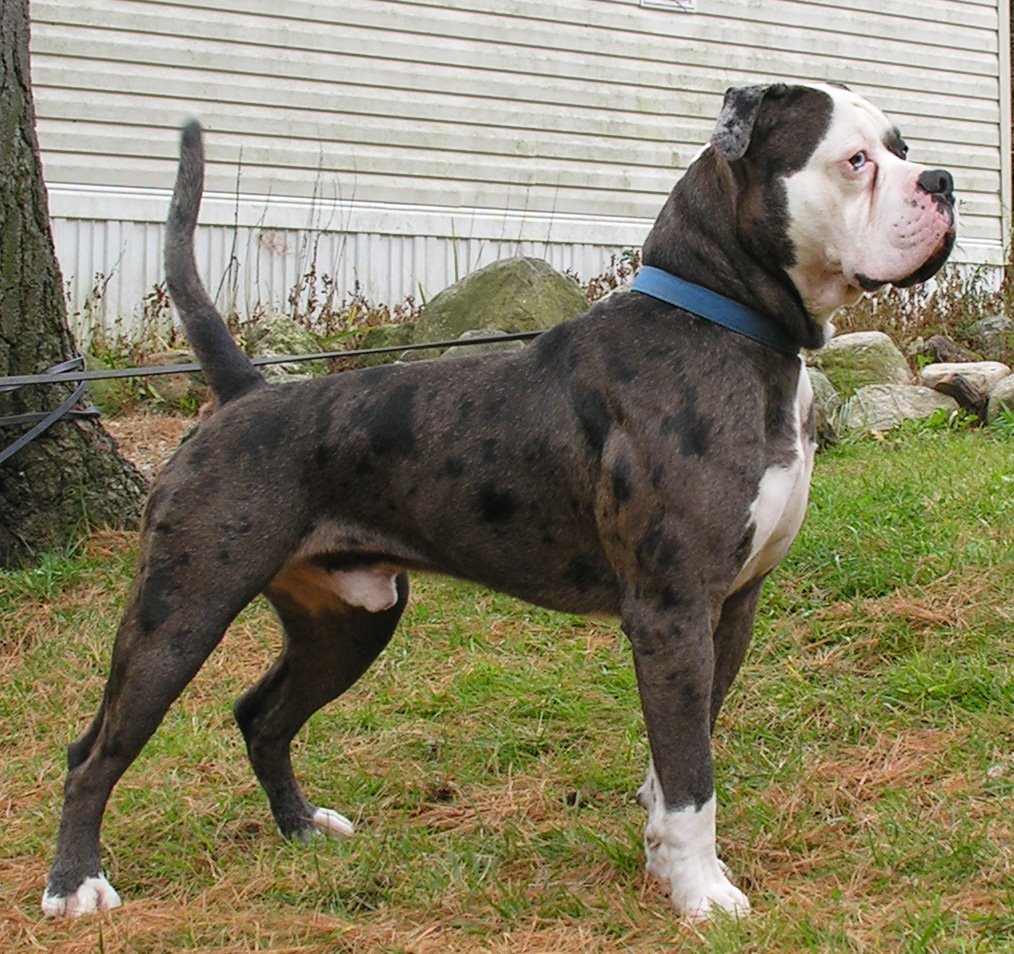
According to the RKF standard, the American Bulldog belongs to group 2 (pinschers, schnauzers, molossers, mountain dogs and Swiss cattle dogs). This breed is not recognized by the International Canine Organization (FCI). Adult males stand between 58 and 68 cm tall, while females do not exceed 65 cm. Males weigh between 45 and 60 kg, while females weigh between 35 and 50 kg.
There are two varieties of American Bulldog:
- Classic (Johnson type). These dogs are closer to the older type of English Bulldog. They are distinguished by their short muzzle, well-developed bone structure, and guarding qualities.
- Standard (Scott type). These dogs are more athletic and bred for prolonged pursuit of prey. They have light bones and an elongated muzzle.
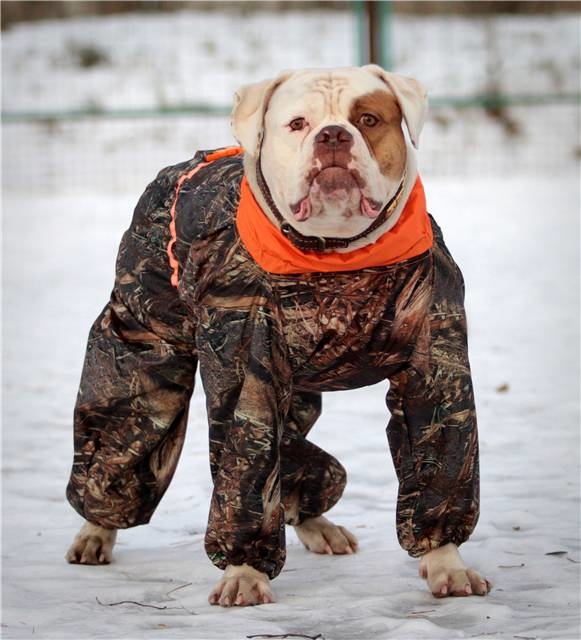
To ensure a bulldog's well-being, it needs at least one hour of exercise per day. In the summer, it's best to walk the dog after sunset or early in the morning, as this breed doesn't tolerate heat well. In winter, when temperatures drop below -10°C (14°F), the dog should be given a special jumpsuit to prevent colds.

You should buy a variety of toys for your bulldog. Medium-sized balls and artificial bones are suitable for training commands. You will also need:
- bed;
- 2 bowls on stands for food and water;
- treats for training.
Care
Grooming an American Bulldog is quite simple. You can entrust the procedure to a professional groomer or do it at home. Grooming includes:
- bathing;
- eye cleaning;
- oral and dental care;
- combing out wool.
It is also important to know what to feed an American Bulldog, as this breed is prone to developing allergic reactions.
Grooming
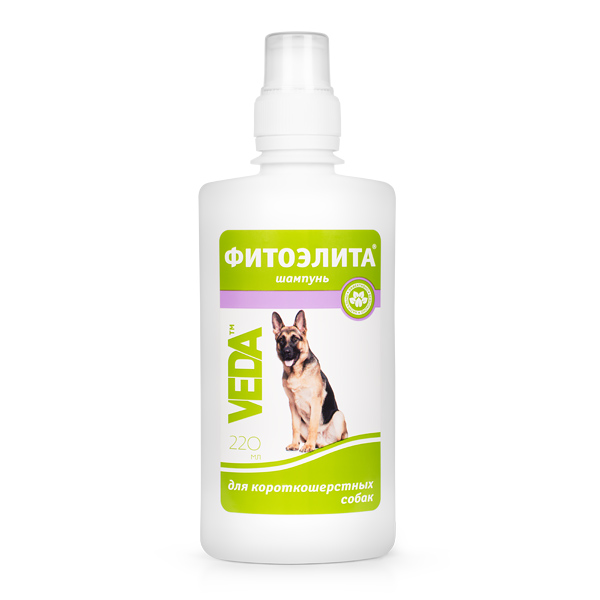
An American Shepherd should be bathed no more than 3-4 times a year, preferably in the spring and summer. For bathing, use a specialized shampoo for short-haired breeds. After walks, wipe your pet's paws with a damp cloth.
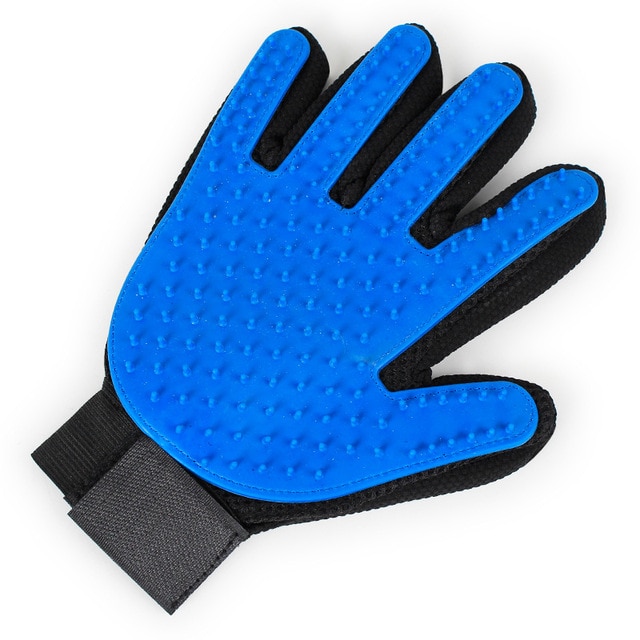
The dog's coat should be combed once a week using a special mitten or a bristle brush. It's also important to monitor the condition of your pet's skin, as moisture accumulates in the folds of its face. This moisture should be removed with wipes.
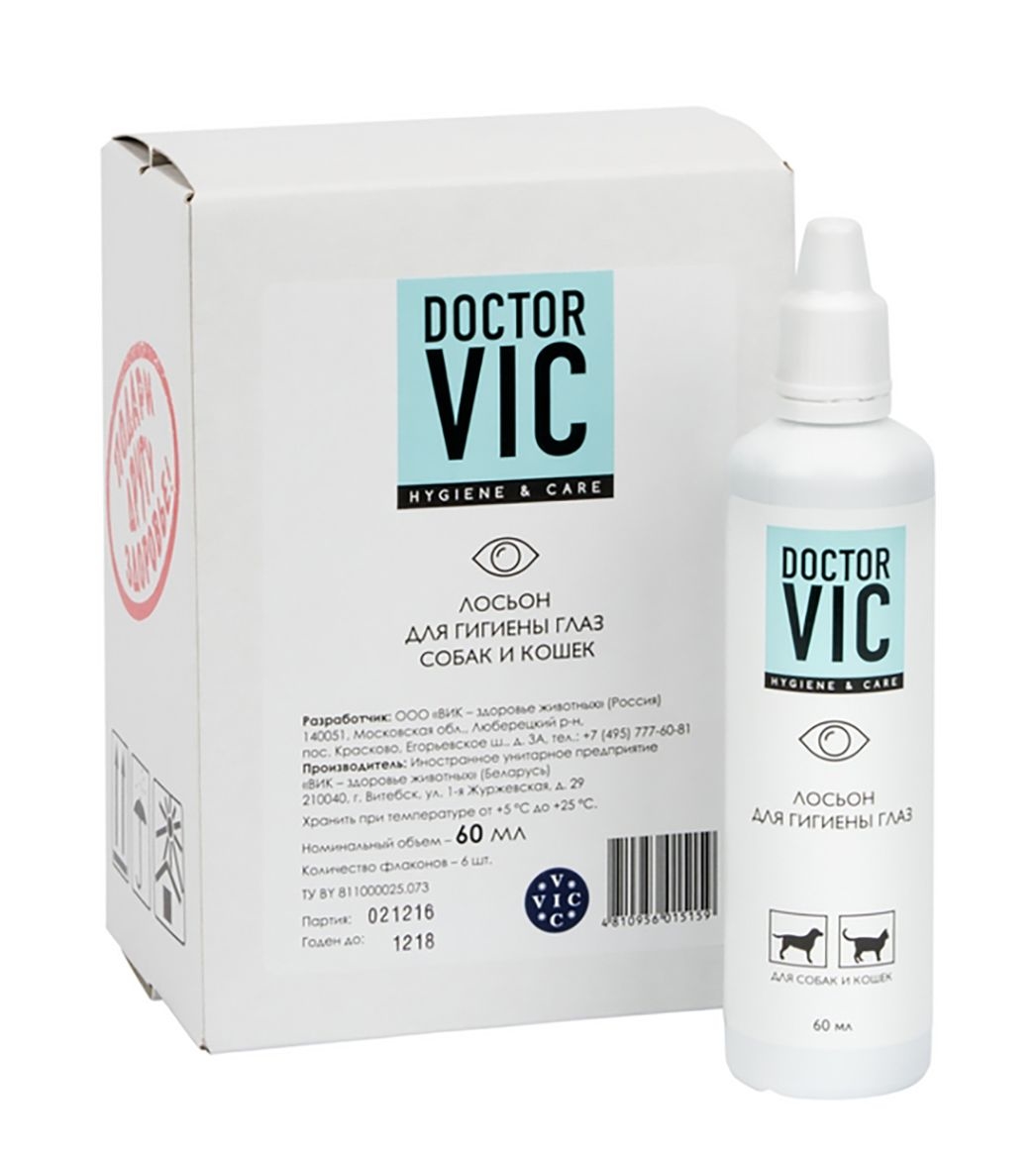
Bulldogs with short muzzles tend to produce excessive tears, and their eyes require special care. Regularly remove discharge with a cotton pad soaked in a special lotion. Excess saliva should also be removed from the corners of the dog's lips daily with a dry cloth.

Your pet's teeth need to be brushed regularly. Use a specialized toothbrush and toothpaste for dogs. If desired, teeth cleaning can be performed at a veterinary clinic.
Diet planning
Particular attention should be paid to creating a balanced diet. American Bulldogs benefit from a mixed diet, which includes feeding natural food and commercial feed. An adult pet needs to be fed twice a day.
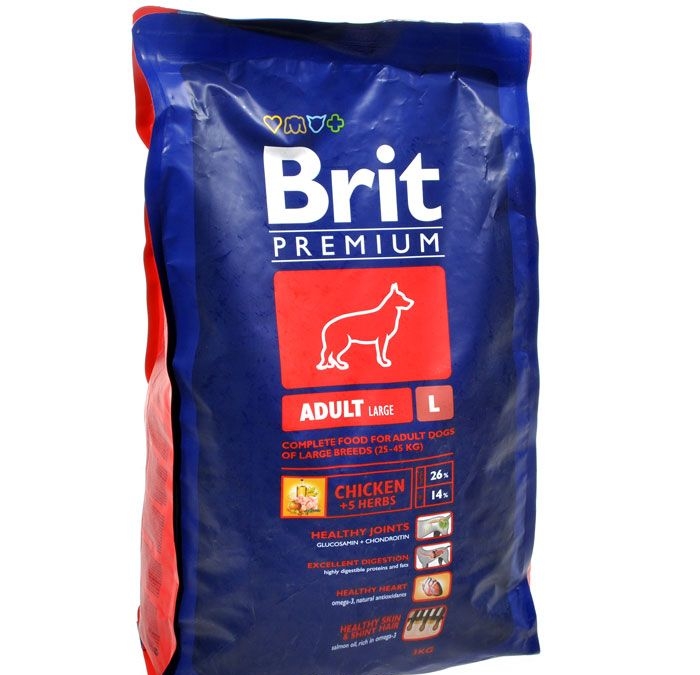
As for commercial pet food, initially your dog should be fed the same food it received at the kennel. Over time, you can choose between wet and dry food based on your pet's preferences. However, it is important to remember that the prepared food should be at least premium, as only it contains all the vitamins and microelements necessary for the dog's body.
Natural foods should be used as complementary feeding. American Bulldogs can be fed:
- raw lean meat and offal (must be frozen in the freezer beforehand);
- boneless sea fish (can be given twice a week);
- pureed raw fruits and vegetables (you can make puree from them);
- porridges made from various cereals in meat or vegetable broth;
- fermented milk products (cottage cheese, low-fat kefir).
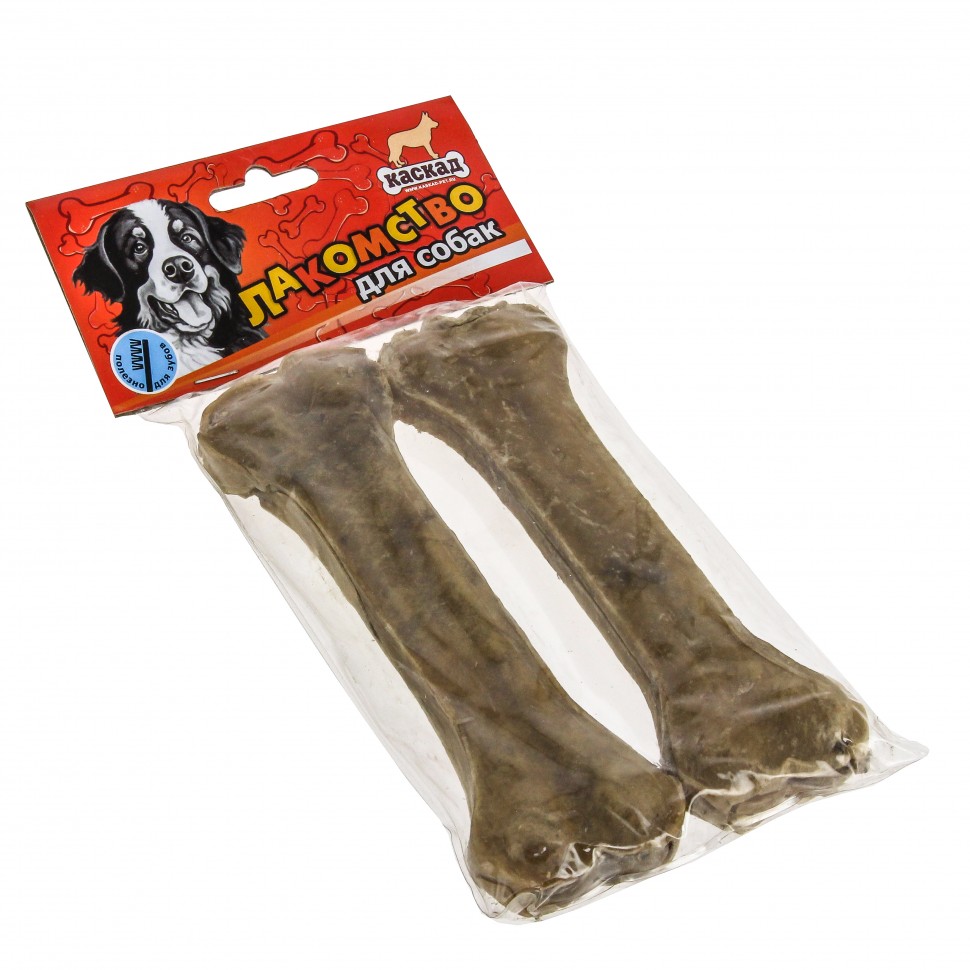
Pet stores sell sinew bones that can be given to dogs as treats. Feeding an adult dog milk, pasta, or bread is not recommended. Avoid adding salt, pepper, or spices to food. Feeding a bulldog from the owner's table or giving it sweets is not recommended. A bowl of filtered water should always be readily available.
Health
According to most veterinarians, this dog breed is susceptible to the greatest number of diseases compared to other purebred dogs. The reason for the poor health of American Bulldogs lies in their physical characteristics. They are most often diagnosed with:
- hip dysplasia;
- discopathy (a general term for diseases of the intervertebral discs);
- immunodeficiency;
- congenital deafness;
- eye diseases (cataract, entropion, strabismus);
- skin diseases (eczema, dermatitis, seborrhea, hyperemia);
- pulmonary artery stenosis;
- diseases of the cardiovascular, respiratory, endocrine and circulatory systems;
- tumor of the perianal region.
American Bulldogs are prone to developing allergic reactions. Most often, allergies are food-related, and a balanced diet can help prevent them. Other allergens can include outdoor chemicals used in winter, insect bites, and household chemicals.
To prevent the development of dangerous diseases, your dog should be taken to the veterinarian at least once a year. Treatment of any illnesses should also be carried out under the supervision of a specialist.
The average lifespan of this breed is 10-12 years. However, American Bulldogs are also known to live up to 18 years.
Breeding
Breeding American Bulldogs requires specific knowledge. A purebred partner should be selected for mating to avoid degeneration. Representatives of this breed They are physically ready for breeding only after reaching 2 years of age, but by law it is allowed to mate at 1.5 years of age.
Females come into heat twice a year and last about 20 days. It first occurs between 7 and 10 months of age. It is recommended that mating be performed in the male's territory. It is advisable to repeat the procedure twice.
American Bulldogs' gestation period lasts approximately two months, and they give birth to no more than 15 puppies. To ensure proper development, approximately 5-8 puppies are retained in a litter, culling the rest. Complications during labor are common, and for this reason, regular veterinary visits are recommended.
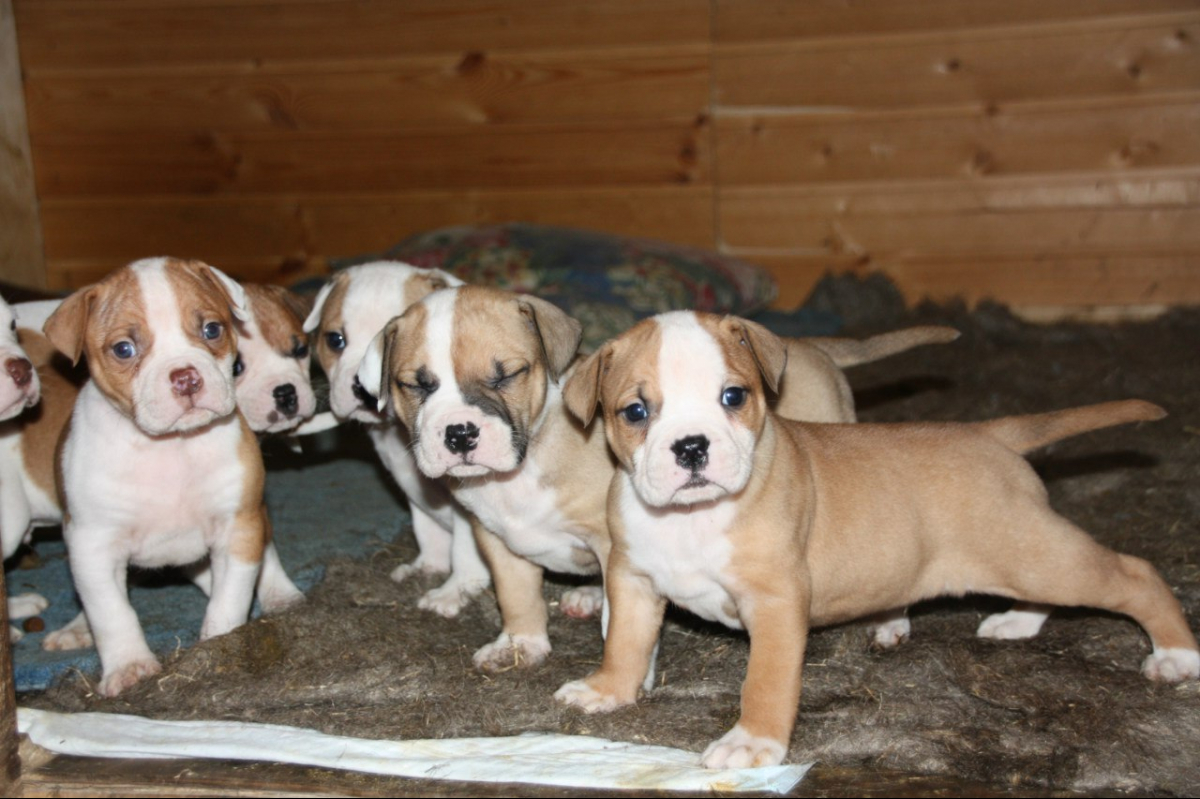
The puppies are born blind and deaf, weighing no more than 0.5 kg. They can be weaned after two weeks. Newborn puppies need to be fed six times a day. They need milk and 150 g of meat per day. At two weeks old, the puppies should be transitioned to five meals a day, reducing the frequency of feedings and increasing the amount of meat in their diet. Weaning should be introduced gradually, completely replacing mother's milk only after one and a half months.
Diet is an important part of caring for a bulldog puppy. Puppies gain weight rapidly and should not be fed fatty foods. It should include:
- raw frozen meat (except pork);
- chopped fruits and vegetables;
- boiled offal with broth;
- fermented milk products (goat's milk, low-fat cottage cheese);
- chopped raw sea fish without bones and fins;
- egg yolks;
- seafood.
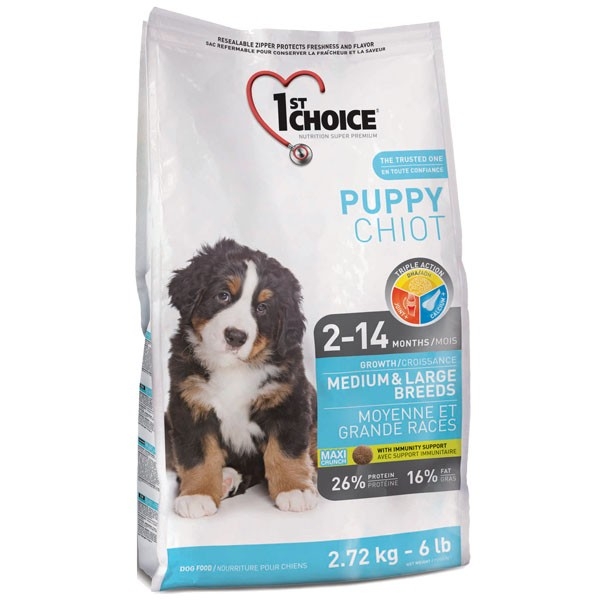
It's best to cut the meat into chunks. Over time, you can introduce premium dry puppy food into the puppy's diet. You cannot give small bulldogs food from the owner's table, sweets, pickles, potatoes and beans.
Puppies should receive their first vaccination at two months of age. Only after this vaccination can they be taken outside. Walks should be moderate in intensity. Initially, walks should be 30 minutes long, gradually increasing to 1.5-2 hours.
American Bulldogs are loyal companions and reliable guardians. However, they require a lot of time to train. This breed is best suited for active people, as they will be an excellent partner for jogging and sports. Families with small children and older adults are better off choosing other breeds, as they may find it difficult to manage a lively Bulldog.