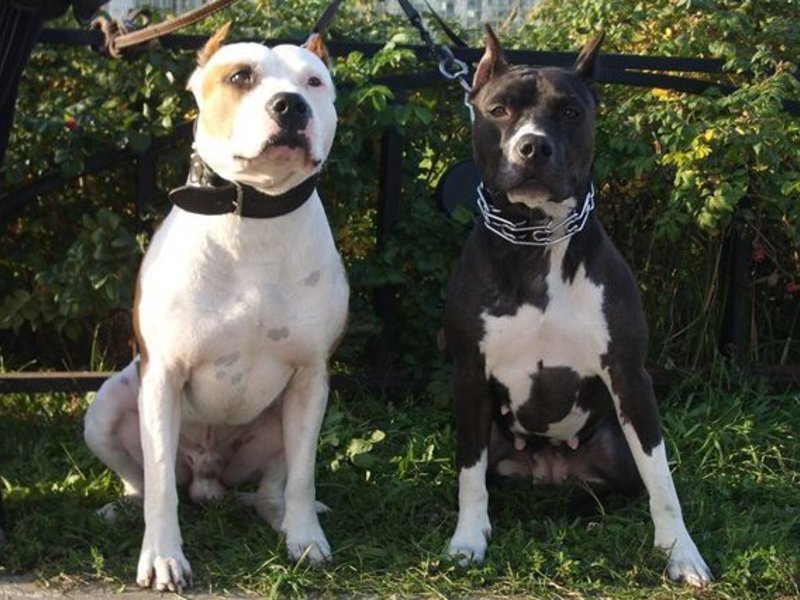
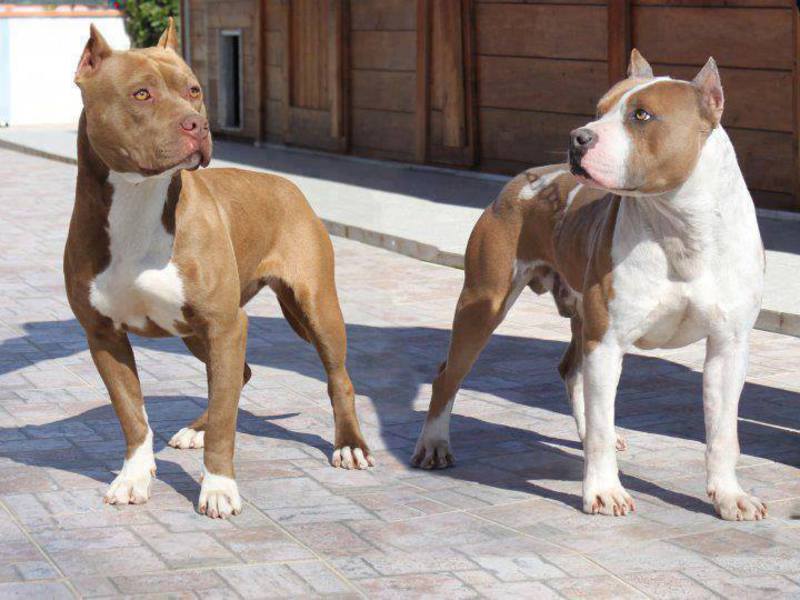
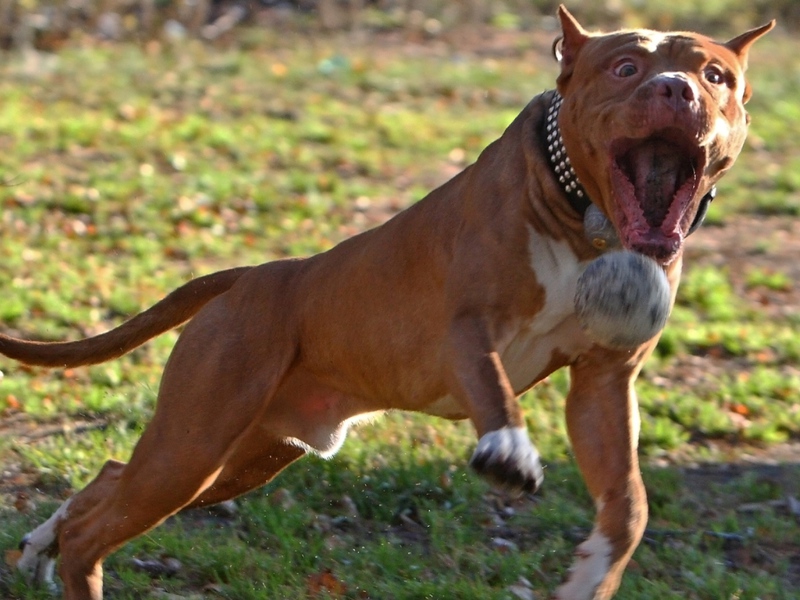
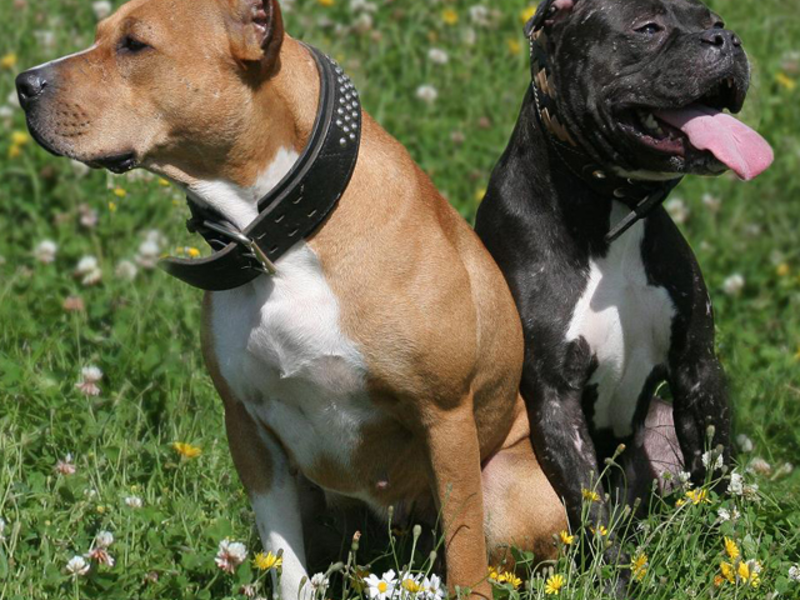
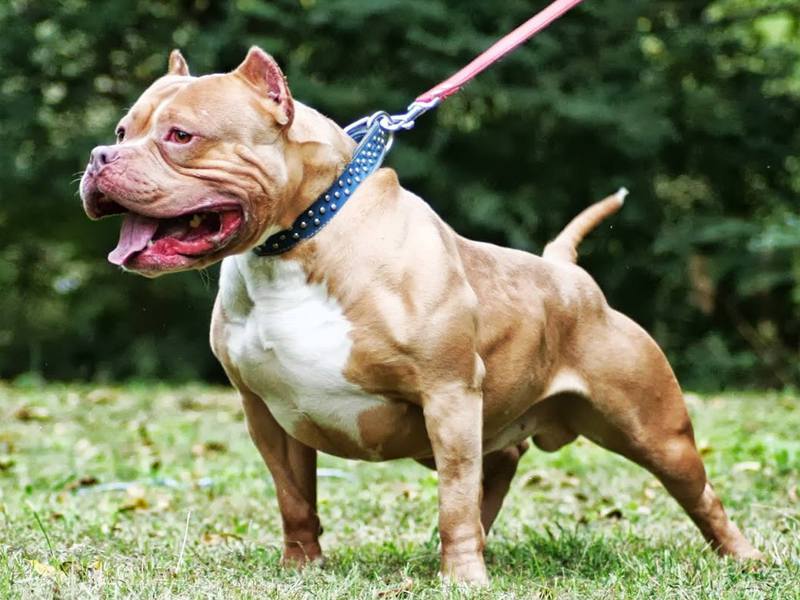
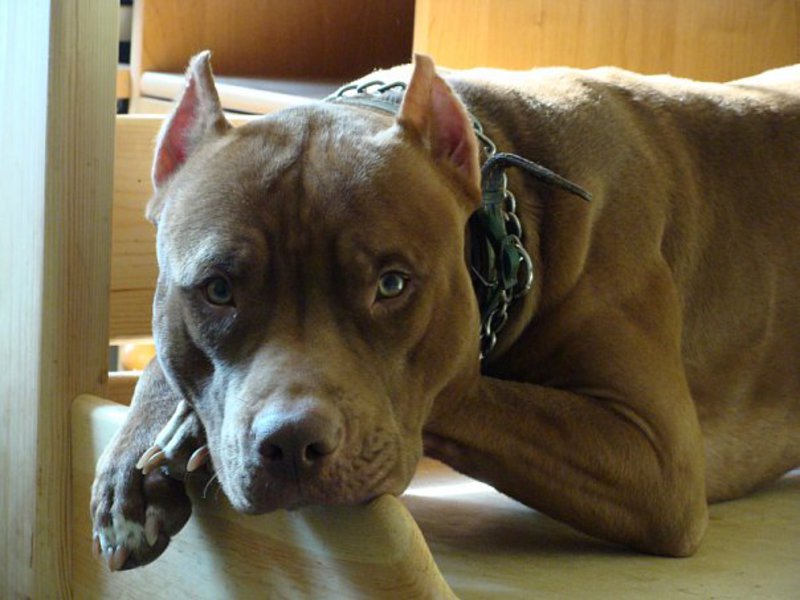
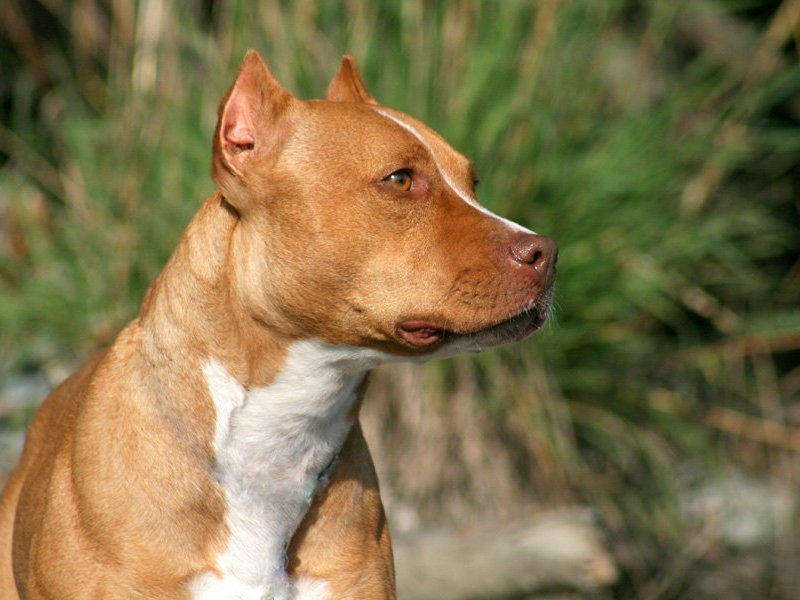
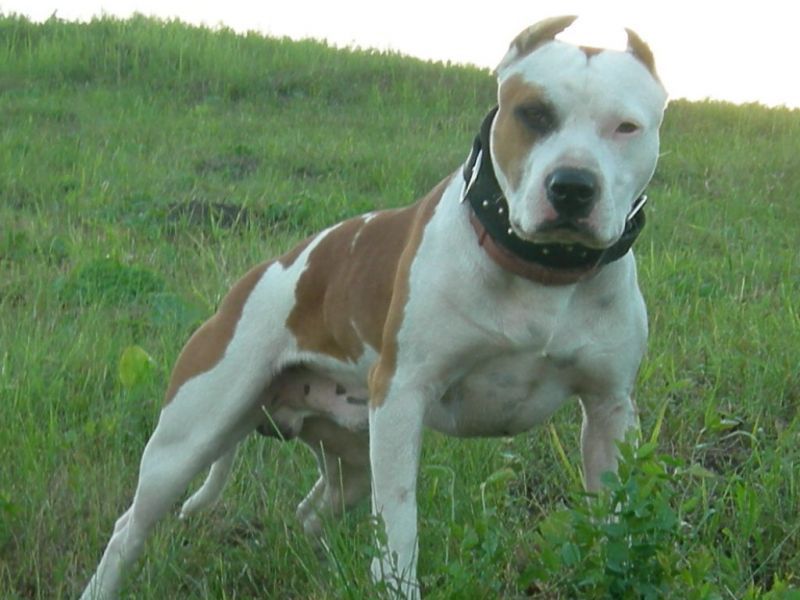
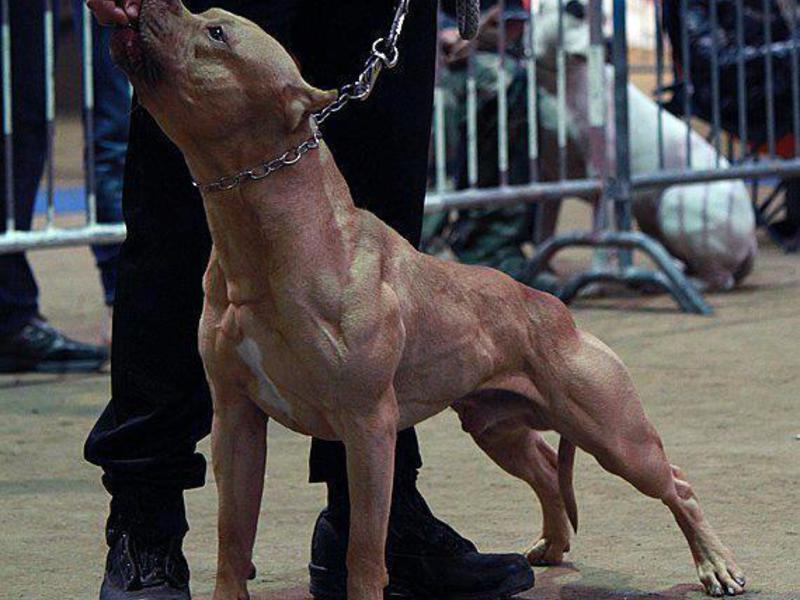
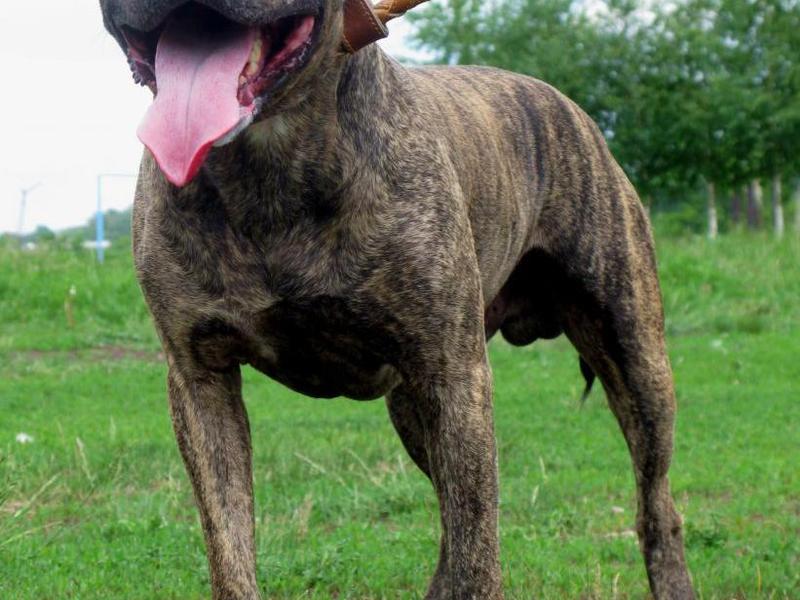
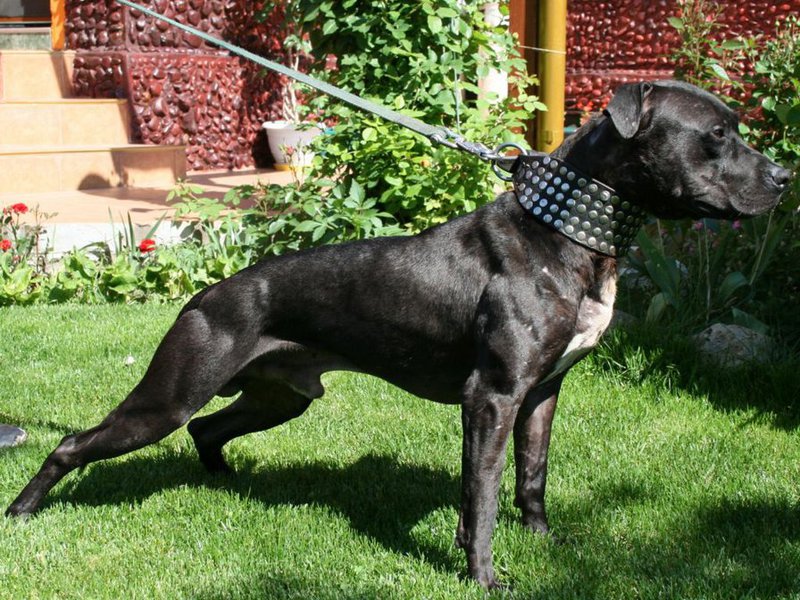
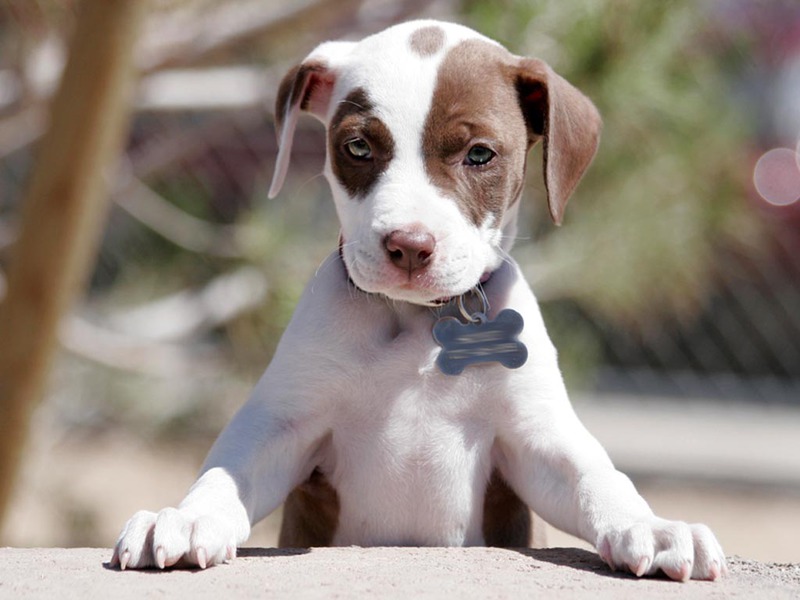
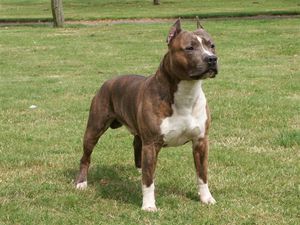
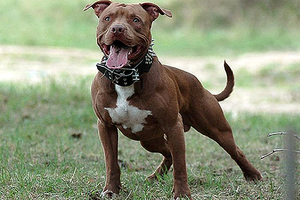
 Seeing this "cute little dog," passersby are unlikely to want to come closer and pet it; rather, on the contrary, they will try to quickly retreat before the "cute" gets the idea to "get to know" them better.
The Pit Bull, or American Pit Bull Terrier, is a mysterious creature: obscure origins, a frightening appearance, and a not-so-great reputation. But is the devil really as scary as he's painted?
Content
American Pitbull – characteristics and photos
Story
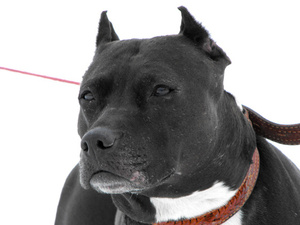 Images of dogs similar in appearance to modern pit bulls have been found in Abyssinian and Tibetan burials. Furthermore, in the 2nd millennium B.C., similar dogs bred in the territory of modern Europe, about which there is also evidence.
Ancient pit bulls were larger than modern ones, and their primary purpose was to hunt large game—bears, boars, and so on. In those ancient times, local nobility enjoyed not only hunting but also dog fighting, which required animals with massive jaws and powerful builds. Pit bull terriers were called "killer dogs," and their breeders made a fortune from this practice.
In fact, the American Pit Bull Terrier's homeland is not the United States at all - the breed was bred in Britain and Ireland For dog fighting, as well as for hunting and sporting entertainment. At that time, this breed didn't yet have a name. Under British law at the time, only wealthy people were allowed to keep large dogs, while the poor were forced to use smaller bulldogs and terriers to guard their homes.
Over time, the bull terrier breed developed, and a little later it became known as the pit bull terrier. During the colonial era, these dogs arrived in America and immediately caught the attention of the locals. American scientists invested considerable effort and resources into improving the breed.
However, pit bulls' involvement in dog fights, along with rumors of their incredible aggression and reputation as killers, took their toll. Mass unrest erupted across the country, and even rallies were held demanding the eradication of the once-beloved bull terriers. But once people realized that all accidents involving this breed were human-caused, the anger subsided. Indeed, an animal's behavior depends on its upbringing—a properly trained pit bull is quite reasonable and peaceful. It will always distinguish right from wrong and will never attack first.
Standard
American Pit Bulls are divided into two types.
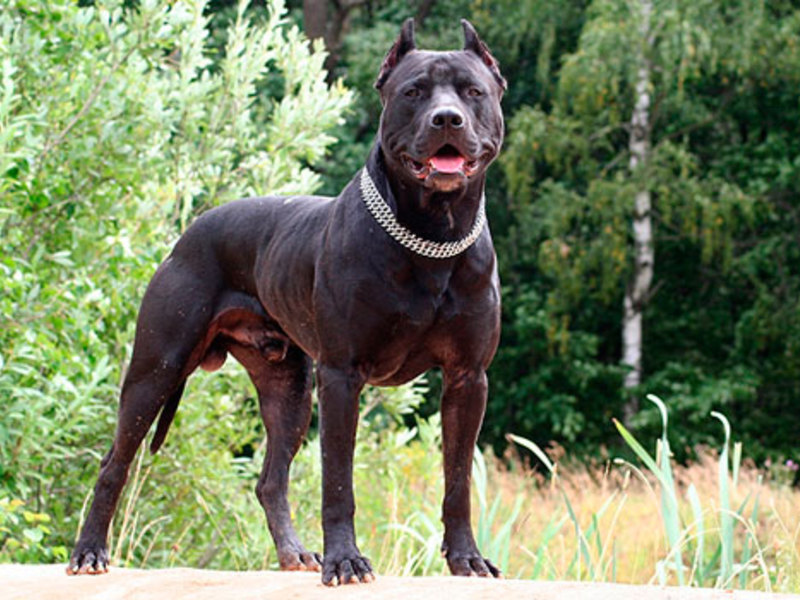
BulldogThe emphasis is placed on the animal's fighting qualities: fitness—the dogs are lean, but at the same time have clearly defined muscles and endurance.
 The head is wedge-shaped with a scissor bite, ellipsoidal eyes and a clearly defined bridge of the nose.
- The limbs are muscular, dry, springy, parallel, very powerful.
- The neck is long and muscular.
- The loin is proportionate to the body. It should not be too short or too long, as this affects the animal's agility and dexterity.
- The ears are usually cropped, which makes the pit bull look even more ferocious.
- The tail is also docked, but this is not necessary.
- The coat is short, shiny, smooth, and lies close to the body.
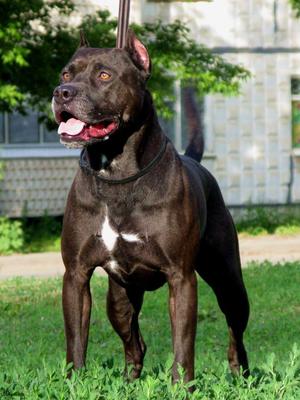 The head is wedge-shaped with a scissor bite, ellipsoidal eyes and a clearly defined bridge of the nose.
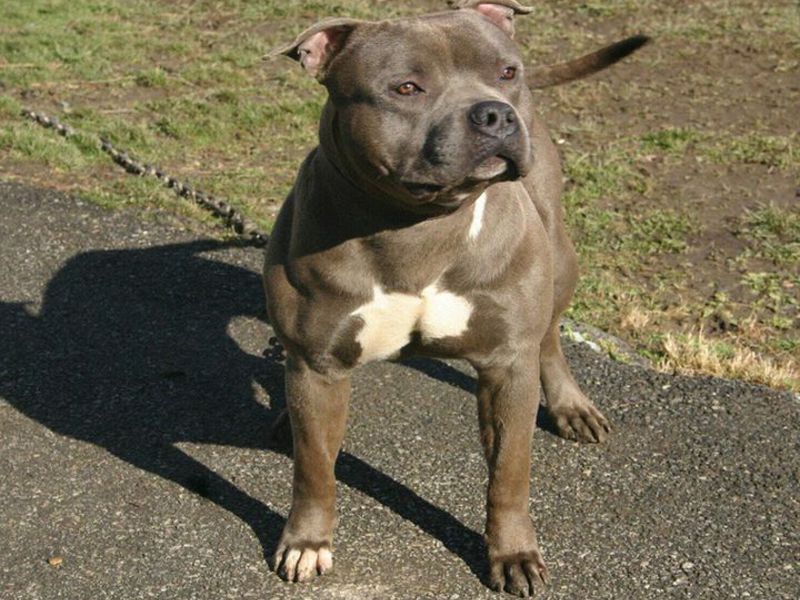
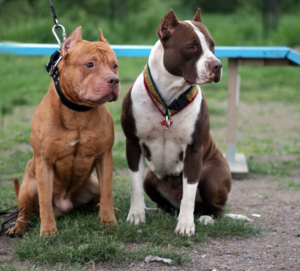
The second type (dwarf pit bull) looks like its close relative - American Staffordshire Terrier.
- The head is somewhat heavier than that of the first type. The eyes are low-set and small. The lower jaw is strong and well-developed.
- The muscles are prominent, protruding from beneath the thick skin. The skeleton is strong and powerful. Dogs of the second type are more powerful and have a longer body.
- The tail is narrow at the end and thicker at the base. It is not docked.
- The limbs are powerful, with a moderate gap between the front limbs and the hind limbs set wide apart.
- The back is short, strong, and compact. The croup is slightly sloping.
- The ears are set high and may not be cropped.
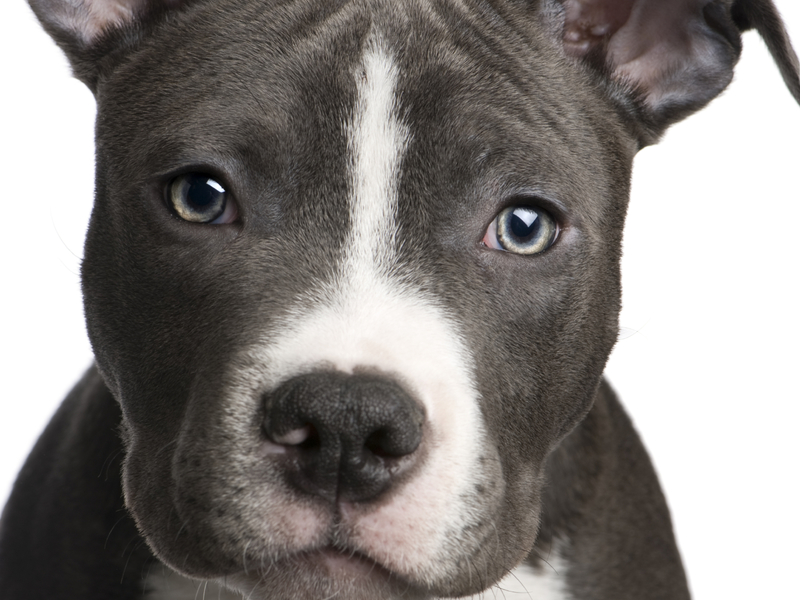
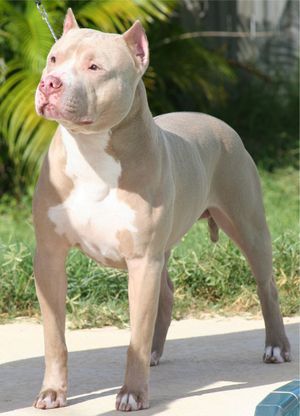
Pit bulls of both types can come in any color (both solid and with white markings), except merle (marble) and pure white.
Weight of an adult can be 12-40 kg, but usually 14-28 kgThe animal's height at the withers is from 46 to 56 cm.
Character
Pit Bull Terriers are highly intelligent and trainable. They love to participate in all kinds of fun family activities. Even in adulthood, these breed members retain their cheerfulness and optimism. Despite their fighting nature, they are excellent with children. However, all these characteristics will only be true if the dog is properly trained.
Ferocious-looking pit bull terriers are loyal to both their own household and their guests. a confident guard dog, perfectly aware of its surroundings. The dog will warn you every time strangers approach, but the animal's intention will not be to scold you, but simply to greet you.
Although an excessive love for people makes this dog less than ideal as a watchdog, its courage and bravery are boundless, and it will defend its home and family to the bitter end. Like other dog breeds, the American Pit Bull Terrier requires early socialization, which means introducing it to different sounds, smells, places, and people. A well-socialized puppy is guaranteed to grow into a well-adjusted, well-trained, and well-balanced dog.
Health
Although American Pit Bull Terriers are generally healthy, like other breeds, they are prone to certain health issues. Therefore, if you decide to get a dog of this breed, you should be aware of the potential health risks for your pet.
- Cardiovascular diseasesPit bulls have a higher rate of heart disease than other dog breeds. Congenital heart defects are also more common than in other breeds.
- Hypothyroidism — a thyroid disorder that causes coat loss, weight gain, and other health problems. Hypothyroidism typically affects middle-aged animals and is controlled with medication.
- Dysplasia hip joint.
- AllergyA fairly common condition in dogs of this breed. It can occur as a reaction to environmental allergens, such as dust, pollen, etc. Much less commonly, allergic reactions occur to food products, such as wheat, corn, rice, and beef. Affected animals experience severe discomfort and itching.
 Cardiovascular diseasesPit bulls have a higher rate of heart disease than other dog breeds. Congenital heart defects are also more common than in other breeds.
Maintenance and care
Provided a pit bull terrier is given the opportunity for active and long walks, they can be considered an ideal apartment dog. Daily exercise is one of the basic rules of caring for this animal. Walks should last at least an hour a day. These shouldn't just be walks, but active activities. Pit bulls will delight in running, jumping, and playing exciting games with their owners, filling themselves with joy and vitality.
From a very early age, pit bull terriers it is necessary to teach obedience, in order to avoid problems in the future.
Dogs of this breed do not tolerate low temperatures well, so keeping them outdoors for long periods during the cold season is unacceptable. Because pit bull terriers are very attached to their people and feel like full members of the family, they should not be left unattended for long periods of time—they will become homesick and may even become depressed.
Feeding
 A dog's nutrition plays a vital role in its growth and development. A balanced diet should fully meet its protein, fat, carbohydrate, vitamin, and mineral requirements. Pit bull terriers are very allergic, you need to approach the choice of diet with all responsibility.
The type of diet (wet, dry, or natural food) is determined by each owner. However, it's important to remember that natural food consists of specially prepared cereals (buckwheat, rice) with added meat and vegetables, not table scraps, as many people think.
How many times a day should you feed an American Pit Bull Terrier?
The feeding regimen for American Pit Bull puppies is determined based on their age:
- At 1.5-2 months – 6 times a day;
- At 2-3 months – 5 times/day;
- At 3.5–5 months – 4 times a day;
- At 5.5–7 months – 3 times a day;
Starting at eight months of age, the dog is transitioned to two meals a day. This feeding schedule is maintained throughout the bull terrier's life, with only the portion size changing as the dog matures.
So, the American Pit Bull Terrier is an easily trained, obedient animal that does not tolerate roughness or aggression. If you are careful, consistent, and persistent in training your American Pit Bull puppy, it will grow into a well-behaved, good-natured, and loyal dog, capable of becoming a wonderful friend and companion.