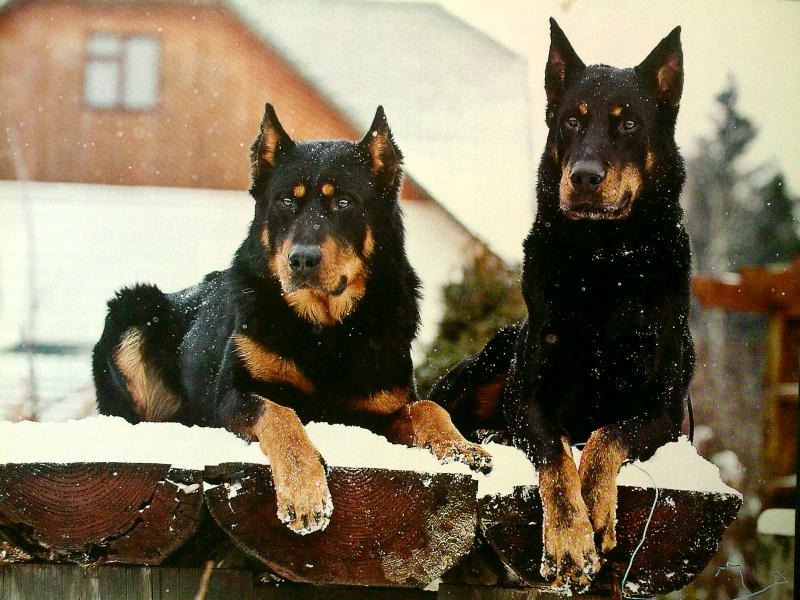
Everyone knows the saying, "They live like cats and dogs." It implies these two are bitter enemies. But it turns out the animals aren't so far removed from each other. And if life brings them together in the same house, they'll easily become friends. A closer look reveals that their behavior isn't so different.
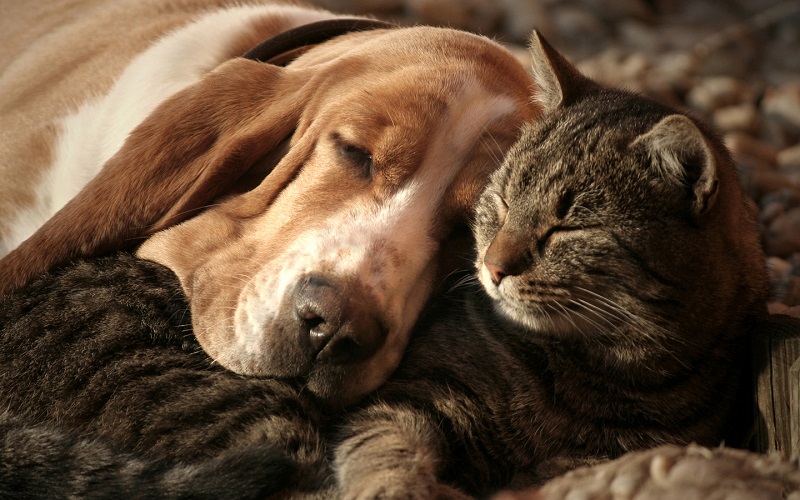
Wake up the owner in the morning
Cat and dog owners can get by without alarm clocks in the morning. Their pets wake their owners at roughly the same time.
They do this for various reasons: sadness, the need for food, a walk, or simply because the pet has decided it’s time for the owner to get up.
They say animals have an excellent biological clock. They don't look at the time; they feel it.
It's believed that a pet can be trained to follow any daily routine. The main thing is not to indulge your pet.
Retraining a dog to a new routine requires a lot of patience and persistence. Dogs are more receptive to retraining, and they're much easier to retrain.
If you let a dog know a couple of times that it needs to be woken up later, that's enough. But that won't work with a cat.
If your cat wakes you up and demands to be fed at a time that's inconvenient for you in the morning, simply ignore it. Retraining it will take at least a month of patience.
This period is usually enough for the stubborn animal to understand that it won't get food for now and will have to wait. But all cats are different, so each case requires an individual approach.
Catch the tail
Pets often chase their tails, which greatly amuses their owners. For puppies, a tail is something new. Exploring and learning about the world around them, they rarely look back.
And when he decided to turn around, he spotted something that caught his attention—a tail. And, of course, he had to catch it, chase it, bite it, and definitely try to bite it. But it turns out it's not so easy, and the puppies get comically angry and even try to bark when they fail.
It's different with cats. Cats are serious hunters, regardless of size. Their tails are noticeable and rarely go unnoticed. When a hunter is playing, they sometimes catch a glimpse of their tail out of the corner of their eye, which immediately becomes the target.
Wait for the owner at the door
When pet owners return home, they see their pets at the door. Even if they were just napping peacefully on a soft sofa, when they hear the door opening, they always run to greet them. This is their greeting, signaling that they're welcome and have been waiting for you.
All dogs, without exception, wait at the door, but cats, not always. It's a matter of loyalty. Dogs are loyal to any owner, even the most inattentive.
But you have to earn the cat's favor. If he greets you at the door, be happy—you're his person. However, it's always worth remembering that all pets need loving care and affection.
Spinning around before lying down
When settling down to sleep, all pets circle around themselves and their sleeping position several times. The reason for this is the same for both cats and dogs: natural anxiety.
Animals are always on guard, even in the most peaceful circumstances. Their instinct for self-preservation prevents them from fully accepting the idea that everything is calm and there's nothing to worry about.
This genetic sensitivity prevents them from falling asleep peacefully. By rotating a few times, the animals slightly engage their vestibular system, which intensifies the feeling of sleep.
Moreover, by spinning in place, they spread their scent throughout the entire sleeping area, creating a feeling of security. Animals sleep more comfortably if they don't smell other, foreign scents, but only their own.
Sniff when meeting
If vision is of primary importance to humans, then for animals, smell is an important way of perceiving and understanding the surrounding world.
People see and recognize each other, but animals smell and recognize each other long before they see each other. Both cats and dogs sniff people, animals, and objects—this way they gain comprehensive information.
Moreover, the mixture and bouquets of smells that animals perceive tell them more than the picture they see.
Look the enemy in the eye
This is how they instill fear in their opponents. The more piercing their gaze, the more confident, serious, and dangerous the animal appears to the enemy.
The one with the weaker gaze flees the battlefield first. But if both opponents are confident and fearless, a fight is certain. In this case, a piercing gaze gives way to claws and teeth.
Bury your excrement
It seems that our smaller brothers also have rules of etiquette. Relieving oneself and burying one's excrement is considered good manners. That's how it might seem from the outside.
In fact, this is not true. Both cats and dogs hide their feces because they contain "encrypted" information about themselves.
Animals are genetically programmed to be cautious. Hiding everything means hiding your presence from enemies. Pets only leave excrement in plain sight when they're marking their territory.
Digging the litter
Before going to sleep, animals sometimes dig in their bedding. This way, they check its safety and security. It's the same instinct for self-preservation.
Modern dogs descended from wild dogs that lived in dens. A small depression in the ground—a den—was all they needed for rest, sleep, and protection from enemies.
Hundreds of years have passed, but genetic memory remains strong. Before going to bed, dogs first create a safe haven for themselves.