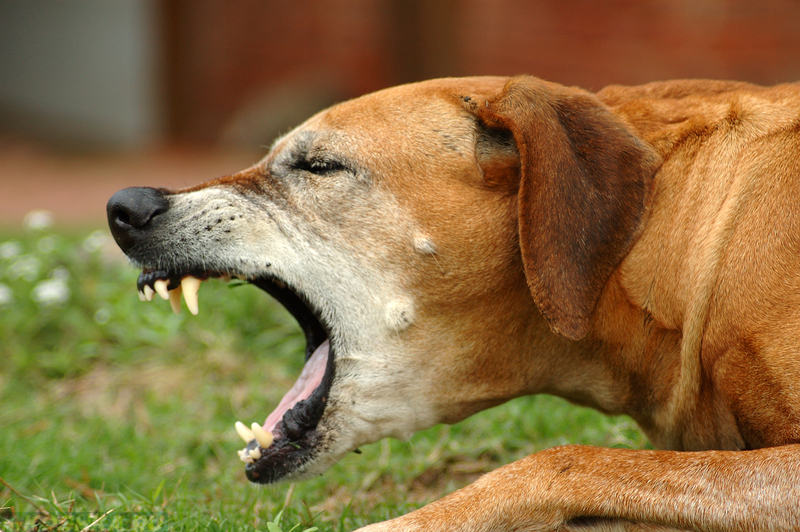
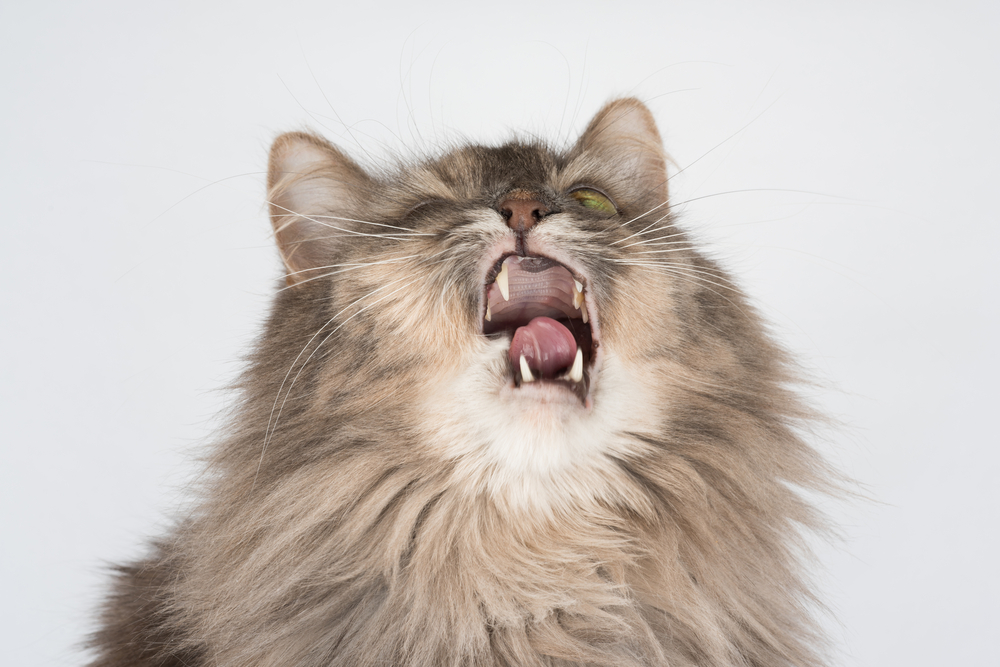
Since time immemorial, dogs have been considered man's loyal friend and companion. An owner must be able to understand their dog. It's important to recognize a dog's habits, as seemingly normal behavior can indicate serious problems and illnesses. Consider something common—sneezing. Is this really a sign of illness?
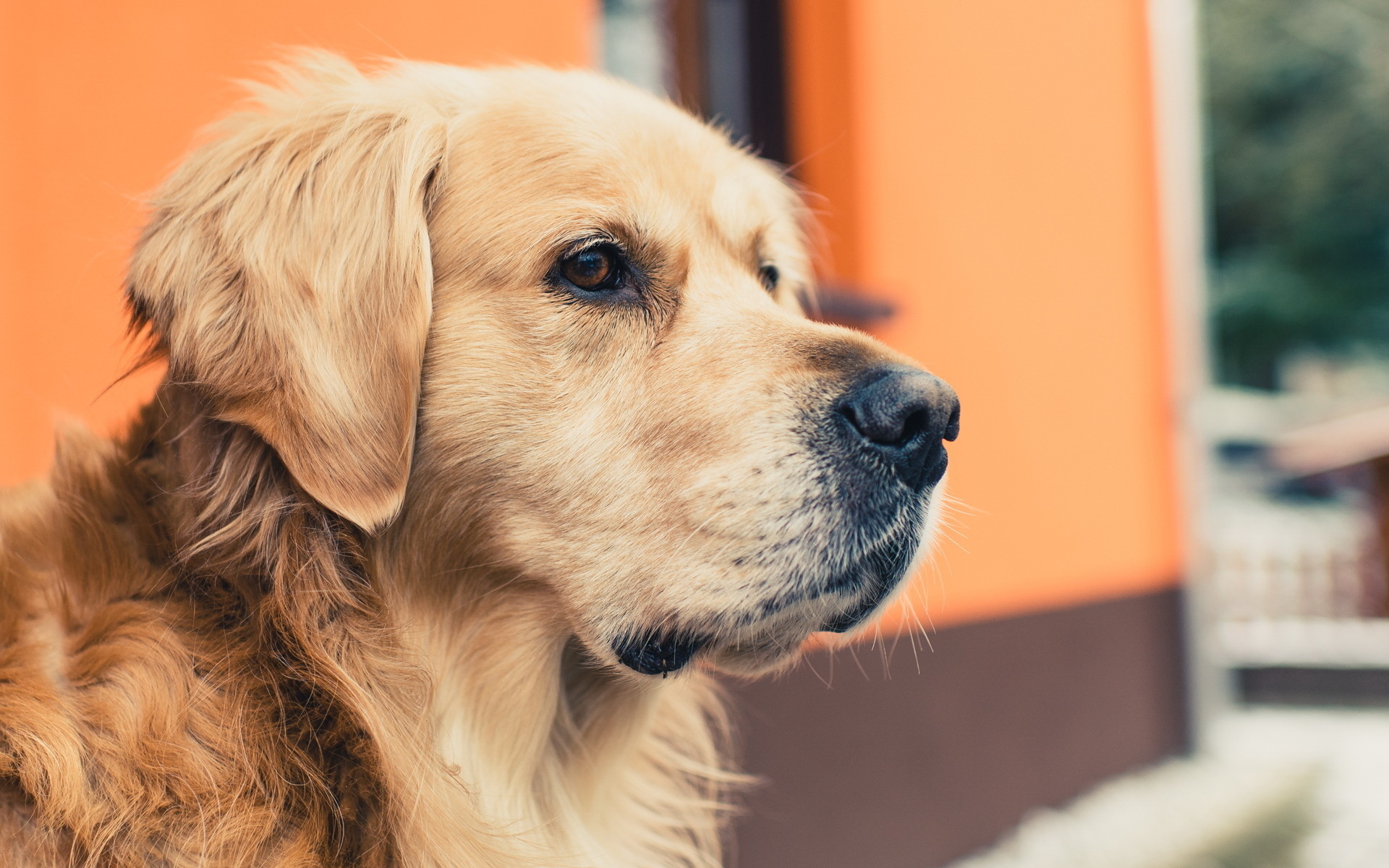
Sneezing as a way for pets to communicate
Dogs are living creatures just like people. Our four-legged friends can also have allergies; they might dislike certain scents, like perfume. A common cold or a foreign object lodged in the respiratory tract cannot be ruled out. However, there's a more amusing reason.
Canine experts believe that sneezing during play is a unique form of communication. You may have noticed your dog sneezing when the game gets tense, and playtime threatens to escalate into a fight with another dog. This is one pet's way of reminding the other that they're not in a competition or a fight, but simply having a fun game. In this case, the dog sneezes by shaking its head and ears, but if your four-legged friend rubs its nose with its paws, you should pay attention; this is a sign that something is bothering the dog.
The dog is very happy about something.
Dogs have emotions too, but pets express their feelings in very unique ways. If you notice your dog sneezing and sticking out his tongue, it's not always a cause for concern. After a few prolonged sneezes, the dog will get a jolt and release emotional tension. This is how your four-legged friend expresses happiness! It's always best to be on the safe side and check your pet for discharge from the ears, nose, mouth, and eyes.
Check for allergies
If your pet has started acting strangely, and sneezing is accompanied by a dry cough, runny nose, swollen mucous membranes, and various skin irritations, it's time to sound the alarm. All these symptoms indicate an allergy. It's important to consider the dog's diet depending on the breed and consult a specialist. Allergies cannot be cured. It's necessary to limit your dog's exposure to allergens after diagnosis. In most cases, allergies are genetic.
Common allergens found in dogs include:
- infectious: the immune system reacts to an infection and the allergy is a side effect;
- serum: reaction to the introduction of a vaccine against certain infections;
- food: allergy to certain foods or ingredients;
- plant: reaction to pollen;
- medicinal: an immune reaction to a drug;
- household: dust, mold, waste from animals, insects and people;
- autoallergy: autoimmune aggression against one’s own cells (usually transmitted genetically);
- idiosyncrasy: increased sensitivity or intolerance to certain foods and substances.
A possible cause of sneezing is a cold.
After a cold walk, have you noticed your pet developing a runny nose or other ailments? It's likely hypothermia. It's time to limit the amount of time spent outdoors.
If, in addition to sneezing, your pet exhibits symptoms such as apathy, dry nose, shortness of breath during physical activity, diarrhea, or vomiting, your pet is unwell and should be seen by a specialist without delay.
Some dog diseases are dangerous for people!
Common diseases in dogs:
- Kennel cough (adenvirus). One of the most common illnesses affecting four-legged friends is adenvirus. It most often occurs in dogs recently brought from shelters or kennels. Kennel cough can be compared to the human flu. Symptoms include sneezing, nasal and ocular discharge, and frequent coughing.
- Distemper. A dangerous and common disease in dogs. Without proper treatment, it can be fatal. Symptoms include apathy, fatigue, swelling and redness of the mucous membranes, sensitivity to light, gastrointestinal disturbances, and discharge from the eyes and nose.
- Tonsillitis. Dogs, like humans, can get tonsillitis. Inflammation of the tonsils can be caused by the following conditions: runny nose, stomatitis. Symptoms include refusal to eat, regular coughing, vomiting, foul odor from their mouth, and purulent discharge from the tonsils.
Your dog requires close attention to its health. A common, harmless cough can be a symptom of serious illnesses. It's best to seek veterinary attention promptly. Your four-legged friend's health is in your hands.