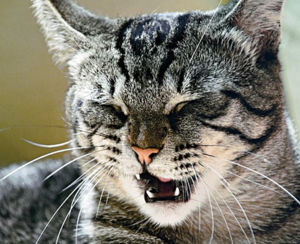
 Nothing human is foreign to our four-legged friends. Just like us, cats are occasionally plagued by runny noses and sneezing. The causes can vary, from dust particles to allergic reactions to various irritants, such as colds or viral infections. How dangerous is this, and what should you do in these cases? Let's find out together.
The most common reasons
Has your cat started sneezing frequently, has a runny nose, and is tearing up, and are you seriously concerned? But this can happen for completely understandable reasons, such as if the cat has swallowed dust. Just think about the consequences of trying to add pepper to your soup or tickling your cat's nose with a feather, and then sneezing all day long. Believe me, not all cats enjoy this.
Kittens and cats sneeze if:
 If you catch a cold, it’s a standard case that causes sneezing and a constant companion in the form of a runny nose is guaranteed;
- They suffer from allergic reactions to various medications, products, and chemicals. In this case, sneezing is a completely understandable reaction of the cat's body, trying to rid itself of the allergen;
- Viral infections such as rhinitis, herpes or adenovirus are present;
- Breathing is complicated by the presence of growths or polyps in the nasopharynx;
- The presence of chronic asthma is another reason for sneezing in cats;
- The presence of a malignant tumor or formations that make breathing difficult in the nasal cavity;
- The animal suffers from chronic dental or gum diseases;
- Parasites that operate in the animal's body disrupt the natural breathing processes.
 If you catch a cold, it’s a standard case that causes sneezing and a constant companion in the form of a runny nose is guaranteed;
Now let's talk in more detail about allergies in cats. After all, it's often this that causes the frequent utterance of the phrase, "Bless you, Murzik."
So, here is the list of allergens.
- Household chemicals – detergents, cleaning agents, disinfectants, powders, sprays and other means for cleaning in and around the home.
- Cigarettes, or more precisely smoke, poison everything around them and make it difficult for your pet to breathe, among other things.
- All kinds of fungi grow on tile surfaces. In short, it's a breeding ground for bacteria and a complete lack of hygiene. Cats absolutely hate it.
- If you use perfume, cologne, or hairspray, remember to do so in a well-ventilated area. This is another cause of allergies in cats.
- The sprays we use to kill mosquitoes, flies, and other insects in the summer also won't improve your cat's health.
- And the reason that concludes this hit parade is pollen and flowering plants, which are unavoidable in the spring and summer.
All of the above, as a rule, leads to the development of allergies in cats, as it irritates the mucous membrane and causes a flurry of snot and makes the cat sneeze constantly, causing inconvenience to you and the animal.
How to diagnose the disease yourself?
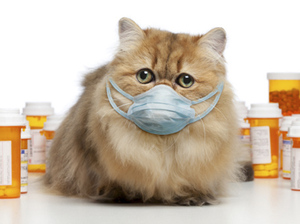 As a rule, any organism strives to heal itself; this is the nature of all creatures, including cats. Therefore, symptoms such as a runny nose are completely normal; they are simply the process of getting rid of dust particles, foreign bodies, and other debris. Through observation and simple actions, we can independently understand the nature of our pet's illness.
The cat refuses to eat and constant attempts to rub your nose signal a runny nose or cold. In this case, everything will be fine if you take action in time.
An eye infection is also quite easy to identify. Its symptoms include increased sneezing and watery eyes. There may be various causes, but they're easy to identify. The main thing is not to dismiss it as normal. This is a more serious condition, and the treatment will therefore differ.
Our curious little pets have a tendency to climb into any jar, sniff it, taste it, and lick it. Unfortunately, this can lead to more severe allergies. Be vigilant and try to remove all dangerous products. If this has already happened, find the product and act accordingly.
Foreign objectsIf the particles get into the nasopharynx, they will give the cat no peace. It will try its best to get rid of them by snorting and scratching its nose.
However, when combined with bad breath, swollen gums, and purulent processes, this is a rather alarming sign, and a visit to the dentist is essential. Long-haired cats may experience watery eyes from their own fur.
Typically, mucus comes in different colors and indicates various symptoms, causes, and illnesses. Green or gray mucus when sneezing indicates a fungal infection or infection. Colorless mucus accompanied by watery eyes indicates an allergy.
It's not always possible to detect conditions like asthma on your own. But if this is the case, irritants and all unpleasant odors should be eliminated from the home or pet's living area.
Treatment for sneezing
So, if your little one or cat has a runny nose and starts sneezing, the drops prescribed by your doctor will come to your aid. They will fight all bacteria, and soon your cat will regain peace of mind and health. Just drip into food until symptoms disappear.
In most cases, you can remove foreign objects from the nose yourself. However, if you're unsure of your abilities, refer your pet to a specialist; they'll do the job properly. If the foreign object is a nasal tumor, hospitalize your pet immediately; it will require surgery.
If a dental examination reveals disappointing results, such as problems with teeth, gums, or inflammation, then we know which doctor can help. After all the procedures, the symptoms should resolve.
Mold allergies are treated by eliminating the mold itself and using various topical ointments. Remember, eliminating the external irritant from your cat's environment will eliminate the allergy. If an infection is the cause, you can get help. preparations based on natural plants.
Remember, care, attention, and compliance, following all veterinarian instructions, and observing basic hygiene rules can work wonders. Wash your hands before and after handling your cat, and wipe its eyes with a clean towel. If your cat's condition worsens, seek medical attention at a veterinarian.
How to treat at home?
If you decide to treat your cat at home, remember that you need to do this, based on the cause of the disease:
- Worms can be treated with special medications, including Botionol and Phenothiazine.
- Lysine is effective for sneezing caused by herpes.
- Mold allergy is treated with special ointments.
- If the cause is dental, the doctor will give the necessary recommendations and prescribe medications.
- Eliminating the source of the allergy, keeping the house clean, and monitoring the cat's activities will be an effective method of combating allergies.
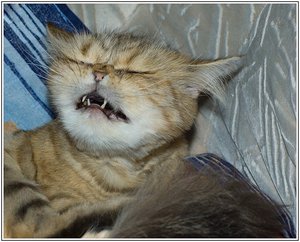 Worms can be treated with special medications, including Botionol and Phenothiazine.
Preventive measures
As the saying goes, prevention is better than cure. Various preventative measures can help you avoid unpleasant situations like sneezing and runny noses in your cat. One effective measure is vaccination! Regular checkups and vaccinations can help prevent allergies and other related illnesses. So, don't delay vaccinations.
Here list of diseases, in which the cat needs regular vaccinations:
- Rabies.
- Leukemia.
- Cat flu and various viral infections.
Let your pet live a full and healthy life. Don't let illnesses get worseMaintain proper hygiene and pay attention to the slightest deviation from normal condition. Give them love and daily, monthly, and yearly care. Prevention is better than cure. Believe me, our pets are not alien to human nature. And they, too, want to be strong, well-groomed, healthy, and attractive to the opposite sex. So give them that opportunity!