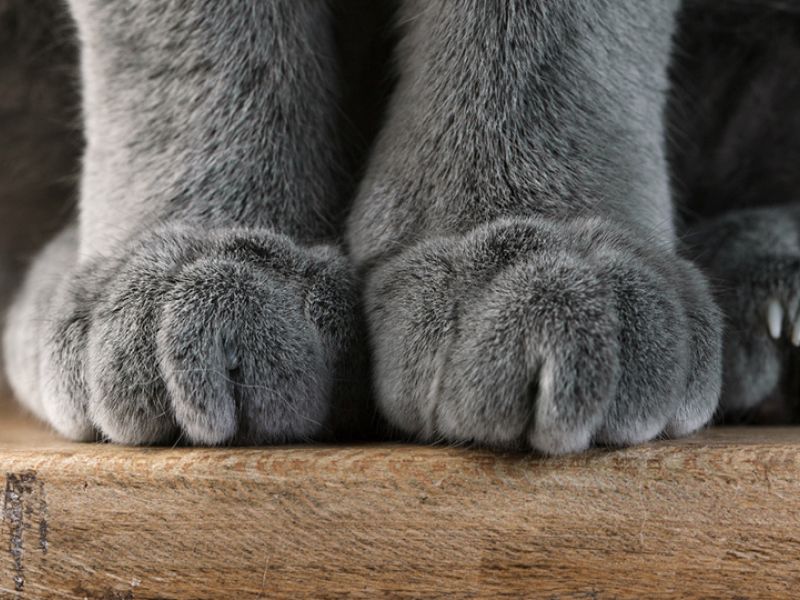
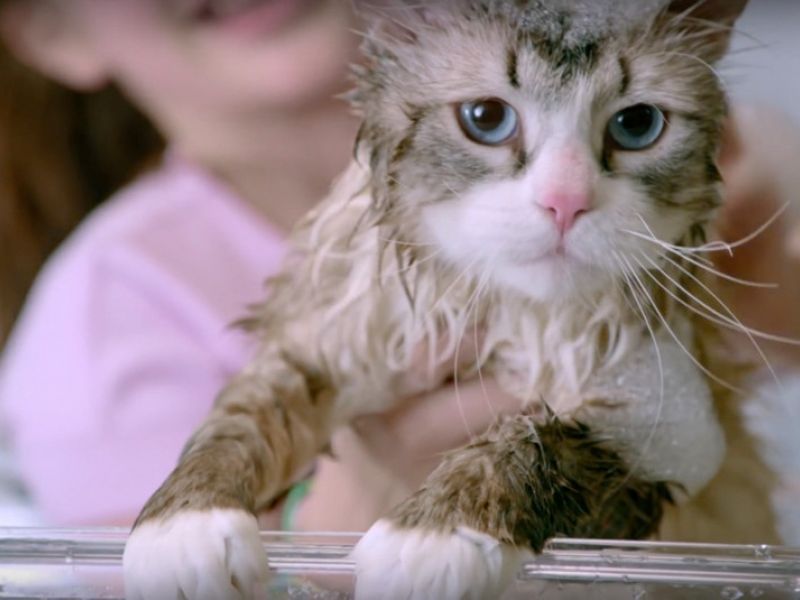
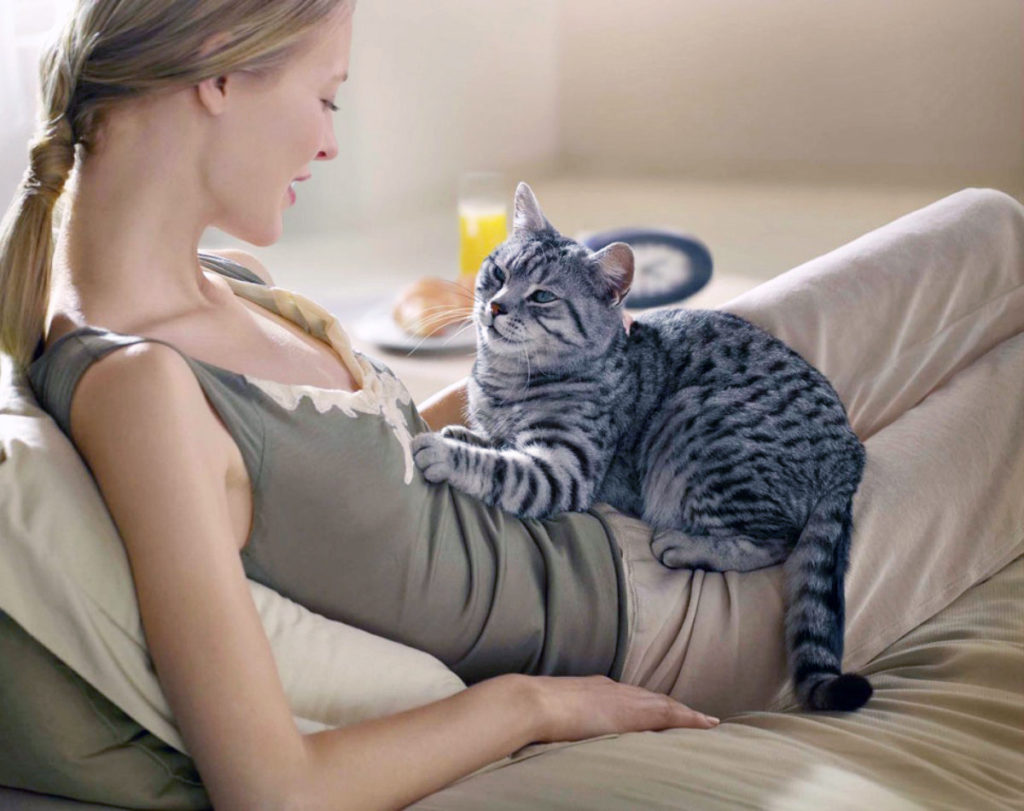
You're lying on the couch, reading or working on the computer, when suddenly your furry friend jumps onto your lap or back and starts kneading you with his paws. Sound familiar? Cat owners sometimes notice their pets twitching their front paws, giving themselves a kind of massage. There are several explanations for this behavior.
A habit since childhood
The most common explanation for "trampling" is that it's a holdover from childhood. Soft movements of the front paws are called "milk steps," but many simply call it "trampling." The little animal massaged its mother's belly to extract milk. These movements were associated with contentment, as the kitten was well-fed, warm, and protected. Now you act as the kitten's mother. The warmth of your body provides the security and comfort it needs.
As an adult, a cat will make these movements when she feels happy or content. She still associates the kneading with the comfort of feeding and her mother.
Relieving emotional stress
Loud noises, unfamiliar surroundings or smells, unfamiliar people, or even just visitors can cause stress in a furry owner. A cat's response to these stimuli is to come to their owner and trample them with their paws. Kittens are often taken from their mothers when they are very young. You are a mother to a kitten, and it is in you that they seek refuge. Trampling and purring calms the cat and relieves emotional stress.
Nowadays, cats have become so connected to humans that they've begun to absorb stress and even depression from them. To find inner balance, they use their favorite technique. This unique "massage" releases hormones of joy and euphoria in the cat. Furthermore, the rhythmic movements have a calming effect on the animal.
Many cat owners notice their cat silently trampling on furniture. This behavior is typical of a cat who's been offended. Perhaps you didn't share some sausage or woke them up? This is how your furry friend relieves stress. Let them relax, and they'll soon return to you in a good mood.
Getting ready for bed
Another hypothesis suggests that kneading originates from the pre-domestication era. In the distant past, feline ancestors slept wherever they could, not in comfortable, soft beds. Grass, bushes, or leaves served as sleeping spots. Cats are known to be fastidious and love comfort and cleanliness. Before bed, they would trample the grass, simultaneously repelling insects and smoothing out uneven surfaces. Trampling a favorite object or owner is one of the signs that an animal is about to go to sleep.
In the modern world, there's no need to level a sleeping surface, but this behavior is still instinctual. It's possible your pet views your lap as a comfortable, soft pillow. They need to be confident they've chosen a good sleeping spot, so they prepare it in every way possible. Cats also use their paws to explore the area for temperature, humidity, and the presence of bumps. For this reason, they may trample not only your owner's feet but also your pillow, blanket, or throw.
Mood lifter
Cats are adept at manipulating people and influencing their well-being and mood. By kneading, a pet not only cares for itself but also for you. Cats sense their owner's mood. If they suspect you're tired or upset, they'll certainly try to calm you down and lift your spirits. This type of massage releases a large amount of happiness hormones, which they try to share with their owner.
Regardless of which theory is closer to reality, all experts and furry pet owners agree on one thing: When a cat "kneads" you with its paws, it means it loves you. So don't be upset with your pet, even if it causes you discomfort or pain with its claws.