Scientists have explained why cats knead us with their paws—it's a unique expression of a pet's feelings, triggered by certain events in their life. Joy, sadness, care, gratitude... How should we react to these paw-like gestures without offending our pet?
Why does a cat knead a person with its paws and purr?
Cats are amazing creatures; they sense a person's mood and transmit their stimuli, charging them with positive energy. Often, jumping onto their owner's lap, they perform rhythmic movements, purring loudly. What makes them do these movements?
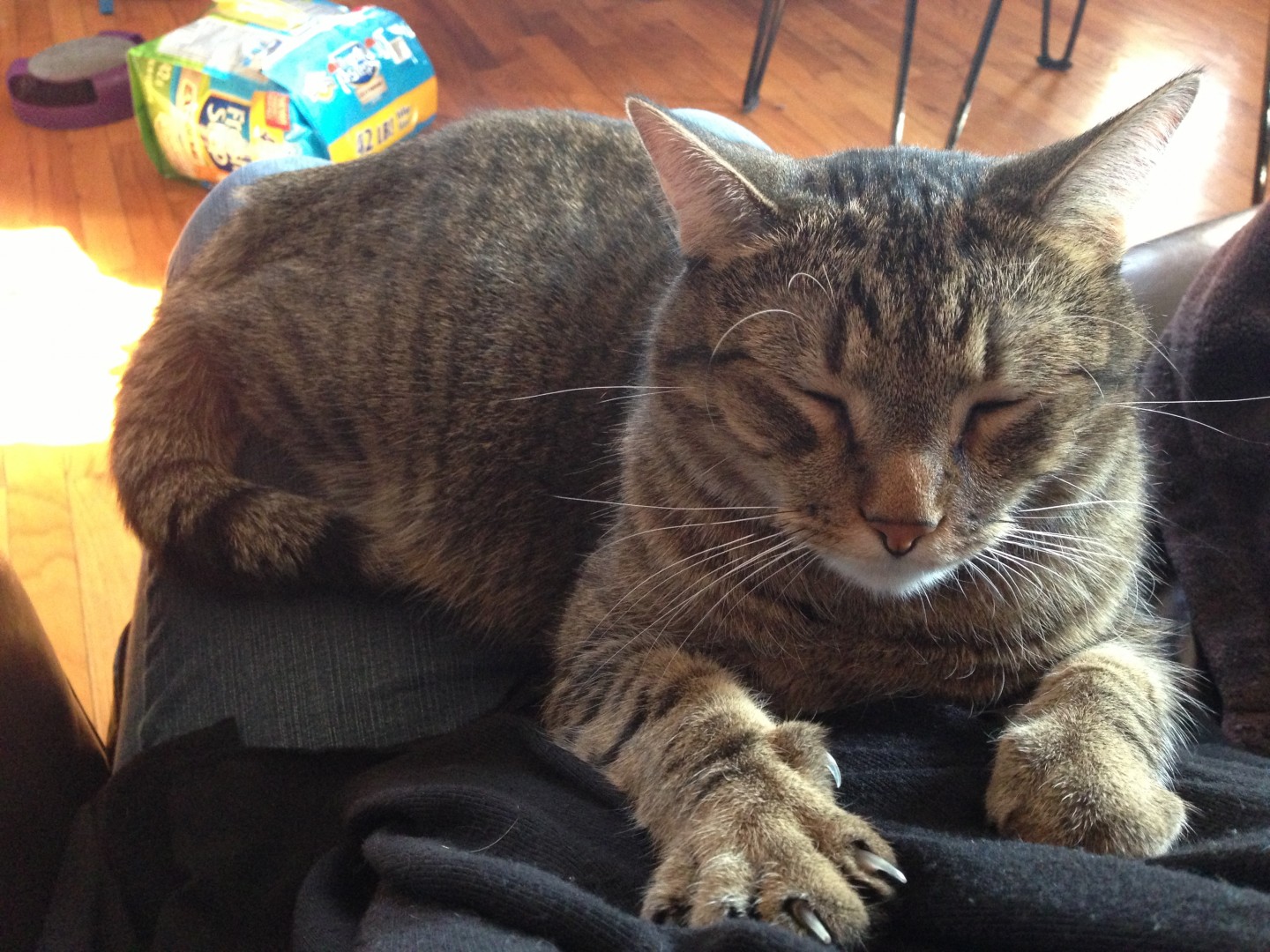
Kittens massage the cat's breast while sucking to increase lactation, and as a result, the adult pet continues to perform these actions, plunging into a carefree childhood.
Popular versions:
- Showing love and care to the owner is an expression of the highest degree of trust.
- A psychological release during times of stress can be found in loud music, unfamiliar surroundings, and unfamiliar people. Petting an animal can calm it down.
- As a method of treating the owner, the cat massages the problem area, increasing blood flow and relieving pain.
- A sense of ownership - a cat “marks” its owner, showing that he belongs only to her.
The animal exhibits this state only with a person close to it; with strangers, the cat will behave with restraint and caution. This is a sign of boundless trust and love!
What does it mean to release claws?
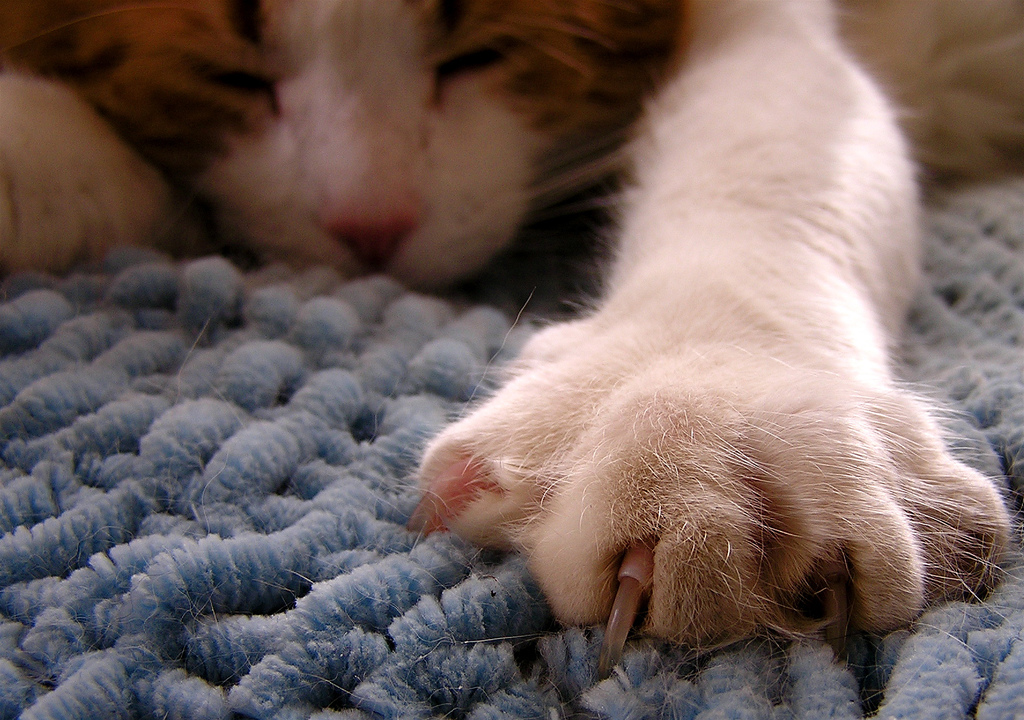
During the "milk step" the animal's body relaxes and the function of retracting and extending the claws is involuntarily activated.
While trampling, a cat may extend its claws, unwittingly injuring a person. But don't be offended by this impulse. It's just another manifestation of feline affection.
Paw movement causes secretions to be released from the backs of the paws, which are rubbed into fabric and other surfaces. This can lead to your pet scratching your hands or feet (marking them as property).
How should one react to this?
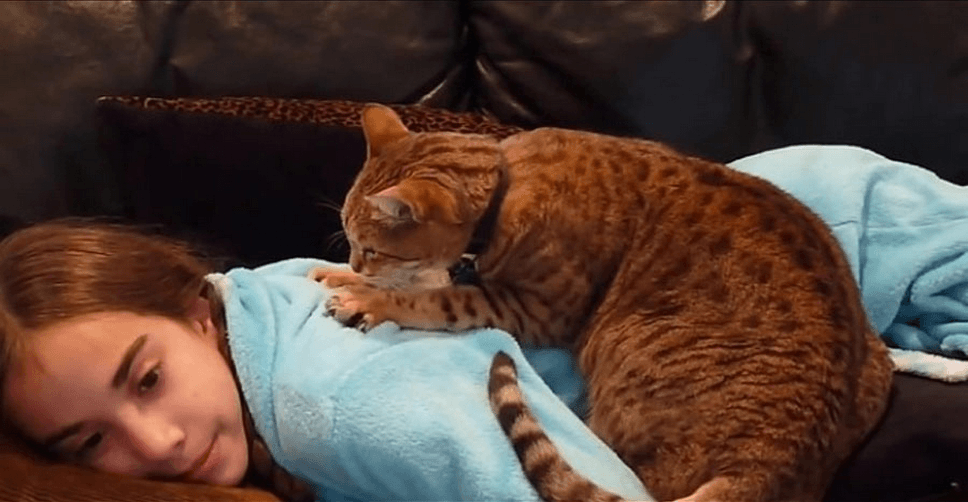
There is an opinion (supported by traditional healers) that a cat restores a person’s energy balance.
- Most people gratefully accept such outpourings of love and care from their pet. Petting the cat, tugging at its ears, and stroking its fur are enough to calm it down.
- If the owner doesn't like such behavior, don't reject the pet, let alone spank it. Instead, distract the animal with a toy or treat, or place a pillow or blanket under its paws.
- If your cat extends its claws and scratches you while purring, you should have them trimmed at a veterinary clinic or trim them yourself. Special scratching posts, available at pet stores, are available for this purpose.
- If your cat is digging its claws into your skin, pet it gently and pull it down, laying it down next to you. This will help calm the cat and stop scratching its paws.
You should not reject the animal while it is being trampled, shout at it, or punish it. Subsequently, the pet may harbor a grudge and even take revenge by marking territory in the wrong place.
During the "milk step," a cat demonstrates love, care, and trust, demanding the same from you. Scientists have proven that close contact with a pet improves well-being, prevents illnesses, and even lowers blood pressure. Don't harm your furry friend, and stay healthy.
 Kira
Kira
1 comment