Pets come in all shapes and sizes. Besides the usual cats, dogs, and parrots, people keep far more exotic pets, even though they're often much more difficult to care for. Let's take a look at some of the more unusual animals people keep as pets.
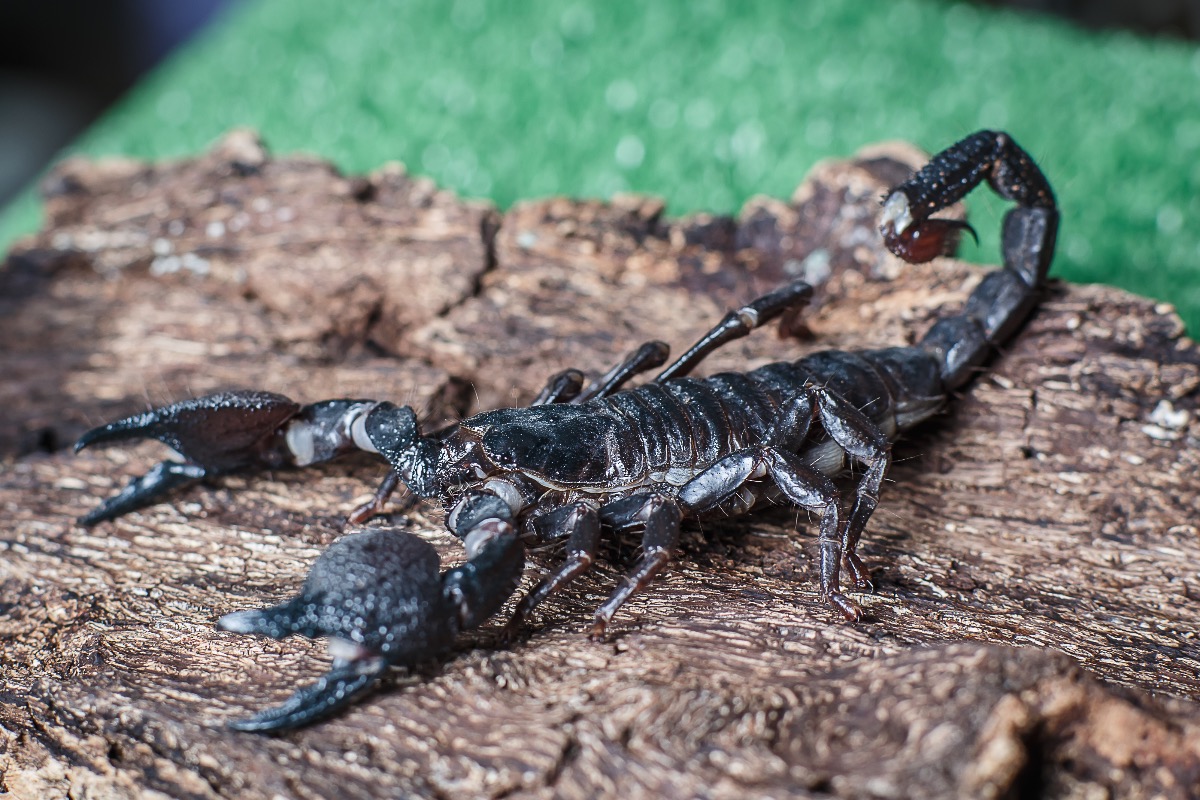
Scorpion
These arthropods have an unsightly, even somewhat creepy, appearance, which, however, evokes affection in some people, to the point of wanting to keep a pet scorpion. It's important to know that most species are non-venomous, so they are perfectly safe to keep as pets. For example, imperial or Asian black scorpions are popular pets.
Scorpions require careful care. They must be kept in a terrarium, with proper humidity and temperature, and sufficient space, as adults can eat each other. Scorpions need plenty of fluids, so a water bowl should always be kept in the terrarium. They are fed worms, various insects, small mice, and frogs.
At home, scorpions live up to 5 years.
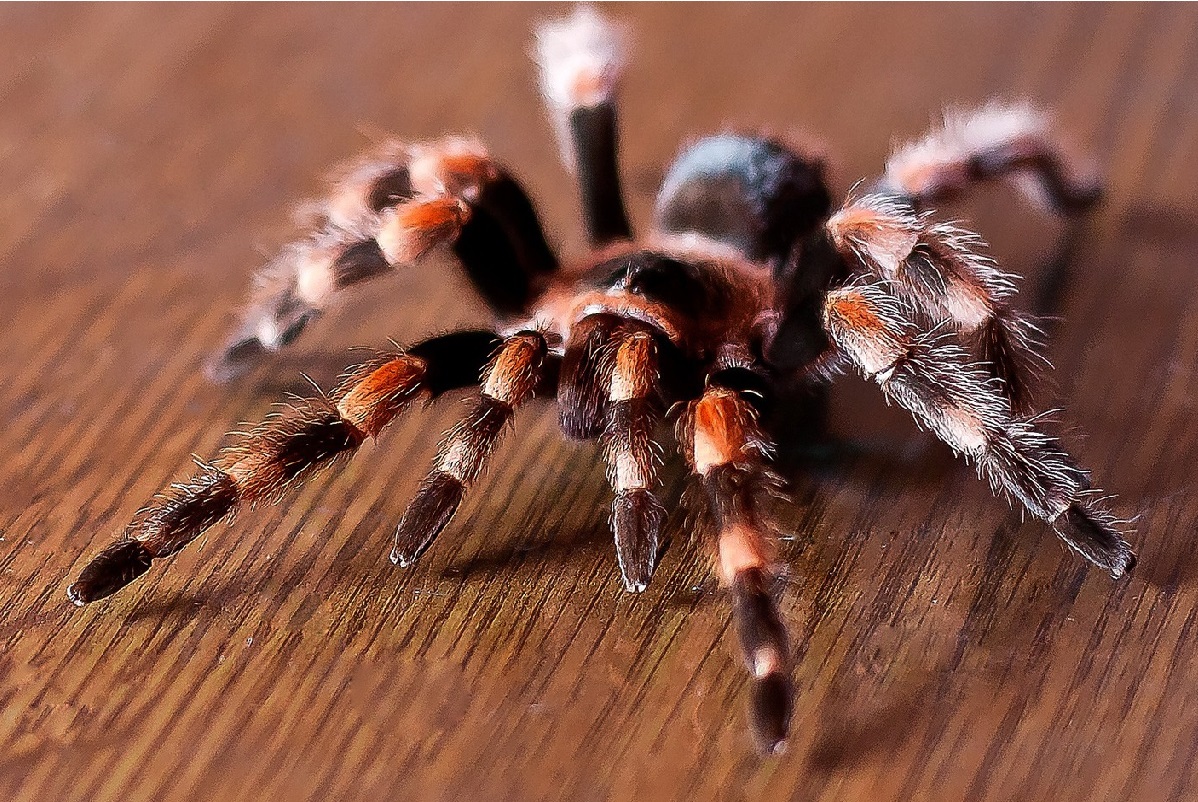
Tarantula
Large, hairy spiders are often chosen as pets by those who are out of the ordinary and "against the grain." Tarantulas are venomous, but their bites are harmless, similar to bee stings, unless there's an allergic reaction to the venom. However, it's best not to provoke the spider and handle it carefully to avoid any unpleasant encounters.
Tarantulas should be kept in a closed terrarium with a specific humidity and temperature. The design should be based on the environment the species inhabits in the wild.
These spiders are very aggressive towards each other, and cannibalism is common among them, so it is not recommended to have more than one individual.
Tarantulas eat little and can go for long periods without food; adults are fed once a week. Their diet includes various insects (especially cockroaches and mealworms), baby mice, small frogs, and small lizards.
Tarantulas are long-lived, males live about 12 years, females - about 30.
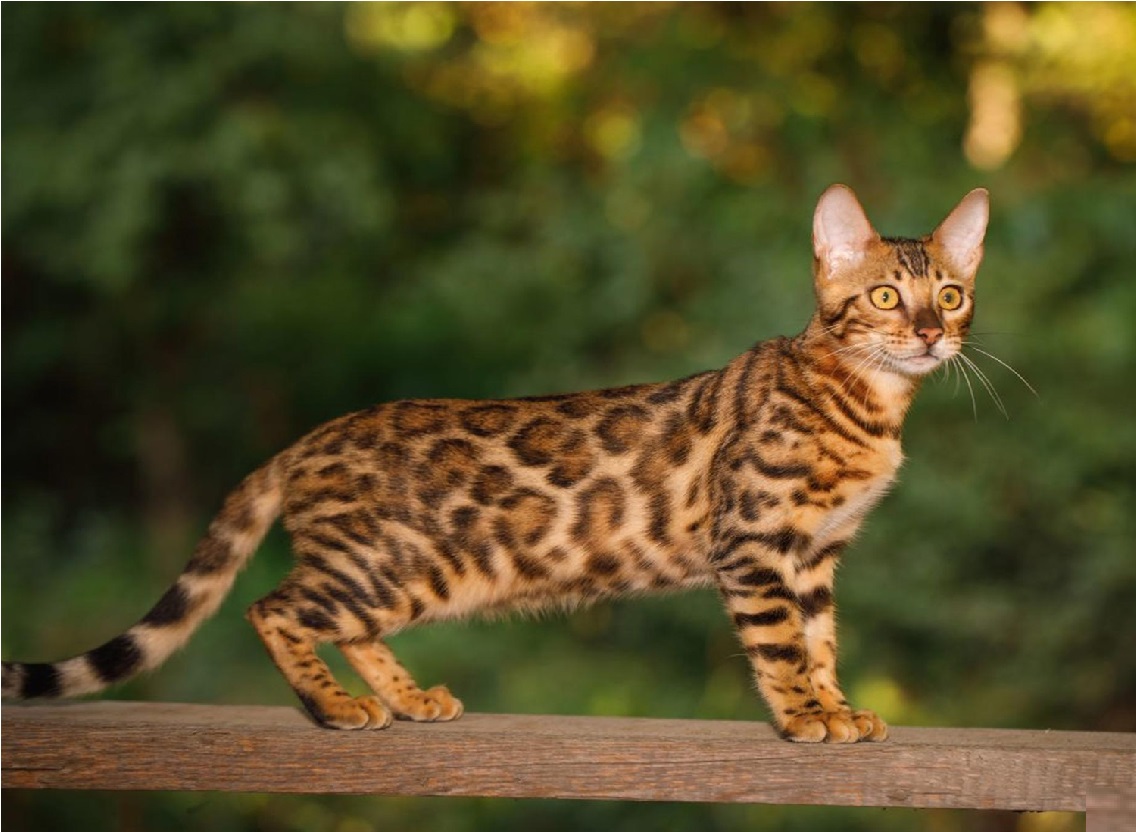
Bengal cat
Cats of this breed have a very striking and unusual coat, reminiscent of a leopard. They were created by crossing a domestic and a wild Bengal cat, resulting in a corresponding personality—a blend of predatory and domesticated traits. They are intelligent, affectionate, playful, have a well-developed hunting instinct, and, unlike most cats, love to swim.
This breed has a relatively short coat, so grooming is straightforward. Regular nail trimming and monthly brushing are sufficient. Proper nutrition, vaccinations, and parasite treatment, as well as spaying or neutering, are essential.
Bengals are one of the most intelligent breeds and are very trainable. To help them channel their natural strength and energy, it's best to purchase a cat-specific exercise complex with various ladders and posts where they can play and frolic.
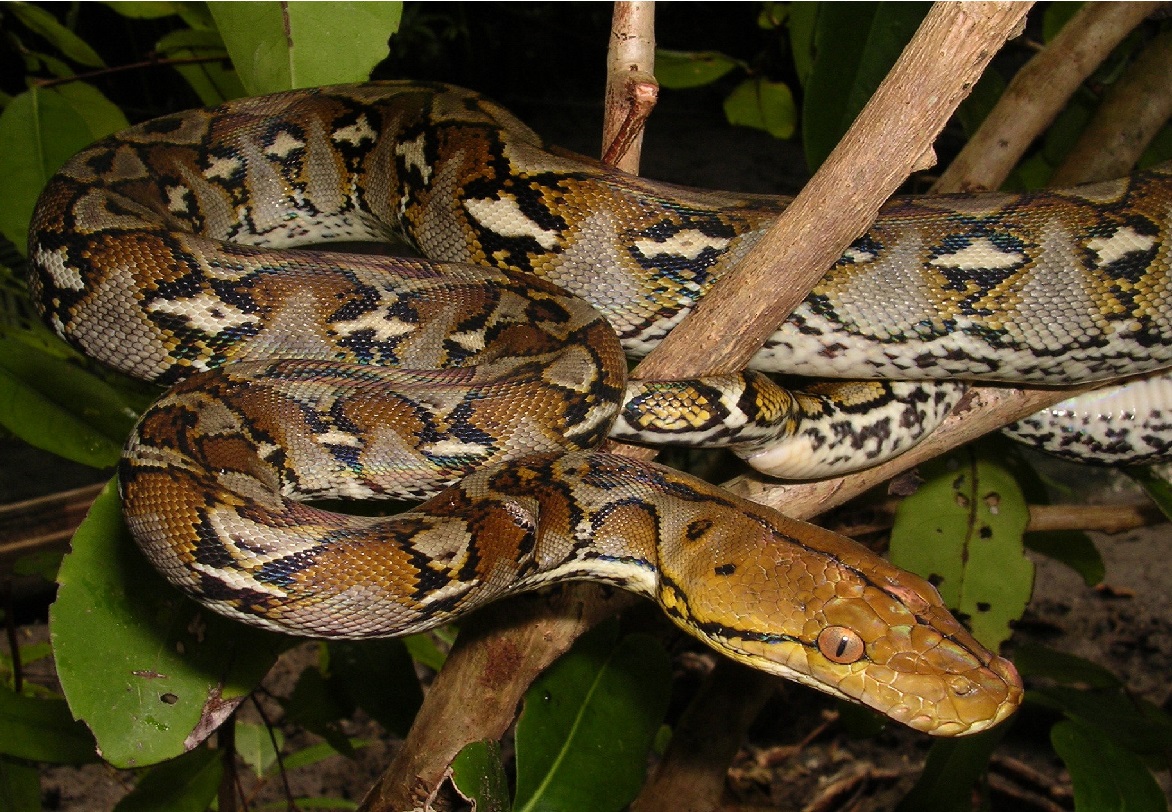
Snake
These amphibians aren't exactly beloved by humans. Most people are afraid of them or feel disgusted by them. However, some are willing to keep a snake as a pet.
The first piece of advice for beginners is to never get a venomous snake as your first pet. It's best to start with non-venomous and non-aggressive species, such as the corn snake. Then, if you're so inclined, you can get a boa constrictor or python—along with the corn snake, these are among the most popular pet snakes.
This pet must be kept in a specially designed, securely enclosed terrarium with the appropriate temperature and humidity. The terrarium should also contain hiding spots, such as roots and stems of suitable terrarium plants.
It's also important to remember that in the wild, snakes typically consume live food, but pet snakes can be trained to eat dead organisms. Depending on the snake's species, you should provide it with suitable food. This could include laboratory mice, rats, birds, frogs, fish, or grasshoppers.
Before purchasing a snake, it is best to consult with a snake specialist about the characteristics and proper care of the specific species you wish to acquire.
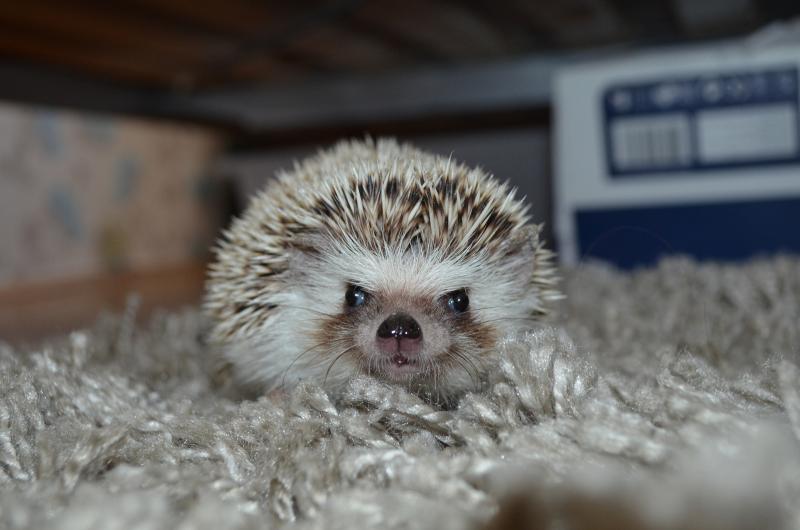
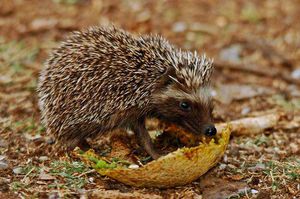
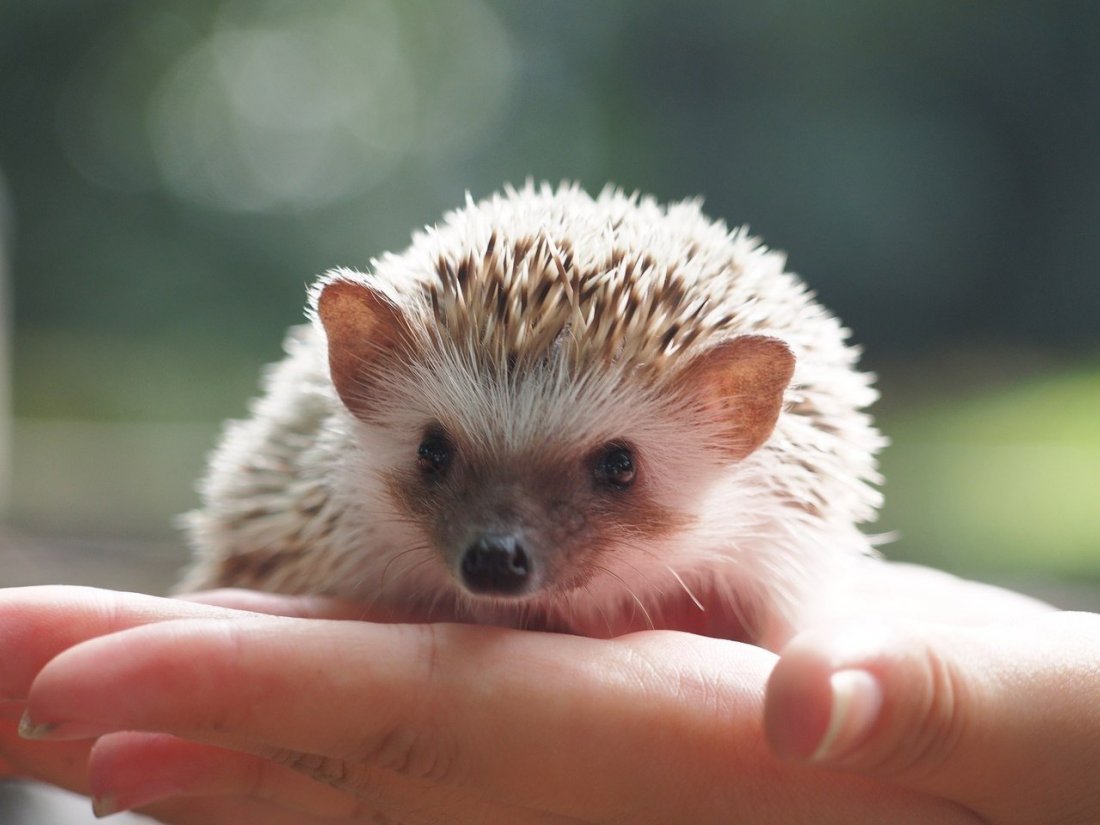
Hedgehog
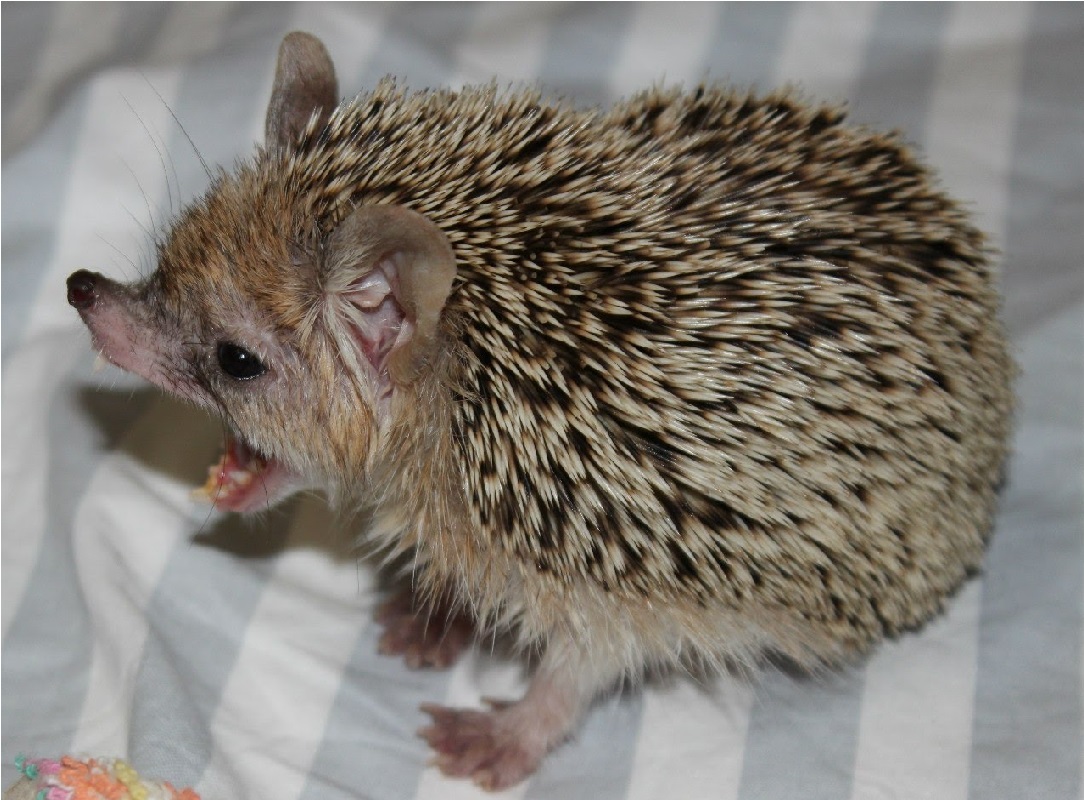
This friendly little creature can easily become a pet and find its place in a human home. However, if you want to keep a hedgehog, it's best to buy one from a pet store with all the necessary health certificates. Taking an animal from the forest is dangerous—it could be infected with rabies. It's best to keep a single hedgehog, as they tend to be solitary and need their own space.
It's best not to place the cage in or near the bedroom, as hedgehogs are primarily nocturnal and may make noise at night. Cleaning the cage once or twice a week is sufficient.
It is better not to touch a hedgehog when it is scared, otherwise it may bite.
Hedgehogs must have meat in their diet, as they are carnivores. Ground meat is best. Hedgehogs enjoy dairy products and insects, such as Madagascar cockroaches, mealworms, and crickets. They also need a small amount of vegetables and fruits. An adult hedgehog is usually fed twice a day.
Hedgehogs live near humans for 8-10 years.
People keep a wide variety of pets, often seemingly unsuitable for them. However, no matter what they are, one thing remains important: any animal needs to be loved and properly cared for. Only then will it reciprocate the love and bring joy to its owners.