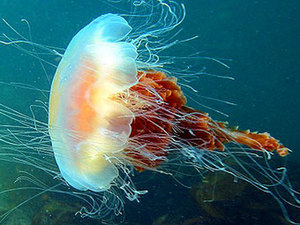
During the holiday season, people often encounter jellyfish stings on the coast. Read on to learn how to provide first aid in such situations.
Jellyfish are not fatal to humans. However, unpredictable reactions can occur in vacationers. Those with allergies, heart conditions, children, and the elderly should exercise caution.
Severe pain and heartburn often follow a sting from these creatures. These symptoms may be accompanied by dizziness, nausea, cramps, and swelling. Many develop a severe allergy to seafood.
After a burn, the first thing you should do is rinse the wound with seawater or simply salt water and remove any remaining poisonous threads. Avoid washing with fresh water, as this will speed up the absorption of the poison. Avoid touching the burn with your hands, as this will transfer the poison to unprotected areas of the body.
To neutralize the venom, there are various hydrocortisone ointments. Lemon juice, a baking soda solution, or 5% vinegar will also help. If necessary, take antihistamines or painkillers. Drink plenty of water throughout this time.
If you feel unwell, it is better to go to the nearest hospital.
Jellyfish are especially common after a storm. Avoid swimming during this time to prevent accidents.