 Danios (lat. Danio) are small, colorful fish of the carp family. Their natural habitat is the fresh, still, and flowing waters of the river basins of southeast Asia (India, Pakistan, Bangladesh, etc.), where they shelter in thickets of aquatic plants. Wild populations of danios can even be found in waters throughout the United States.
These fish appeared in home aquariums more than a century ago and became loved by aquarists for their unpretentiousness, ease of care and cheerful disposition.
They are very active and nimble, so if you want to take a photo of these creatures, you need to be patient and take a comfortable position while waiting for the right shot.
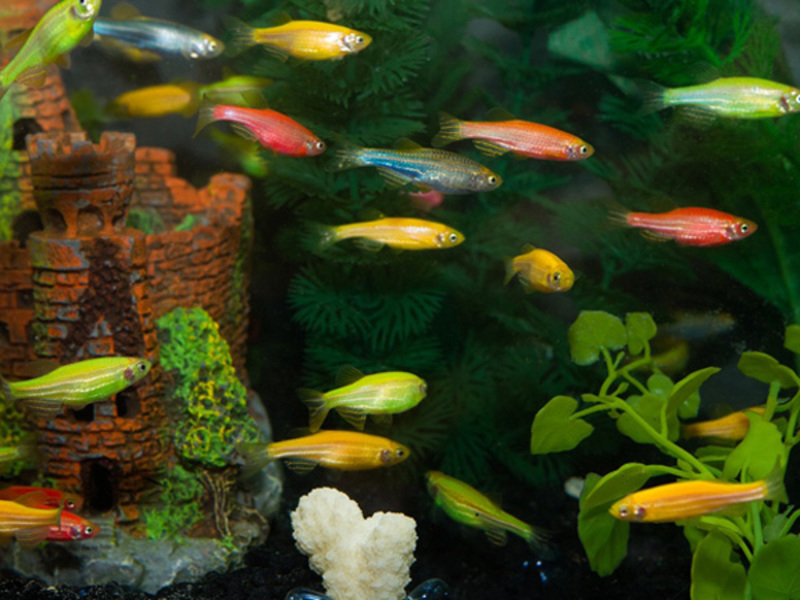
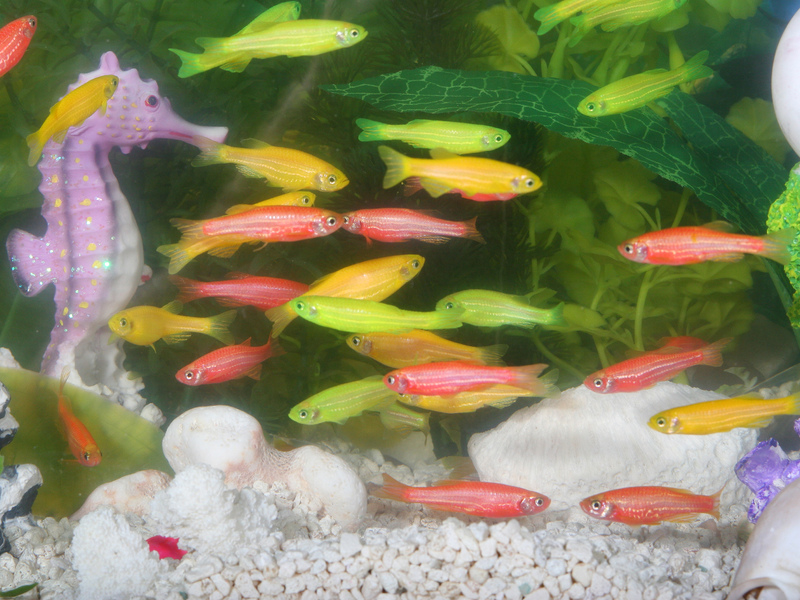
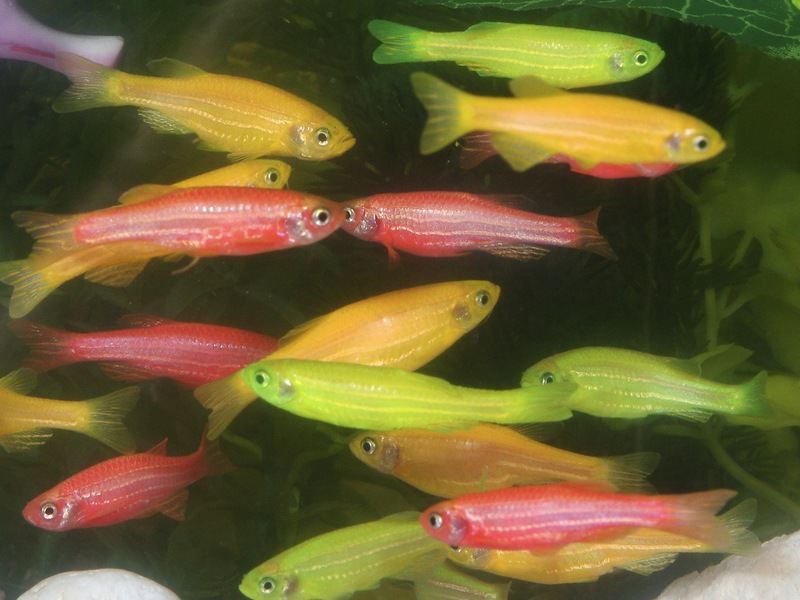
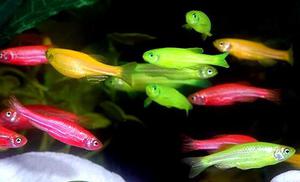
There are currently a variety of species of zebrafish, all of which originated from the zebrafish zebrafish, into whose DNA scientists inserted a gene that determines the ability to bioluminesce.
Whose genes were included in the zebrafish's genetic code, and how did this affect the fish's coloration?
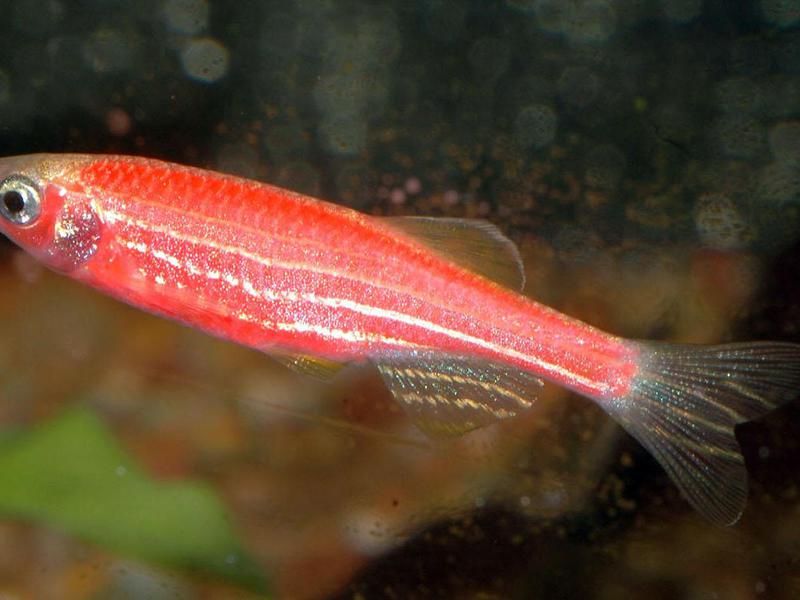
- The red color is due to a gene from a coral of the genus Disckosoma.
- The green color of the danio comes from a gene from the jellyfish genus Aequorea Victoria.
- The yellow color is the result of adding one or the other gene, respectively.
Content
Historical background
Initially, the modification of zebrafish with the jellyfish genome was carried out so that scientists could see through the transparent body observe the fish's organsIt was also hoped that the fish would act as an indicator of water purity, changing color when polluted. These experiments delighted the employees of a company breeding and selling aquarium fish, and the scientists were inundated with requests for fish of different colors. Thus, GloFish entered the aquarium market, later becoming a patented brand.
Work on creating new varieties continued, and soon orange, blue, and purple colorways appeared. Each was given its own trade name.
However, in some American states, Canada and Western European countries, the import, breeding and sale of these fish is prohibited due to the questionable safety of biotechnology.
Danio rerio proper
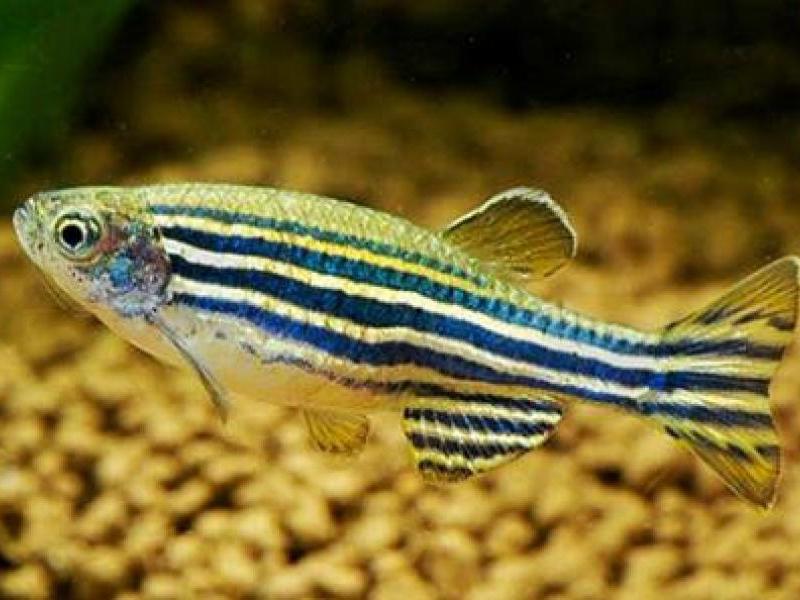
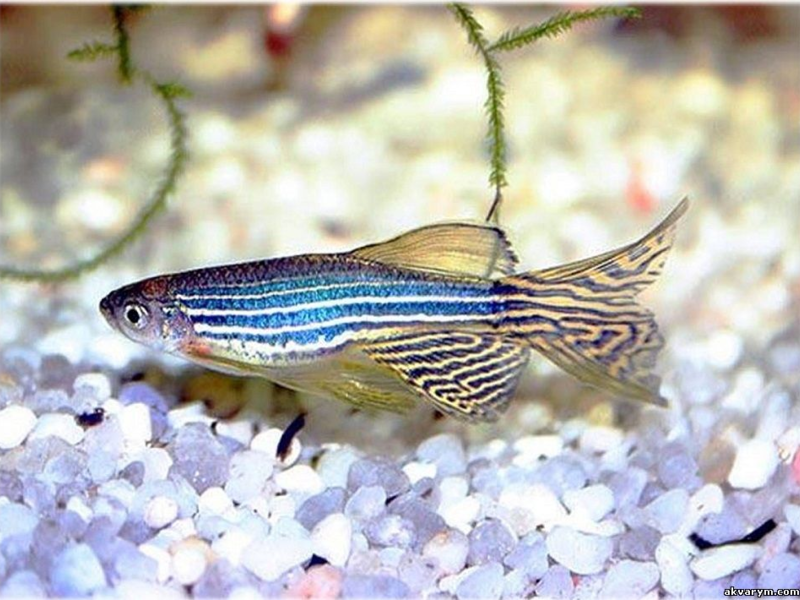
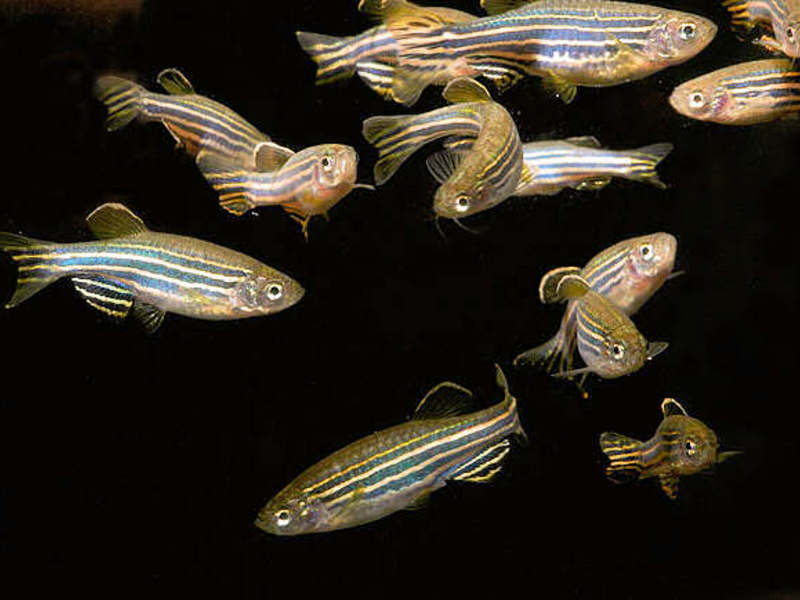
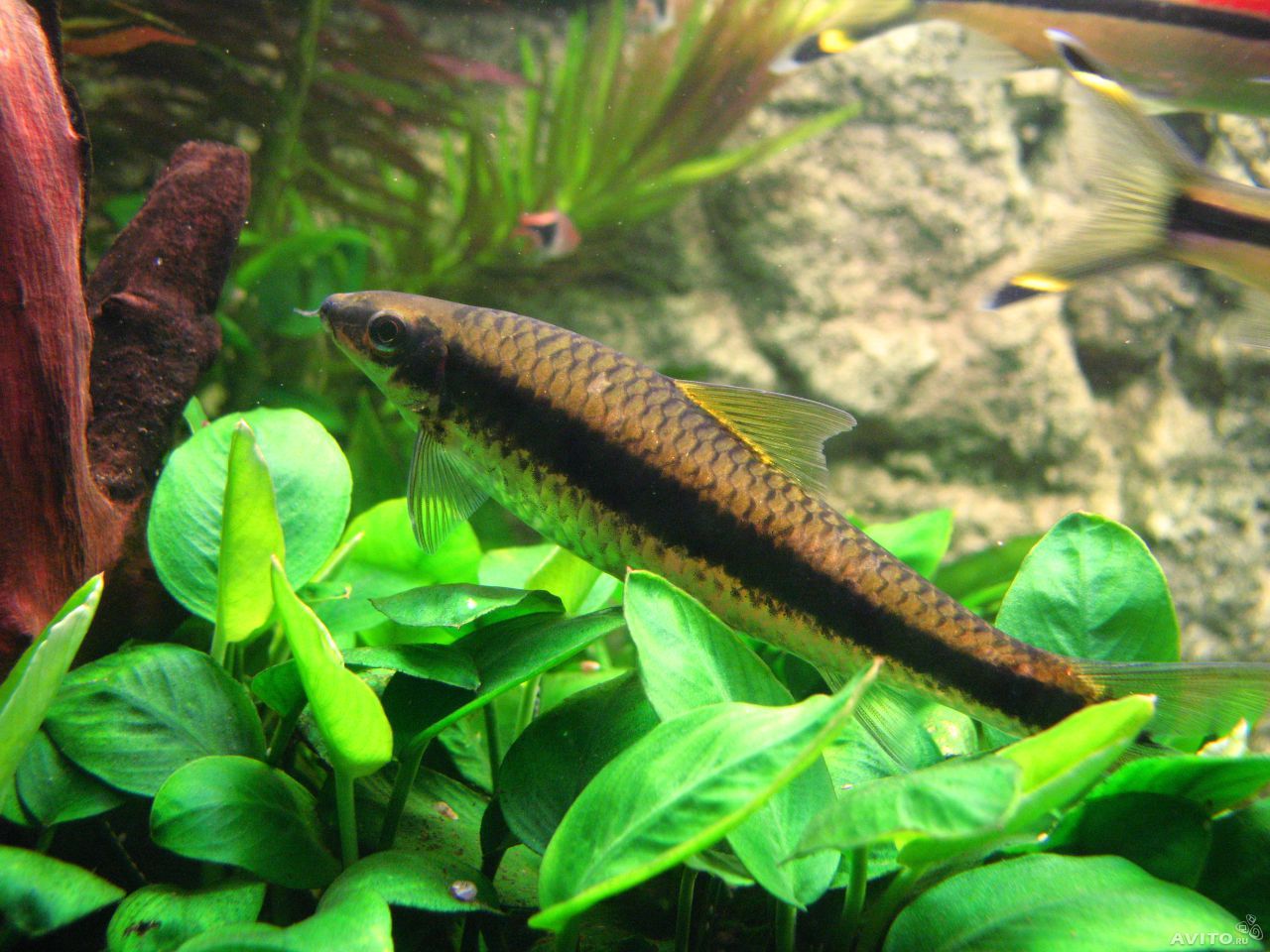
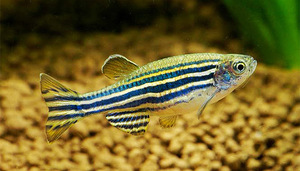 This small fishIts body is elongated and slightly flattened on the sides. The danio's body is marked by horizontal stripes, which is why aquarists call these fish "lady's stockings." Under the right lighting, the stripes shimmer in different colors, attracting admiring glances.
The fish has transparent dorsal and pectoral fins, and a striped pelvic fin. The tail is forked, and the stripes that run along the body continue along its surface. The fish's mouth is positioned slightly upward. This structure allows the zebrafish to easily swallow food from the surface of the water. Its tactile senses are represented by two pairs of barbels on the upper and lower lips.
As you can see from the photo, the danio rerio is a rather attractive fish even without genetic engineering.
Coral danio
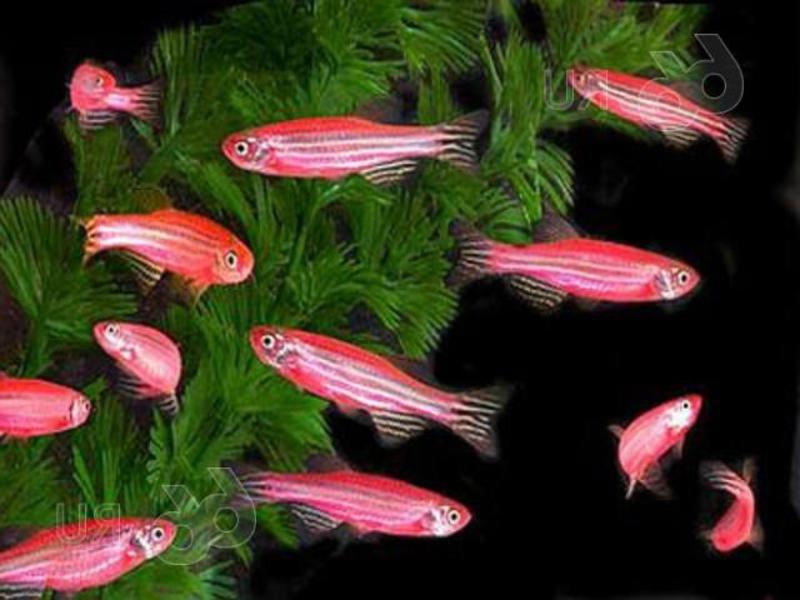
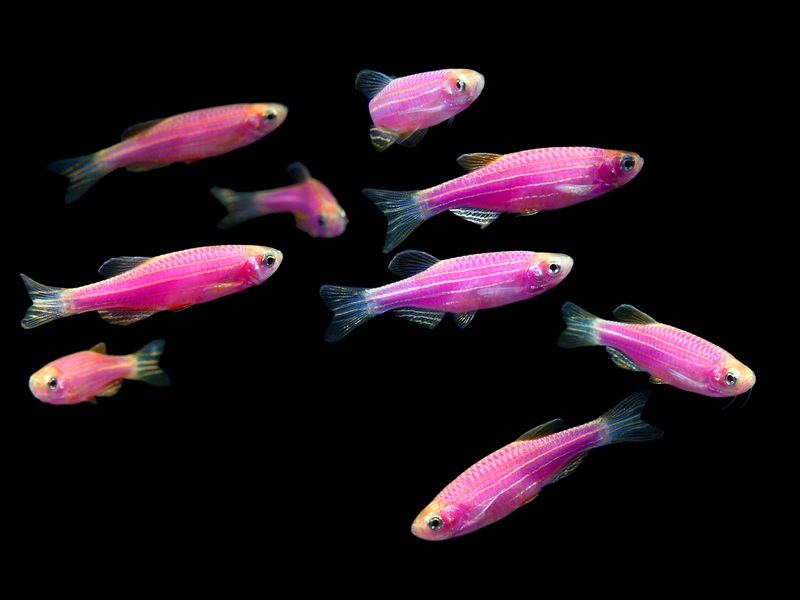
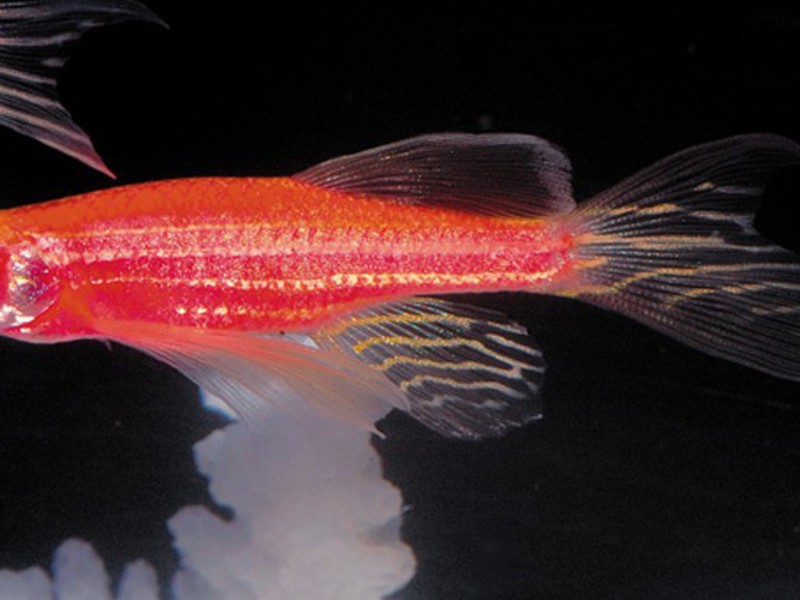
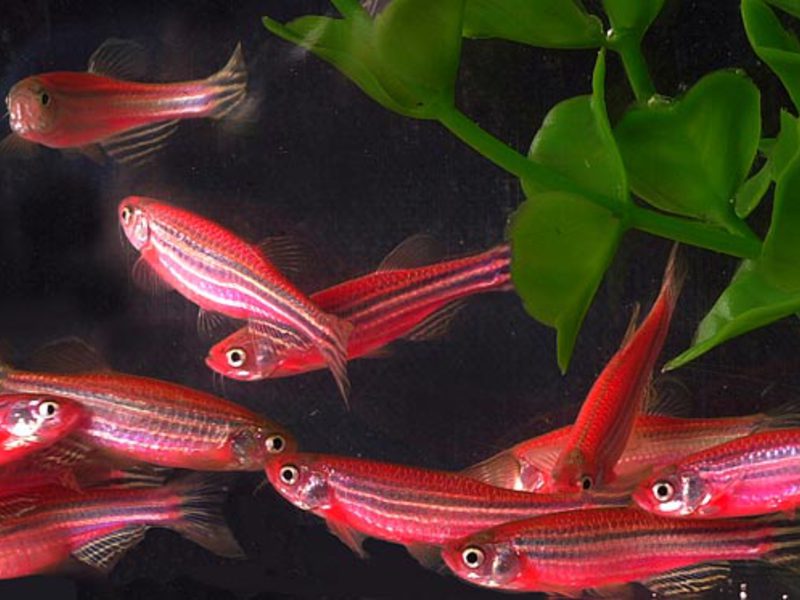
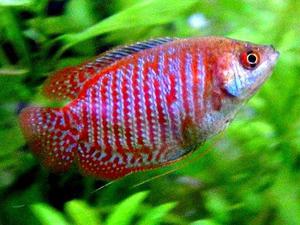
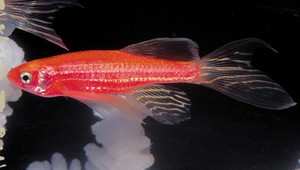 Coral danio Not found in the wild, it's a marvel of genetic engineering. Its bright, eye-catching coloration comes from a gene from a sea coral inserted into its DNA, hence the name.
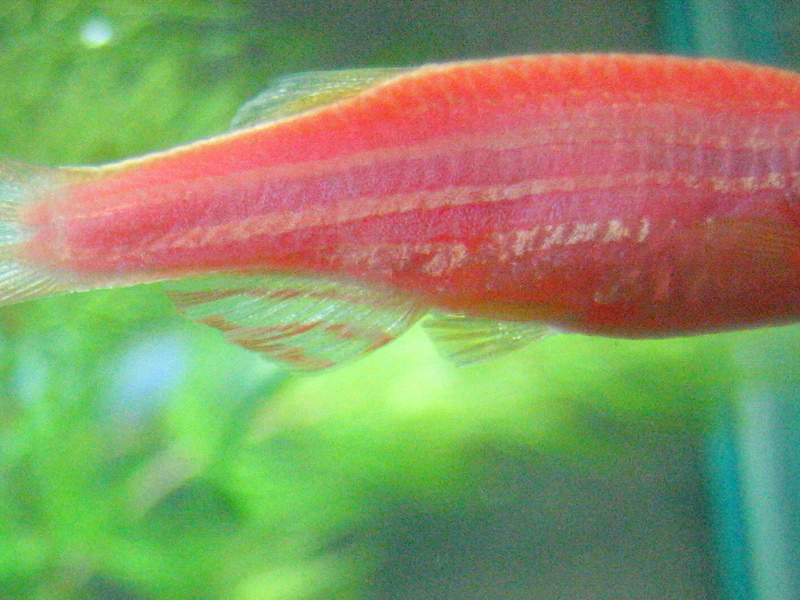
This fish is a poisonous pink. Its body is marked with darker stripes, extending from the gill flaps to the caudal fin.
In a home aquarium, they grow up to five centimeters in length. Like their ancestor, they are easy to care for and maintain. However, for artificially created forms, the water temperature in the aquarium should be around 28 degreesThese vibrant representatives of the danio species live in the upper and middle layers of water, where they can move freely or seek out secluded corners among the dense vegetation of aquarium plants.
There are some other varieties of these cute fish:
- pearl
- gold
- firefly danio
- Danio Dangila
- Malabar
- veil
- transgenic species (blue, leopard, purple, violet, green, etc.)
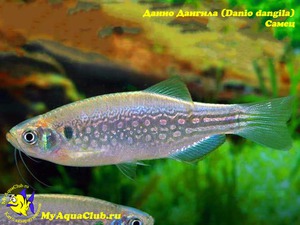
The largest species is Danio DangilaIn a home aquarium, it can reach a length of up to 9 centimeters. Its coloration is similar to that of the zebrafish, but its stripes are formed by rows of pearlescent spots.
The firefly danio is also noteworthy for its attractive coloration. A longitudinal orange stripe runs along its body, with transverse stripes extending from it. The fish itself is very unusual and vibrant—nature itself made it that way.
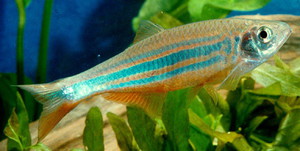
Another species that naturally has vibrant coloring is the Malabar danio. Its golden body is adorned with distinct, bright blue stripes.
Aquarium maintenance
 These fish live in schools, so it is better to catch them right away. purchase in quantities of 10–12 individualsTheir lifespan varies depending on conditions and ranges from three to five years. Despite their relatively peaceful nature, the pack has a clear hierarchy, which all members adhere to.
In a community aquarium, they do well with small, peaceful, and live-bearing fish (guppies, mollies, platies, and swordtails), as they pose no significant threat to their offspring. In dangerous situations, they may become food for larger predatory fish (cichlids, astronotus, and discus).
The size of the aquarium isn't particularly important, but its shape should be significantly longer than its height. For a school of fish, the volume can vary. from 30 to 70 liters, but the more the better, as these active fish love to swim and race. This often backfires: while caught up in the chase, the danio can jump out of the water. Keeping this in mind, the aquarium should be covered with glass, leaving a gap for air to enter.
The temperature in a home pond should range from 18 to 23 degrees Celsius, and the pH of the aquarium water should be slightly acidic to slightly alkaline (6 to 8). 20 to 30% of the water should be changed weekly. Adequate aeration is essential because the fish are very active and actively consume dissolved oxygen.
You can put river water on the bottom of the aquarium sand, small pebbles or crushed graniteIt's preferable to use dark-colored substrate, as the danios will look more impressive against it. Plants with long leaves (Vallisneria, Sagittaria, Myriophyllum) should be chosen and planted so that the fish have plenty of room to maneuver.
Diet and feeding rules
 These fish usually feed on the surface of the water, but they can easily snatch sinking food from the water column and even from the bottom. They are not picky eaters and can survive on artificial food alone. However, it's best to diversify their diet with small bloodworms or fruit flies. They will happily eat live or frozen bloodworms and brine shrimp. Dry food is best crushed between your fingers before feeding.
Secrets of reproduction and breeding
 Once you've decided to breed danios, you need to learn to identify their sex differences. These differences become apparent by seven to eight months. with the onset of pubertyThe female appears larger than the male due to her rounded abdomen. However, he still has an advantage over her—his coloring is much brighter than that of the female.
Approximately ten days before spawning, the females and males should be separated into separate tanks and fed live daphnia or bloodworms. There should be two or three males for every female. To determine whether a female is ready to spawn, simply look at her abdomen. It should be evenly wide at both the front and back.
While the future parents are feeding, it is necessary to take care of preparing the spawning area. An aquarium of the size no more than 10 litersPlants are placed on the bottom and weighed down with weights. Water, which has been left to settle for at least two days, is poured into the aquarium to cover the plants by 5-6 centimeters, and the aquarium is placed in a well-lit area. Fish ready to spawn are introduced to the spawning area in the late afternoon. Overnight, the danios adapt to the new conditions, and spawning begins in the morning.
The spawning process can last up to two hours, during which the male chases the female around the aquarium, hitting her abdomen and stimulating the release of the eggs. He then releases milt and fertilizes the eggs. The female can spawn up to 450 eggs at a time. After spawning is complete, the parents are separated from each other.
The maturation of the caviar takes up to 2 days Provided a favorable temperature regime is maintained. In cold water, this period extends to 4-5 days. Larvae hatch from the mature eggs, and from them develop into fry, which begin to swim independently within a week. Newborn fry are fed nauplii and infusoria. When the fry grow up, daphnia or cyclops are introduced into their diet.