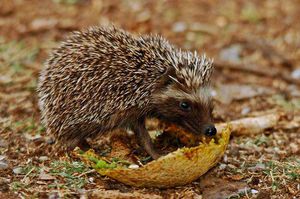
 From childhood, every child knows the hedgehog from cartoons where it stocks up on apples and mushrooms for the winter. In reality, hedgehogs don't actually make any preparations for the winter. Both in the wild and at home, they accumulate fat from spring to fall to survive the winter. To do this, they need to eat a lot.
The hedgehog is the most widespread animal, native to Europe, Siberia, Asia Minor, Kazakhstan, and China. They eat a wide variety of foods, depending on their habitat.
Hedgehogs usually live in forests and parks, but they can often wander into summer cottages or residential areas. Hedgehogs are not afraid of people at all and therefore often suffer, becoming victims of dogs—in which case even their spines don't help. Very often, these animals are killed by cars.
Hedgehog nutrition in the wild
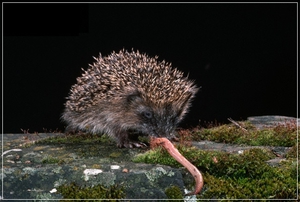
Hedgehogs are primarily insectivores. In the wild, they feed on:
- insects and their larvae;
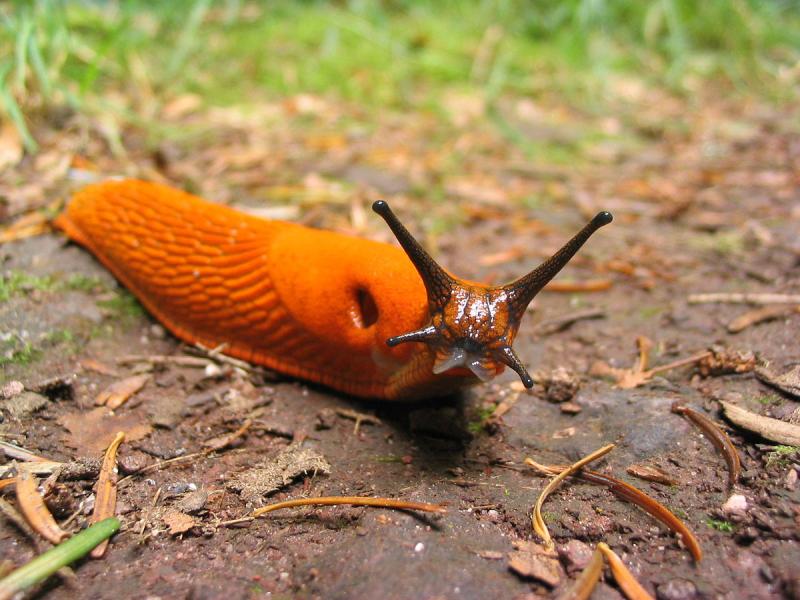
- slugs;
- earthworms.
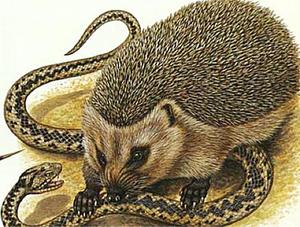
They can also catch mice (voles in the wild). They can catch frogs and snakes, but only when they are sedentary. Hedgehogs love to feast on eggs or chicks, but can catch more active creatures. In addition to all kinds of creatures, hedgehogs love to eat fruits and berries.
In addition to beetles and common snakes, hedgehogs can eat highly poisonous species, such as vipers, blister beetles, cockchafers, and ground beetles. After eating such a meal, the animal does not die or become ill, as its body is resistant to various poisons.
What does a hedgehog eat at home?
 At home, a hedgehog usually eats what its owner eats. But it shouldn't be fed this way; table food is very harmful for this animal. If it dies early, no owner will understand why. The best food for a pet hedgehog is special feedsBut in our country, they're practically impossible to find, so you can substitute them with cat food, but only for the first few days. Then, it's worth creating a special menu for this prickly pet.
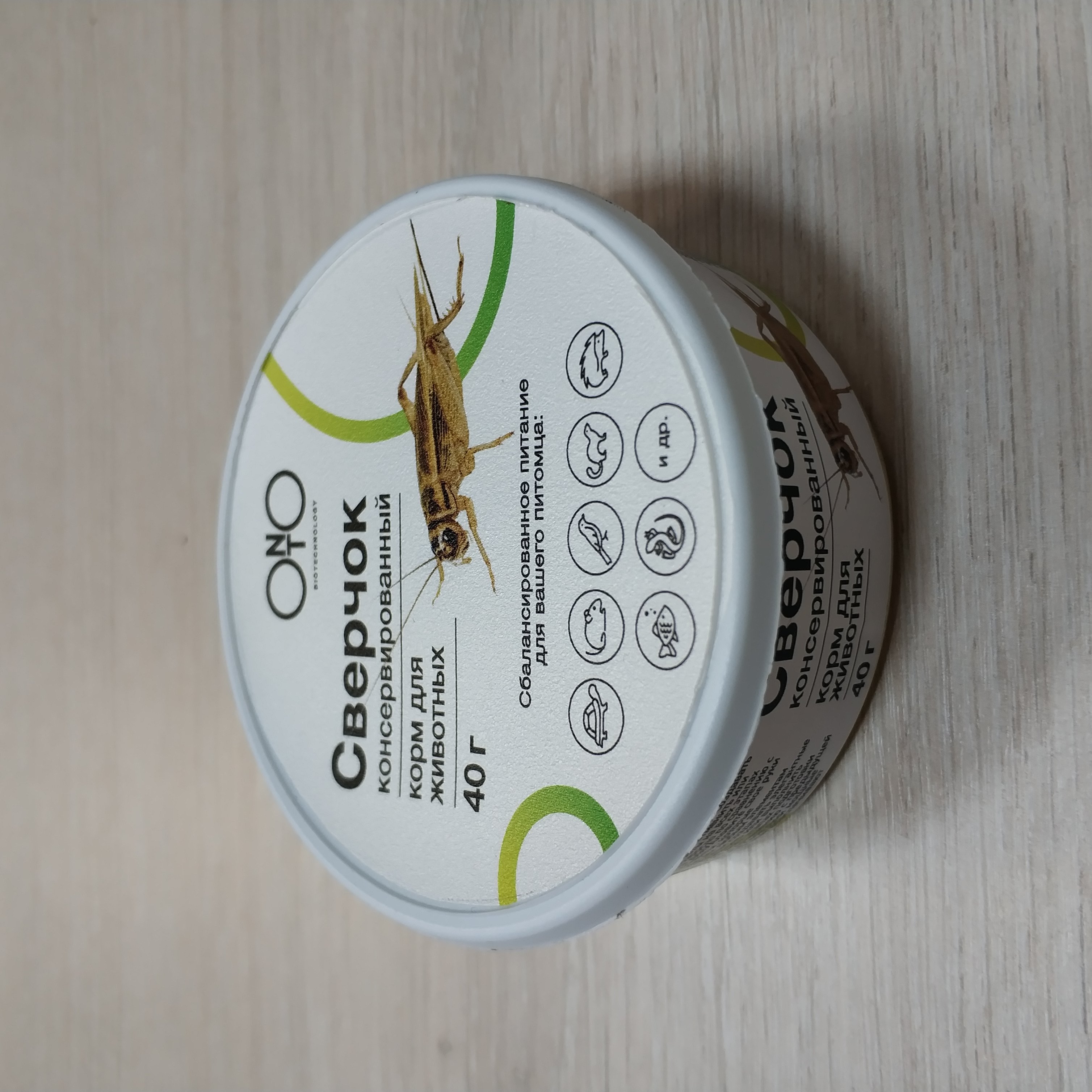
Hedgehogs love house crickets, and canned crickets are now available. Each can contains 40 grams of whole crickets, fresh, preservative-free, and ready to eat. They're available in pet stores and don't require special storage conditions. Crickets are high in protein, calcium, 9 amino acids, omega-3 fatty acids, vitamin B12, chitin, and oligosaccharides. They're also very low in fat, meaning they can be fed without restrictions. Hedgehogs eat canned crickets with great pleasure.
List of foods that can be fed to a hedgehog at home:
- chicken giblets;
- lean boiled meat - chicken, turkey;
- a small amount of fruit - pear, apple, strawberry, raspberry;
- some vegetables - cucumbers, sweet peppers, carrots, pumpkin;
- live insects;
- raw chicken or quail egg - once a week.
Care should be taken to ensure that all the products were fresh and warm (room temperature). After eating, all food remains should be removed to prevent the hedgehog from becoming poisoned by spoiled food.
Under no circumstances should you give hedgehogs:
- garlic, onion;
- citrus fruits, pineapple and all exotic fruits;
- dried fruits, as they are difficult to digest;
- grapes - may choke on seeds;
- nuts, seeds - may cause stomach upset;
- milk;
- fast food products.
It is a common myth that hedgehogs love milk. Milk is contraindicated for them., as their bodies are completely unable to digest lactose. Hedgehogs typically live 5–6 years, while a milk-drinking hedgehog only lives 1 year.
Most importantly, your hedgehog should always have fresh drinking water. It's important to remember that hedgehogs are carnivores and therefore should always be fed protein-rich animal-based foods.
Where do hedgehogs live?
 There are 23 species of this class worldwide, distributed throughout the globe and practically everywhere in Russia. Hedgehogs are absent only from South America, Australia, Madagascar, and Antarctica.
Their settlements can be found under the roots of trees, in thorny bushes, in a brush pile, or in an abandoned rodent burrow. Hedgehogs live individually and defend their nesting areas. In these areas, hedgehogs build individual nests, lining the inside with moss, dry leaves, and grass.
Hedgehogs hunt at night and sleep during the day curled up in a ball in their shelter. With the onset of winter cold—from late September, early October through April, when temperatures rise above 15 degrees Celsius—hibernate. Their heart rate and breathing activity decrease significantly during this time. If the animal fails to accumulate fat during the summer, it will inevitably starve to death during hibernation.
In unfavorable years during hibernation up to 45% of adult individuals die and up to 80% of young hedgehogs. In the wild, hedgehogs live from 3 to 7 years, but in captivity, their lifespan increases to 15 years.
Anyone who loves animals will not refuse to keep hedgehogs, especially since it is not difficult.
The benefits and harms of hedgehogs
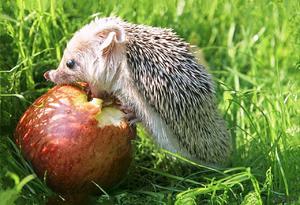 Hedgehogs easily adapt to life near humans and are often kept as pets. As early as the 4th century BC, the Romans raised hedgehogs for meat, baking it in clay with the quills. Hedgehog skins were widely used for leather.
The common hedgehog is useful for exterminating harmful insects and is harmful because eats chicks and eggs of birds, which nest on the ground.
This spiny animal can also carry diseases such as salmonellosis, fever, and rabies. Their fur is infested with fleas and ticks. Studies of ticks have shown that hedgehogs feed on them at all stages of their development. Hedgehogs are unable to rid themselves of ticks that have burrowed between their quills.


 Lena
Lena
1 comment