Fluffy, active hamsters are easy to eat and don't require much attention. They don't need grooming, bathing, walking, or spaying. It seems simple enough. But if you've decided to get a hamster, bought it a house, and assigned it a spot in your room, decide on the breed—Djungarian or Syrian—and the gender. Believe me, if you're getting a rodent for a long-term friendship, this is important. Active, engaging, and tidy, male and female hamsters have different physiological characteristics, and therefore, the care requirements for each are different.
Content
Why is it necessary to determine the sex of a hamster?
Whether a male or female determines whether there will be offspring in the near future, and the behavior of the sexes also varies greatly. Gender differences are especially important for those considering adopting several furry pets—this is especially true for Djungarian hamsters, which are often kept in groups. Sirikis, on the other hand, are more often solitary creatures. However, for reproduction, it's essential to know the pet's sex.
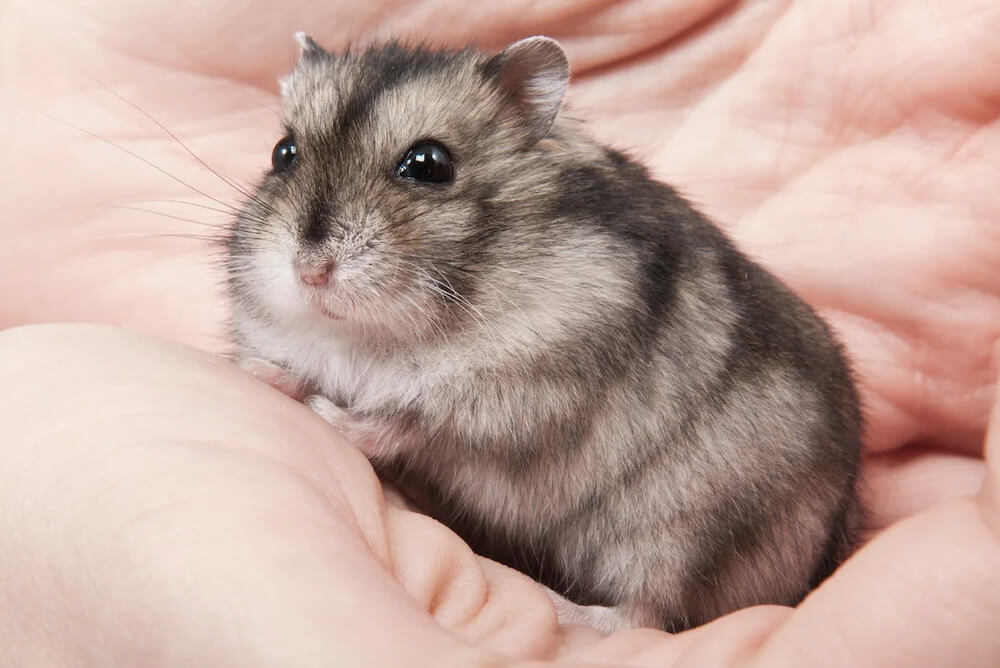
So why do you need to know the sex of your hamster?
- You can't do without a nickname - this is the first, but not the most important reason.
- The character, behavior, and rhythm of life of males and females are completely different.
- It is especially important to know the sex for those breeders who plan to purchase several individuals.
Regardless of gender, experts recommend keeping hamsters separately (except for animals from the same litter). For example, if a male and female are kept in the same cage, it's unlikely they will breed. Two males in the same "house" will become aggressive and quarrelsome. Sometimes, a misidentification of the sex of a hamster can cost the life of one of them, due to their fiery and restless nature.
Conversely, it is logical to place hamsters of different sexes in the same cage for breeding.
Basic methods for determining the sex of a hamster
If the pet store clerk is incompetent in determining the sex of a hamster, then an independent examination will help. There are the following options for determining the sex of rodents:
- based on physiological features of body structure (visually);
- by genitals;
- by pet behavior.
Let's consider all these options.
Read also Description of hamster breeds.
Determining gender by behavior
Both Djungarian and Syrian hamsters are lively, curious, and active. However, upon closer and longer interactions, it becomes clear that females are more aggressive and less friendly, and dislike being handled. Males, on the other hand, readily climb into people's arms and get along well with their owners.
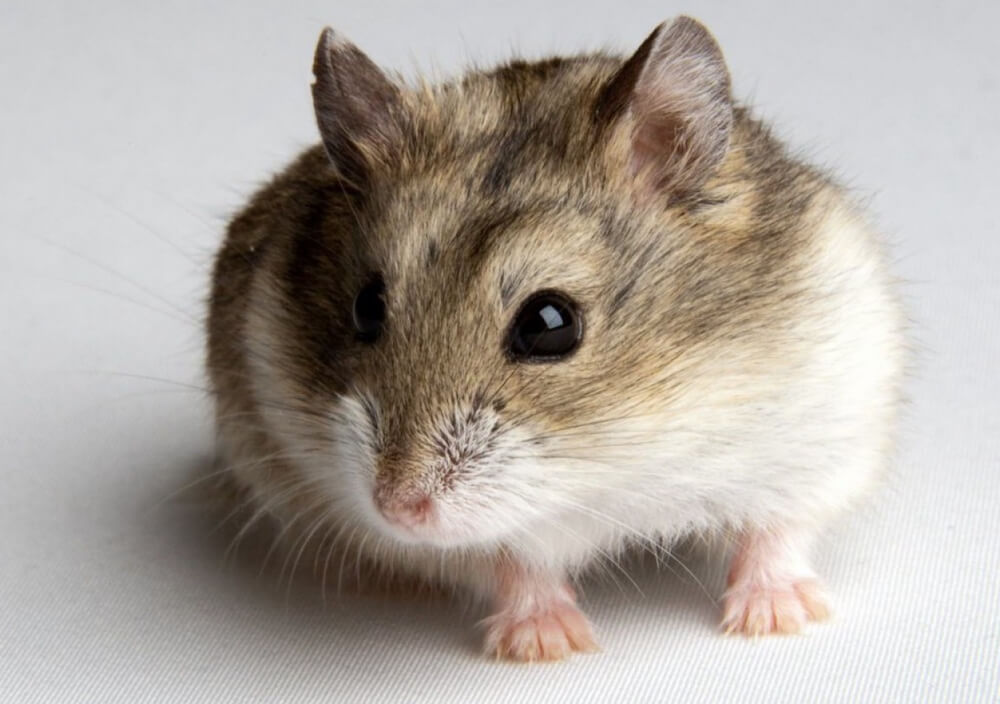
It's worth noting that behavior and unruly nature, regardless of gender, can change to varying degrees with age. It's important to separate your pets into different cages promptly—sexual maturity in hamsters can occur as early as 7-8 weeks, and monitoring mating is quite difficult.
How to determine the sex of a rodent by the shape of its genitals
To determine the sex of a rodent, a thorough examination of the genital area and abdomen is necessary. For this procedure, the animal should be laid on its back—young hamsters don't like this and will try to interfere with the examination. To make the process easier, pet the hamster and perhaps treat it with a favorite treat. This is best done after sleep. The animal should be relaxed, calm, and, most importantly, trusting.
How to determine the gender of a Djungarian or Syrian hamster that has reached sexual maturity – step-by-step instructions:
- Carefully place the baby on your palm, tummy up.
- On the abdomen of male Djungarian hamsters, you can notice a small pimple-like bulge just above the genitals—this is the gonad. In Syrian hamsters, this organ is located on the sides of the back—two glands on either side.
- In a sexually mature “boy,” you can easily visualize the testicles – they stick out slightly.
- In females, the distance between the anus and genitals is concealed - they practically merge into one point, while in males these organs are located 1.5-2 cm from each other.
- In females during estrus, these openings become covered with a thick layer of mucous secretions and visibly swell.
This method is relevant for adult hamsters; in babies, it is very difficult to visualize the testicles or notice the gonad of Djungarian hamsters.
We are looking for differences in the body structure of a male and female hamster.
Before examining your hamster, wash your hands without soap. If your hamster is well-fed and in a good mood, the entire procedure can be played out; your little one won't even realize you're examining its body structure.
It's well known that the coloring and body shape of male and female hamsters are virtually identical. However, their size and appearance from certain angles vary; for example, regardless of breed, female hamsters are always larger than males. It's especially important to note: if your hamster has gained weight after 3-4 months, it's most likely a female, and you're expecting a new addition to your hamster family.
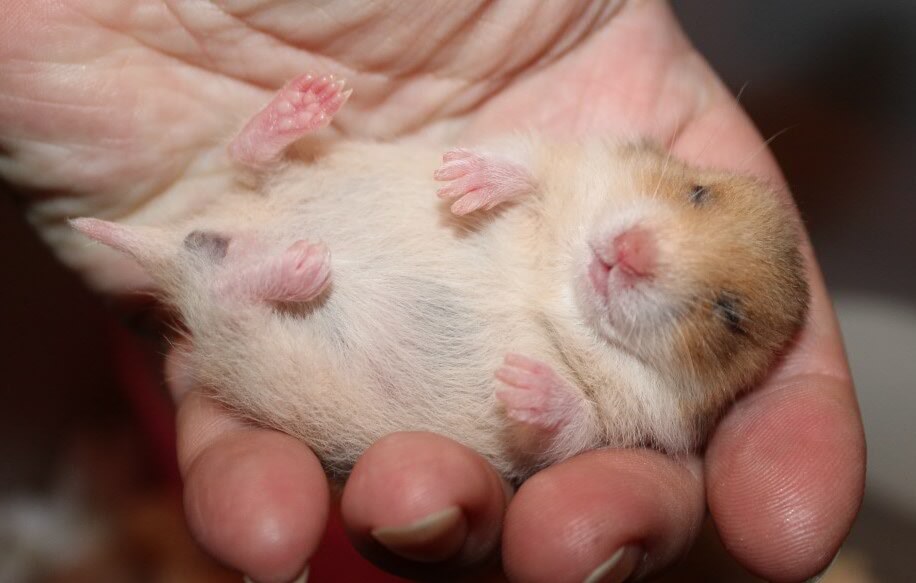
The challenge of visualization lies in the fact that hamsters have small bodies, and their agility and uncontrollable nature make it difficult to easily examine all parts of the animal's body. Syrian hamsters have thick, lush fur, which further complicates the task.
The main visual differences between males and females:
- the body size of the "girl" Djungarian and Syrian hamsters is slightly larger, and the back is rounded;
- in males, the back tapers towards the tail (which is slightly raised) and the hamster is always smaller in appearance;
- Djungarian hamsters have short hair, while the females are not very hairy, and they are immediately distinguished from male hamsters by the following: the “boy” has thicker and more luxuriant hair in the genital area;
- Syrian hamsters have a belly area that is practically hairless;
- In Syrian males, the shoulder blades are more pronounced and slightly pointed;
- A common feature for both varieties of hamsters is the presence of nipples in females - 4 nipples are clearly visible, located on the abdomen, they are determined by palpation.
It's also believed that male hamsters have a stronger odor than females. This is because male hamsters use scent—a secretion from their gonads—to attract members of the opposite sex. Experts also note that female hamsters should have a dry, smooth abdomen, while males have a periodically damp abdomen due to fluid secreted by their gonads.
How to determine the sex of a Djungarian or Syrian hamster at a young age
Dzungarian Syrian hamsters are all alike when they're young. Visually, male and female hamsters can be distinguished only at 2 months of age, and the differences become even more pronounced at 3-4 months. But what if you need to determine the sex of your hamster right now, and you're holding a tiny one?
Very young Djungarian and Syrian hamsters don't have a thick undercoat, their bodies are uniform in size, and they lack distinct genital features. The best time to breed them is until they are 30-40 days old. Only then do almond-shaped bulges appear under the tail of males—developed testicles—allowing them to be identified as "males."
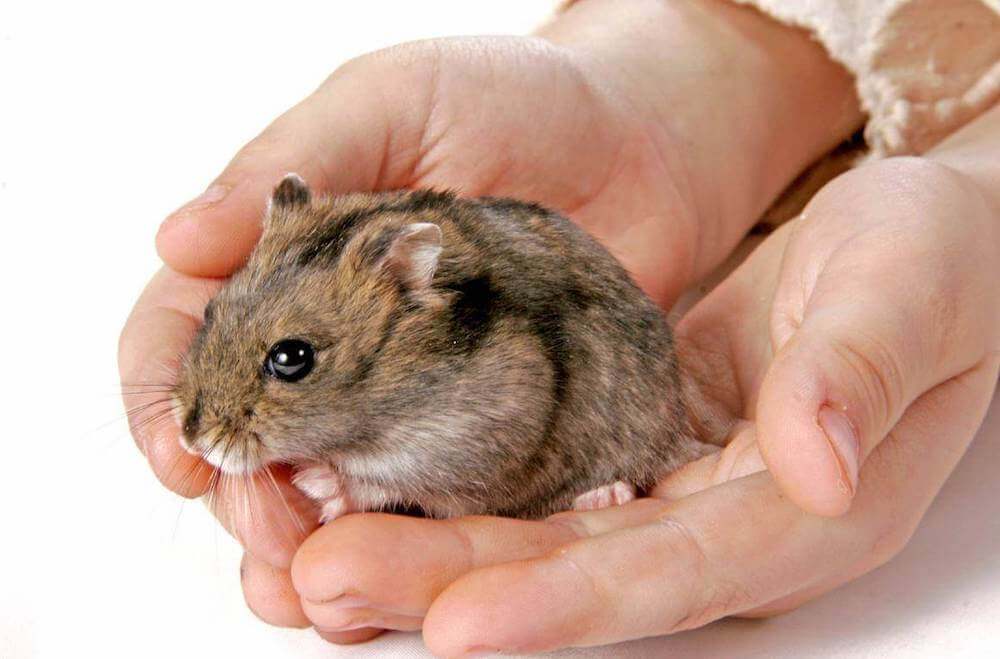
Very young hamsters have visible pink spots on their bottoms. If you can spot them, you can visually identify a male's genitals—typically, in babies, they're located on the abdomen, with the anus under the tail. In females, no visible bulges are visible on the abdomen. However, this method is only reliable for an experienced specialist or experienced hamster breeder.
At what age is it easier to determine the sex of a hamster?
It is strictly not recommended to pick up small hamsters. This attempt to "examine" the baby risks the mother no longer accepting the child and completely distancing herself, as human hands will interrupt the scent acquired at birth.
The optimal age for sexing a hamster is three months. At this age, errors are eliminated, and sex can be determined not only by the genitals but also by behavior.
With proper care, these mischievous little rodents will become sweet and devoted companions. Regardless of gender, they are true neat freaks and meticulous, with engaging behavior and a curious lifestyle.
Read about Keeping and caring for hamsters at home.