 Herbivores feed exclusively on plant matter. This explains their well-developed jaws. They differ from each other in body size, fur color, speed of movement, and ability to hide from enemies.
Characteristics of herbivores
Long, muscular, strong legs and hooves protect their feet when moving over hard, rocky terrain. Their hooves allow them to defend themselves from enemies. Their thirst forces them to stay near bodies of water. The most common artiodactyl herbivores - llama, zebra, deer, elk, bison, roe deer. Besides these massive herbivores, there are small and tiny ones, including the hare, hamster, and vole.
Representatives of herbivores
 Elephant
- Hare
- Lama
- Zebra
- Deer
- Elk
- Bison
- Roe
- Hamster
- Field mouse
- Gorilla
- Kangaroo
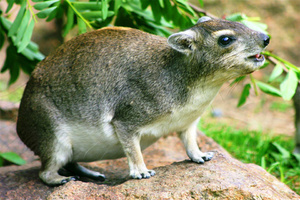 Elephant
Distinctive features of herbivores
- Elephant Elephants are one of the largest herbivores, equipped with a long, sensitive trunk. With their trunks, elephants can grasp the smallest objects on the ground and retrieve food from tall trees. Elephants eat a wide variety of foods, including tree roots, fruits, bark, and grass. They eat a lot and rarely sleep. These animals travel long distances to find food. Despite their enormous size, elephants can walk quietly and run quickly. Their running speed can reach up to 30 km/h. Elephants are also very intelligent.
- The hare is a small herbivore with a forked upper lip, which allows it to easily obtain food. It feeds exclusively on grass, and in winter, on bark and dry twigs from trees and bushes. Hares have highly developed hearing, allowing them to detect the footsteps of approaching predators. Hares also have well-developed hind legs. They can run very quickly, reaching speeds of up to 50 km/h. Hares can leap high and far, and can change direction sharply in mid-air, allowing them to easily escape and hide from predators.
- Lama A llama is an animal from the camel family. It resembles a deer in appearance, but without antlers. They feed on almost anything: leaves, grass, hay, and twigs. Llamas have very strong and muscular legs. This allows them to reach speeds of over 50 km/h, allowing them to easily outrun predators. These animals also have warm fur, which protects them from cold winds in winter and heat in summer.
- Zebras are members of the horse family. They are distinguished by their beautiful black and white stripes. This pattern is unique to each zebra and is never repeated. They feed exclusively on grass. They also require ample amounts of water, so they live near bodies of water and frequently visit for water. Zebras have large, muscular legs, which allow them to run quickly and escape predators.
- Deer — a herbivore. Deer are distinguished by their branched antlers. The number of branches on the antlers indicates the deer's age. These animals feed on all the gifts of nature. They are not picky about their diet. In summer, they feed on soft grass and berries, in autumn on acorns and chestnuts, and in winter on tree bark and twigs. Deer have strong legs and great endurance, which allows them to quickly escape from predators.
- Moose are animals with beautiful antlers shaped like a plow. They have poor eyesight, but a well-developed sense of hearing and smell, allowing them to detect the approach of a predator. Moose feed similarly to deer: grass, tree bark, berries, acorns, and chestnuts. Moose drink a lot, so they live near bodies of water.
- Bison — an even-toed ungulate herbivore. It has a menacing appearance, although it is quite harmless. It feeds on grass, tree bark, and bush twigs. With fast, durable legs, it runs easily and quickly, covering long distances and high obstacles.
- Roe deer are herbivores, beautiful, and graceful animals that feed on grass, berries, acorns, and moss. They are very active and require plenty of water, so they live near bodies of water.
- Hamster — a family of rodents. This is a very interesting animal. Hamsters feed mainly on grain from the fields. They store the grain in their cheek pouches and carry it to their burrow. These rodents have well-developed claws, which allow them to move quickly and dexterously while escaping from predators.
- The field mouse is also a member of the rodent family. It is very agile. Its front paws are very flexible, allowing it to quickly escape if threatened. These rodents feed on plant matter, including grains, grass, berries, and nuts.
- Gorilla A member of the herbivorous family, the gorilla is the largest ape on Earth. It has long upper limbs and lower limbs with powerful feet. Their massive jaws allow them to eat hard foods such as tree bark, twigs, and shrub roots, as well as soft, succulent grasses and fruits.
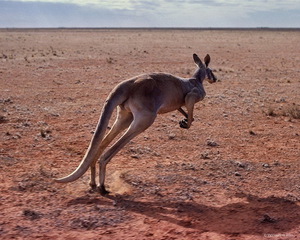
- The kangaroo is a most unusual herbivore, as it has a pouch on its belly that resembles a bag, hence their name, marsupial. In this pouch, the kangaroo carries its young. Kangaroos have two long hind legs and two short front legs. Their well-developed hind legs allow them to jump very high and far. Kangaroos have well-developed hearing, which is important in wild habitats. They feed exclusively on plants.
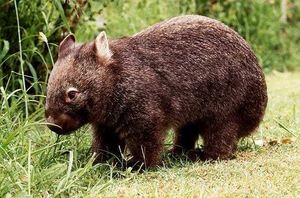 Elephant Elephants are one of the largest herbivores, equipped with a long, sensitive trunk. With their trunks, elephants can grasp the smallest objects on the ground and retrieve food from tall trees. Elephants eat a wide variety of foods, including tree roots, fruits, bark, and grass. They eat a lot and rarely sleep. These animals travel long distances to find food. Despite their enormous size, elephants can walk quietly and run quickly. Their running speed can reach up to 30 km/h. Elephants are also very intelligent.