Pets can brighten the loneliness of city dwellers and provide many positive experiences. If you spend most of your time at work, you can choose a pet that doesn't require special care and tolerates solitude well.

Aquarium fish
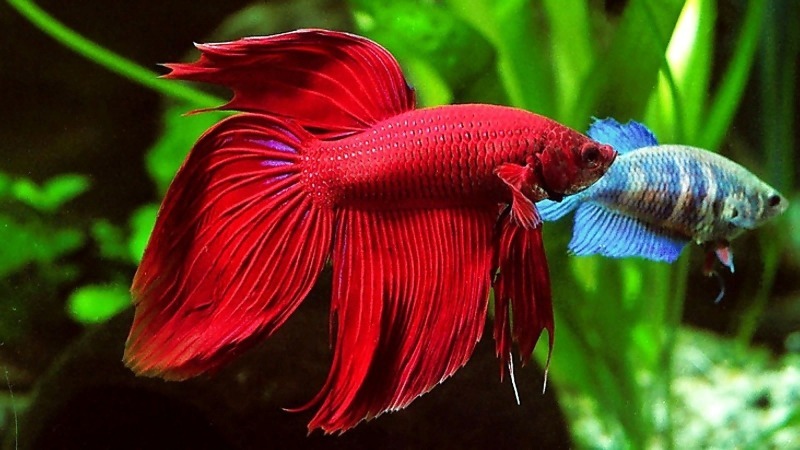
Acquiring such pets will solve several problems at once: you'll have a living creature in your home that needs to be cared for, contemplating the underwater world has a beneficial effect on your psychological state, and the aquarium can become a beautiful interior element.
It's easy to create ideal conditions for your fish:
- Purchase an aquarium. Avoid vessels that are too small. The water will become dirty much faster, and the aquatic inhabitants won't thrive in a small space. You'll also need a water filter, a thermometer, an air pump, a heater, and lighting.
- Fish food is sold in pet stores and is selected based on the preferences of the specific aquarium species. Feedings are given 1-2 times a day in small portions to avoid clogging the water with food debris.
- The aquarium should be cleaned as the water becomes cloudy, approximately every 7-10 days. The filter and substrate will also need to be washed once a month.
Hamsters
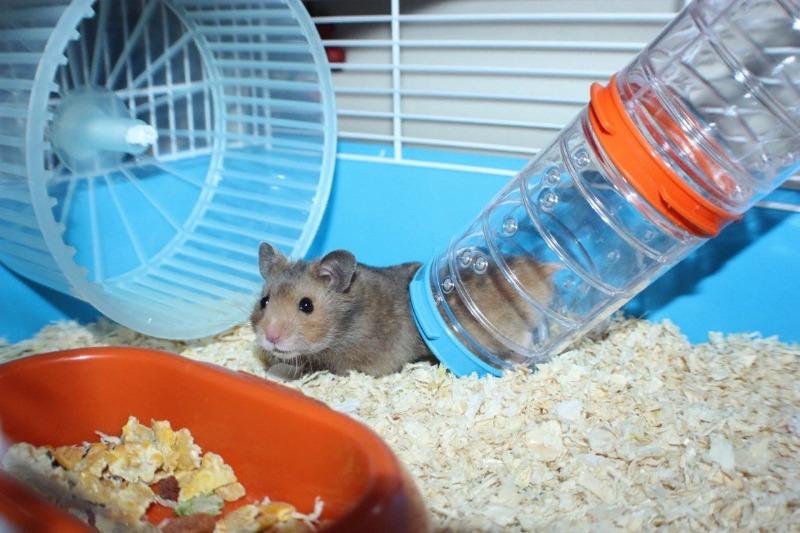
Caring for this small, furry creature won't be difficult if you follow the proper care instructions. Hamsters are naturally solitary creatures and can easily survive the absence of their owner during the day.
To accommodate this hamster in an apartment, you'll need a cage with sturdy bars or a terrarium. The hamster's home should be away from drafts, heating appliances, and direct sunlight.
A special pet food from a pet store or raw vegetables and fruits are suitable for feeding. Fresh water should always be available in the water bowl.
Changing the bedding once a week is sufficient. Rodents do not tolerate bathing well, as it can lead to illness. Therefore, bathing should only be done in extreme cases.
Land turtles
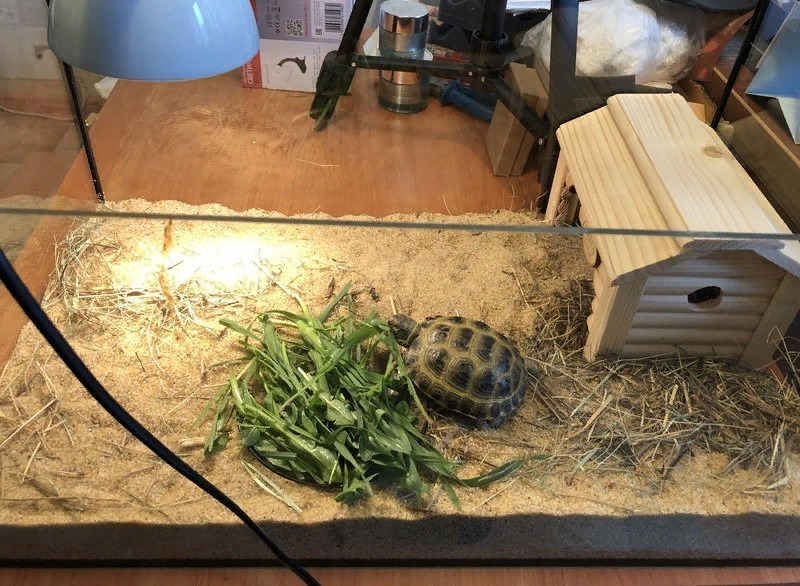
This amphibian won't cause much trouble. It doesn't leave hair behind, doesn't make loud noises, and doesn't require running around the apartment. It lives quite a long time—10-20 years if kept in comfortable conditions.
To keep such a living creature you need:
- Purchase a terrarium that maintains the required temperature. Avoid letting your turtle out onto the floor, as it could get injured or catch a cold from a draft.
- Change the bedding once a month. Because your cat's claws grow, it's best to choose a hard surface—special substrates or coarse gravel.
- The diet consists primarily of greens, fruits, and vegetables. Adults require feeding every 2-3 days. Fresh water should be added to the water bowl once a week.
Budgerigars
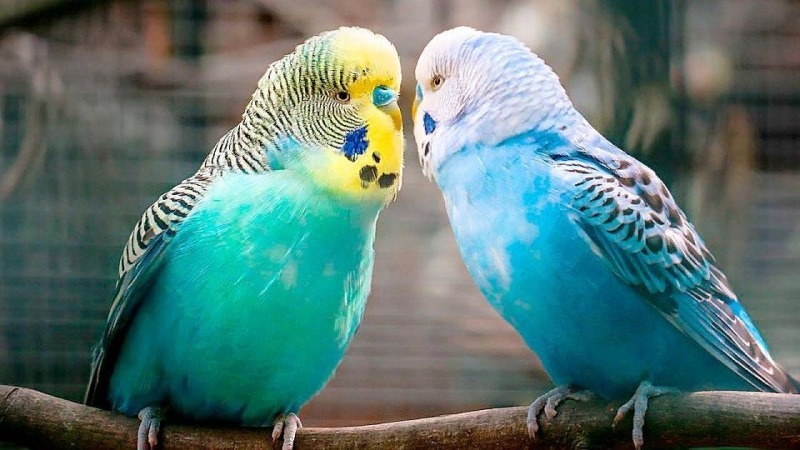
These playful, colorful birds will delight both adults and children. Playful and mischievous, they can learn to repeat sounds and words. Furthermore, feathered pets don't require a large investment. The main thing you need to consider is a spacious cage.
It's best to place the bird's home in the brightest room, near a window. However, direct sunlight and drafts should be avoided. To prevent the parrot from getting bored spending the day alone, equip the cage with ladders, a swing, and a mirror.
Fresh drinking water is essential for this feathered friend. It should be changed daily. They are also very clean creatures, so it's worth considering installing a pool. They enjoy a diet of fruits, vegetables, seeds, and special food.
Guinea pig
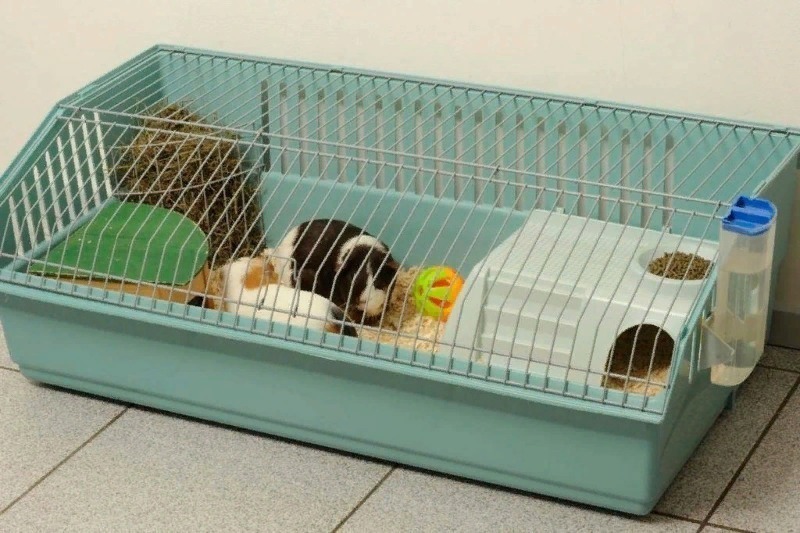
This sweet and low-maintenance pet can make a good companion. It doesn't require constant attention and can spend the entire day alone. It readily allows its owner to pet it and eventually becomes accustomed to it. Care instructions:
- A cage is required to house the animal. A small aquarium or plastic box will do. The habitat should be located so that it receives sufficient daylight.
- Suitable foods include various vegetables, fruits, fresh grass, hay, seeds, and specialty foods. Make sure your pet always has access to water. Most of the daily ration can be given in the evening.
- Changing the cage bedding once a week is sufficient. Suitable bedding includes sawdust, hay, diapers, paper shavings, and special bedding for guinea pigs and cats.
- Don't bathe your pet too often. Only do so when necessary, such as when an unpleasant odor appears or when the fur becomes dirty.
Achatina
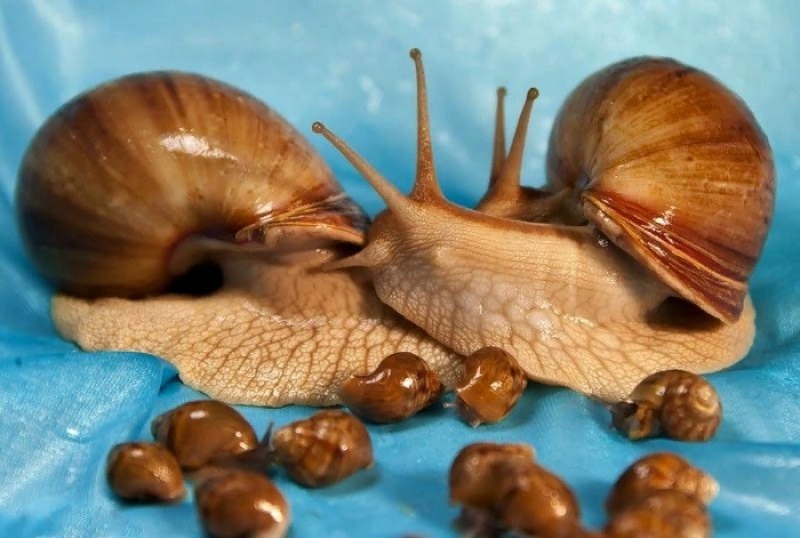
Giant snails are the most easy-to-care-for species. They require an aquarium or a box, but it must be well-ventilated. They can be filled with slightly moist soil, which should be changed every two to three months.
Achatina fish will happily enjoy fresh vegetables, fruits, lettuce leaves, crushed eggshells, and even dry fish food. They should be fed no more than twice a week.
Rabbits
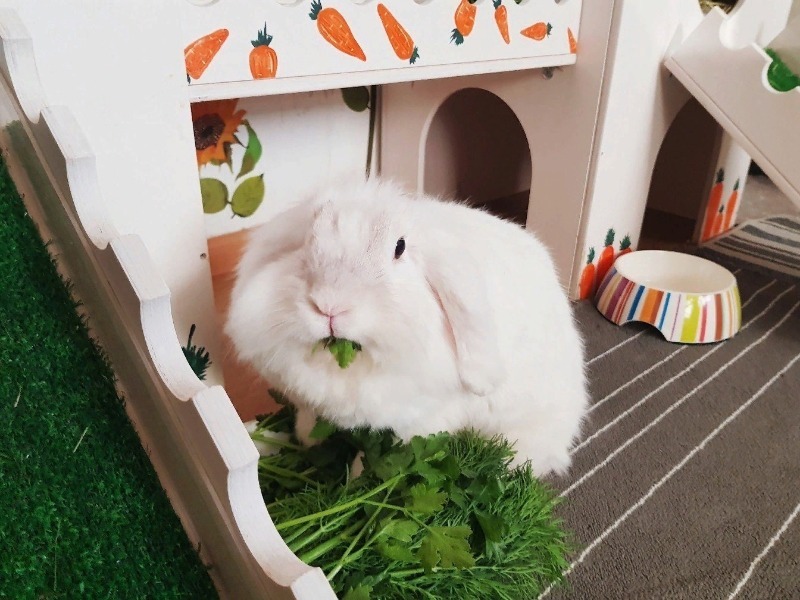
These adorable, fluffy-eared creatures require a little more care than other pets. Their cage needs to be cleaned regularly, otherwise a persistent, unpleasant odor can spread throughout the apartment. The litter should be changed every other day, and the litter box should be cleaned daily.
During shedding season, brush your rabbit's fur. Your pet needs to have its claws trimmed every three weeks. Since this animal is a rodent, make sure it has a diet of twigs. This will help wear down its growing teeth.
The main food for the animal will be hay, fresh grass, compound feed, grains, vegetables, fruits and, of course, clean water.
No matter how busy or overloaded you are with work, you can find a pet whose presence will brighten any home. Time spent caring for a pet is compensated by a good mood and a reduction in loneliness.