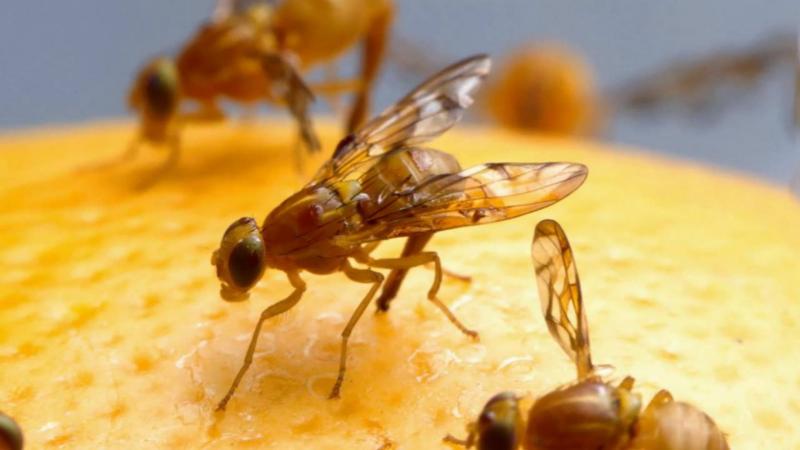
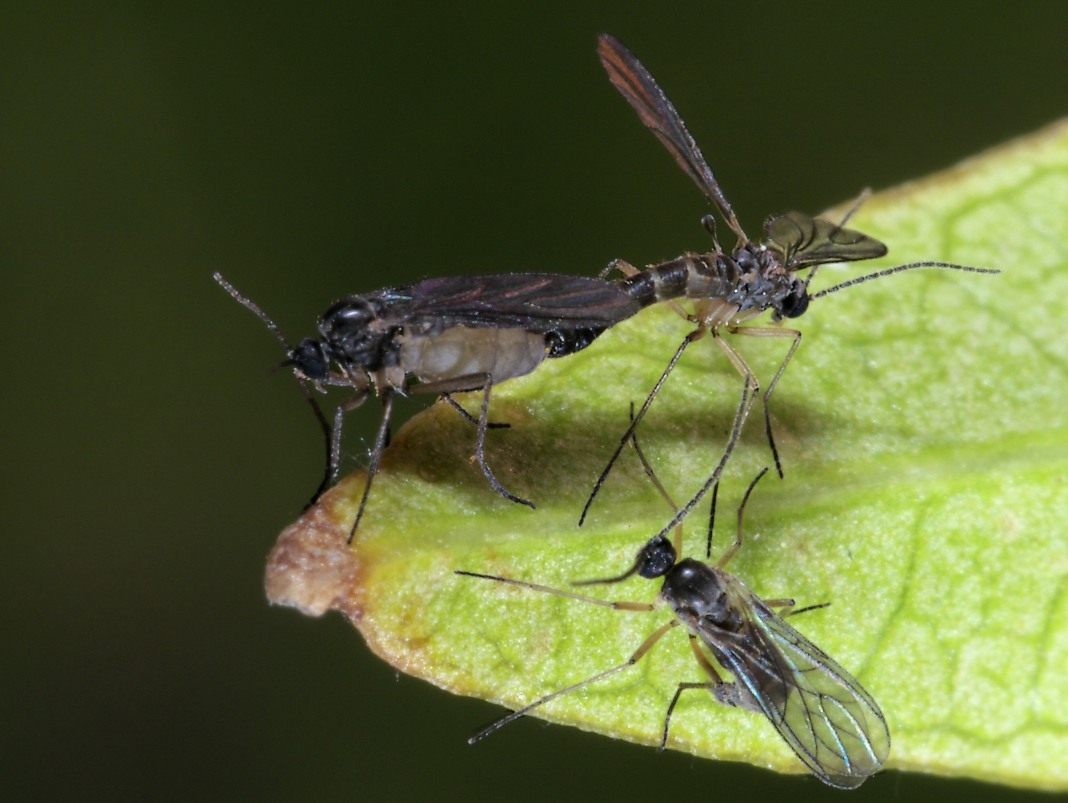
Summer is the season of delicious fresh fruits and berries, which people look forward to all year long. But along with apricots, peaches, strawberries, and other garden delights, fruit flies—tiny insects that live in fruits, vegetables, and berries—make their way into our homes. It's not exactly pleasant to see them in your kitchen, but we must admit: fruit flies are an indicator that something in the kitchen is starting to spoil, and it's time to check the produce. What kind of flies are these, and how are they dangerous or beneficial to us humans?
Content
Who are fruit flies?
Drosophila belong to the family of small fruit flies and have a very small body - 2.5 mm for females and about 2 mm for males. They have a yellow-brown, unsegmented body. The segments are visible due to transverse black stripes on the abdomen. The posterior part of the body of males is significantly darker than that of females. Fruit flies have deep red eyes.
If a fruit fly experiences any mutations, its appearance may differ greatly from that described above. For example, its eyes may change color: yellow, white, or cherry. Its wings may become shorter or disappear entirely. Its body color may range from light gray to dark brown.
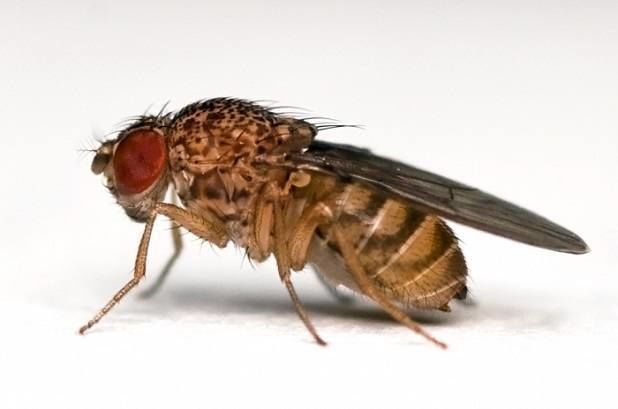
Fruit flies are very small creatures; people wouldn't notice them if they weren't so annoying.
It's no coincidence that fruit flies belong to the fruit fly family—they feed primarily on vegetables, fruits, and tree sap, but their favorite food is spoiled fruit.
These flies are found primarily in southern regions, where it's warm and food is plentiful. However, they can also be found in the north; here, they prefer to settle near people buying fruits and vegetables. Fruit flies' favorite habitats include vegetable warehouses, fruit storage facilities, and juice and wine factories.
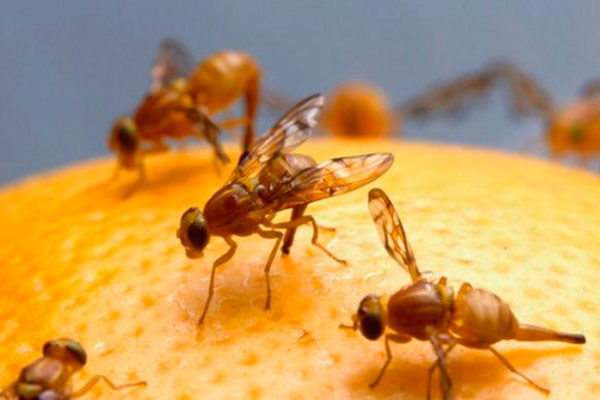
Fruit flies feed on both fresh and rotten fruits and vegetables.
Fruit flies lay eggs on fruits and vegetables. They're very difficult to spot, so it's unclear where these flies come from on spoiling fruit. It's quite simple: the larvae appear when the fruit or vegetable begins to rot. This process may be invisible to the human eye, but if fruit flies appear, it's a sign that something is spoiling.
In apartments, flies settle mainly in the kitchen, close to fruits and vegetables, as well as near the trash can. If there are houseplants in the room, fruit flies can settle there too, since rotting processes also occur in the soil, and the flowers also have very tasty juice.
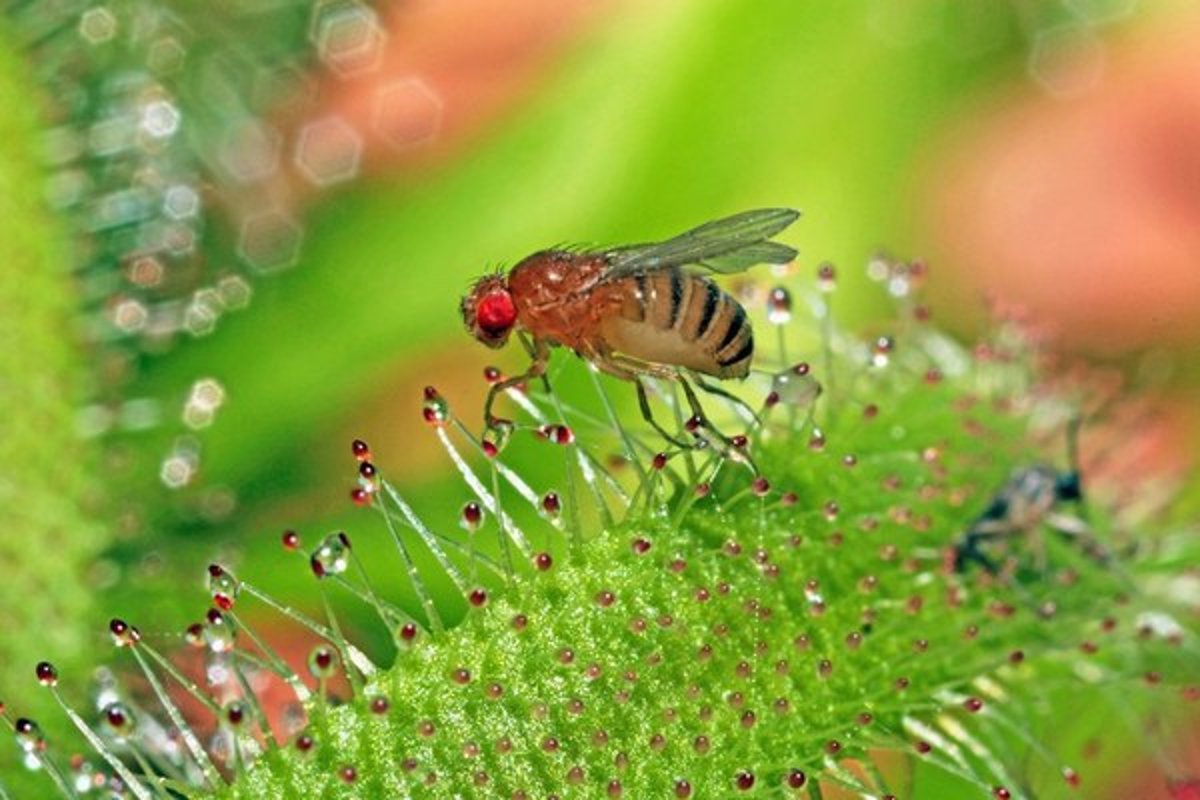
Fruit flies drink the moisture that remains on plant leaves.
In private homes, fruit flies live in kitchens and basements where vegetables, canned fruits, and vegetables are stored. In summer, they can be found in the yard, garden, or vegetable patch, and in winter, they prefer to live close to heat-loving humans.
Fruit flies live for 10 days at an average temperature of 25 degrees, at 18 degrees - 2-2.5 times longer, and in winter their lifespan is about 2-2.5 months.
These unusual properties of the fruit fly organism have made them suitable as test subjects for genetic research. They have only eight chromosomes, and each mutation, of which they possess a huge number, is clearly visible and distinct.
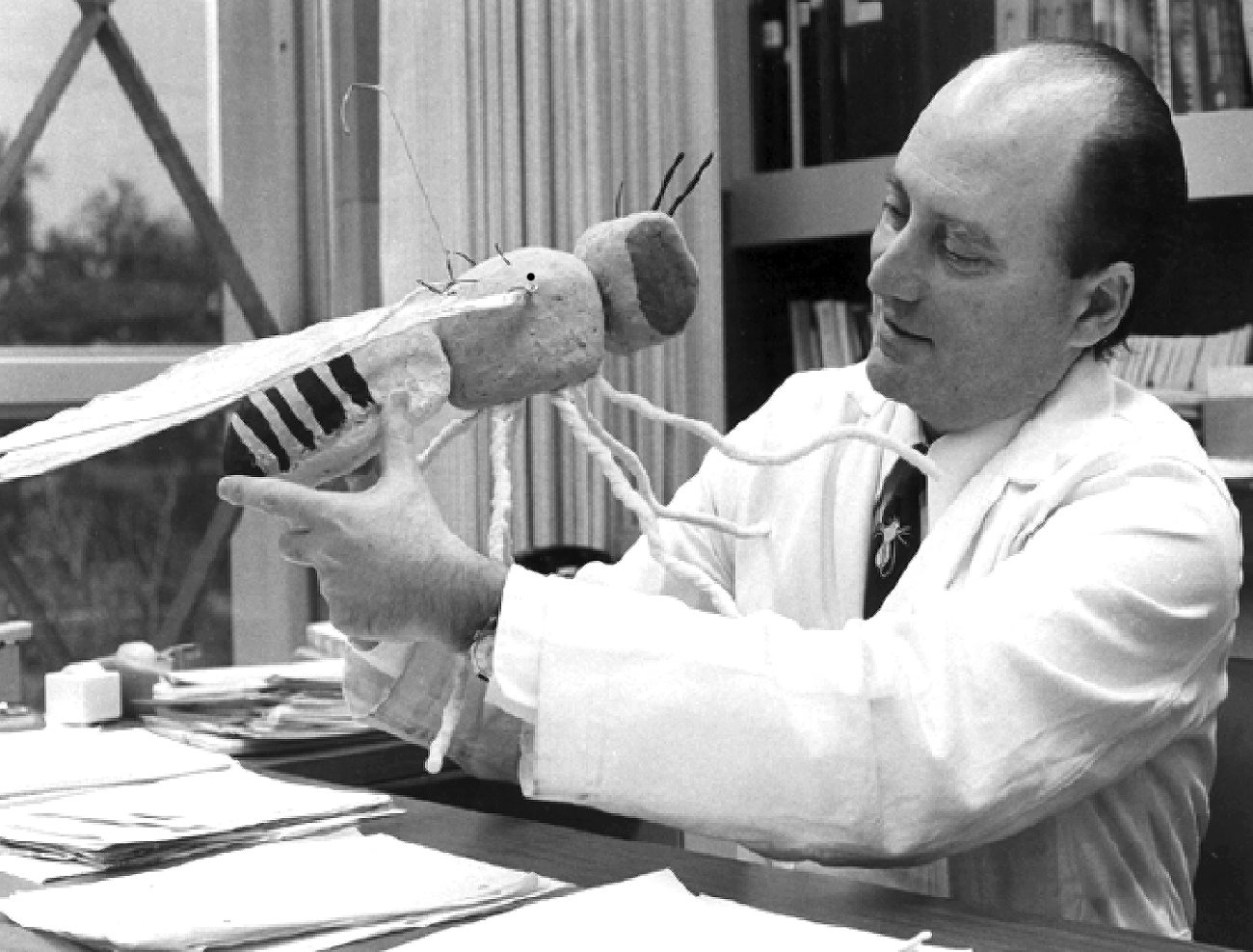
American researcher Seymour Benzer created a model of Drosophila, which allowed him to establish a link between genes and behavior.
Where do fruit flies come from?
Fruit flies lay their eggs on vegetables and fruits. It's worth noting that these eggs are very resistant to environmental changes, so even in relatively mild winters, fruit flies are common.
Fruit flies hatch from eggs the following day, but if the fruit or vegetable on which the eggs were laid begins to rot, the insects emerge much faster.
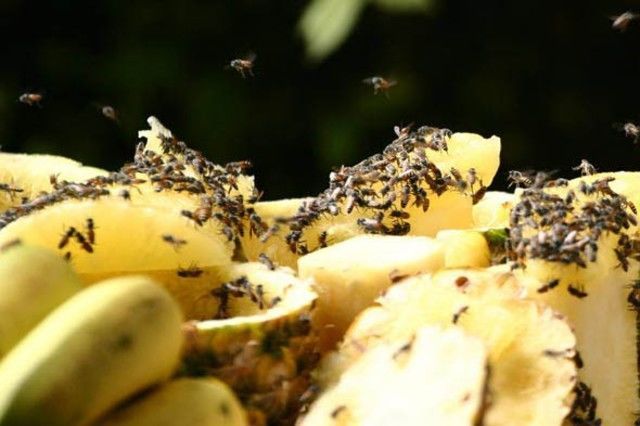
Sweet fruits attract fruit flies.
One female fruit fly can lay up to 400 eggs, so the flies reproduce very quickly. If you don't get rid of rotting food and a few annoying flies in time, within two or three days your apartment will be infested with a horde of these insects.
From fruits and vegetables
Fruit flies not only lay eggs on fruits and vegetables but also live in them, feeding on their juices and pulp. Fruits at markets and stores are untreated, so be prepared to receive a few flies as a gift when you buy them. Even if it's winter, this won't save you—fruit flies live significantly longer in cold weather.
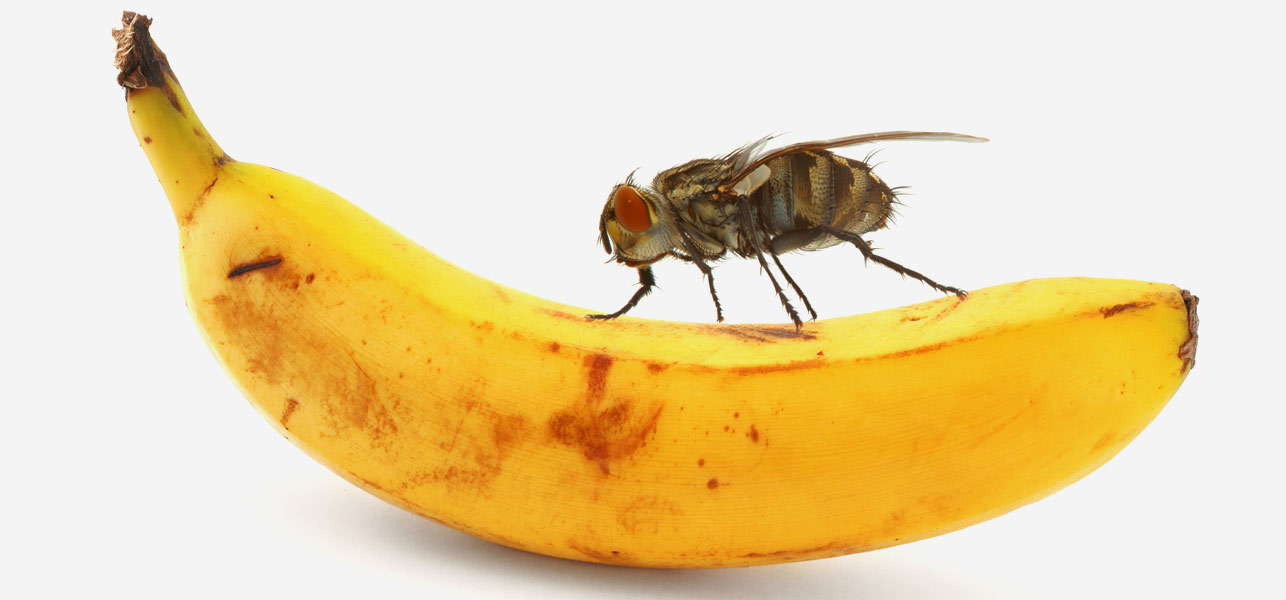
Fruit flies are not very picky and will settle on any fruits and vegetables.
From the earth
Fruit flies are very small, so they're hard to spot until they start flying annoyingly right in front of your nose. They can easily hide in the soil, which is not only warm but also full of rotting matter. Fruit flies lay their eggs primarily on fruit to ensure food is close by for their offspring, but they can also lay their eggs in the soil, so if you bring soil on the soles of your shoes, you could bring either eggs or adult flies into your home.
Drosophila larvae may also be present in the soil used for indoor plants.
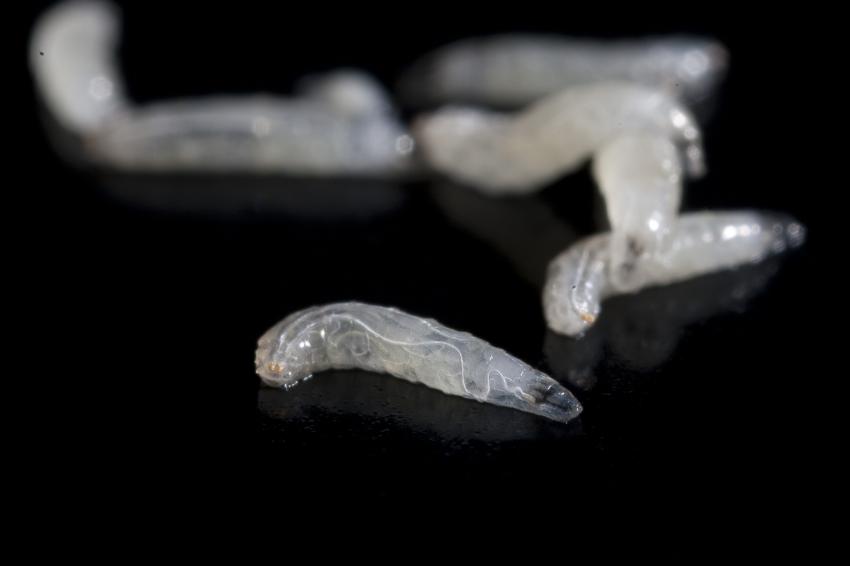
Fruit fly larvae look like small worms and are often found in the soil.
Through the ventilation
Fruit flies are highly sensitive to various odors, detecting the aromas of fruits and vegetables at distances quite large for their size, and are particularly sensitive to the smell of rotten food. In the summer, many people open their windows, allowing the aromas of fruits, berries, and vegetables to waft outside from their apartments. Fruit flies are drawn to these scents and enter their homes through open windows.
In winter, flies enter buildings this way much less frequently, but inside the house (from one apartment to another) they can move through the ventilation if they sense an enticing aroma somewhere.
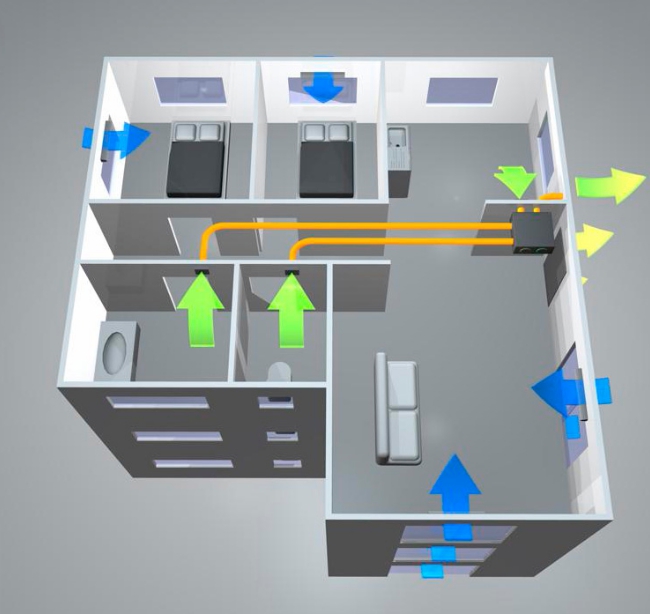
Fruit flies can travel through the air and enter buildings through ventilation.
From indoor plants
All plants produce sap that is delicious and nutritious for insects. It doesn't matter whether it's a tree, bush, grass, or houseplant. The difference lies in how difficult or easy it is to extract this sap. For example, extracting sap from a flower or blade of grass is significantly easier than from a tree or even a bush. Therefore, small plants without woody roots are very easy prey for tiny insects like fruit flies.
Fruit flies can settle both on the plants themselves and in the soil.
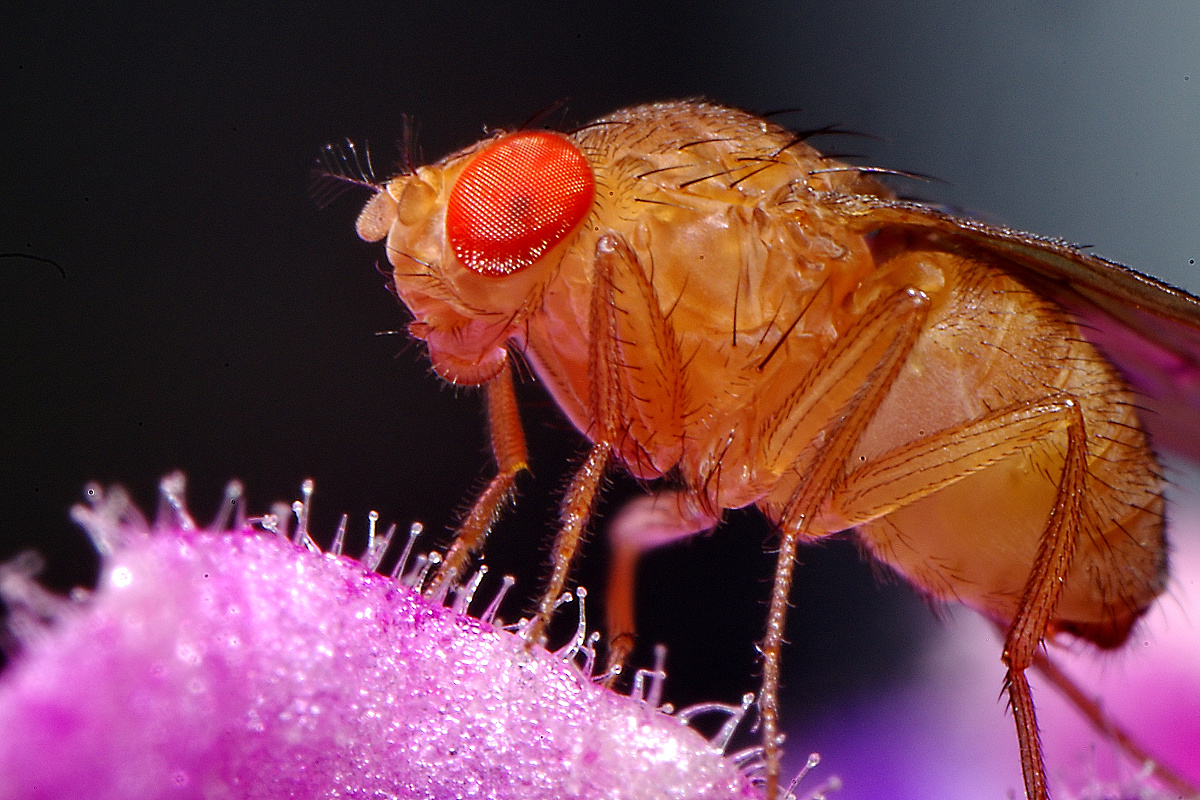
Fruit flies love indoor flowers and settle on them.
From leftover food
All foods are subject to decay, especially during hot weather. But in the trash, decay occurs much faster because some of the food there is already rotten, while others have already rotted, so fresh waste quickly turns to rot. Since rot is a favorite delicacy of fruit flies, they are very happy to settle where there is a lot of it - in the trash can.
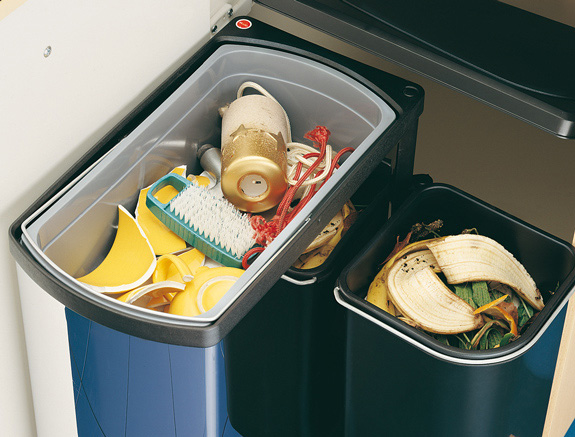
There are always a lot of different wastes in the trash cans that flies feed on.
Damage from fruit flies
Fruit flies, feeding on plant-based foods, spoil vegetables, fruits, and berries. Their feet carry particles of rot from the already spoiled produce they so love, accelerating the spoilage of fresh produce. Furthermore, fruit flies can carry various microorganisms on their bodies, which, when ingested by humans, cause unpleasant abdominal pain. Similar sensations can be caused by the waste products of these flies. Therefore, wash fruits and vegetables before eating to prevent any infection from entering your body.
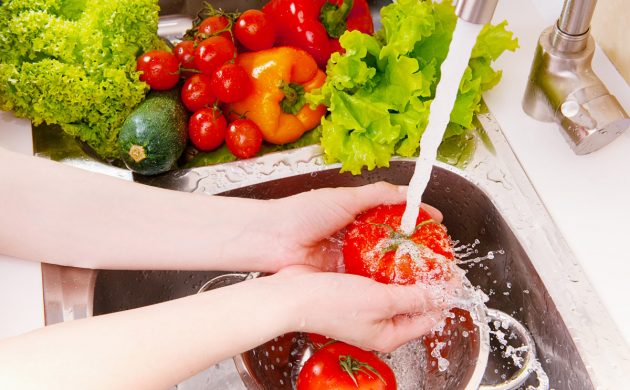
When you wash fruits and vegetables, you remove fly debris and eggs from them.
In addition to feces and foreign microorganisms, fruit fly eggs can enter the human body along with fruits and vegetables. Several hours after eating, the following symptoms may occur:
- headache;
- nausea;
- diarrhea;
- bloating;
- flatulence;
- vomit.
Often people think that the reason for this is “something they ate wrong”, but in reality it’s much worse. If you feel well the next day, your body has dealt with the fruit fly larvae. However, if you feel nauseous or your stomach continues to hurt, see a doctor.
How to get rid of fruit flies
People usually don't welcome the appearance of fruit flies in their home and dream of getting rid of them as quickly as possible.
Cooling
While adult fruit flies tolerate low temperatures well and their lifespan is extended by several weeks, fruit fly larvae die in cold conditions. Therefore, it is recommended to store vegetables, fruits, and berries that do not spoil in the cold in a special freshness zone in the refrigerator. Fruits such as bananas, which spoil in cold places, are best not bought in large quantities, washed with cold water and eaten immediately so that they do not sit around.
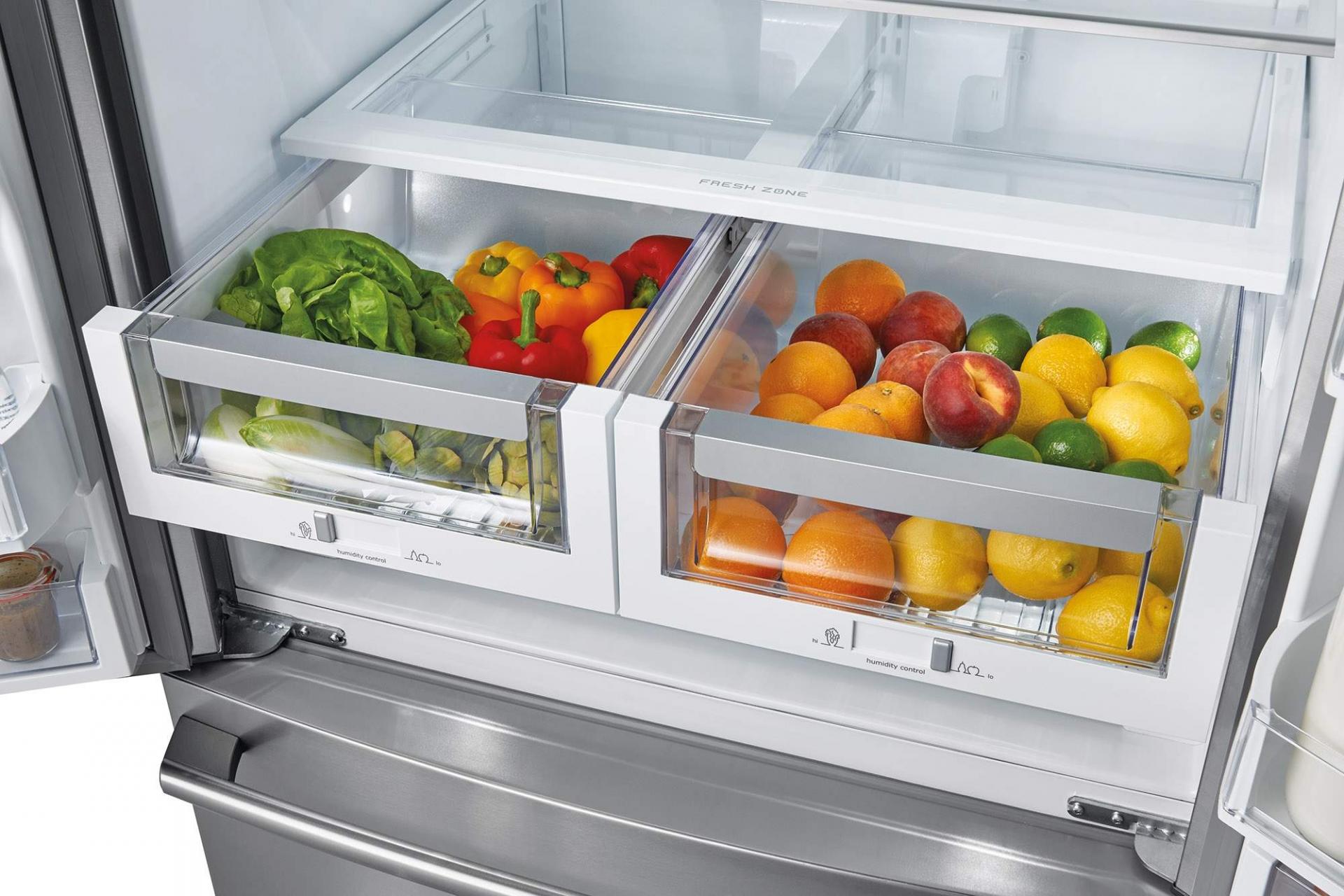
Store fruits and vegetables in the freshness zone - fruit fly eggs die there
Product revision
Some people naively believe that if you throw out all the spoiled food and keep only fresh and good food, the fruit flies will disappear on their own. While their numbers may indeed decrease, this won't last long, as a single female fruit fly can lay up to 400 eggs at a time—and the next day, you'll have a new, fresh brood of flies.

Separate fresh fruits and vegetables from spoiled ones
Aerosols
Fruit flies are very sensitive to changing environmental conditions and various chemicals, so the most common aerosols used to kill any other insects, such as Raptor, Combat, and Dichlorvos, are very effective against them.
Before spraying the aerosol, remove all food products and close windows and doors. Animals and children should be moved to remote rooms. After treatment, wash your hands thoroughly with soap and water, and after the time specified in the aerosol instructions, open a window in the treated room for ventilation.
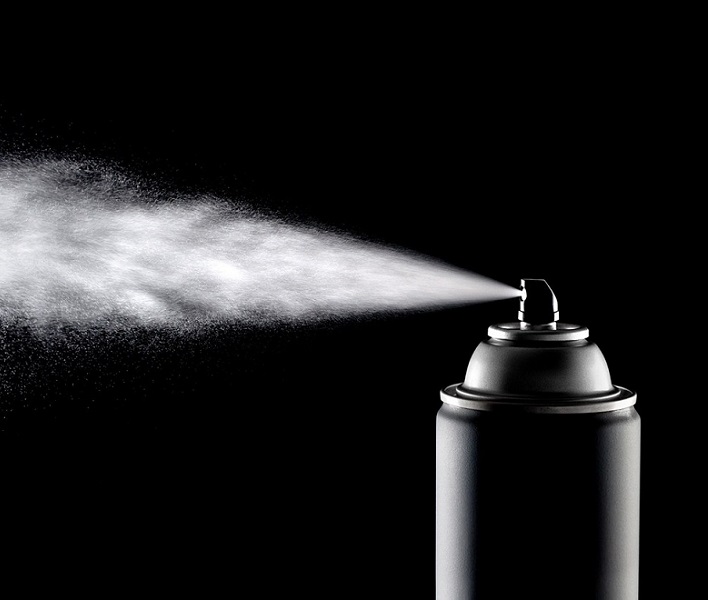
Fruit flies are very sensitive to various chemicals and die from them.
Cleaning products
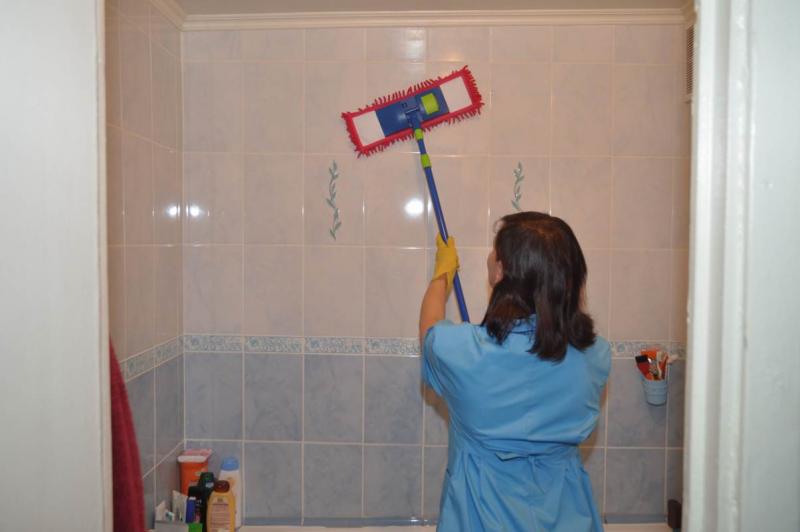
Sometimes fruit flies nest in sinks. It's difficult to explain why this happens, but you can get rid of them, and especially their larvae, by pouring boiling water over the sink or using sink cleaners such as Domestos, Mr. Muscle, and Mole.
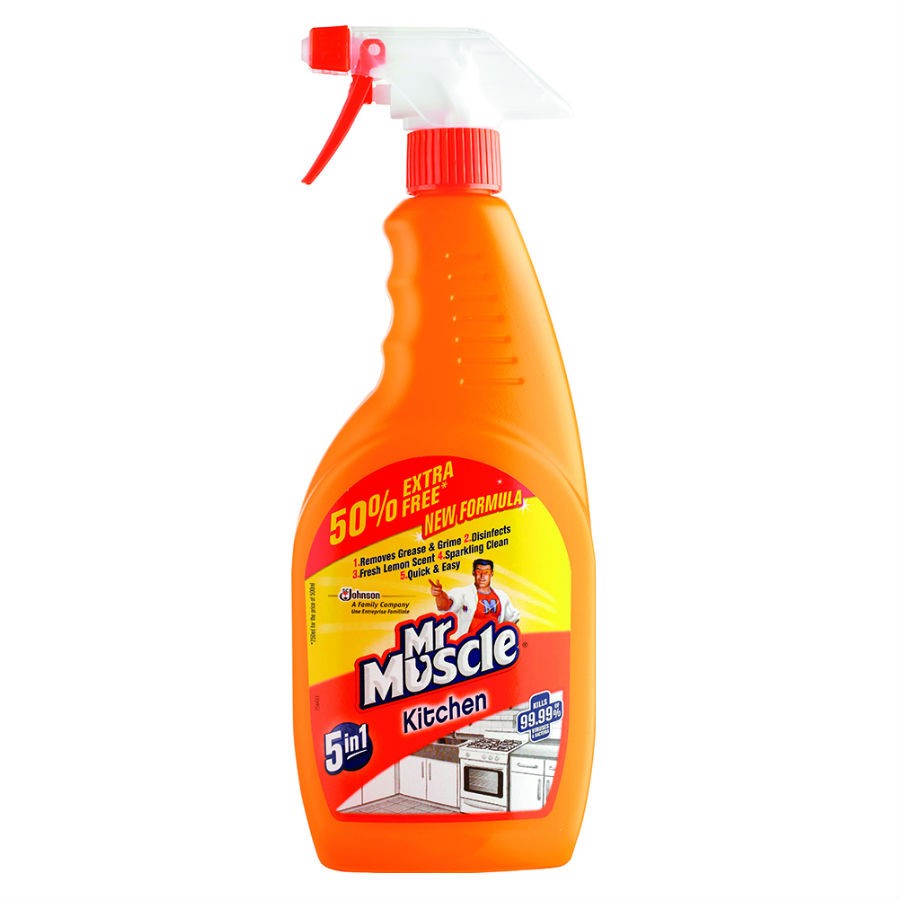
If you don't wear gloves when using Mister Muscle, your skin will be damaged—not to mention the tiny, defenseless flies.
Sticky tape trap
There are special sticky tapes that have a specific scent that attracts insects. While this smell is unpleasant for humans, it's not very strong, so it's easy to get used to. Hang the sticky tape where the flies are most numerous. As the trap fills, replace it.
The hardest part about using sticky traps is not getting your hair, hands, or face caught in them. Firstly, the sticky mixture is quite difficult to remove. Secondly, it can irritate the skin and damage the hair structure.
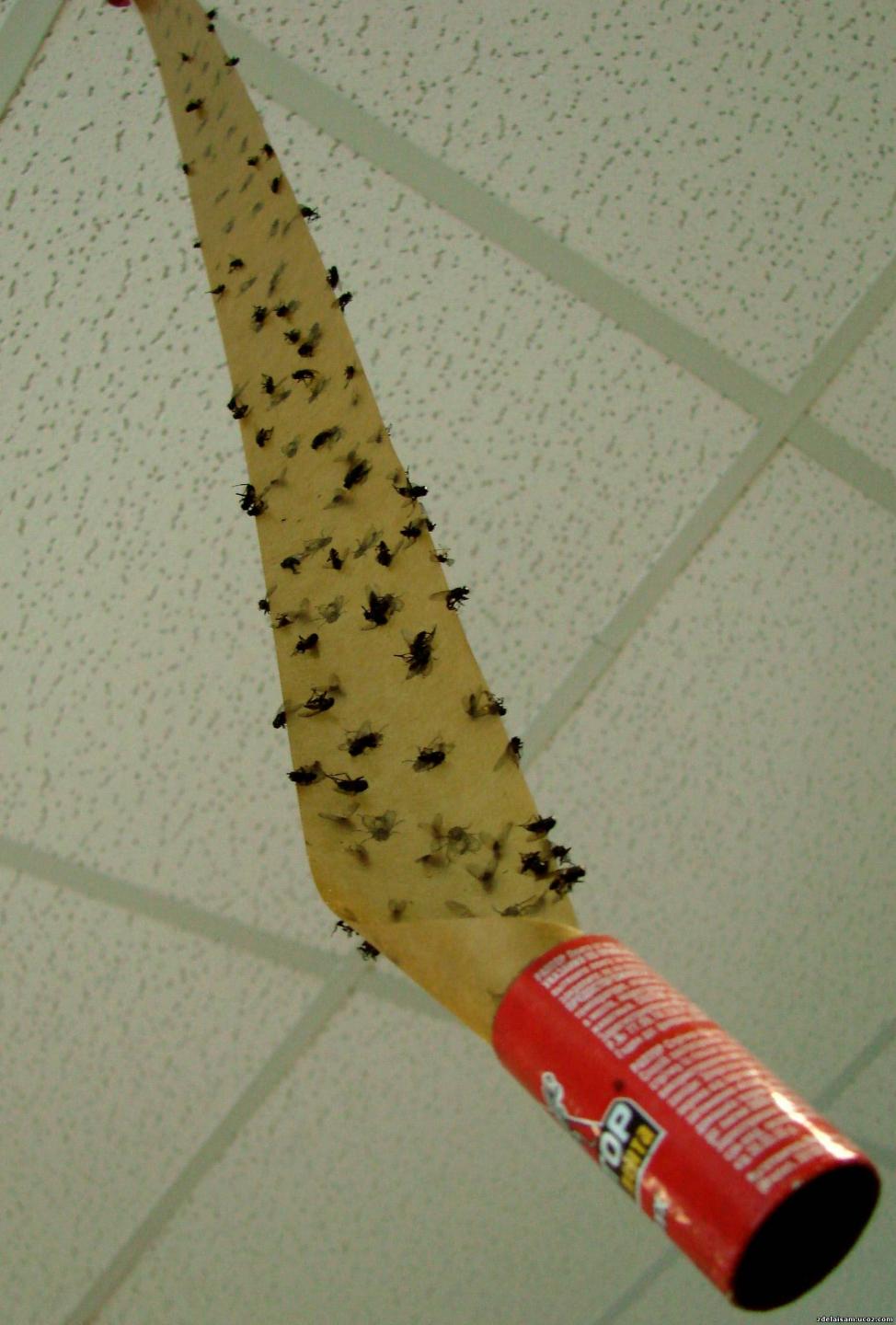
Sticky tape will get rid of not only fruit flies, but also other annoying insects.
Fumigator
Fumigators are often used against insects. They contain plates containing toxic substances or various insecticidal liquids. The fumigator is then plugged into an electrical outlet and left for 2–2.5 hours until the flies die or fly away.
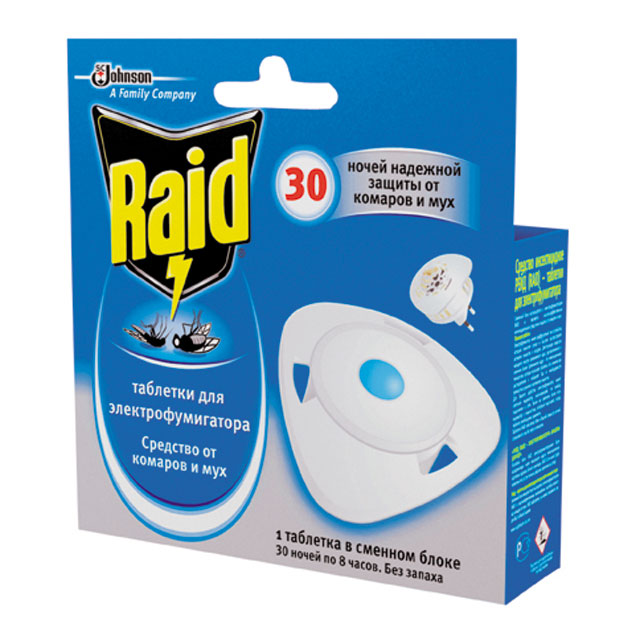
A simple fumigator will rid you of flies, mosquitoes and other insects.
Carnivorous plants
Scientists have long known that some plants are predators and feed on various insects, luring them with a sweet aroma. An insect lands on a flower, the petals or leaves snap shut, and the plant begins its meal. Some consume their prey whole, while others suck out its blood and spit out the skin. Any such carnivorous plant can be used at home to control flies.
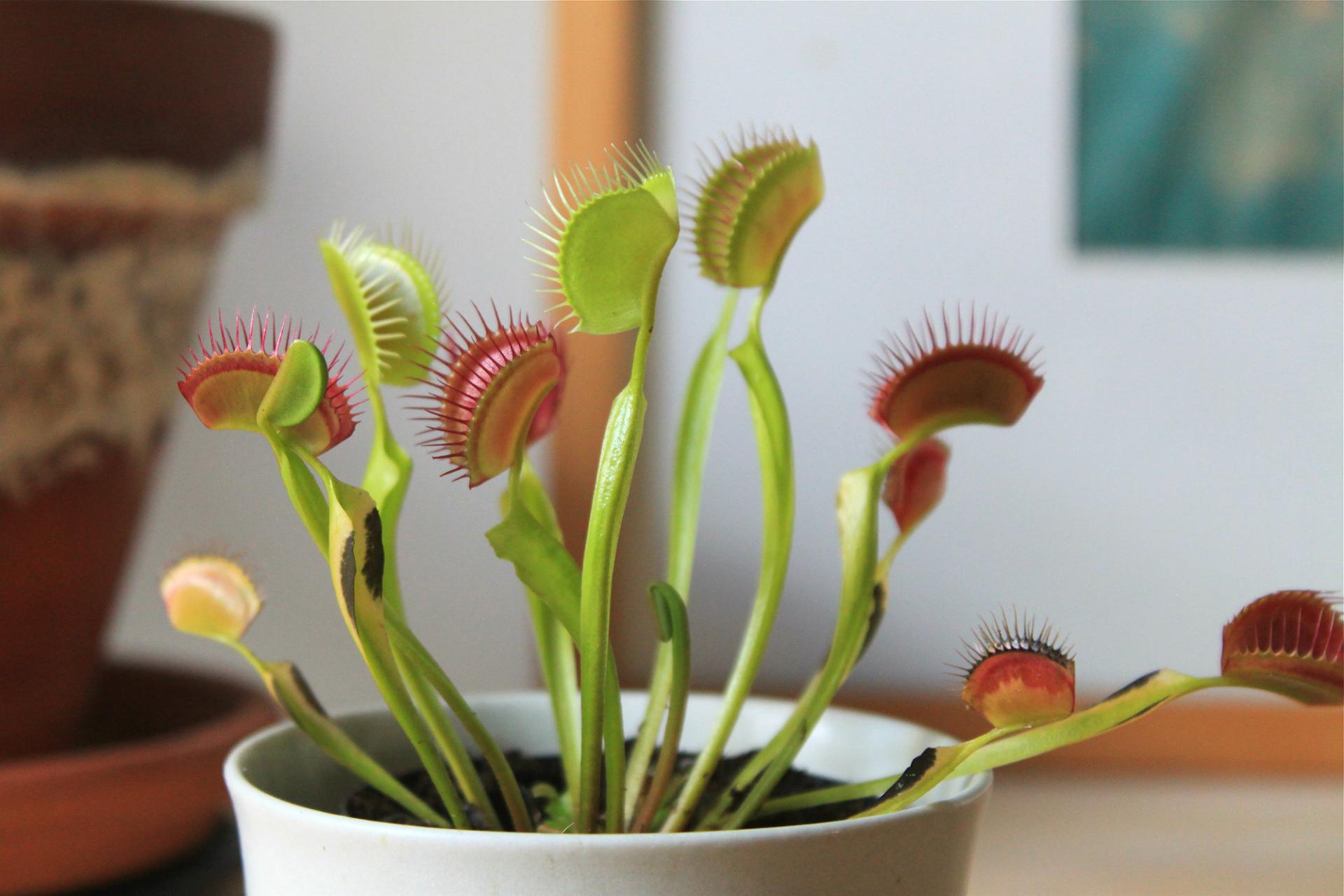
Carnivorous plants feed on various insects, but are dangerous to pets.
If you have any animal at home, especially a cat, it is better not to Buy carnivorous plants because your pet might want to eat a bright and beautiful plant and get poisoned.
Video: DIY Fruit Fly Trap
Preventive measures
To prevent fruit flies from appearing in your home, you must adhere to the following conditions:
- If fruits and vegetables can be stored in the refrigerator, keep them in the fresh zone to kill fruit fly eggs;
- wash fruits and vegetables with cold water immediately before eating;
- do not leave fruits unharvested;
- separate rotten fruits and vegetables from fresh ones in a timely manner;
- Throw away your garbage in a timely manner to prevent it from rotting;
- Install insect screens on your windows during the warmer months to get rid of flies, flies, and mosquitoes.
Reviews
I bought Raptor fruit fly repellent; it was practically the only repellent specifically for fruit flies. It's affordable (around 130 rubles), attractive, easy to use, odorless, and lasts up to 30 days. The trick is a small jar filled with a liquid that attracts the flies. A soft stick is inserted into the jar, gradually soaking it in the liquid, and a "roof" (sticky on the inside) is attached to the top. The mechanism, I think, is clear. As for its effectiveness, the photo shows how many flies this trap attracted in a day and a half. There were actually more flies, and I think they simply couldn't fit on the sticky surface; it could have been made larger.
I put fruit in a jar and made a funnel out of paper, then stuck it in the jar. They crawled into the jar through the funnel, but couldn't get back out! That's how I caught them all in three days.
Fruit flies aren't exactly pleasant neighbors, but they do indicate that there's something wrong with your food supply and it needs to be checked as soon as possible. Fruit flies are quite harmless to food supplies, but it's important to follow all hygiene rules to avoid having to deal with uninvited "guests"—foreign microorganisms and fruit fly eggs—in your stomach.