 If you've decided to get an aquarium, the first fish you should buy is a catfish. They are excellent cleaners, removing mucus from the bottom of the tank. There are many species of aquarium catfish, ranging in size from a few centimeters to a couple of meters.
Their body structure is quite unusual, making them a favorite among many aquarists. Before adding catfish to your aquarium, it's important to know their care requirements, maintenance requirements, and compatibility with other fish.
Content
General description of aquarium catfish
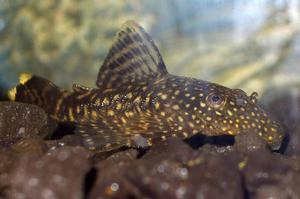
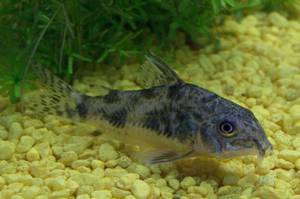
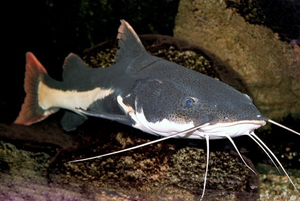 All representatives of the catfish family prefer a nocturnal lifestyle, which is reflected in their appearance. They have a generally subdued coloration. brown, beige or gray shades, which are closest to the color of the bottom.
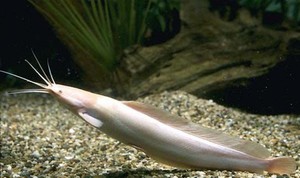
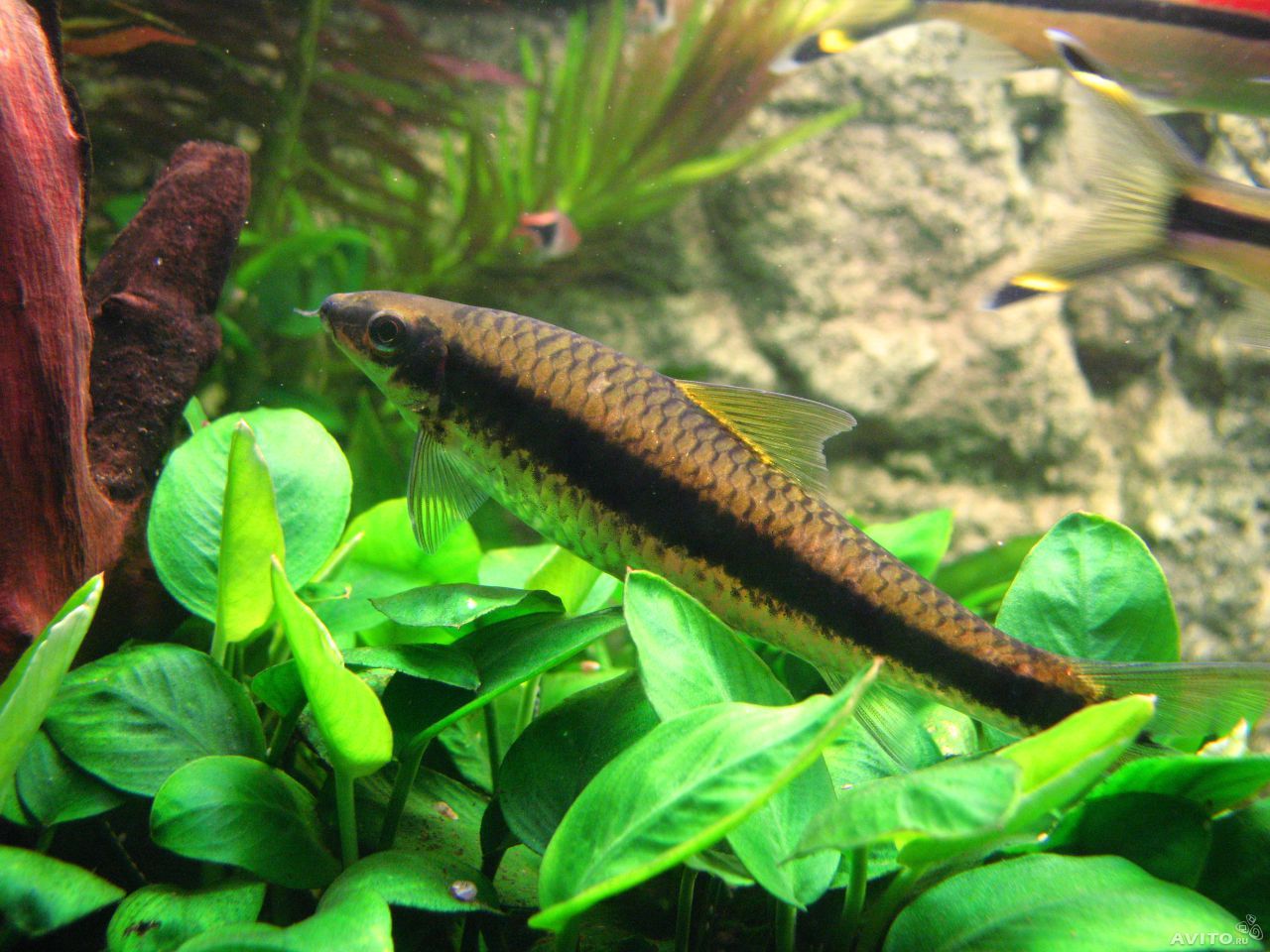
There are, of course, exceptions that have brighter color, for example, yellow or silver-gray.
Catfish do not have scalesLike most other fish, their bodies are covered with a thick layer of skin or bony plates. The fins located on the sides and back are spiked, and there are several pairs of barbels near the mouth.
Aquarium placement and arrangement
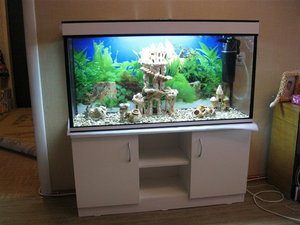 It's best to place the catfish aquarium in a quiet room, as loud noises can negatively impact their well-being. The chosen location shouldn't be too bright, as nocturnal catfish prefer dim lighting. The back wall of the aquarium should be decorated or turned towards the wall.
As you know, catfish spend most of their time on the bottom, so it is advisable that it the area was as large as possible, and the height of the aquarium doesn't matter. Round tanks are absolutely unsuitable for this species, as they won't allow for the necessary equipment.
The aquarium size should be selected based on the size of the adult fish, or, conversely, if an aquarium is already in place, fish should be selected for it. The optimal option for keeping aquarium catfish the capacity of the tank is 200 litersIf you don't have the opportunity to install an aquarium of this size, but you really want catfish, then you should get at least a 50-liter aquarium.
Before you buy the fish you like, find out how big it grows to, because some species in an artificial environment can reach 50 cm. Place the aquarium so that it has it's convenient to clean up and change the waterIt's best to place all equipment on the outside, as aquarium catfish can move very heavy objects.
When choosing a water filter, you should consider the type of catfish you're fishing for. Some require fairly strong currents, so the filter needs to be powerful. This is also necessary because catfish they like to dig in the ground, stirring up dirt, and if the purifier is weak, the water will quickly become cloudy. Don't forget about aeration, as the water needs to be enriched with oxygen.
If your room is not too warm, then you need to install a water heater, as many catfish species come from warm climates. A good option is a thermometer that can be attached to the outside of the aquarium; this way, the fish won't be able to move it.
Lighting should be dim; catfish don't like sudden light changes. A good option in this case is a lamp that can mimic the natural daylight cycle. Such a device can be purchased at a specialty store.
Aquarium design
When setting up an aquarium, don't forget that catfish need shelter, which could be driftwood, rocks, plants, or decorative ornaments.
 If you place driftwood on the bottom of the aquarium, it will serve not only as a shelter, but also as a source of food, for example, for ancistrus.
- Whether or not to add live plants depends on the type of aquarium catfish you choose. Some can eat plants or damage roots. If you're really keen, you can add artificial plants.
- All decorative elements must have a wide opening and not end in a dead end, as fish can get stuck there and die.
- To prevent fish from getting hurt while digging, the soil should be blunt; small pebbles or sand are suitable.
- If you set up your aquarium according to all the rules, then caring for catfish will be a real pleasure.
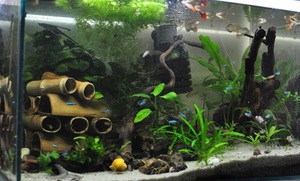 If you place driftwood on the bottom of the aquarium, it will serve not only as a shelter, but also as a source of food, for example, for ancistrus.
Feeding aquarium catfish
 Many beginning aquarists keep catfish solely to help them pick up debris from the bottom, cleaning it of contaminants. This attitude toward these fish can end very badly, as catfish require a certain diet.
The diet of the catfish will vary depending on the species. Not all catfish are predators; some can also feed on plant matter.
In pet stores you can find the following animal-based foods:
- bloodworm;
- tubifex;
- gammarus;
- corethra;
- Cyclops;
This food can be sold frozen or dry. It also comes in live food, but before feeding it must be thoroughly washed and disinfected so that the fish do not catch an infection.
Catfish can also be fed with products purchased from a regular grocery store, such as:
- Boiled eggs.
- Pieces of meat or fish.
- Squid.
- Peeled shrimp.
- Beef heart.
Meat and fish should be lean and cut into bite-size pieces that are easy for the fish to swallow. If you have larger catfish in your aquarium, you can feed them small live fish, the main thing is that they fit into their mouths.
Since aquarium catfish prefer a nocturnal lifestyle, they need to be fed accordingly. This should be done in the evening just before turning off the lights, and in the morning before turning them on. Catfish are quite intelligent and, over time, remember the person who feeds them, and can even be trained to eat from your hand.
It is best to choose a type of food that will sink to the bottom, because many catfish do not rise up for foodIf you don't have the time to feed your fish on a schedule, an automatic feeder can do the job for you.
Conditions of maintenance and reproduction
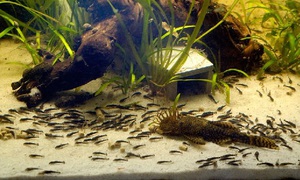 Each catfish species requires specific conditions. Most don't require any complicated care. Water hardness can range from 6 to 12, and the average temperature shouldn't be above 26 degrees.
The best acidity is neutral, but some deviations are possible that will not cause significant harm to the fish.
All of the above conditions of detention are closeIt all depends on the species of aquarium catfish. For spawning, use a separate aquarium, containing a female and several males. Ideally, it should be at least 30 liters in volume. Avoid placing substrate on the bottom; it's better to use a plant (such as anubias) and weigh down its roots with a rock.
The spawning ground must have certain conditions, the water temperature must be within the range 19–21 degrees, dH no more than 15, pH 6–7Good aeration is essential to ensure the aquarium is saturated with oxygen.
For breeding, select young fish to ensure the offspring are stronger. It's advisable to pre-feed the fish with bloodworms, which have a beneficial effect on milt and eggs.
For spawning itself it is necessary select 1 female and 3-4 malesCatfish prefer to lay eggs in cooler water, so you can lower the temperature to 18 degrees Celsius. Lighting should be fairly dim; you can cover the aquarium with a cloth.
The entire spawning lasts up to 4 hours, during which time the female lays eggs up to several hundred transparent eggs. Once spawning is complete, the female and males should be transferred to another aquarium and the temperature raised to 27–28 degrees Celsius.
Once the fry begin to hatch, you can lower the temperature to 20 degrees. You need to feed the babies 4 times a day, live food. After just a month of proper care, they will grow to 1 centimeter.
Compatibility of catfish with other fish
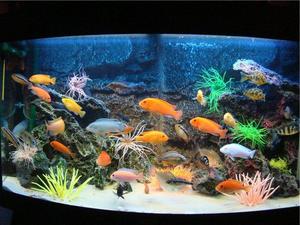 When choosing tankmates for catfish, consider their taste preferences and size. If the catfish is a predator, don't add smaller, peaceful fish to the tank; they'll eat them immediately.
If catfish do not show aggression, then they can live in peace. with other smaller fish, the main thing is that they don’t get into their mouths, then there won’t be any problems.
If you are taking a catfish into an existing aquarium, you don’t have to worry about it, their body is covered with a bony shell or just a thick layer of skin, so it's not that easy to eat them.
Aquarium catfish are amazing representatives of the underwater world. They are fascinating to observe, especially during their active periods. Their diversity of species will captivate any aquarist.