For millions of years, animals evolved according to their own laws: individuals poorly adapted to the environment were weeded out, and only those whose refined traits contributed to the species' survival remained. Over time, humans learned to interfere with the laws of nature and create new species at will.
Belgian Blue Cows
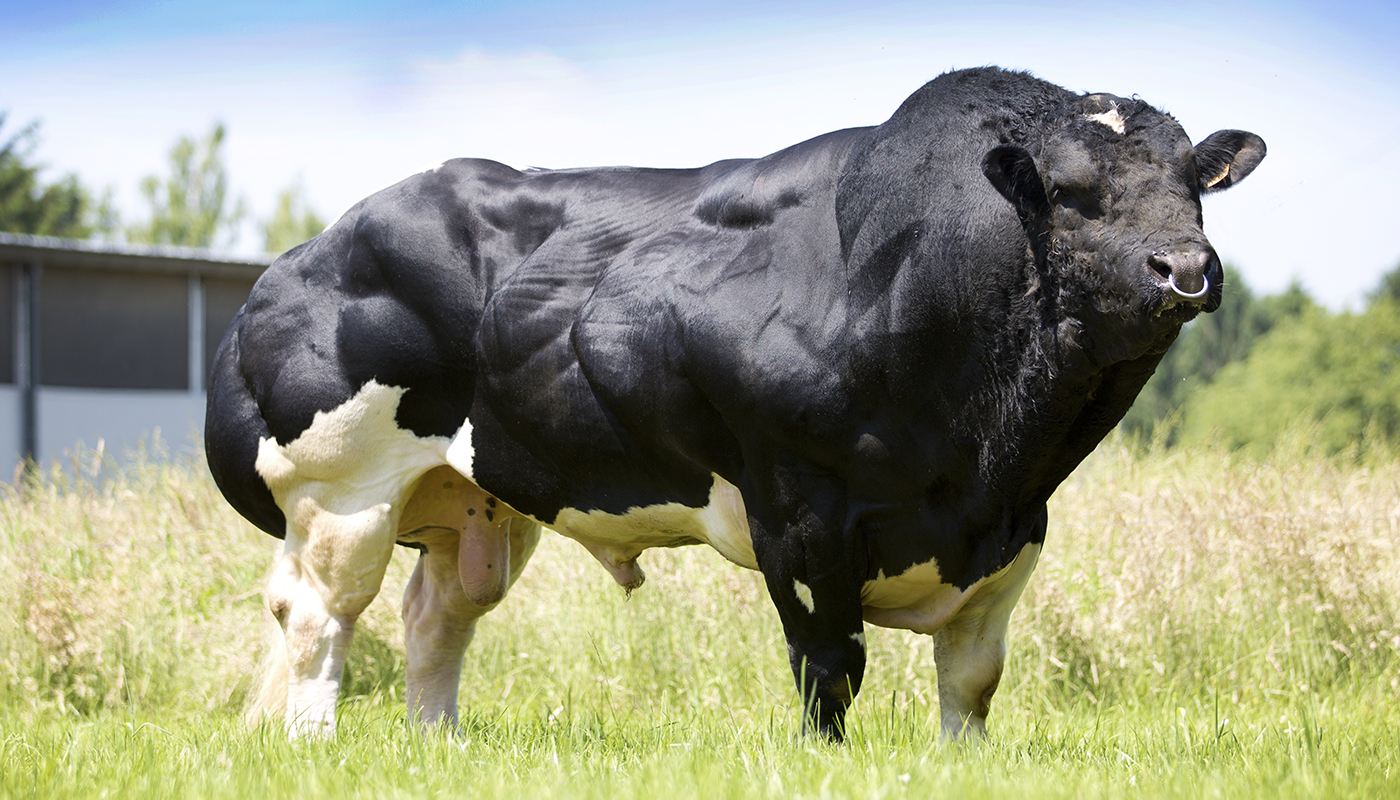
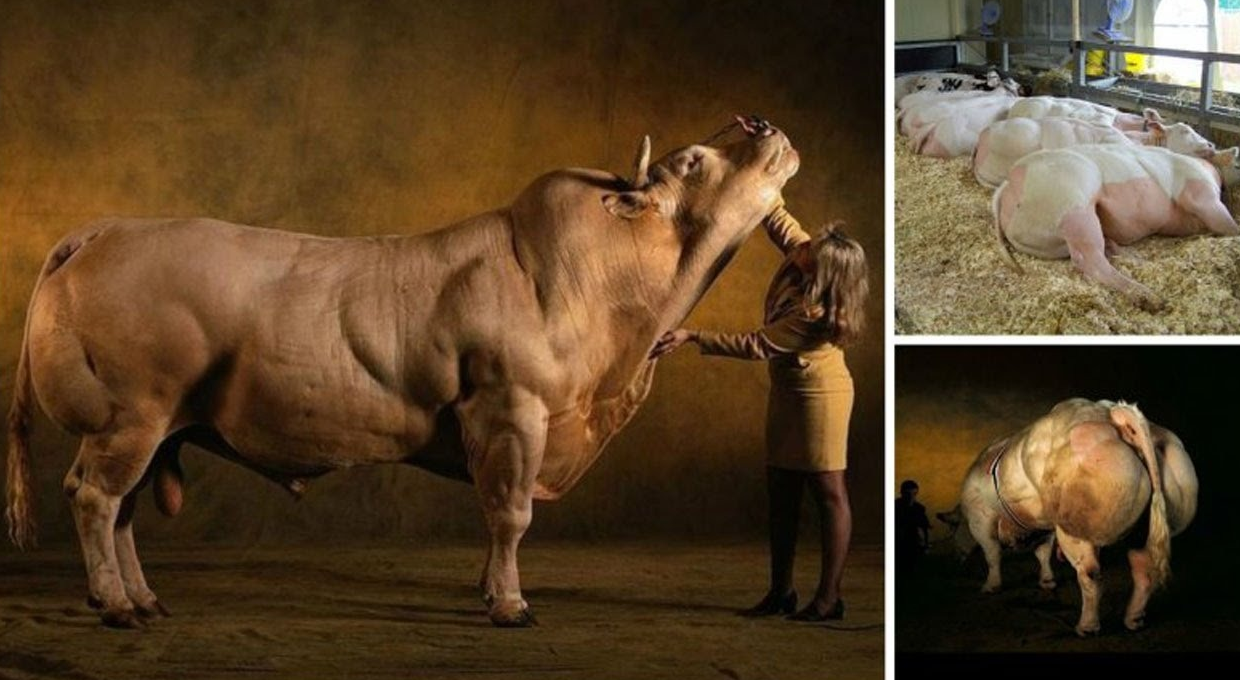
You might think these muscular bulls were pumped full of growth hormones, but that's not the case. Their appearance is genetic and the result of selective breeding.
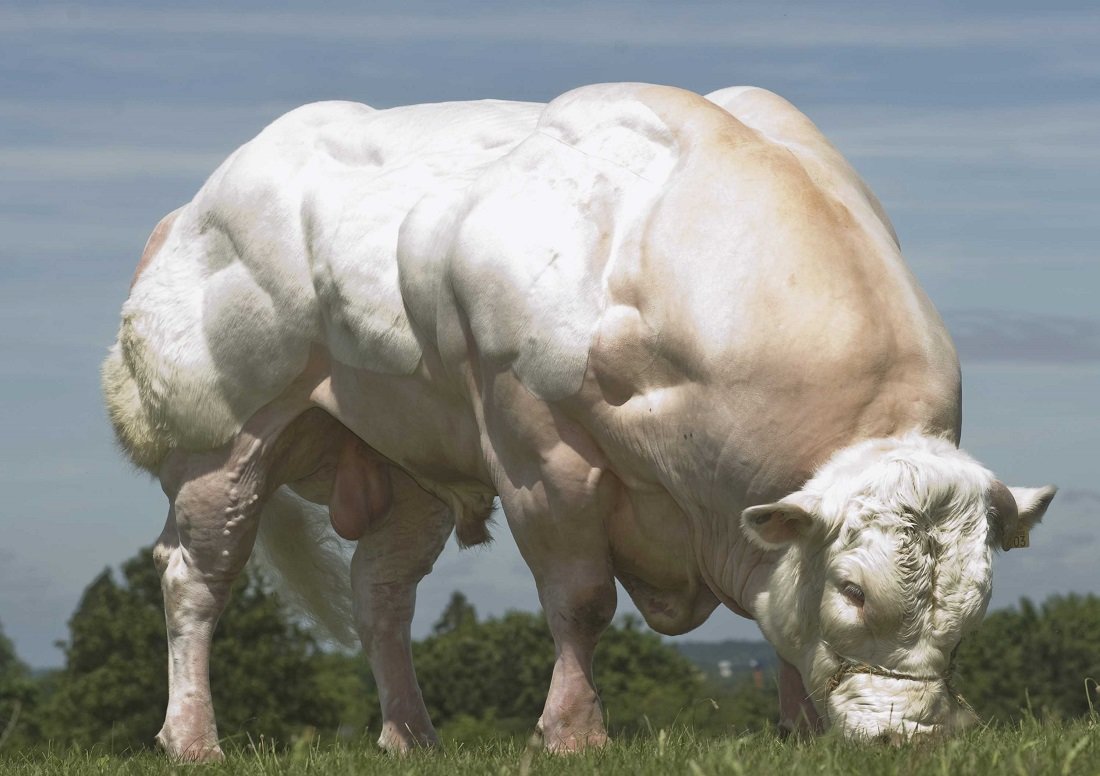
In 1997, a gene was discovered that suppresses muscle growth. When blocked, it results in a dramatic increase in muscle mass with almost no fat tissue. This mutation occurred naturally, not in a laboratory setting.
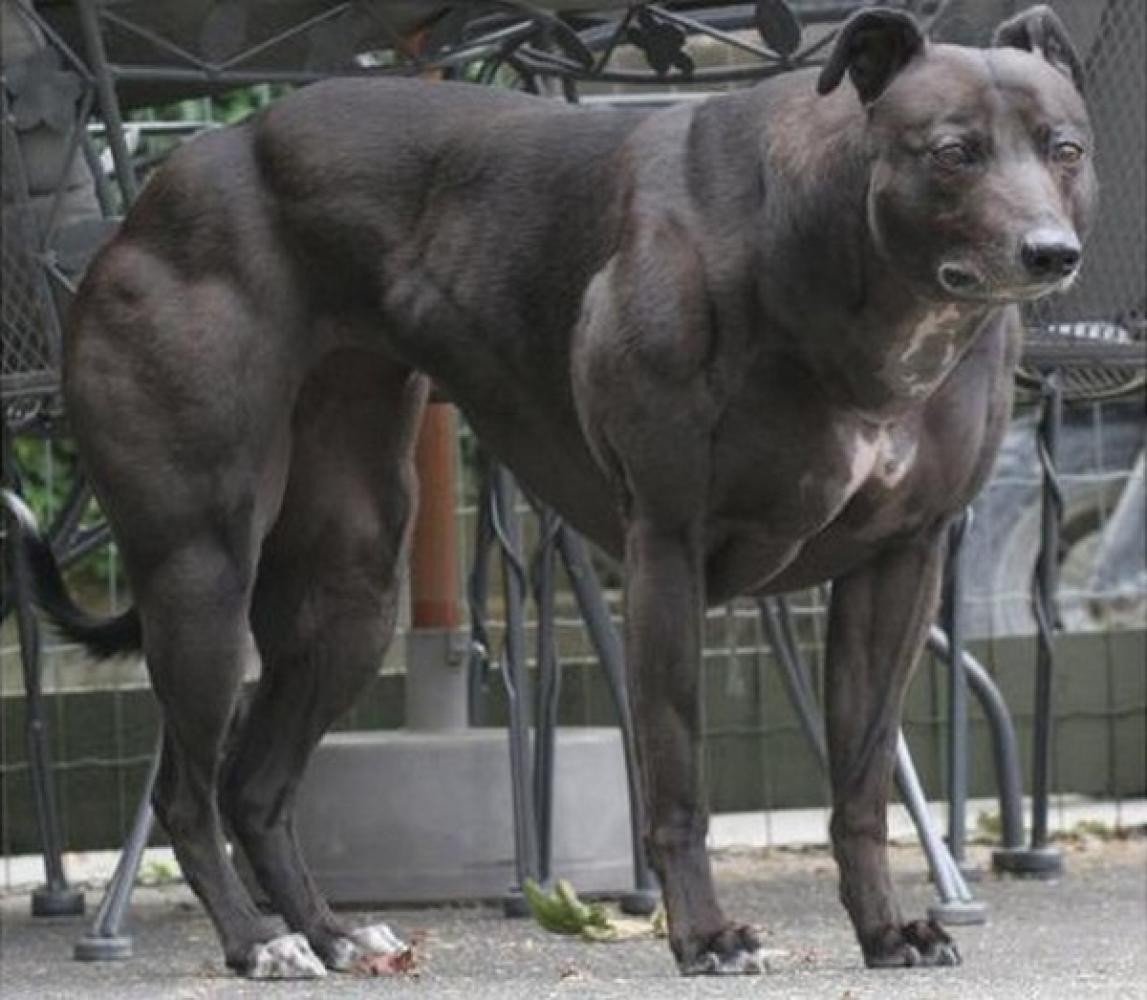
Big Wendy (English Greyhound)
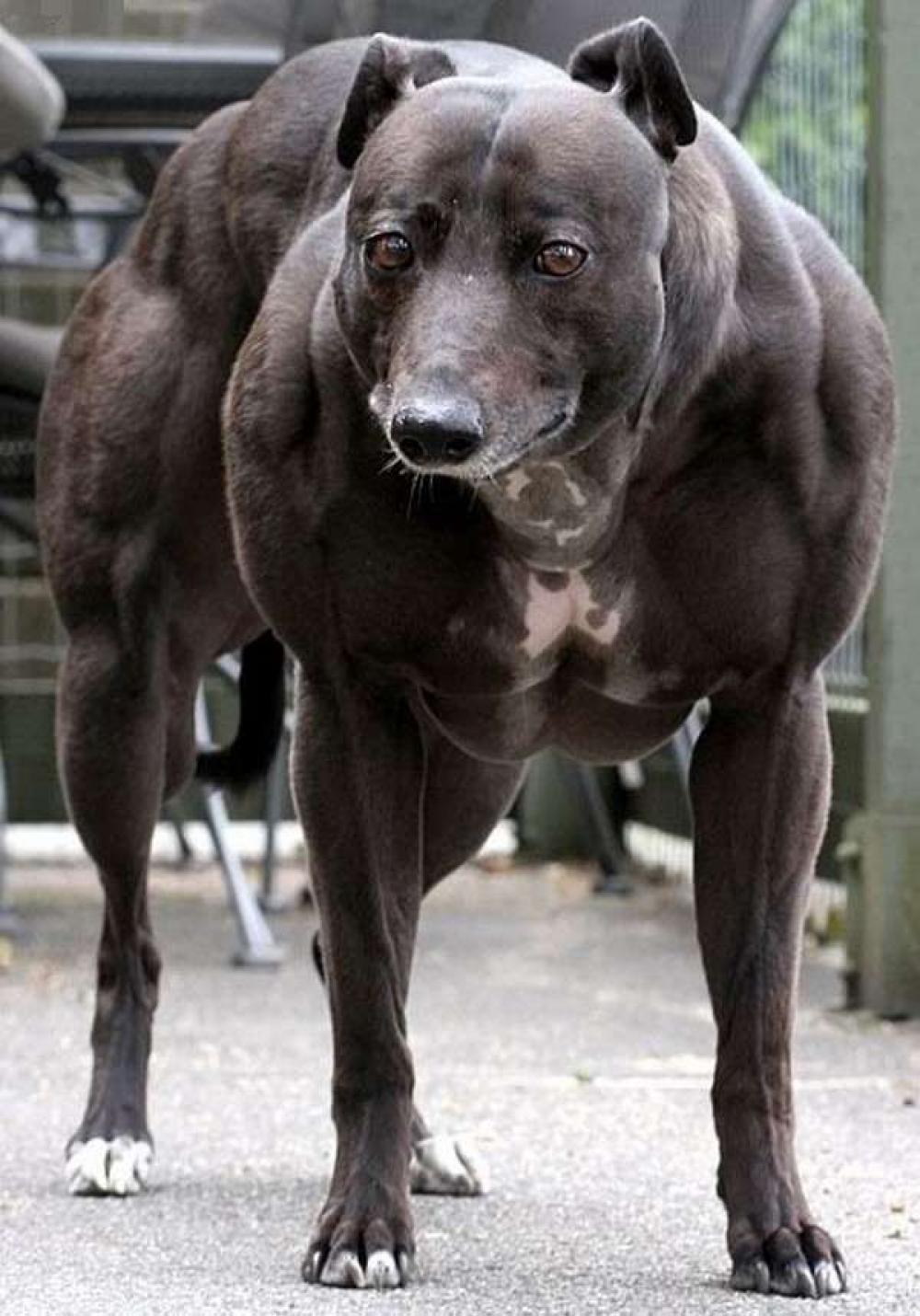
Other animals have a similar mutation—this dog also lacks a gene that blocks muscle growth.

She looks like a menacing monster, shocking with her athletic proportions. But in reality, she's a sweet and affectionate little dog, ready to lick you from head to toe and settle peacefully into your lap.
Lykoi
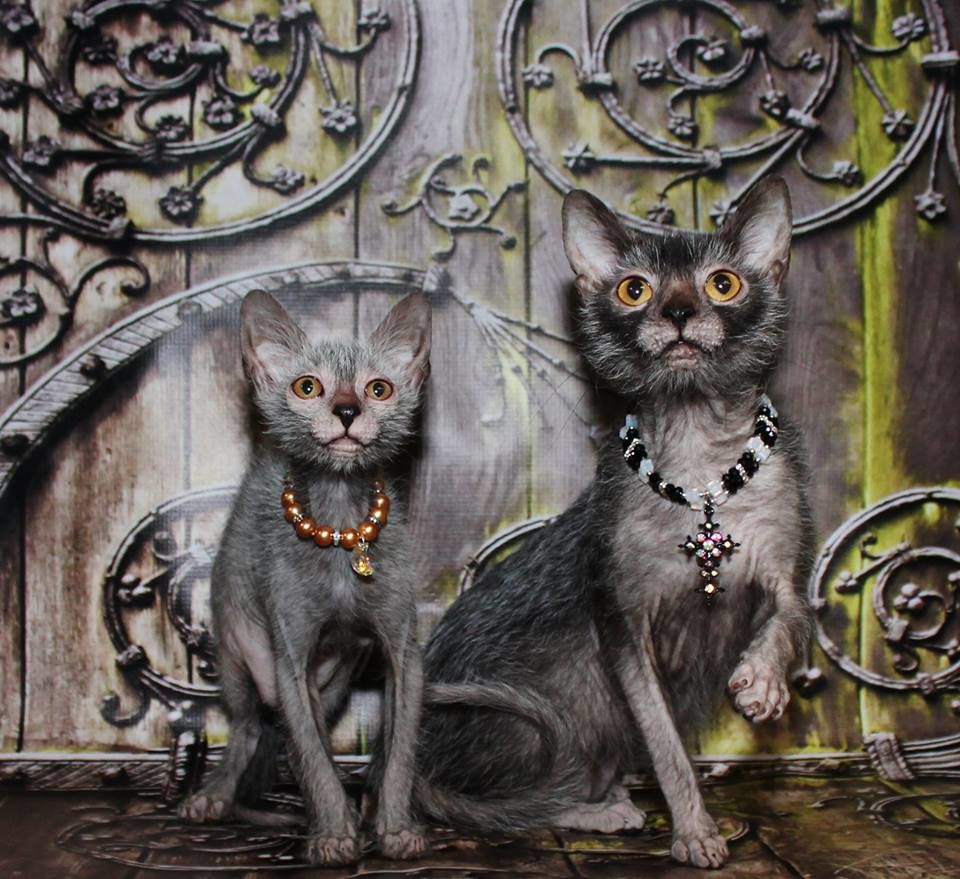
The breed originated in Tennessee. The cat's appearance is due to a specific mutation in which a gene blocks the growth of hair follicles.
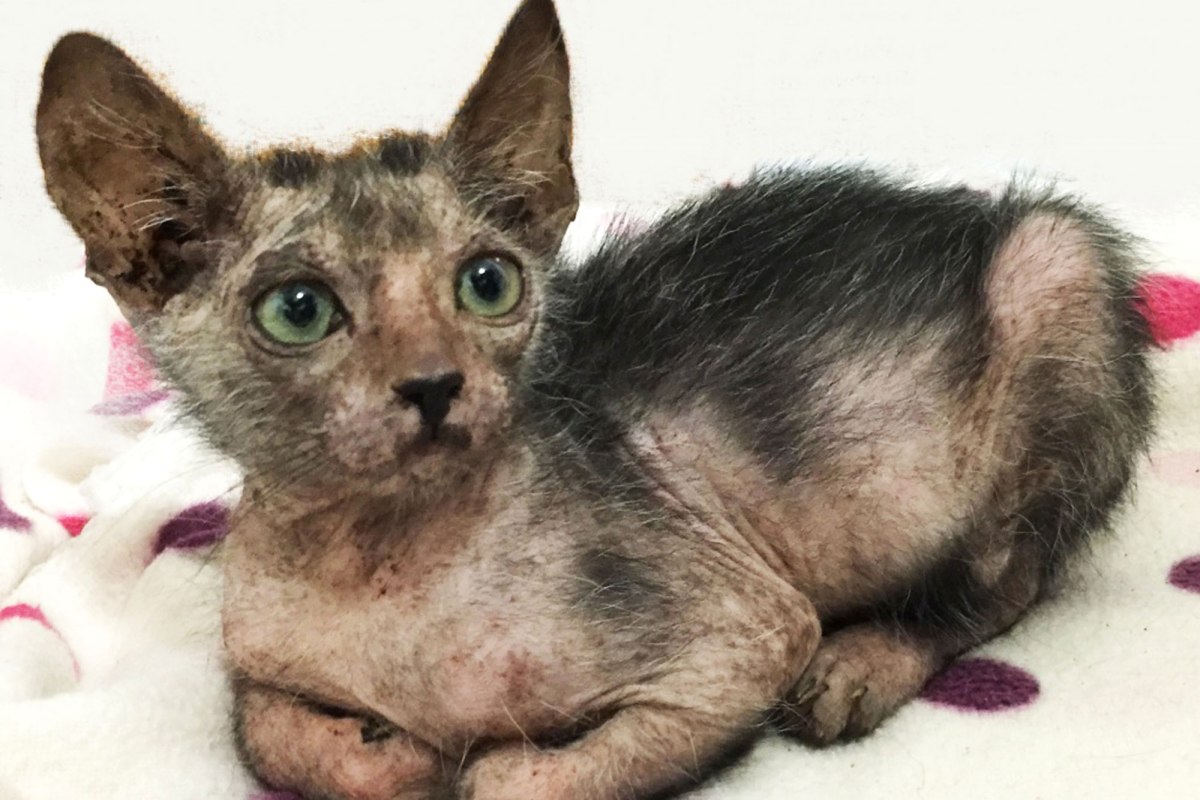
Not only is the fur on the body sparse and uneven, but there is also a complete absence of soft undercoat.
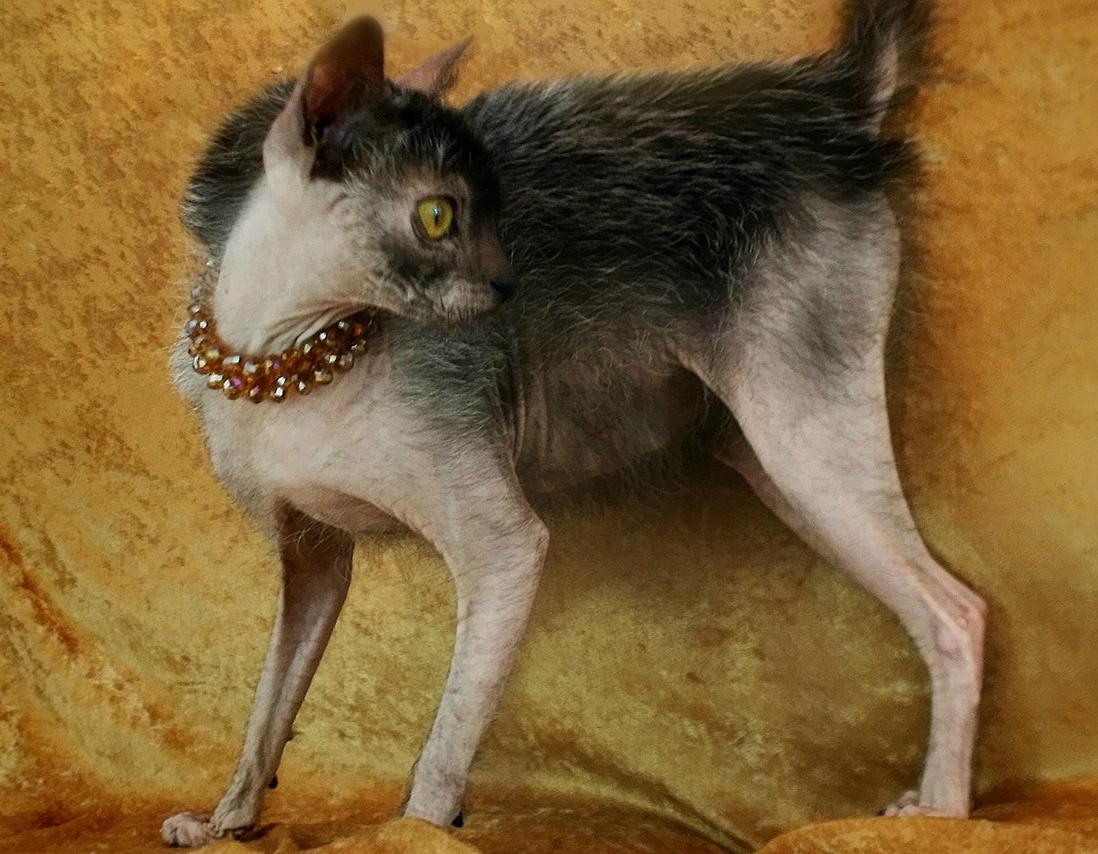
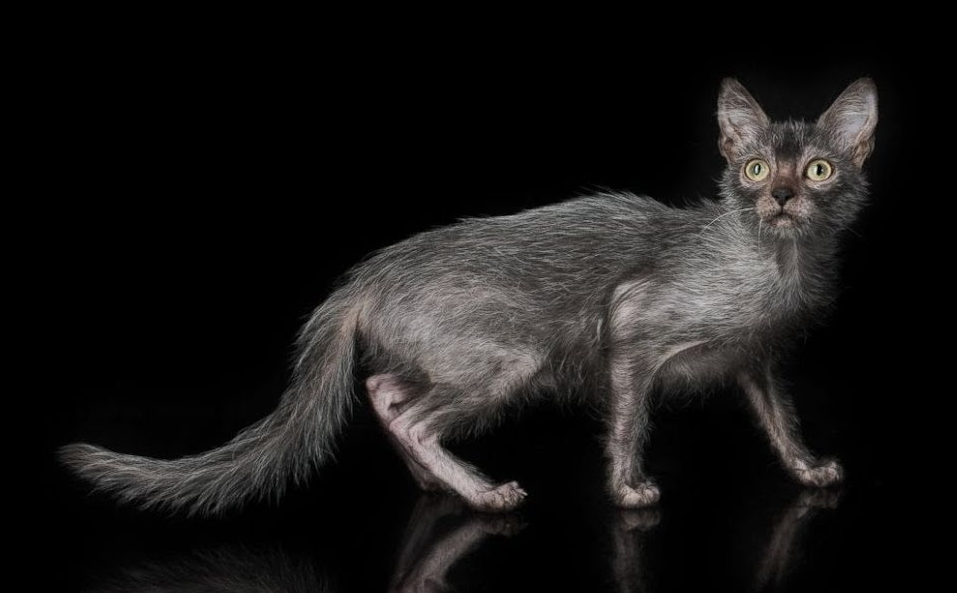
Cats of this breed are somewhat reminiscent of werewolves, characters from science fiction films.
Budapest Tumbler
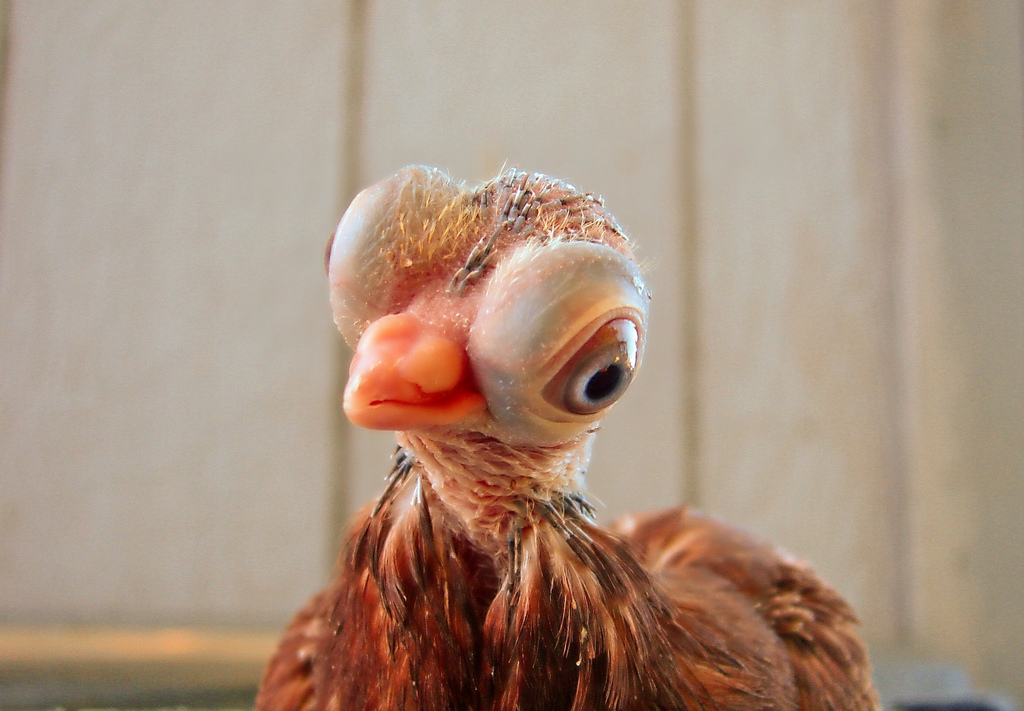
This is not a case of an ugly duckling growing into a beautiful swan.
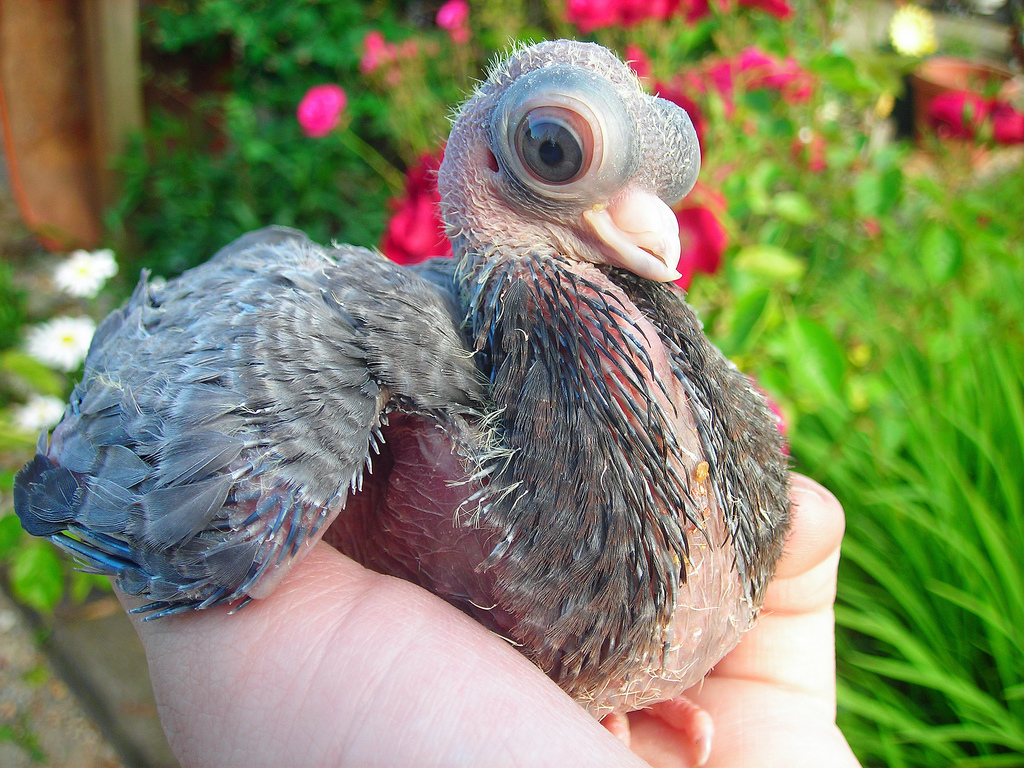
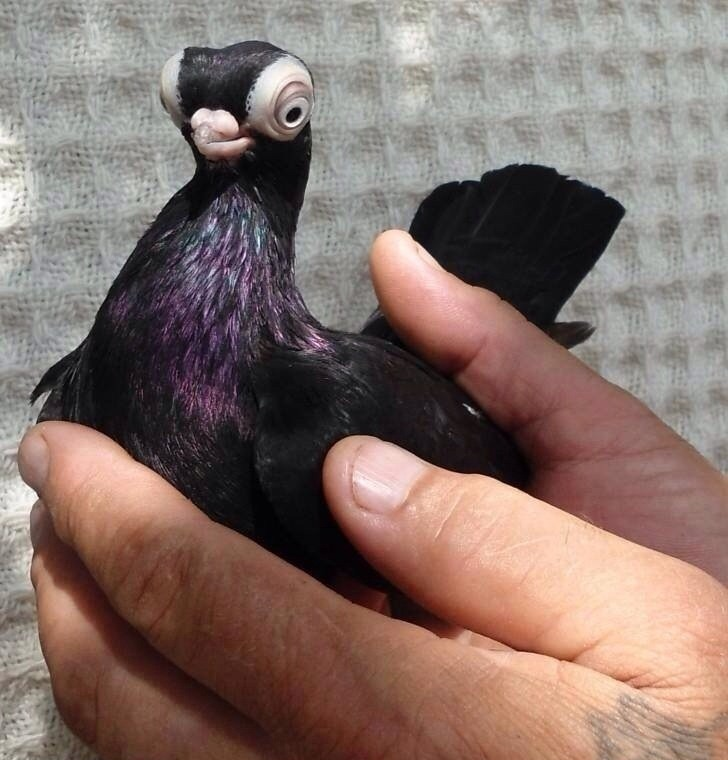
Budapest pigeons were bred for ornamental purposes in Hungary in 1907. They are excellent flyers, able to stay in the air for up to 5 hours and reach great heights.
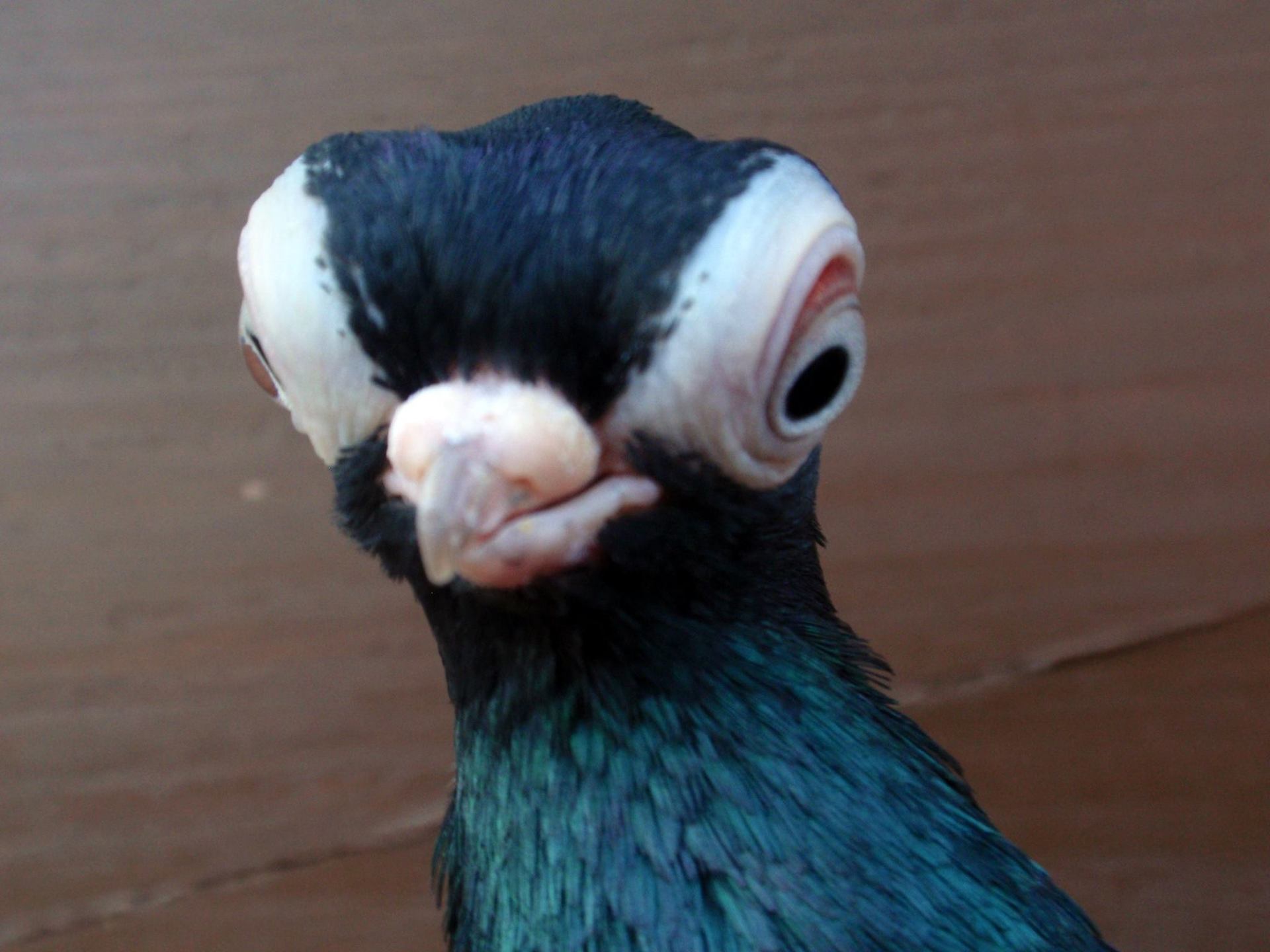
Their distinctive features include large, protruding eyes and a short nose. Because of this beak structure, tumblers have difficulty eating from a feeder on their own; they must be hand-fed.
Damascus goat (Shami)
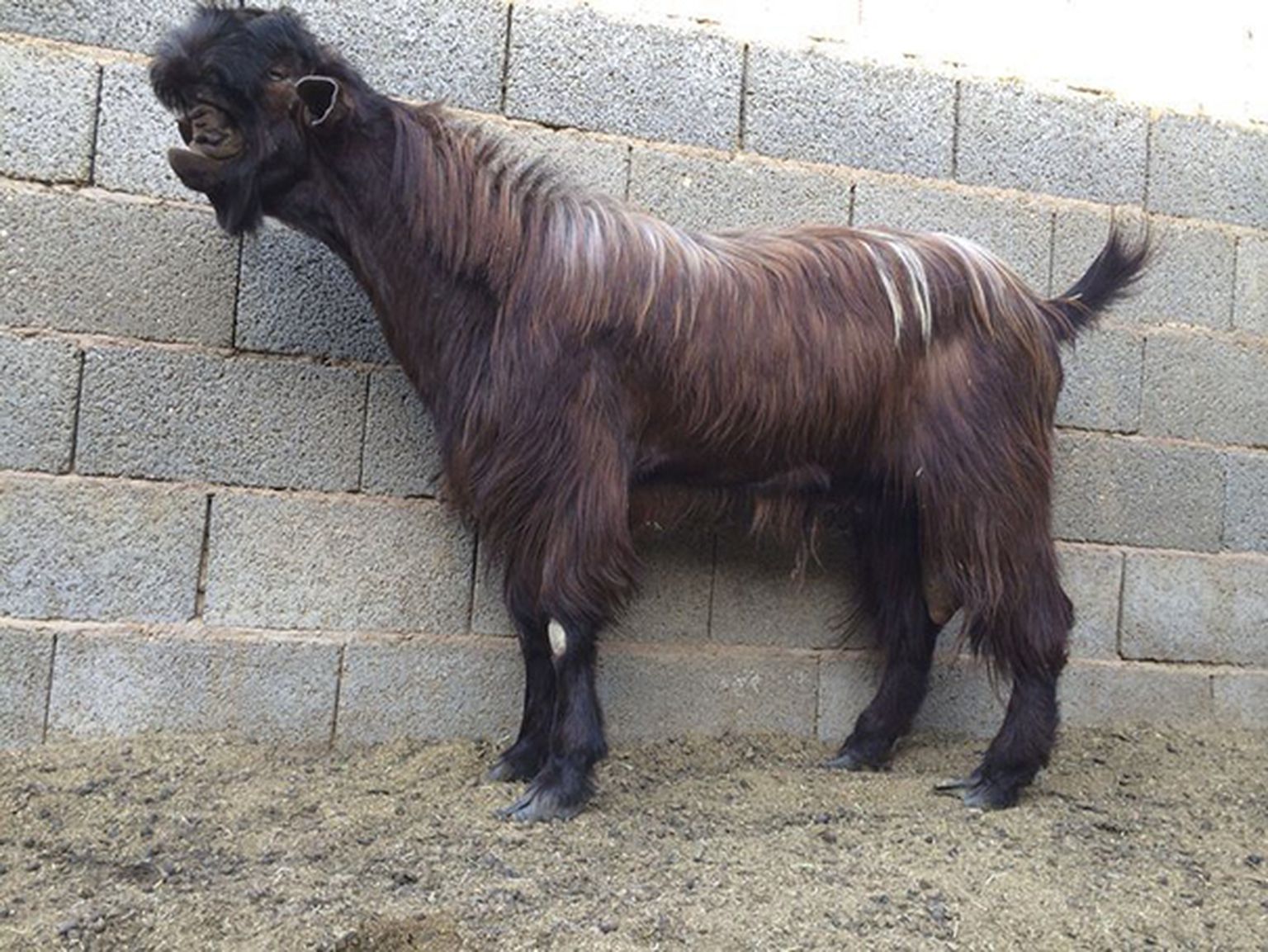
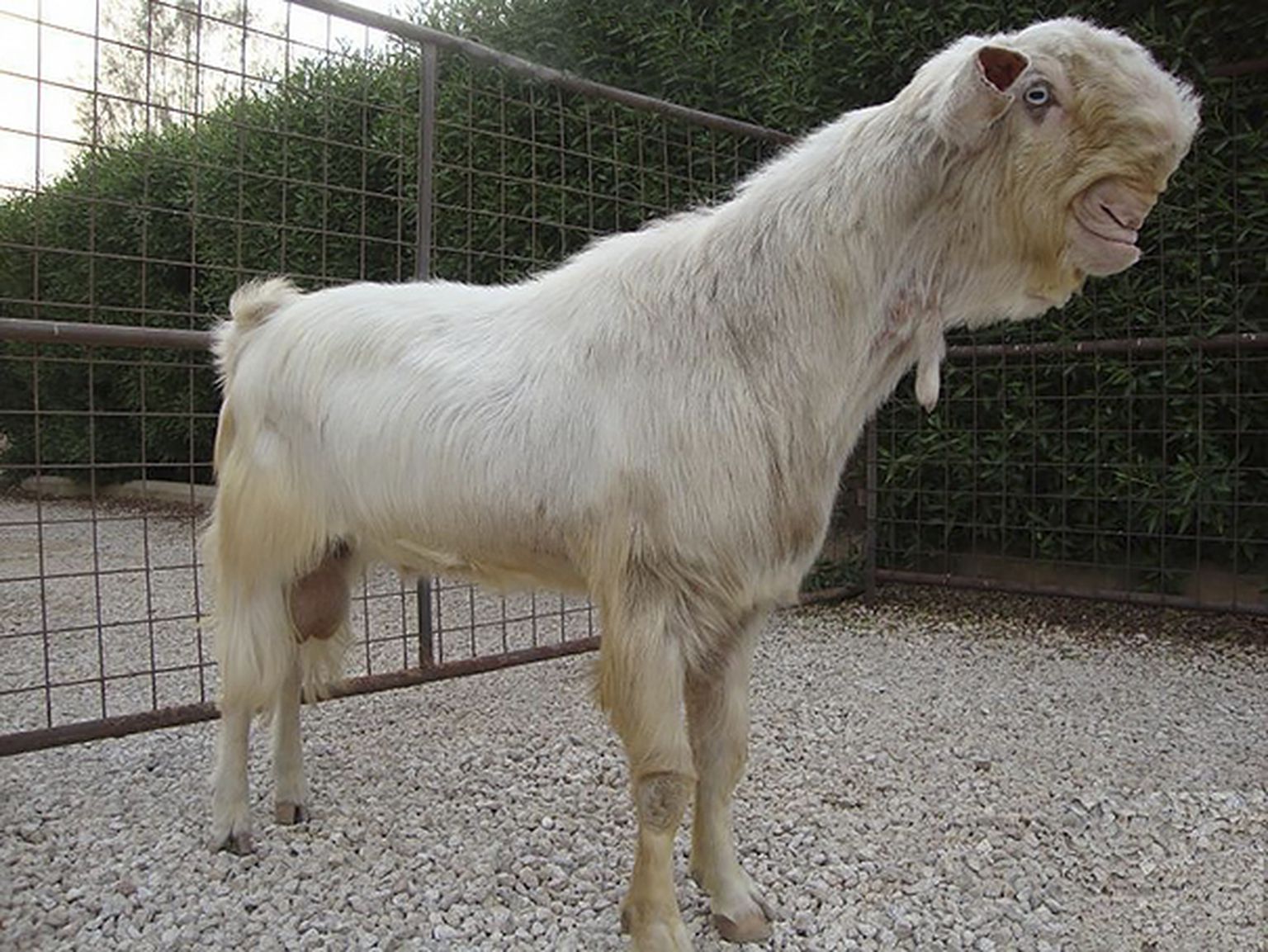
The goat originated in the Middle East and has been around for many centuries. Syria is considered the breed's historical homeland, where goats are considered "divinely beautiful" and valued on par with Arabian horses.
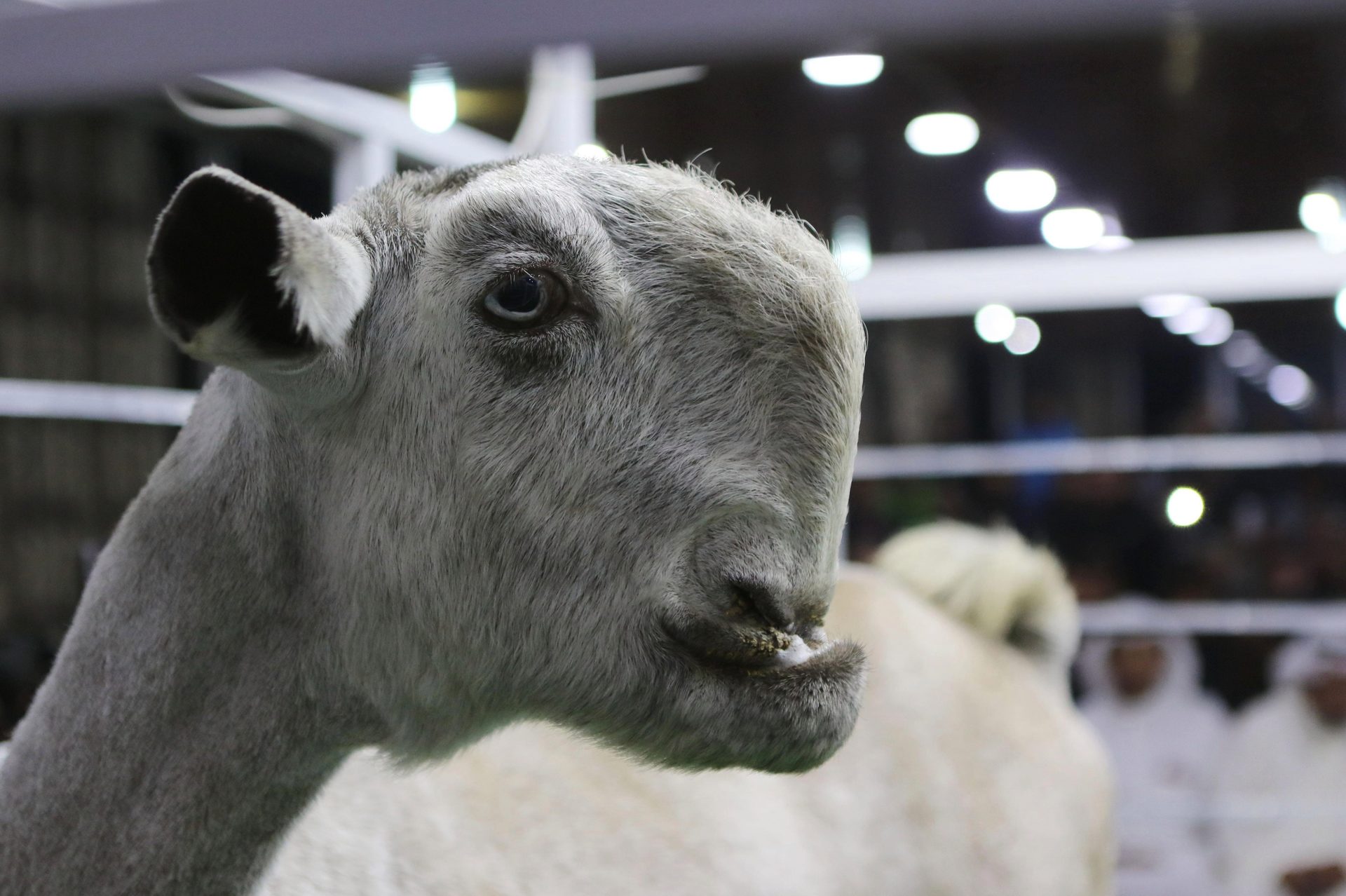
The breed is distinguished by its endurance, and the milk of this goat is highly valued for its medicinal properties.
Poitou donkey
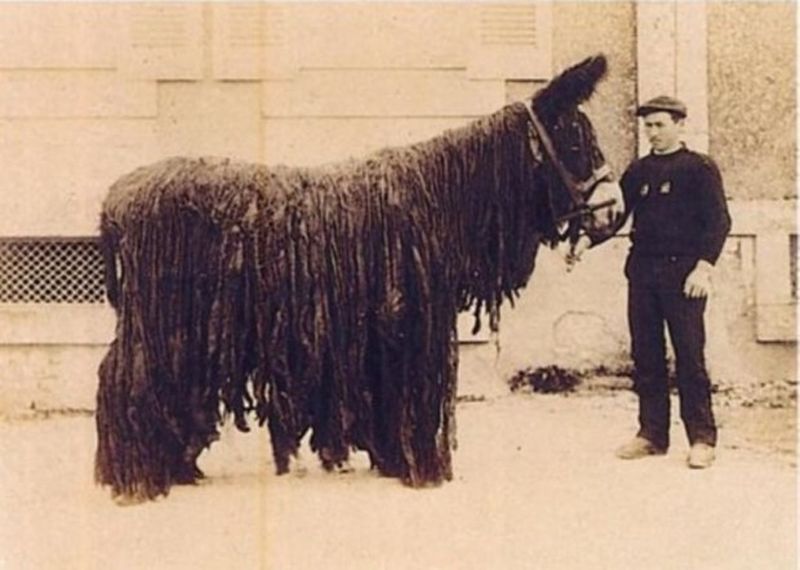
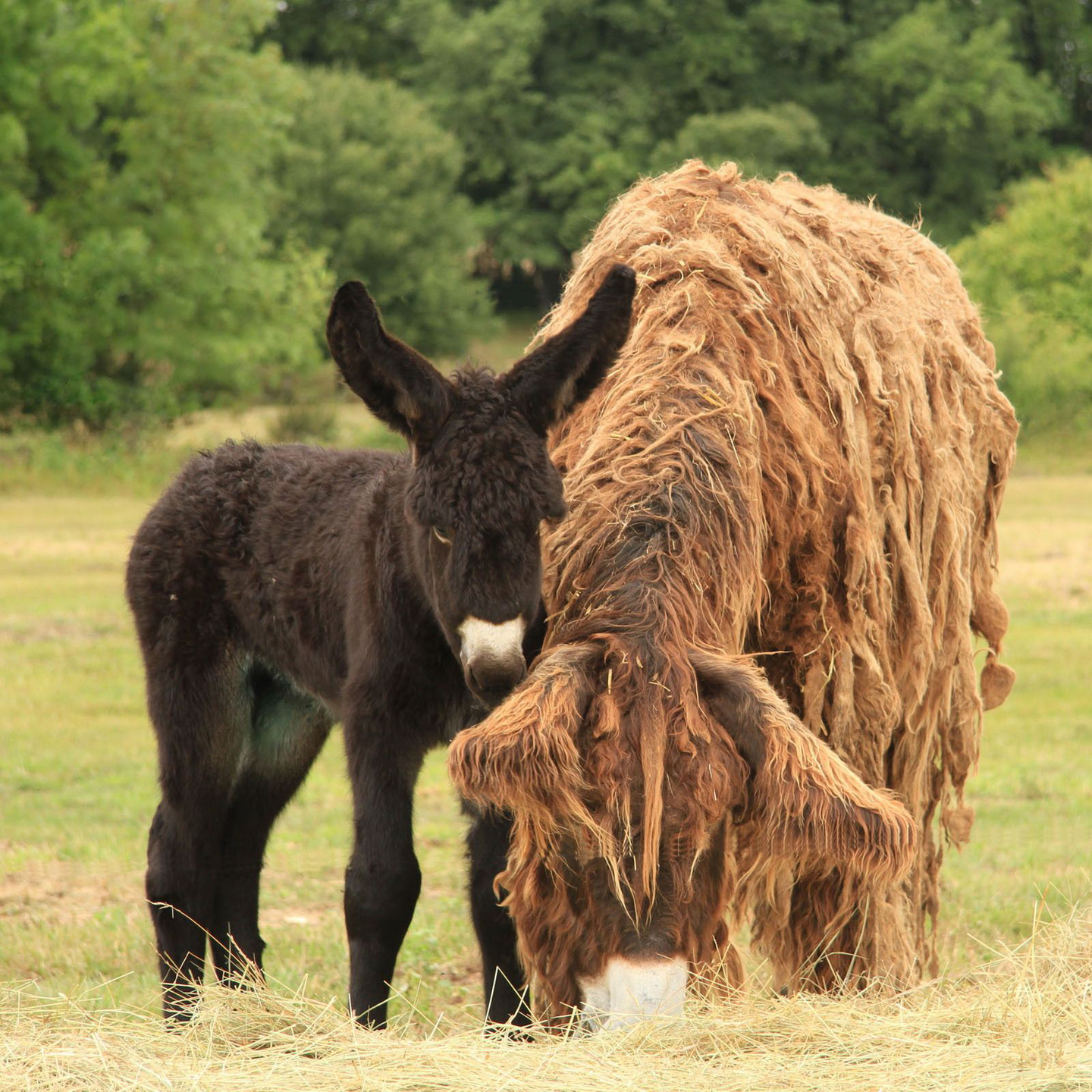
A domesticated subspecies of the wild ass, it was widespread in France during the Middle Ages and was considered a symbol of high social status. It is the largest of all donkeys, reaching 140–150 centimeters at the withers.
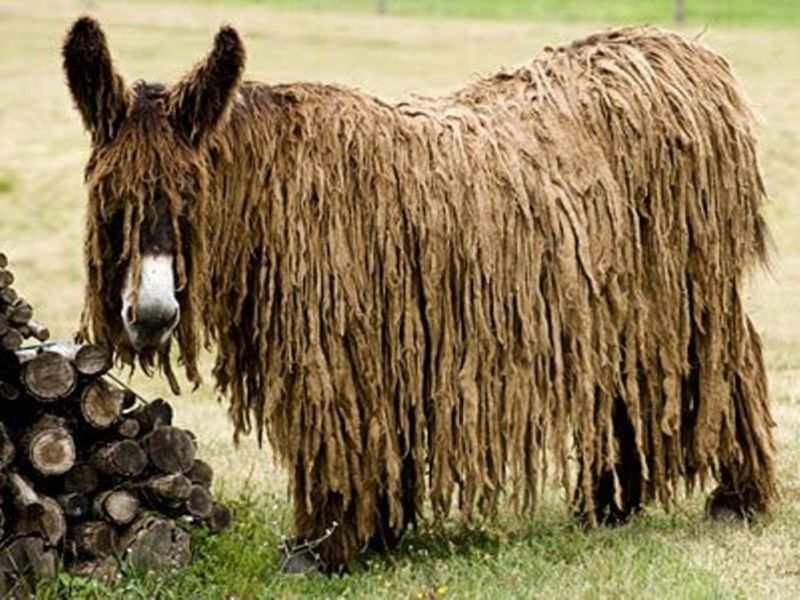
The Poitou's coat is so long that it reaches the ground and becomes tangled and forms dense dreadlocks.
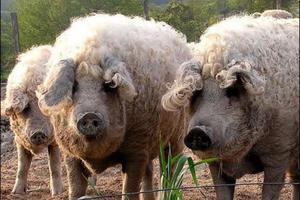
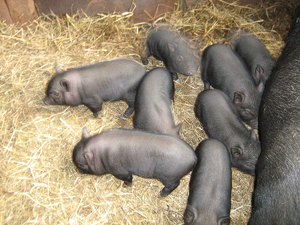
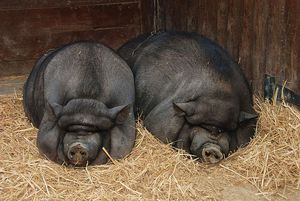
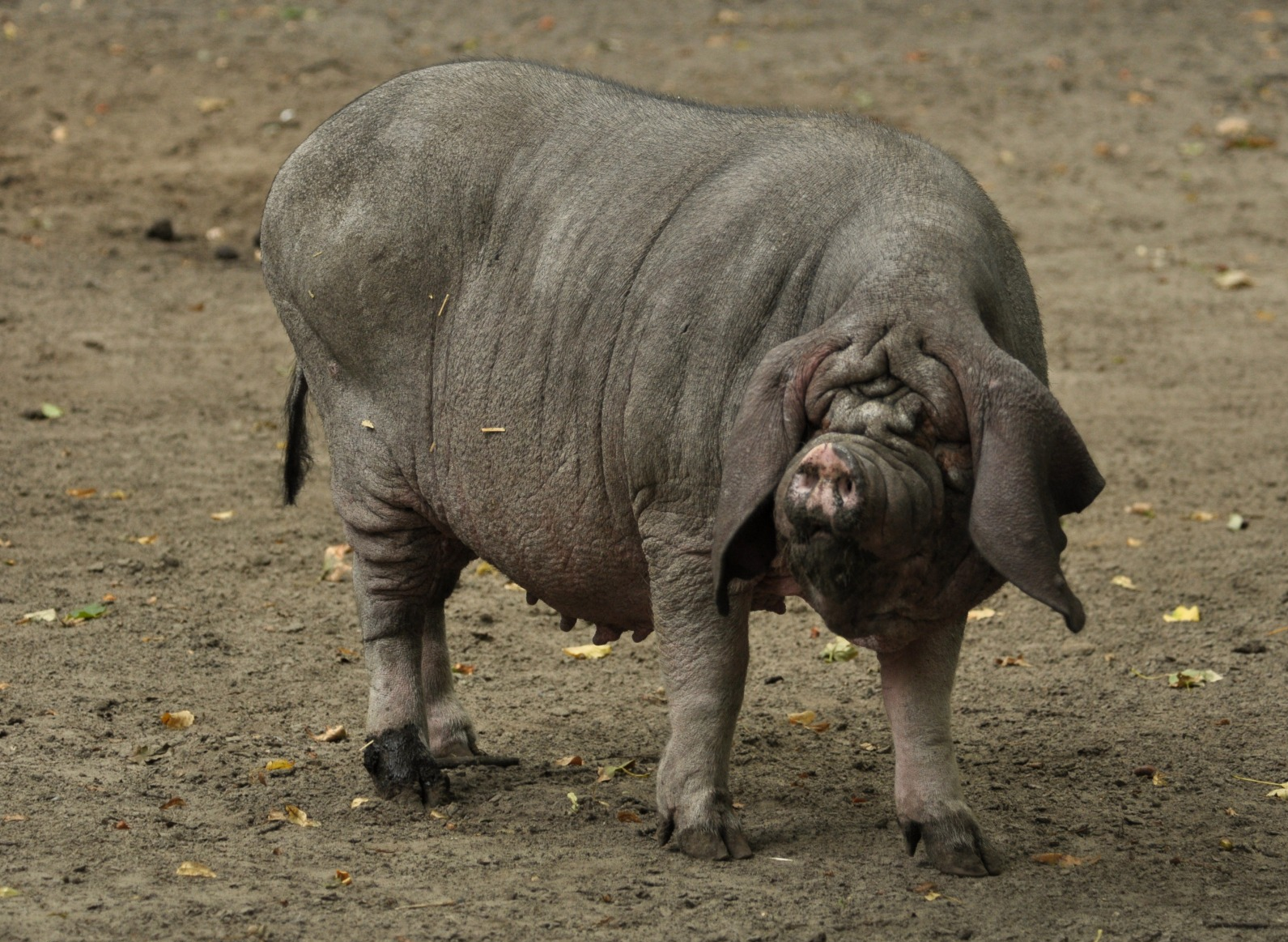
Meishan pigs
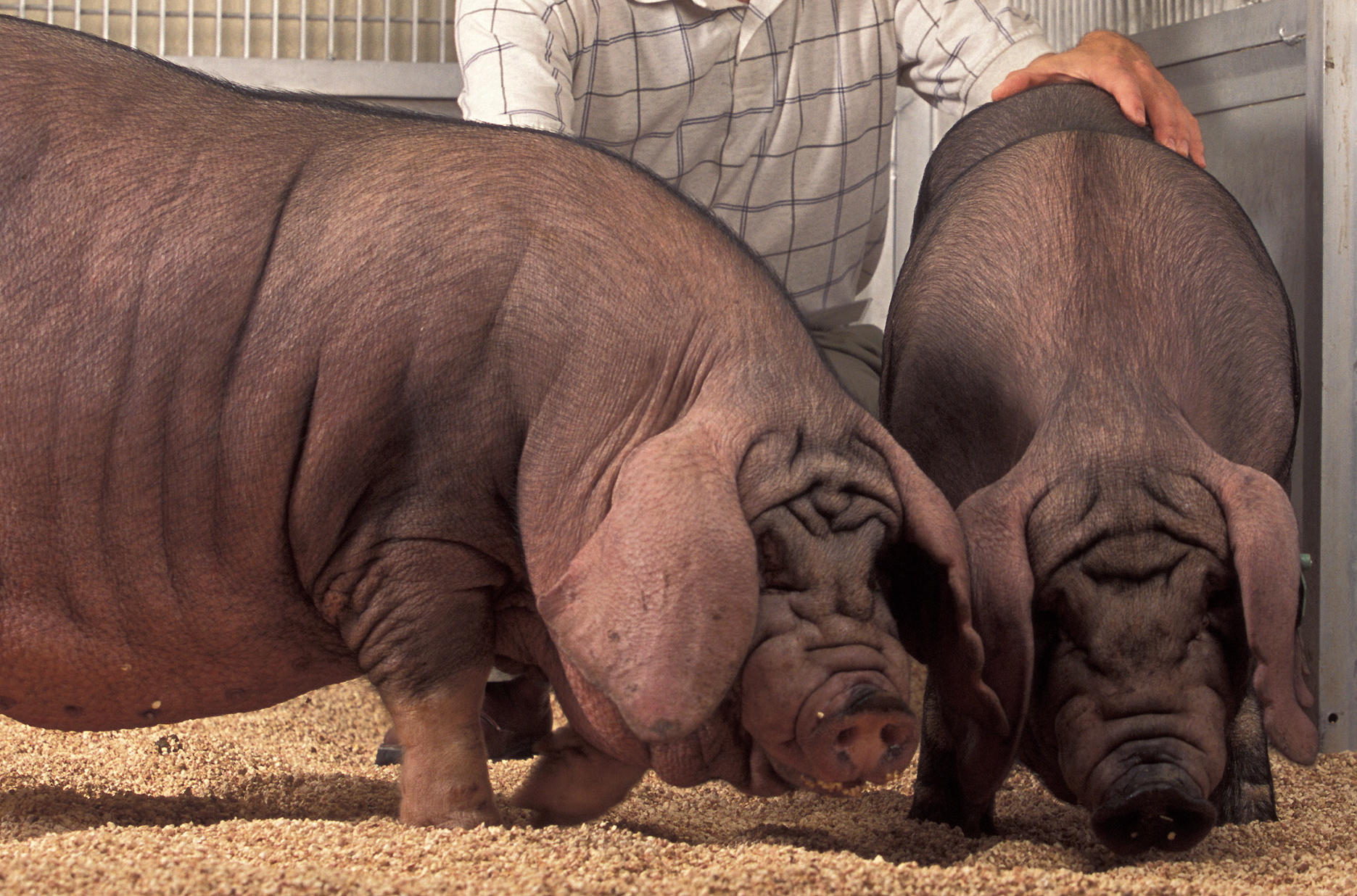
This breed of pigs originated in China and was later brought to America.
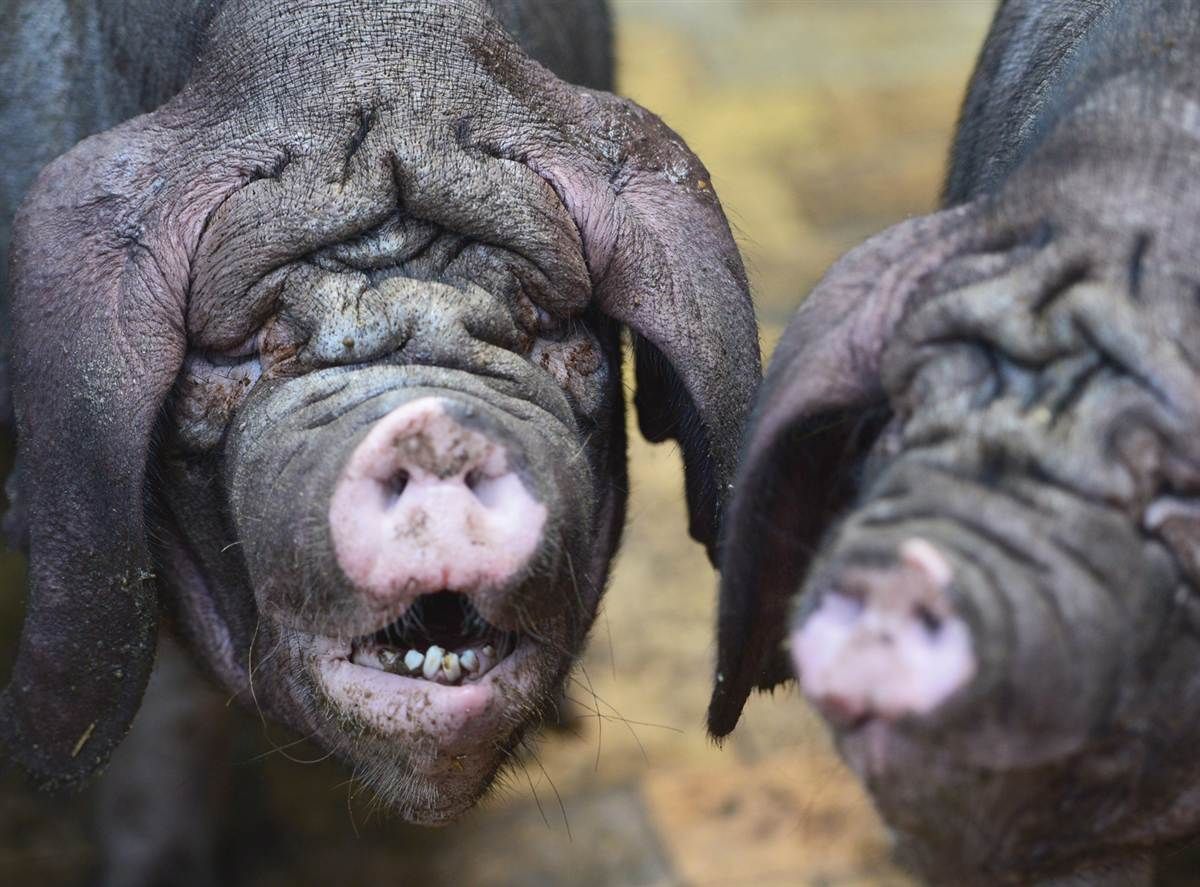
Meishan pigs reach sexual maturity very early (2.5–3 months) and have the longest reproductive period.
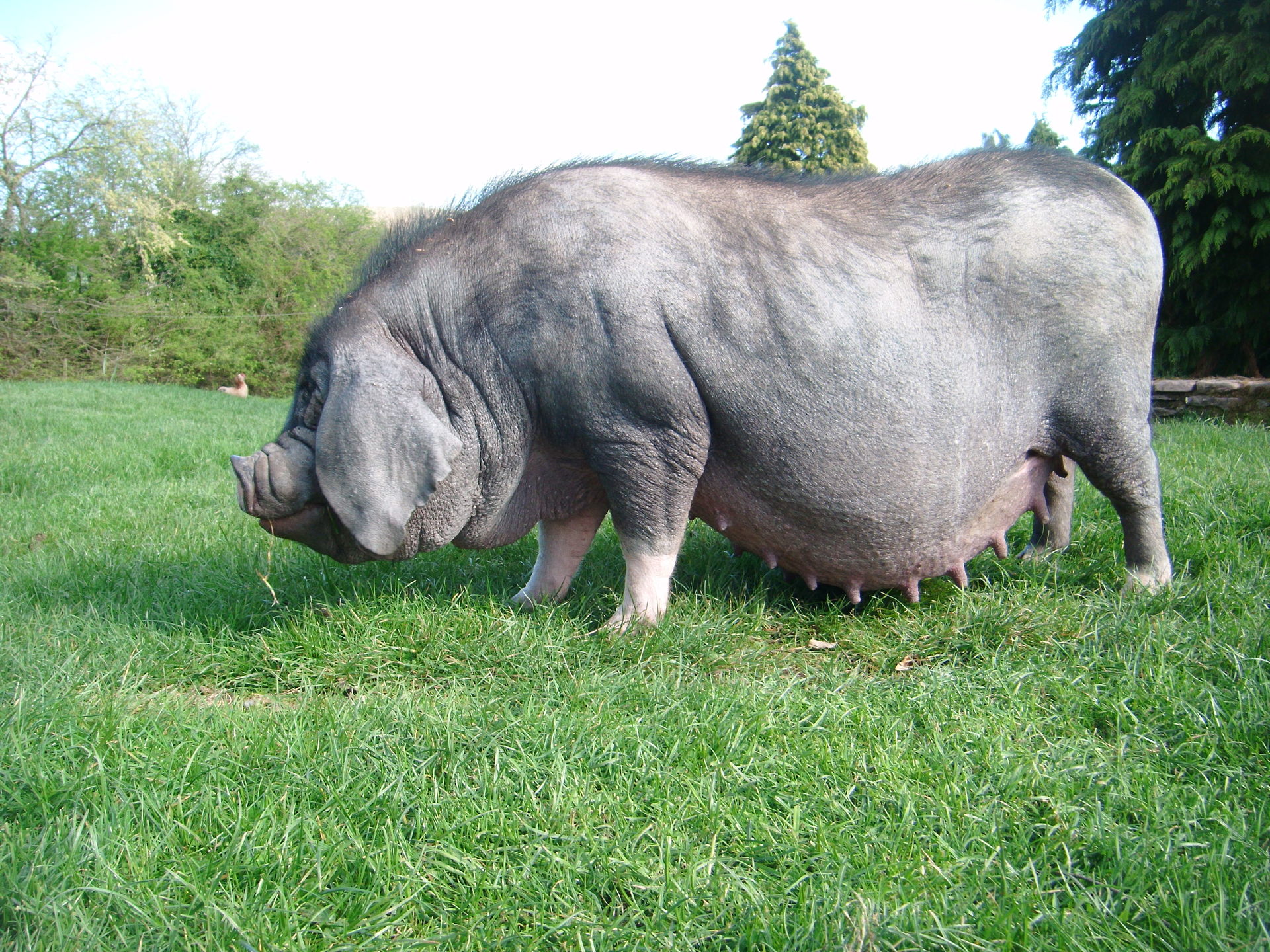
But there is a downside: they produce a huge amount of fat, and the meat turns out too fatty, even by American standards.
These unusual animals, capable of surprising and even frightening appearances, are the result of deliberate human selection. While their frightening appearance is merely a deviation from conventional stereotypes, in terms of productive qualities, these strange cows, pigs, and goats surpass their ordinary counterparts, while cats and other domestic pets turn out to be not frightening werewolves, but sweet and affectionate four-legged friends.