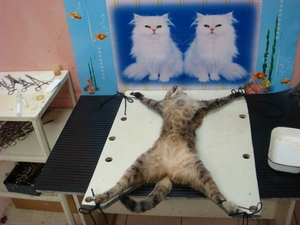
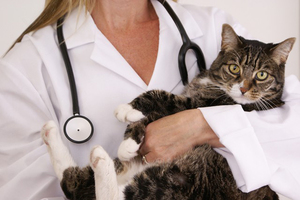
Spaying a cat is a serious procedure. It's important to ensure your pet follows the post-surgery regimen and eats properly. Therefore, it's important to know how to care for your cat after spaying.
What to do after surgery
During the postoperative period, closely monitor your pet's condition. Provide your cat with a soft bed away from direct sunlight, excessive humidity, and drafts.
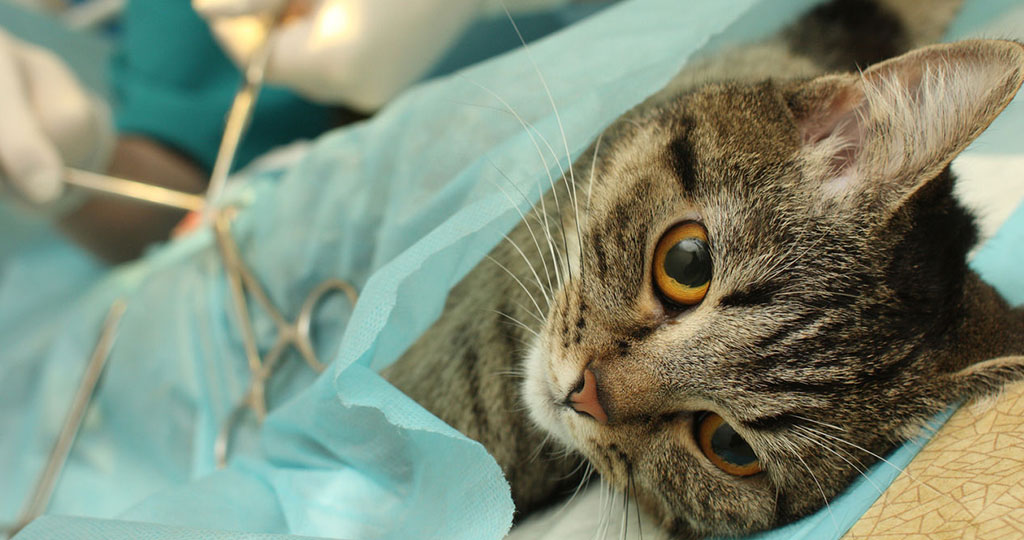
In some cases, absorbable surgical thread is used to place the suture after sterilization.
It is essential to monitor the animal's bowel movements: if there is no stool within three days, you should use Vaseline oil or other remedies prescribed by the doctor.
During the first day, your pet's movements may be uncoordinated. Your cat may take a few steps and then fall. It's important to provide food and water (place it near its bed). Remove all sharp and hard objects from the floor to prevent injury.
For the first 2-3 days after surgery, cats are given pain medications, the dosage prescribed by the veterinarian. Antibiotics may be prescribed to prevent inflammation.
During the sterilization process, the animal's eyes are not closed, so care must be taken to prevent the mucous membranes from drying out. Saline solution should be administered to each eye during the procedure and for the first 24 hours thereafter (2 drops 3 times daily).
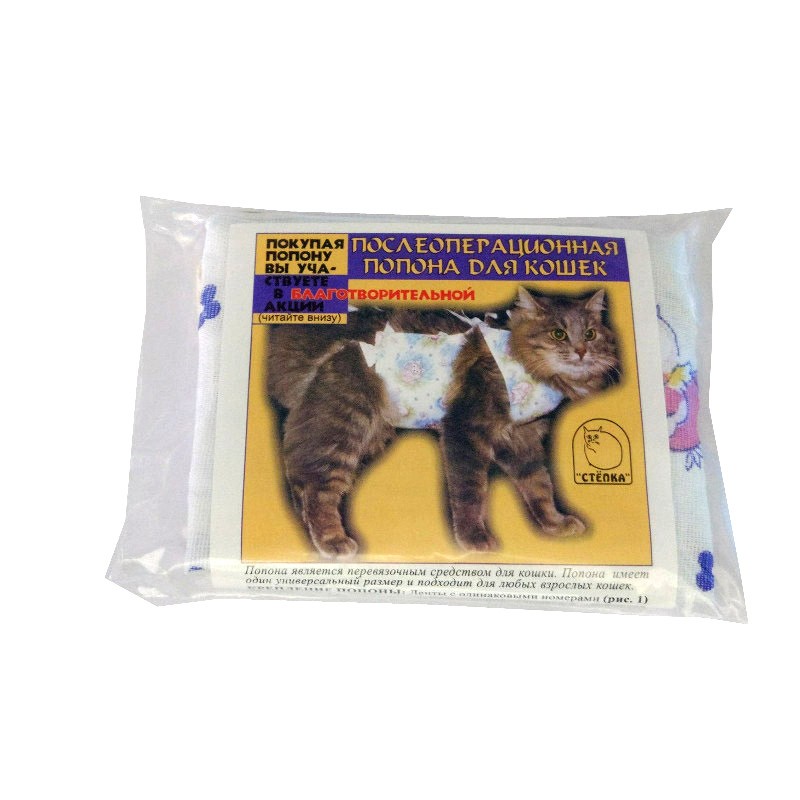
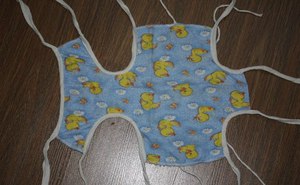
The blanket is a specially sewn jumpsuit with ties
For 7-10 days, it is necessary to monitor the condition of the sutures - wipe them with antiseptic solutions and wound-healing ointments. It's important to prevent the scar from becoming wet and festering. For this purpose, a special bandage-like blanket is used, which is removed after the stitches are removed.
How to feed and care for a cat after sterilization
After sterilization, animals are prone to obesity due to hormonal imbalances. To address this, it's important to adjust your pet's diet, maintaining a balance of essential vitamins and minerals.
During this period, it's beneficial to give your cat fermented milk products (kefir, fermented baked milk), but avoid milk, which causes gas. It's important to avoid constipation and irritation of the digestive tract. Meat should always be combined with cereals.
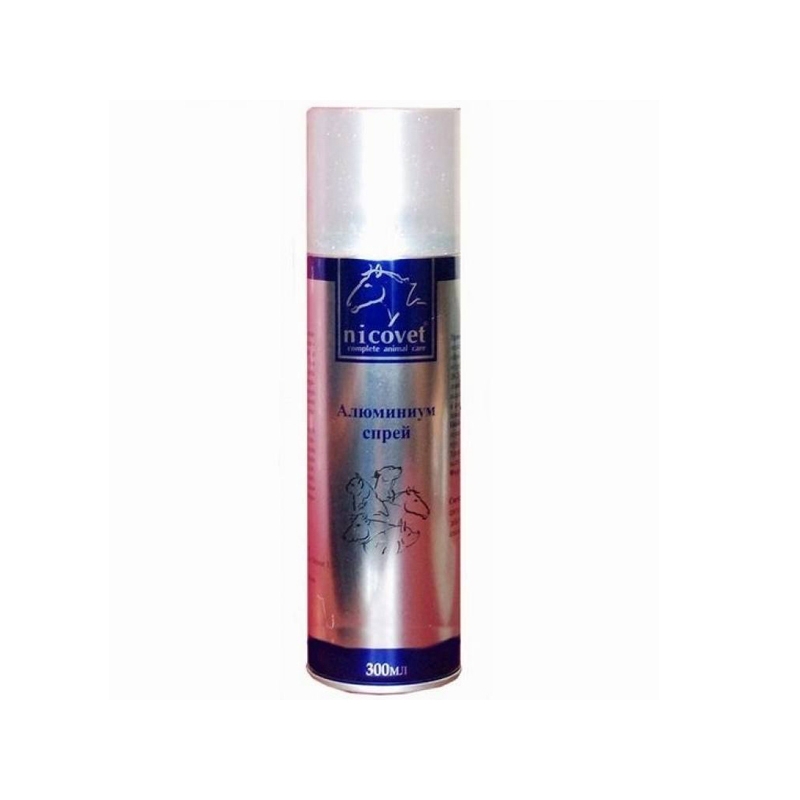
Effective for protecting stitches after sterilization of cats Aluminum spray
The animal should be given water every 2-3 hours, but the first meal can be given 24 hours after surgery. If the cat refuses to eat for more than 2 days, a consultation with a veterinarian is necessary.
How does the pet behave?
Cats behave differently after surgery: some sleep, while others rush around the apartment, displaying excessive fussiness and aggression. This is normal behavior; the main thing is to supervise your pet to avoid injury.
A cat may urinate or vomit involuntarily while grooming. It's important to keep a litter box ready, but make sure it's empty.
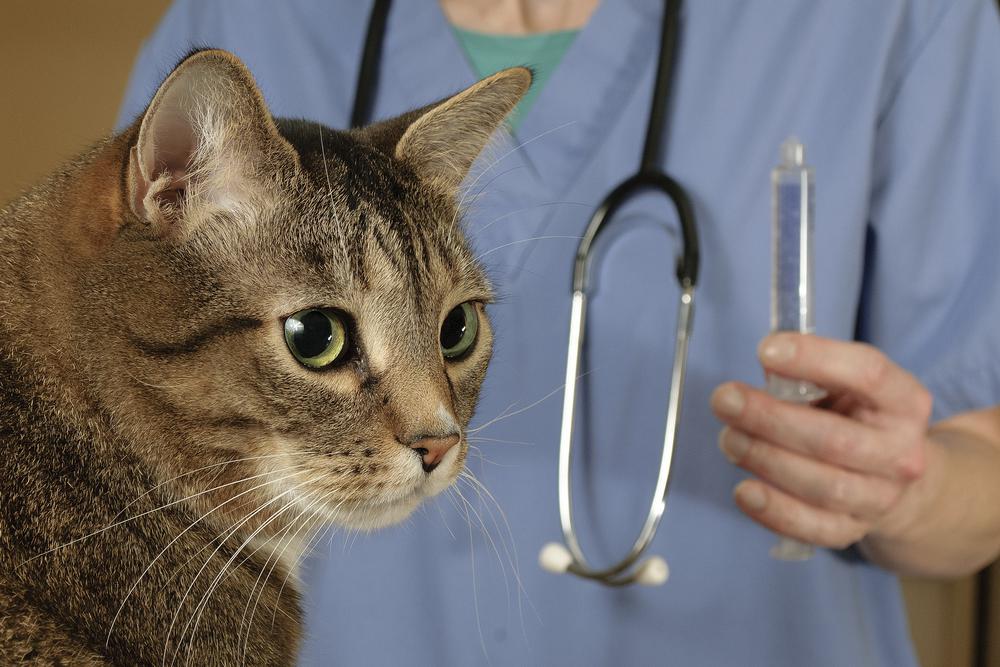
If the wound on the cat's body becomes severely infected, it will not heal. If this has already happened, you should definitely contact a veterinarian.
Removing the blanket early is not recommended to prevent damage to the incision. Owners should be responsible for hygiene procedures for up to 14 days after surgery, including wiping the cat's anus and labia with a cotton pad soaked in water.
It's important to constantly monitor your pet's temperature, the condition of the stitches, and the regularity of urination. Until the stitches are removed, restrict your cat's indoor movement. If your pet's condition worsens, seek veterinary attention.