 When a person brings home a pet, they don't always fully understand the level of care it requires, but they do know they'll have to meet their pet's vast and varied needs. This includes feeding, healthy sleep, bathing, and many other procedures that make a cat's life comfortable.
But beyond the normal needs of all living organisms, we mustn't forget about an animal's reproductive functions. Oddly enough, domestic cats mate not only for reproduction but also for pleasure. Kittens, however, are a byproduct of mating, not its primary purpose.
Content
What is meant by sterilization?
Sterilization refers to a surgical procedure in which a cat is remove the organs responsible for reproductive functionsAnd despite the fact that sterilization can be classified as a complex surgical procedure, it is performed everywhere and, in most cases, successfully.
Today, veterinarians are considering the following types of this operation:
 Tubal ligation is a procedure that has not gained much popularity among veterinarians, as after it, the cat continues to go into heat, which helps attract male cats and can be accompanied by inflammation in the uterus;
- complete amputation of the ovaries, during which these organs are removed without affecting the uterus, which may still be inflamed, but the animal stops going into heat and the risk of developing tumors is reduced;
- Complete removal of the reproductive organs is an operation that is optimal, from the point of view of veterinarians, as it completely eliminates the animal's estrus and inflammatory processes in the uterus due to its absence.
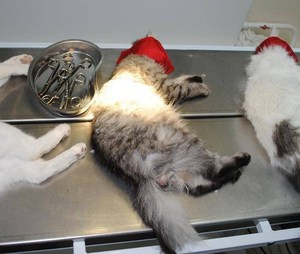 Tubal ligation is a procedure that has not gained much popularity among veterinarians, as after it, the cat continues to go into heat, which helps attract male cats and can be accompanied by inflammation in the uterus;
If we consider which operation is best, then, according to doctors, it is a complete amputation of the uterus and ovaries. First of all This is because after the ovaries are removed, the uterus that remains in the cat's body serves no useful function and can still cause harm. Tumors and inflammation can still develop in the uterus, so removing it during spaying is very beneficial.
Opponents and supporters of sterilization of pets
Animal rights activists advocate for the sterilization of cats, as, in their opinion, this operation has the following number of positive consequences:
- After surgery, the risk of developing malignant tumors in the cat's reproductive organs is reduced;
- the animal's habits change, it becomes calmer, more docile and does not rush outside with the onset of spring;
- The cat stops suffering from cancerous tumors and other diseases associated with the uterus and ovaries.
 But there are also opponents of sterilization who believe that any type of surgical intervention lead to irreversible consequences in the animal's hormonal systemSpayed cats experience decreased activity and increased appetite, which leads to rapid weight gain. Therefore, these cats require special attention and care.
When is the best time to spay or neuter your pet?
Both adult and young cats are subject to sterilization. The type of surgical intervention performed depends on the age of the animalIn young cats, only the ovaries are amputated, while in adult animals that have already had offspring, all reproductive organs are removed.
The main condition for the procedure is the animal's physiological development. Cats typically reach physiological maturity later than sexual maturity, namely at 6–8 months of age. Naturally, the data provided is generalized and It all depends on the individual characteristics of your pet.Therefore, before deciding to sterilize your cat, you should consult with an experienced veterinarian.
The optimal time for surgery is when the cat's body is fully developed but has not yet had its first heat cycle, that is, when the animal is 8–10 months old. At this age, surgery is likely to be performed with minimal complications for the pet. First of all - This is due to a strong young body, which more easily tolerates surgery and changes in hormonal levels.
Can cats be spayed if they are in heat?
 All pet owners are interested in the concept of cat sterilization, when it's best to do it, and other nuances. Almost all veterinarians unanimously agree that it's best to spay a cat before her first heat cycle. But even if the natural process has already occurred It is necessary to wait until it is completely finished and only then perform surgical intervention.
It is not prohibited to operate on an animal directly during estrus; however, the risk of bleeding and other unpleasant, and sometimes very serious, consequences greatly increases. If the animal is in heat, its reproductive organs are filled with blood, and any sterilization can result in significant blood loss. To avoid harming your beloved pet's health, it's best to wait until the end of her heat cycle before preparing her for surgery.
What are the specifics of preparing a pet for sterilization?
Before spaying your cat, it's important to complete your scheduled vaccinations at least four weeks before the surgery. This significantly reduces the risk of infection during the procedure.
Nowadays, sterilization is practiced at the client’s home, which allows the cat to be spared additional stressful situations, caused by being in unusual conditions for a pet in a veterinary clinicBut it's important to understand that it's impossible to ensure complete sterility at home.
It's important to abstain from food for at least 12 hours before sterilization. This fasting period is essential because the components of anesthesia can cause vomiting, which in turn can lead to aspiration.
What is sterilization and how does it happen?
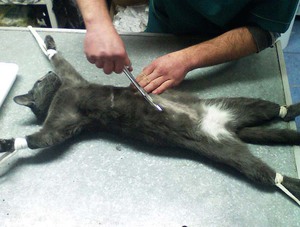 Once the cat's owners have decided on a date for the surgery, it's important to understand how cat sterilization is performed, which will allow them to properly assess the complexity of the procedure. Regardless of Today the procedure is performed at home It is still better to take the animal to a veterinary clinic where all the conditions are provided.
Standard spaying of cats involves an abdominal operation. A small incision is made in the animal's abdomen, through which the uterus and ovaries are removed and trimmed with a scalpel. The surgical incision is then sutured, and a sterile dressing is applied to the wound. The surgery takes less than half an hour, after which the cat is returned to its owners. The doctor removes the bandage no earlier than after 10 days.While your pet is recovering, she will require more careful attention.
As for the surgical intervention itself, the cat owner should be primarily concerned not with the timing of the procedure, but with the sterilization method. Today there is a radiation method of sterilization, which involves irradiating the ovaries with a strictly defined dose of radiation. Although this method is painless, it's important to understand how safe it is for your pet, as radiation can have long-term health effects.
Peculiarities of caring for a pet after sterilization
After a cat has been exposed to additional stress, it may require a little extra attention. However, caring for your beloved family pet isn't difficult, and all it requires is following a few simple rules to promote a speedy recovery:
- Do not allow the cat to become overcooled;
- It is important to regularly treat the stitches formed after surgery with a special chlorhexidine-based solution several times a day;
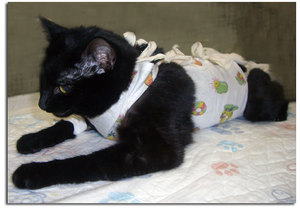
- During the entire rehabilitation period, the cat must wear a special blanket.
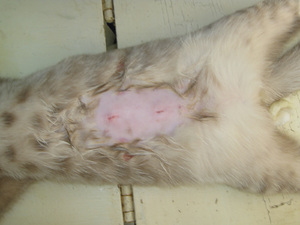 Do not allow the cat to become overcooled;
After surgery, the animal recovers from the effects of anesthesia fairly quickly, and at this point, only the owner can take care of the pet's health. If the family decided If you get a cat not for breeding, but for pleasure, so that you have someone to communicate with, then it is advisable to protect her from the joy of motherhood.
Pros and cons of sterilization
Having determined whether a cat needs to be spayed and when it's best to do so, it's important to understand the pros and cons of the surgery, and I'd like to start with the advantages of the procedure:
- Removing a cat's uterus and ovaries, as strange as it may sound, doesn't have a positive effect on her health. Therefore, experts say it's advisable to spay or neuter the animal early in pregnancy. Few people know that spayed cats are much less likely to develop cancer. Spaying eliminates the need for hormonal contraceptives.
- A huge plus is that with the arrival of spring, your pet will no longer be eager to go outside, and its owners won't have to worry about where the cat has disappeared to. After surgery, most animals become calmer and more affectionate.
- After spaying a cat, owners no longer have to worry about what to do with unwanted litters. Incidentally, this very issue is the fundamental factor in deciding whether to spay or neuter a pet.
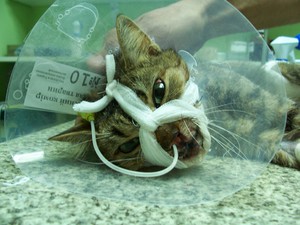 Removing a cat's uterus and ovaries, as strange as it may sound, doesn't have a positive effect on her health. Therefore, experts say it's advisable to spay or neuter the animal early in pregnancy. Few people know that spayed cats are much less likely to develop cancer. Spaying eliminates the need for hormonal contraceptives.
As you can see, this procedure has quite a lot of advantages and therefore there is no need to doubt its appropriateness And confidently take your cat to a veterinary clinic, where specialists will perform the procedure carefully and safely. But despite all the positive aspects of this procedure, it's important to remember the downsides of sterilization, which come with the following problems:
- anesthesiological risks during surgery;
- not quite an easy way out of anesthesia;
- Sterilized cats are prone to obesity due to metabolic disorders.
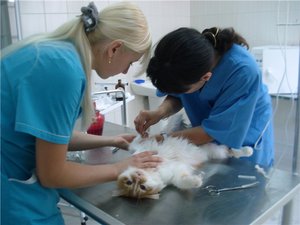 Naturally, each negative factor of sterilization is strictly individual for each pet. Avoiding negative consequences will helpprofessional veterinary clinic doctor and proper care for your cat after surgery. If you consider the cat's tendency toward obesity, this problem can also be addressed. To this end, it's necessary to adjust the animal's diet, especially during its recovery period.
As you can see, it is not so difficult to figure out at what age a cat can be sterilized. Don't miss the right moment. and perform a timely procedure that's beneficial for both the animal and its owners. The key is to choose the right veterinary clinic whose staff you can completely trust.