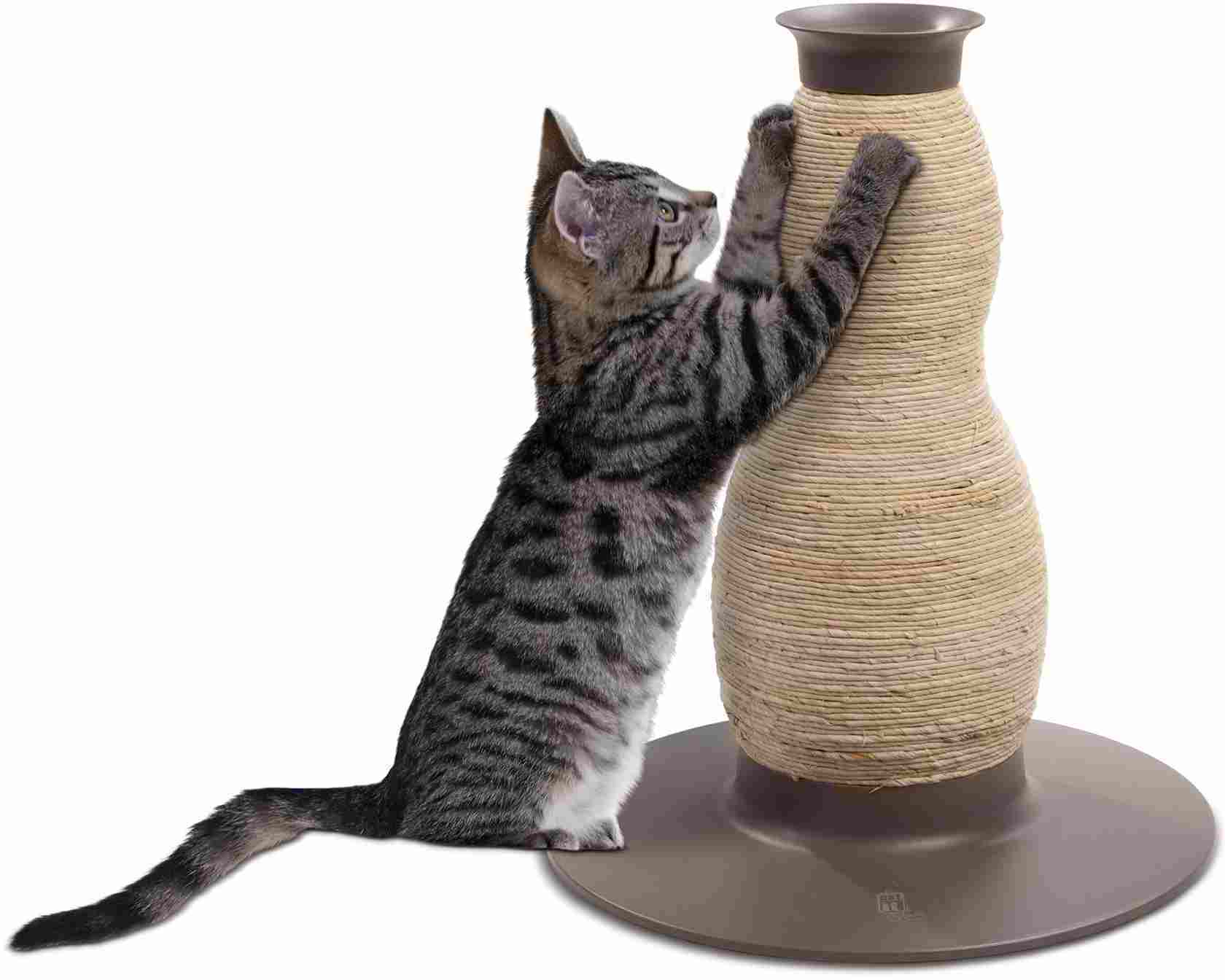
It's important for owners to know how to properly trim their cat's claws at home. This will help protect furniture, curtains, and wallpaper from being damaged. Furthermore, claws that are too long can grow into the paw pads, making walking painful.
What do you need to trim your cat's claws?
The frequency of this procedure varies for each animal and depends on how quickly their claws grow. On average, it's done once a month. Hind paws require less frequent trimming or don't trim them at all. Trimming is also necessary before bathing, participating in shows, and if small children are born. Cats should be accustomed to this procedure from an early age. This will help them acclimate to it and become comfortable with it.
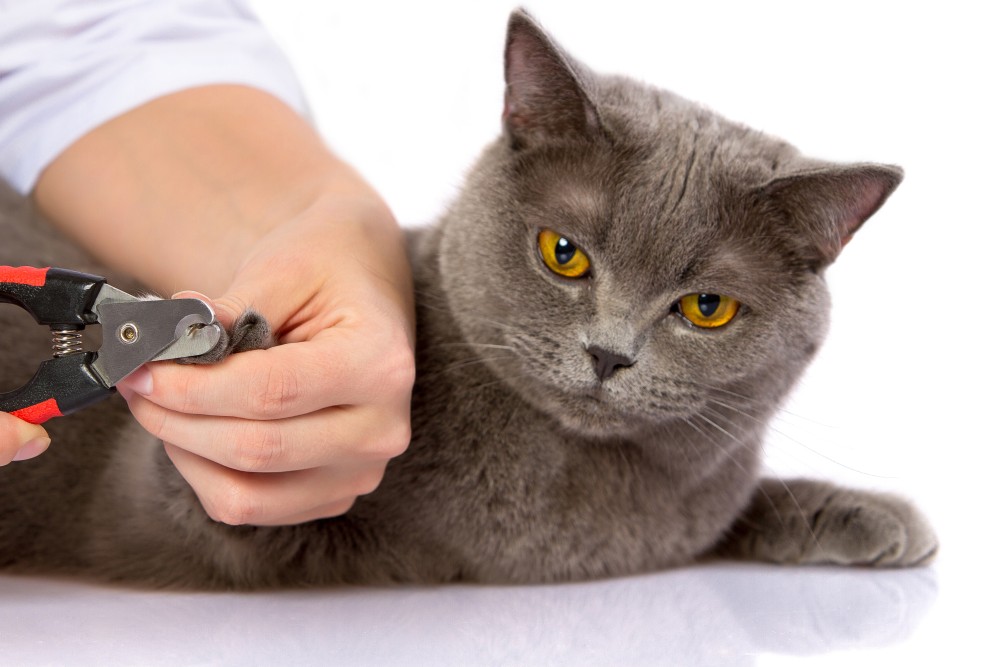
You will need:
- Nail clippers (special nippers). It is better not to use regular manicure scissors, since cat claws are much harder than human nails. Nail clippers can be purchased at a pet store. Guillotine-style trimmers are especially convenient, as the blade moves when you press the handle. This makes the process easier.
- A stiff file or sanding block to file down trimmed nails.
- Disinfectant solution (hydrogen peroxide, potassium permanganate solution, chlorhexidine), cotton pads, baby talc - in case a blood vessel is damaged.
If your pet has long, fluffy hair (Persian, Siberian, etc.), you may also need clippers to trim the paws. Otherwise, it will be difficult to reach the nails.
How to prepare an animal
Avoid starting the procedure while the cat is eating or playing. The best time is when the cat has just woken up and is calm and relaxed. Prepare the necessary tools and let the cat smell them so they don't seem dangerous or foreign.
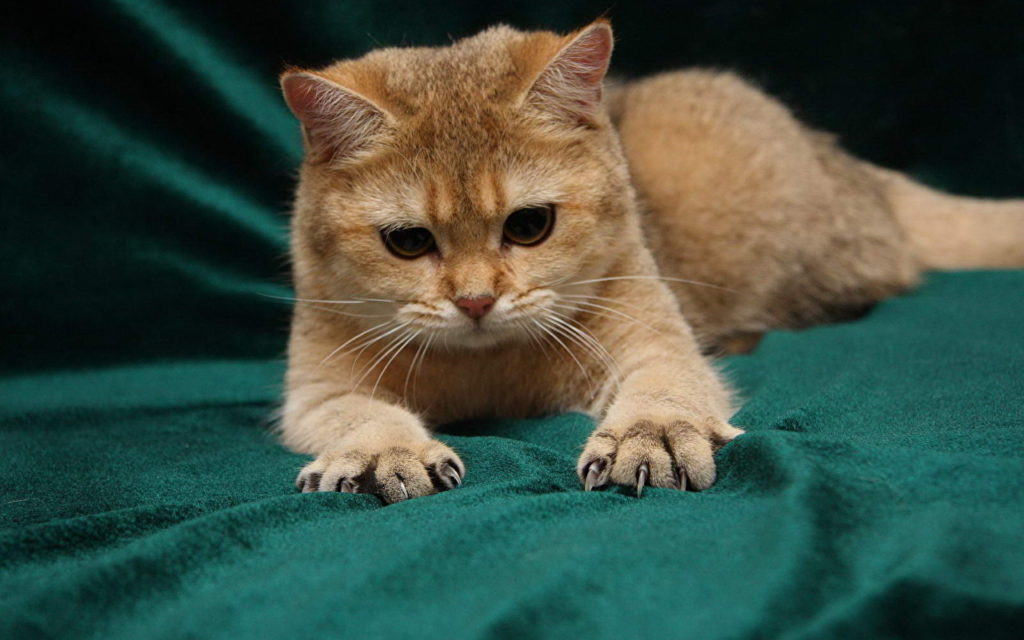
If this is your first procedure, you'll need an assistant to hold the cat. A calm cat can be placed on your lap. A stubborn pet that refuses to quiet down should be wrapped in a towel, leaving its head and paws exposed. Another helpful technique is to grab the cat by the scruff and hold it suspended. In this position, it's difficult for the cat to resist. When trimming your pet's claws, you need to be firm but gentle, petting your pet periodically and talking to him.
Step-by-step instructions for pruning at home
It's important to understand the structure of a cat's claw. If you hold it up to the light, you'll see uneven coloring. Trimming is prohibited where the pink tint is visible, as this is where capillaries are located. If you touch them, they will bleed, causing pain to the animal. Only the transparent curved part of the claw should be trimmed.
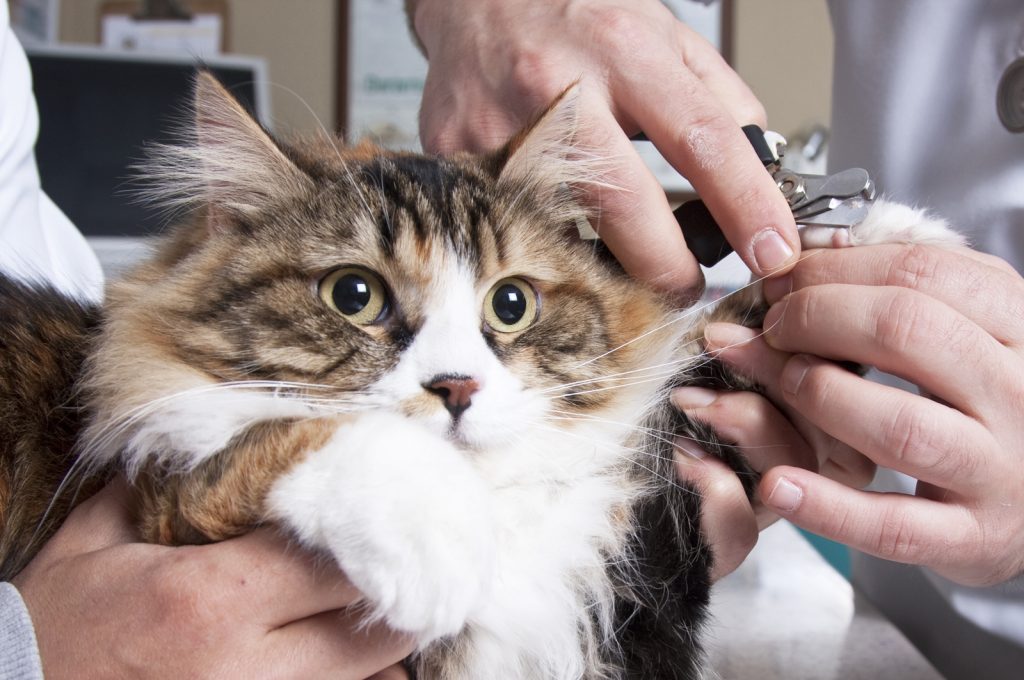
Stages of the procedure:
- Wash your hands. Wipe instruments with a disinfectant solution.
- Secure the animal.
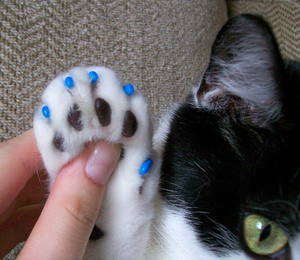
- Gently press your thumb onto the paw pad. The claws will appear.
- Positioning the nail clipper at a right angle to the nail, trim the tip in one go, stopping 1–2 mm short of the pink area. If the nails are dark, trim them in stages, 1–2 mm at a time.
- File your nails with a nail file.
- Praise the cat for its patience and treat it with a treat.
If a blood vessel is damaged, soak a cotton ball in disinfectant solution, apply it to the nail, and hold it there until the bleeding stops. Then dust the nail with talc.
Claw trimming is a quick and painless procedure when done correctly. However, if your cat stubbornly resists or the nail is severely damaged, it's best to avoid risking it and take it to a veterinarian.