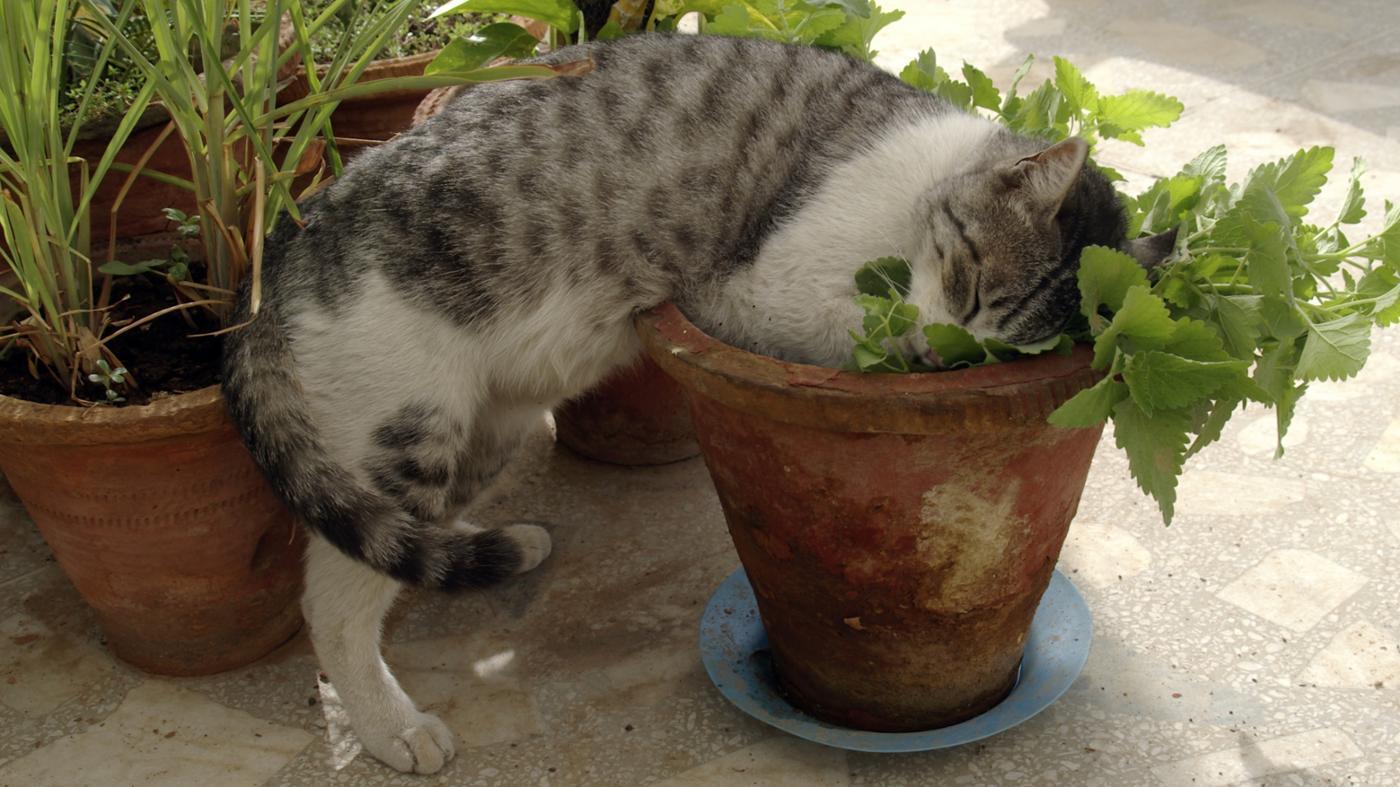
Cats are very curious creatures, and they'll do anything to satisfy their curiosity. When first encountering a cactus, a pet may try to figure out what it is, paw at it, or even bite it. A need for fiber may also prompt them to chew on succulents, but too much fiber can cause gastrointestinal upset, so don't let your cat get too carried away with cacti.
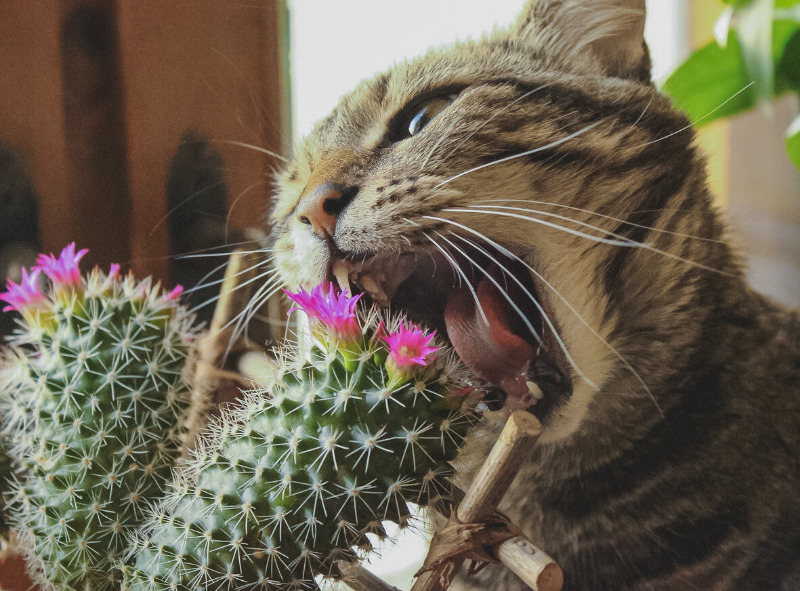
Why do some cats chew cacti?
Succulent succulents can be a source of fluid for animals, so make sure your pet always has plenty of water to drink. Cats may sometimes eat the soil in which the cactus grows if their diet lacks essential nutrients, such as iron or calcium. In their quest to get to the soil, cats may also bite the plants. If you notice your furry friend trying to get to the soil in your cactus, it's best to visit your local veterinarian—they can advise you on the best sources of minerals. If your pet is itchy, they may also rub against the spines of the cactus. In this case, it's worth examining it for infection.
Health hazard
Perhaps what's more important isn't whether your pet experiences pain when eating cacti, but rather the potential health risks. Keep in mind that sharp spines can accidentally injure your pet, and there's also a risk of infection. Also, be aware that cats are very patient creatures and only "complain" in extreme cases, when things are really bad. Don't let your pet get to this point; keep them away from anything that could harm them.
Spiky potted plants are not toxic to cats when ingested. Unlike most houseplants, which contain hazardous compounds and can have adverse effects on animals, these plants are harmless, and the only danger to cats lies in the plant's sharp spines.
How to stop a cat from gnawing cacti
Try to place the plant out of reach. If your prickly "friend" has ever pricked your cat, it will be a long-lasting memory. Make the plant's scent unappealing to your cat: there are some scents that pets dislike, such as citrus or cayenne pepper.
Orange or lemon peels work wonders and are completely safe for both plants and animals. Simply scatter a few peels around your flower, and your cat will quickly lose interest. As for cayenne pepper, sprinkle a little in your flowerpot, and any animal will run away like the plague. A vinegar-water solution is another way to separate your cat from thorns. Mix three parts vinegar and one part water, then spray it on the plant.