 Among the many varieties of mint, the catnip variety, also known as catnip or ground mint, deserves special attention among pet owners. But before using this little-known plant, it's important to understand its benefits for pets.
Different varieties of mint differ in their flower stalks, size, and decorative qualities. But one consistent characteristic of this plant is its unwavering love for domestic cats. However, the plant has a lesser effect on animals than valerian, which cats also enjoy.
Content
Features and photos of plants
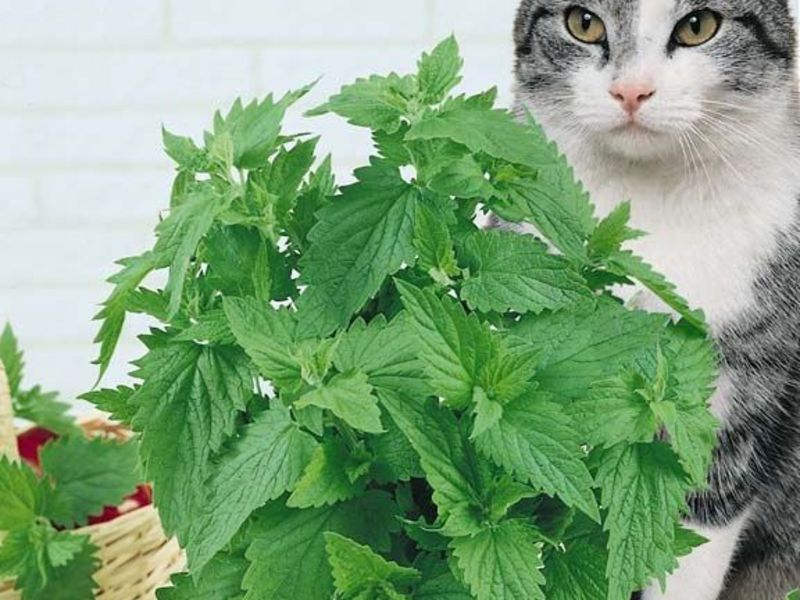
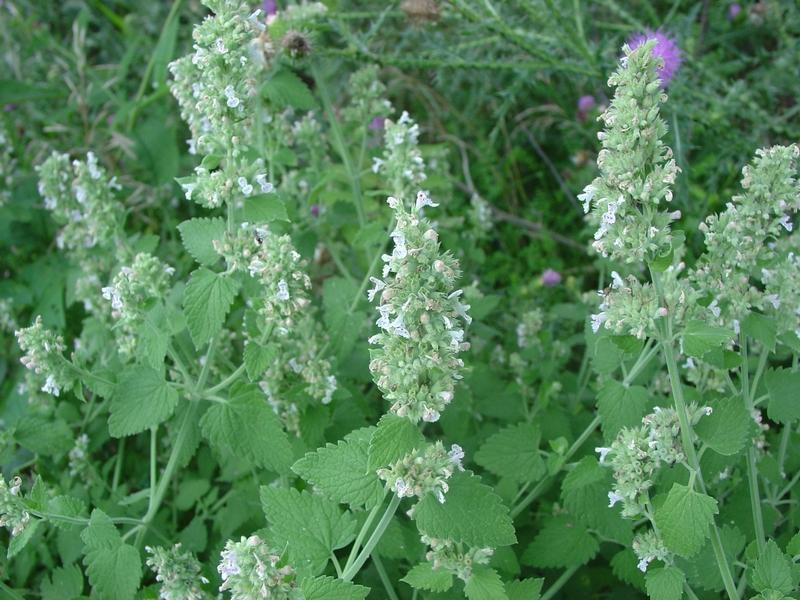
The plant has a strong aroma with lemon notes. In nature, the herb rarely grows tall and has a tetrahedral stemCatnip, a photo of which is presented in the article, does not grow upward, but spreads parallel to the ground. A root forms where the plant meets the soil, and the catnip quickly spreads across the soil surface, forming a unique living carpet. The plant has opposite foliage and funnel-shaped flowers with lower petals shaped like an elongated lip. The inflorescences are arranged in special whorls. The lower petals are marked with dark spots. When the stem is broken, a pungent aroma immediately emerges due to the high concentration of essential oil.
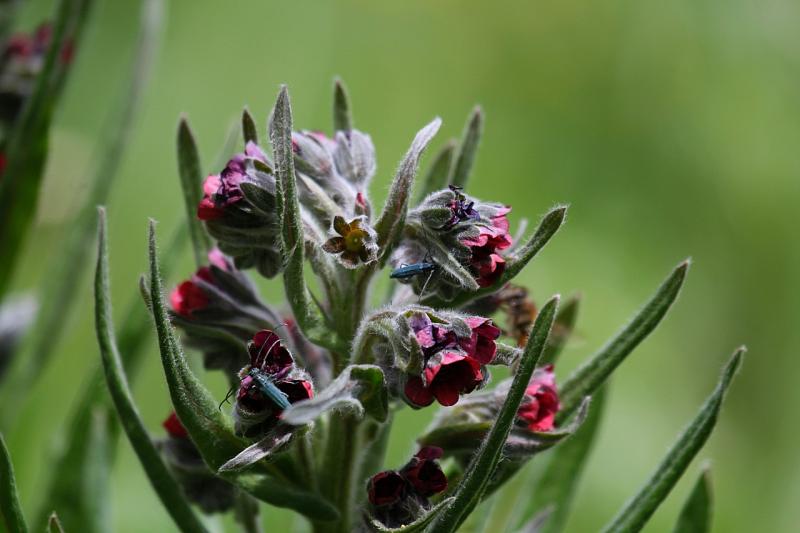
This unusual plant can easily be found in forests, gardens, various wastelands and hills. Today, there are more than 200 species of catnipCatnip can reach a meter in height. The stems are usually uneven, and the flowers resemble miniature bouquets gathered together. The plant typically produces white or pinkish flowers with brown spots, as pictured. Less common are purple-hued inflorescences. Some flowers have wavy edges and heart-shaped leaves. All this splendor is complemented by a magnificent fragrance of geranium, rose, and lemon, harmoniously intertwined.
What attracts cats to catnip?
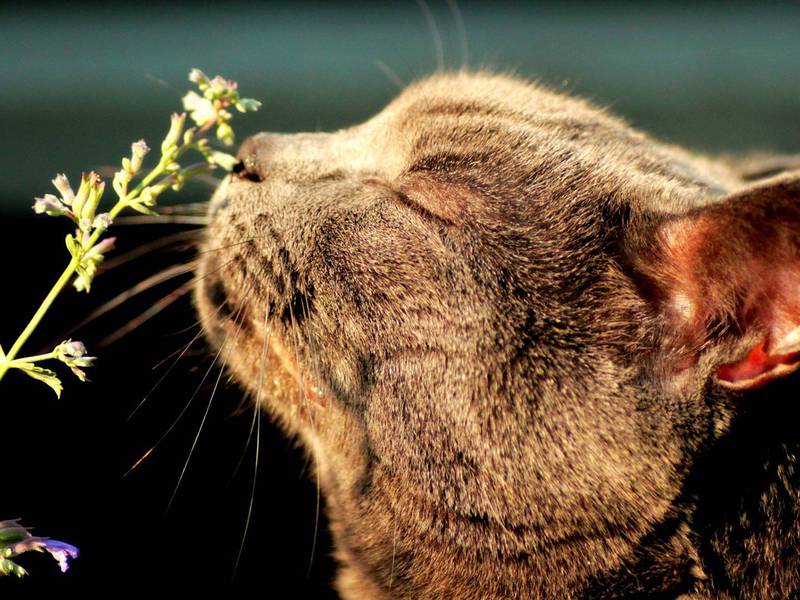
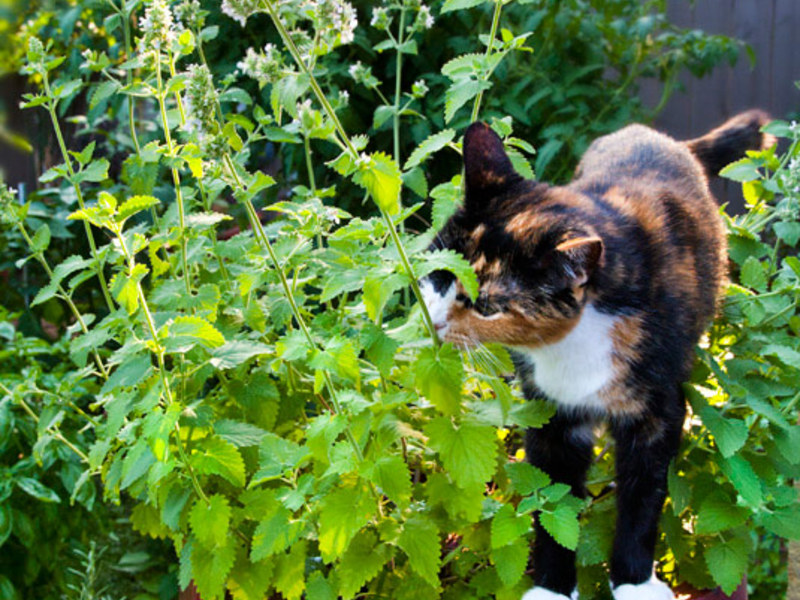
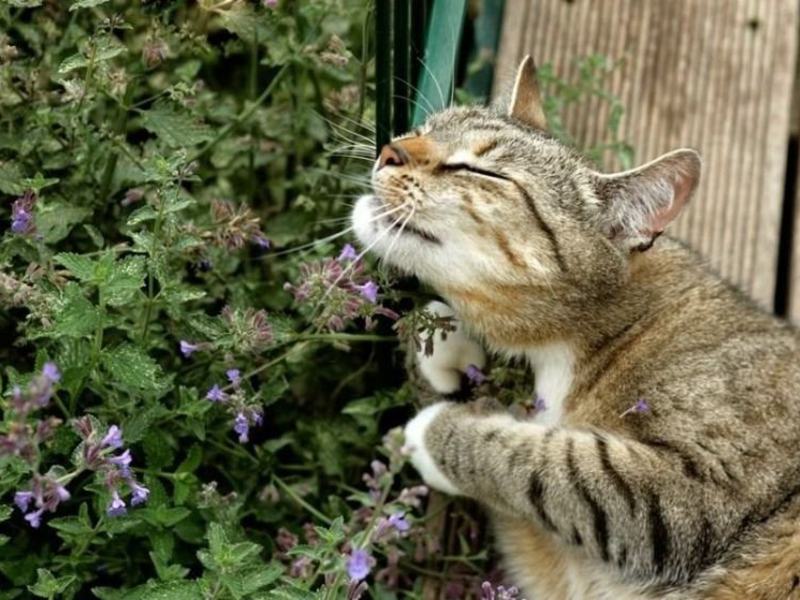
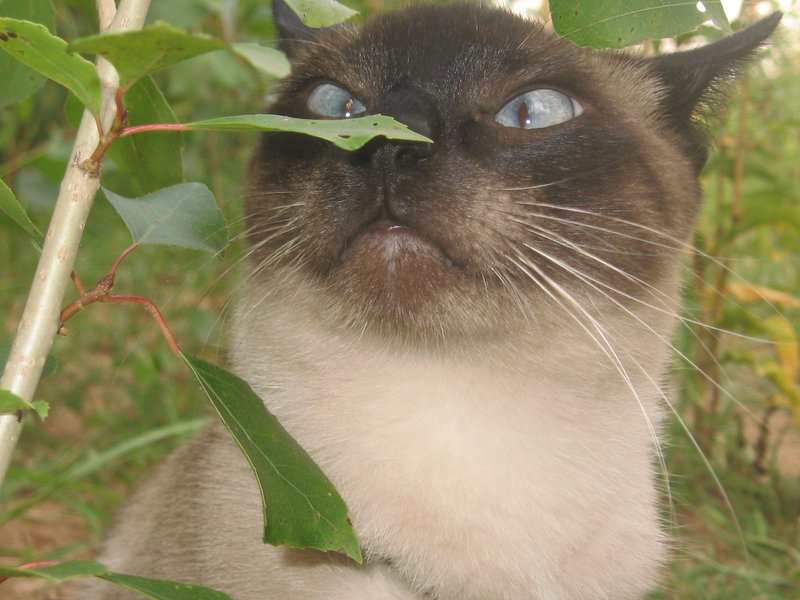
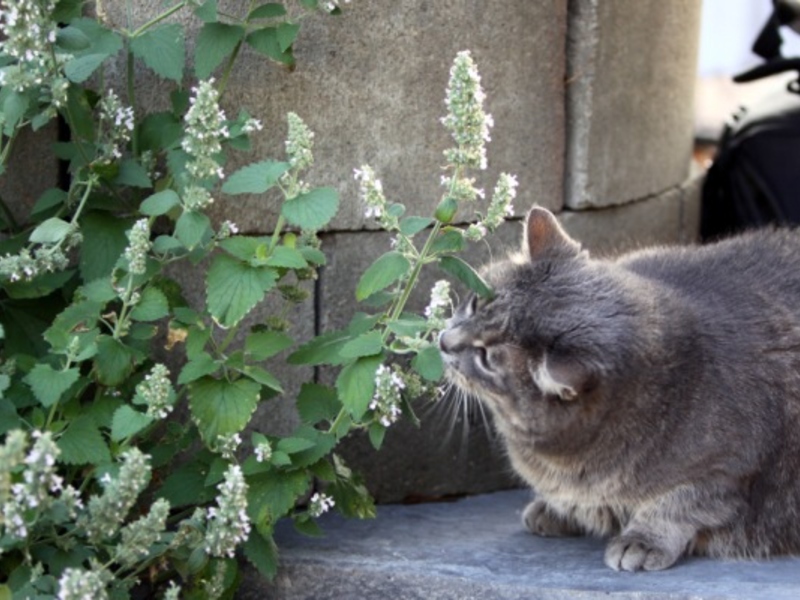
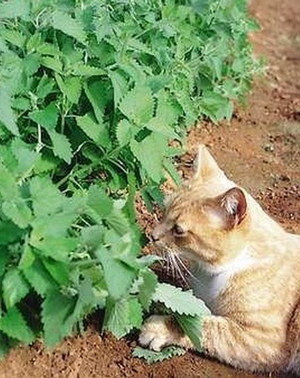
 A characteristic feature of members of the feline family is their heightened sensitivity to essential oils. Cats are attracted lemon-floral scentAfter sniffing the scent, the animals begin to put on a unique performance: meowing loudly, rubbing their muzzles in the grass, drooling, and somersaulting on the ground. The euphoric state lasts no more than 10 minutes, after which the animal comes to its senses.
However, if an animal tastes catnip, the effect will be the opposite—the pet will become unusually calm. There's no cause for concern, however, as the plant contains no dangerous narcotic substances that could harm the animal's body. A curious characteristic of cats is their intuition, which tells them when to stop consuming or sniffing the plant.
It should be noted that the animal is brought into such an unusual state essential oil, a compound found in catnip, which is rich in nepetaloctone, causes short-term hallucinations when it enters the animal's respiratory tract. This occurs due to the substance binding to receptor proteins responsible for stimulating sensory neurons. When exposed to the plant's aroma, neurons in the olfactory bulb influence a specific part of the cat's brain responsible for emotional processing. This triggers an excitatory response to the stimulus, which is the scent of catnip.
The autonomic nervous system triggers a neuroendocrine response in the lower pituitary gland, causing the cat to experience a state similar to estrus. Therefore, some breeders have come to the conclusion that the plant is artificial producer of cat pheromonesMoreover, a sensitivity to the aroma of mint is inherited in pets. Many cats are completely indifferent to grass, which is also typical for very young animals who have not yet reached puberty.
What are the benefits of this unique plant?
It can be argued that catnip is animal behavior correctorFor example, aggressive pets who consume the plant become affectionate and sweet. Conversely, lazy and quiet cats become active and playful. Furthermore, the plant can affect cats in the following ways:
 After consuming mint, it turns out to have a bactericidal effect, relieving spasms in the animal’s stomach;
- According to veterinarians, catnip is considered an anti-stress drug that helps animals calmly endure travel or other situations that cause stress in cats;
- the herb is not a strong narcotic substance and therefore the animal does not become addicted to it with rare and controlled use of mint;
- If the animal does not want to eat, mint added to the food in dried or fresh form stimulates appetite;
- The plant can be used as an anthelmintic.
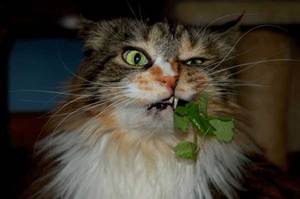 After consuming mint, it turns out to have a bactericidal effect, relieving spasms in the animal’s stomach;
Following the popularity of catnip among pets, many companies began producing cat products scented with the plant. Some breeders even made their own toys containing dried catnip leaves. They also began producing special drops, which train cats to sharpen their claws in a specific spot, which is sprayed with catnip-scented essence. This helps discourage cats from damaging upholstered furniture.
The advantage of this plant is that it can be easily grown in a flowerpot on a windowsill that receives constant sunlight. It doesn't require frequent watering, and the soil should be rich in minimal amount of acidic substancesTo discourage cats from eating the flower, the mint is plucked, crushed, and dried after it ripens. Keep the cat's mint out of reach of the animal.
Besides being a favorite among cats, the plant is also a favorite among bees, who are drawn to the nectar of mint flowers. It's also used in the production of vermouth, soap, perfume, and other cosmetics. Additionally, the plant has medicinal properties that help improve digestion, soothe migraines, and eliminate coughs. It also improves circulation, helps cleanse the lungs, and combats insomnia. A potted plant on a windowsill is also a great addition. will repel mosquitoes.
Contraindications for the use of catnip
Uses of the plant contraindicated in case of:
- if the animal is pregnant, and the use of mint can greatly overexcite or, on the contrary, calm the cat;
- It is not recommended for pets that react too strongly to the plant's components to use catnip, as an uncontrolled surge of emotion can cause exhaustion of the cat's nervous system.
 if the animal is pregnant, and the use of mint can greatly overexcite or, on the contrary, calm the cat;
In general, cats are naturally selective about the right plant, and they understand exactly which grasses they can and cannot eat. If a person decides to get a pet, they will have to care not only for the animal's physical health, but also for its mental health. Therefore, it is important keep a close eye on the cat and if any behavioral deviations are detected, decide whether to give the animal catnip or not.
How to give catnip to your pet?
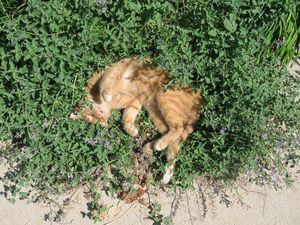 Pet supply stores offer a wide selection of catnip in various forms. You can buy the herb ground into a powder to rub onto toys or floors, or you can buy a ready-made toy. Sprays and catnip essences are also available, which can be applied to specific areas or objects. Cats react to even the smallest amount of the herb, so even a small amount can last a long time.
Fresh catnip leaves can be kept year-round. Plant grows well in a pot On a well-lit windowsill. To plant the grass, you'll need a wide flowerpot or any other convenient container with regular potting soil. However, it's important to ensure that your four-legged pet doesn't get to the plant before it has time to grow.