Mice, like any rodents, are a major problem for gardeners and homesteaders. They destroy crops, ruin plants, and carry various diseases. There's a wide range of poisons, baits, mousetraps, and other methods for getting rid of mice. One of the most effective options, known to our ancestors, is the use of comfrey.
Content
What kind of plant is comfrey?
Blackroot is a perennial plant in the borage family (another member of this family is forget-me-not). Blackroot is a fairly tall plant, ranging from 30 cm to 1 meter in height.
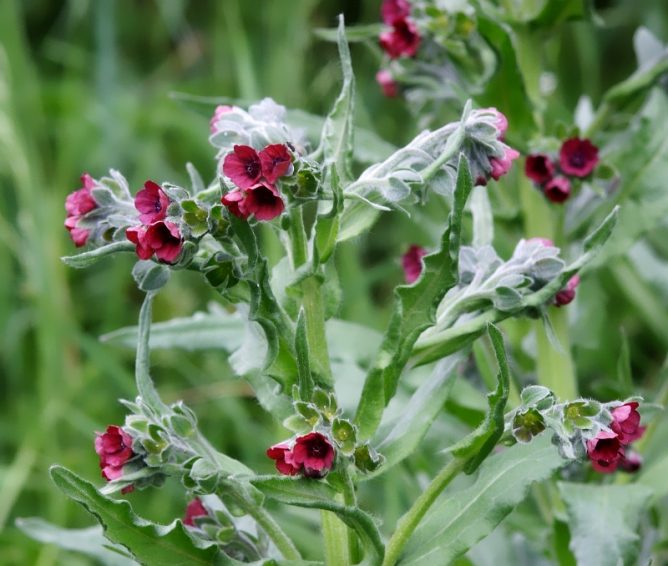
The flowers of the black root have the same color as the root itself - brown-red or cherry
Oddly enough, the plant has a brownish-red root, not black, and its name presumably stems from the fact that all parts of the plant, including the rhizome, are highly poisonous. It has several other interesting names, including red henbane, dog root, cat soap, and rat-killer.
The sturdy stem of red henbane bears vibrant flowers in a rich palette of colors, ranging from cherry and wine to blue. Black henbane produces small nut-shaped fruits with spines that cling well to animal skins and clothing. The nuts are believed to be the most effective repellent, as animals must use their teeth to rip the plant's fruits from their fur, and the poison quickly enters the body. In fact, all parts of the plant are poisonous, especially the root and stem.
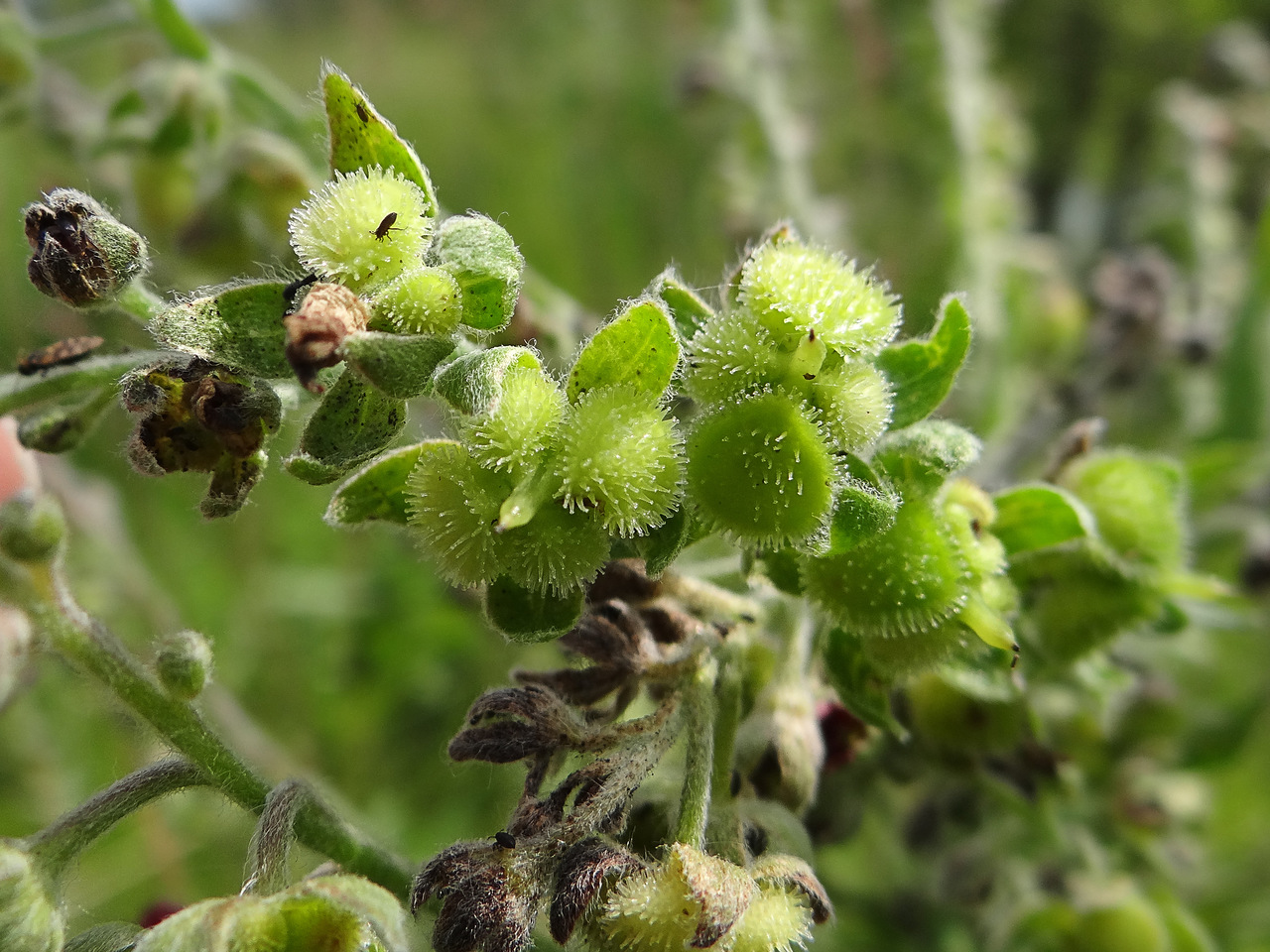
Blackroot produces fruits in the form of several nuts.
The entire plant has a very unpleasant, pungent odor, vaguely reminiscent of a mouse. This odor disappears when the plant dries.
Medieval physicians used comfrey to treat headaches and various ailments. Despite its foul odor, which can aggravate headaches, the plant was effective in treating several ailments.
Dog root grows primarily in Russia: in Siberia, Central Asia, the Caucasus, and the European part. The plant is most often found on dry slopes and hills, riverbanks and gravel banks, as well as along roadsides, in vacant lots, and in fields.
All parts of the plant contain the following useful substances:
- alkaloids are produced in plants as protection against animals and insects, to regulate growth, for animals and humans, alkaloids are the most important neurotransmitters;
- tannins - eliminate the influence of microorganisms;
- resins;
- oils;
- Provitamin A - from which vitamin A is produced.
Only the roots and leaves of the plant are used medicinally. The roots are dug up in August or early September, thoroughly cleaned of soil and leaves, and dried until the odor completely disappears. The room in which the black root is dried must be well ventilated. The leaves are collected during the plant's flowering period (late spring - early autumn) and dried outdoors in the shade.
Despite its benefits in treating certain ailments, comfrey is very dangerous, and the expression "too much henbane" is exactly about this plant.
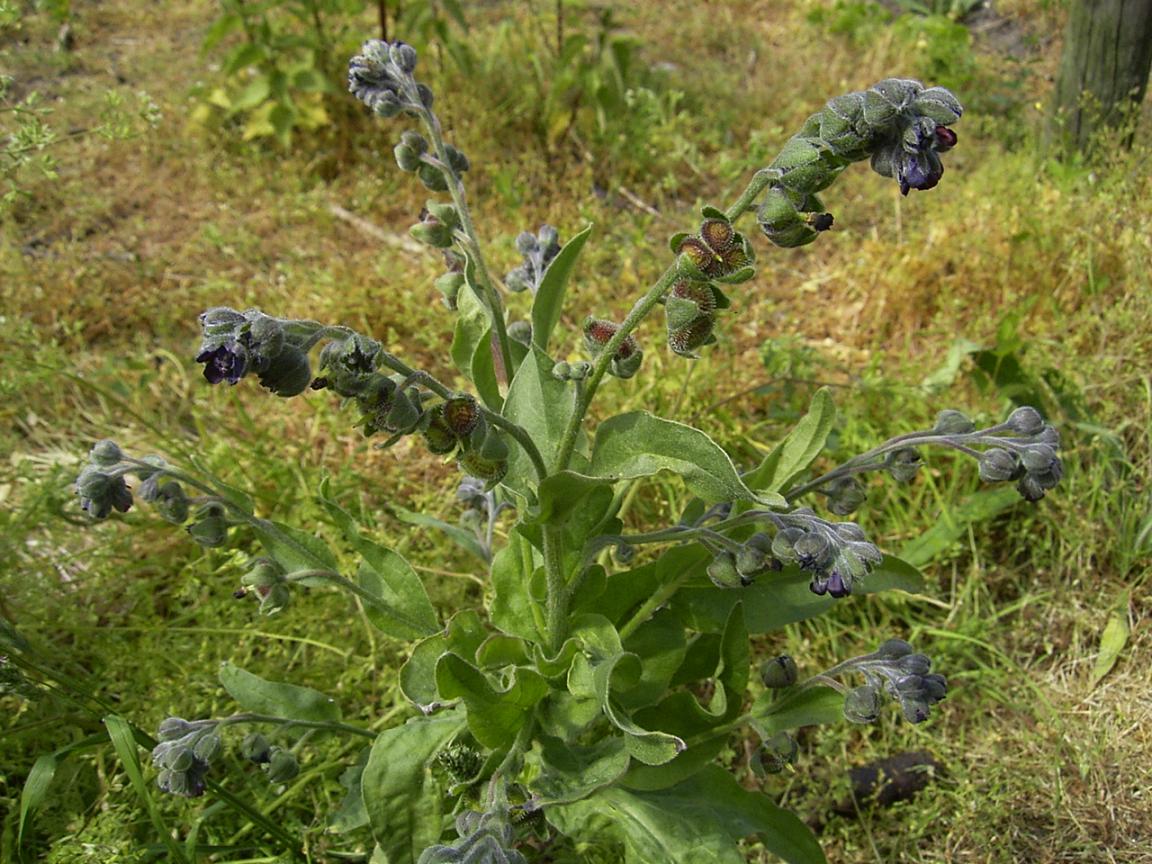
The dry plant does not have an unpleasant odor.
The effect of black root on rodents
The alkaloids produced by the plant serve as a defense against various animals, especially rodents. The effects of these substances are comparable to those of curare. Once the poison contained in comfrey enters the animal's body, it begins to lose the ability to move and, after some time, as the poison spreads, dies of suffocation.
Blackroot has an unpleasant, mouse-like odor that alerts animals to danger, causing them to avoid the source. The poison can also enter the body through the lungs, but the toxin buildup takes a bit longer, and death occurs later.
The following experiment was conducted: a mouse was placed in a regular cage and given some canina leaves. A minute later, the mouse began scurrying around the cage, looking for a way to escape. Twenty minutes later, the animal was dead. A similar result was obtained in an experiment with a rat, but the rat lived slightly longer than the mouse.
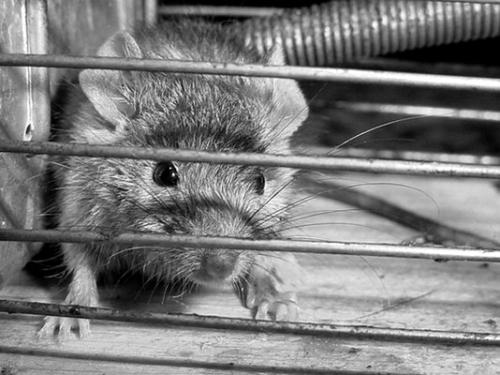
The mouse in the cage has nowhere to go, so contact with black root inevitably kills it.
What is the difference between black root and other rodent control products?
Countless rodent control products have been developed: poisons, traps, baits, and even ultrasonic repellents. So what makes a weed like comfrey better?
The plant primarily repels animals, so rodents won't eat it. The poison can only enter their bodies through the lungs, but this amount is not enough to kill a mouse or rat. Therefore, the likelihood of an animal dying somewhere within the house and developing a putrid odor is very low. Poisons and baits are designed to kill rodents, but no one knows where exactly they will die—in the house or outside. If the animal's carcass is not removed in time, the accumulation of cadaveric vapors can cause serious poisoning.
Traps aren't always effective because rodents are intelligent and observant creatures, rarely falling into traps. Ultrasonic repellents are equally ineffective, as mice quickly become accustomed to them and don't even notice them.
Rodents can smell the odor of blackroot from afar and avoid the source of "death." This small weed is precisely the kind of safety for humans, in terms of the absence of mouse and rat carcasses.
The use of black root in rodent control
Both fresh and dried plants are used to control rodents.
Growing Blackroot
When working with the rat killer, wear gloves and then wash your hands thoroughly with laundry soap.
Red henbane doesn't grow in fields; the plants form small clumps. These clumps are ideal for planting in a garden plot or field. Because it's a weed, it spreads and forms new clumps near existing ones. It's best to plant this plant at the edges of the growing area to avoid accidentally collecting the henbane during harvesting—all parts of the plant are poisonous.
If you have grass-eating pets, you should keep them away from blackroot. Although a cow or goat may appear large compared to rodents, they will die if poison enters their body, but later than a mouse.
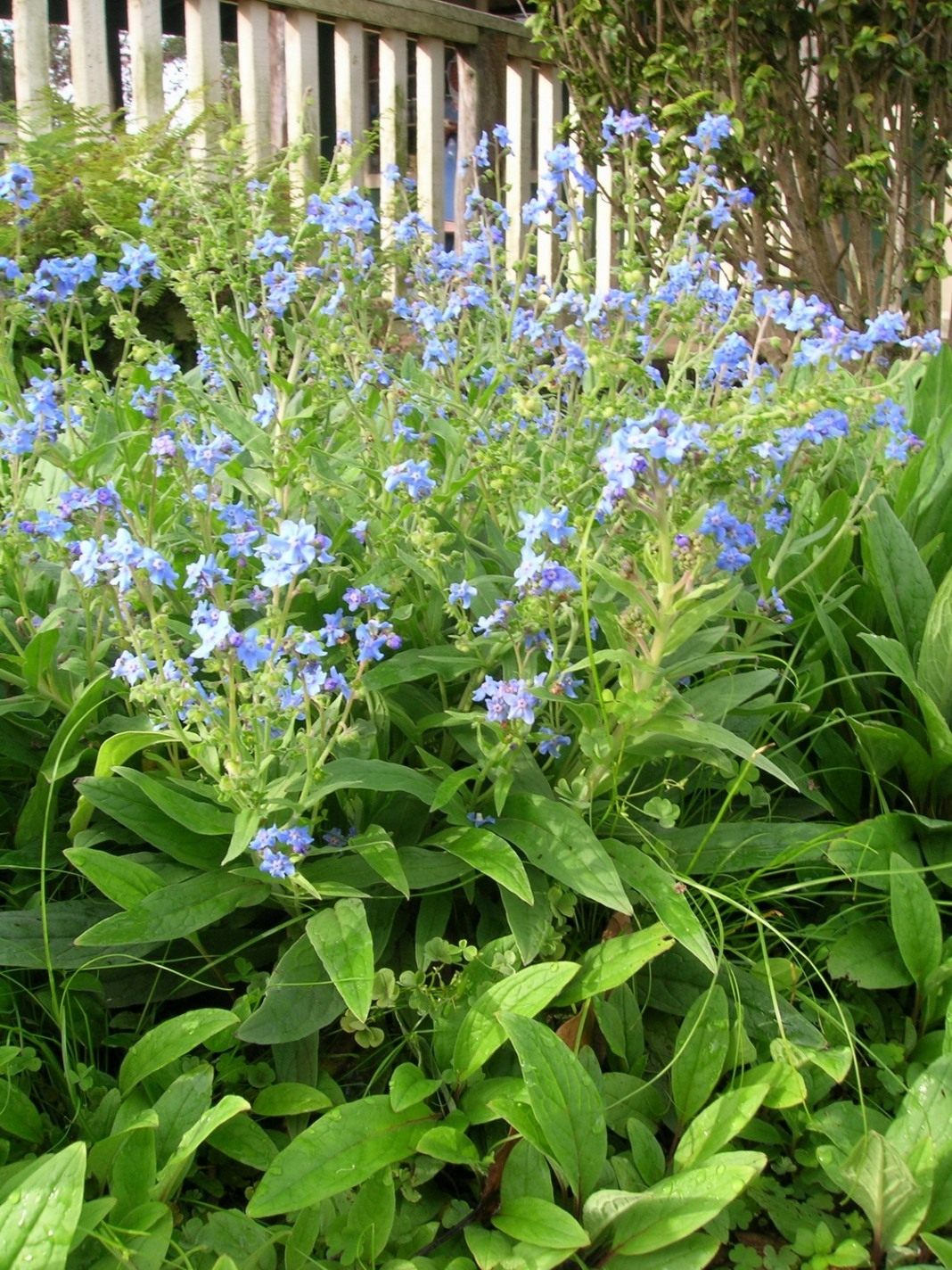
Blackroot can be grown in the garden, but you need to make sure it doesn't spread too much.
The dried plant does not have the pungent odor that animals find offensive, but all the poison contained in the comfrey does not disappear, so when mowing the grass, you must be careful not to let cat soap get into the herbal mixture.
Blackroot lives for 2-3 years, it is unpretentious, so growing this plant will not be a hassle, and the result will exceed all expectations.
Cut plant
Until comfrey is completely dry, it will have an unpleasant odor to rodents. Therefore, the plant is cut in the fall and stored in food storage areas. It's best to cut red henbane when it's two or three years old, as the plant accumulates a large amount of alkaloids over two to three years.
In cellars, stems with leaves and seeds are most often used. They are simply laid along the walls of the cellar or barn, and the mice escape. Alternatively, comfrey seeds can be used separately: collect them in small bags and hang them around the room from the ceiling. The result will be the same, except the leaves and stems will be out of the way.
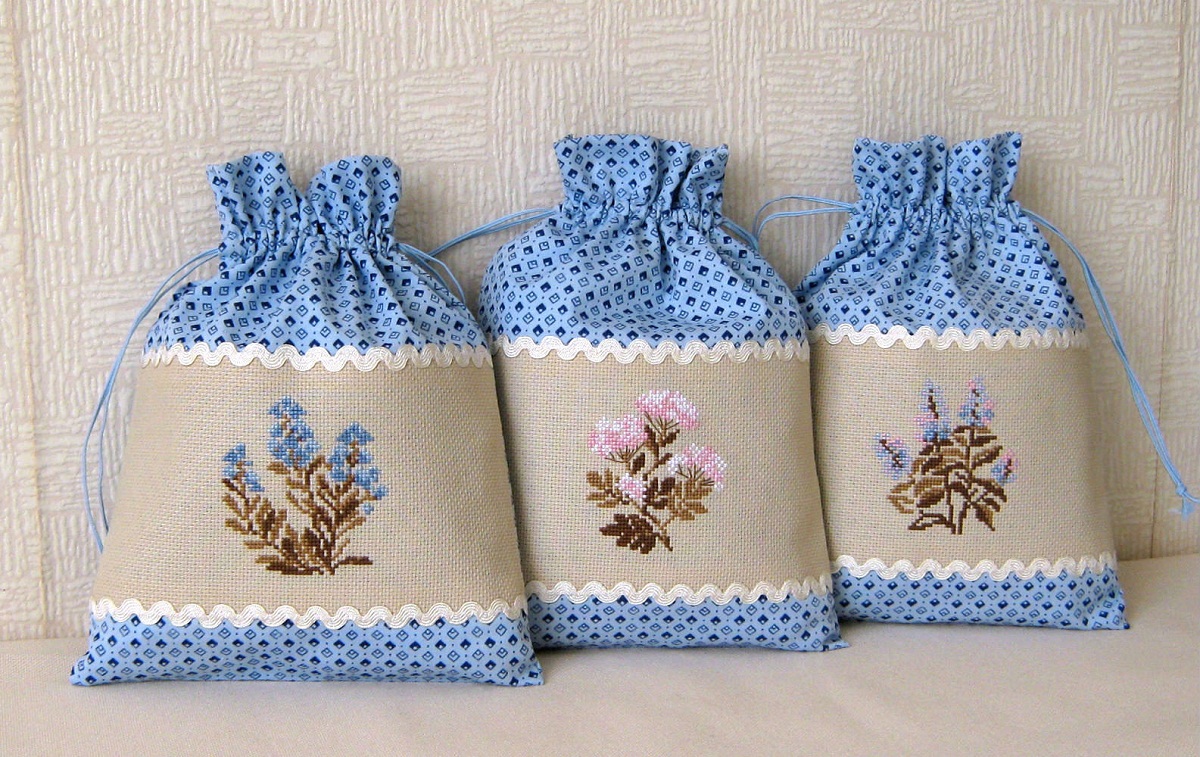
Seed bags should be made of breathable materials.
The plant's root (even dried) is most often used in cracks and crevices: in walls and floors. For greater effectiveness, some gardeners mix some rodent bait with freshly squeezed root juice. The bait masks the root's odor, poisoning the animal and ultimately killing it. However, this method has its drawback: if a rodent dies anywhere in the house, rotting will begin, spreading a putrid odor throughout the house that is very difficult to remove. Therefore, it's best to place the bait outdoors.
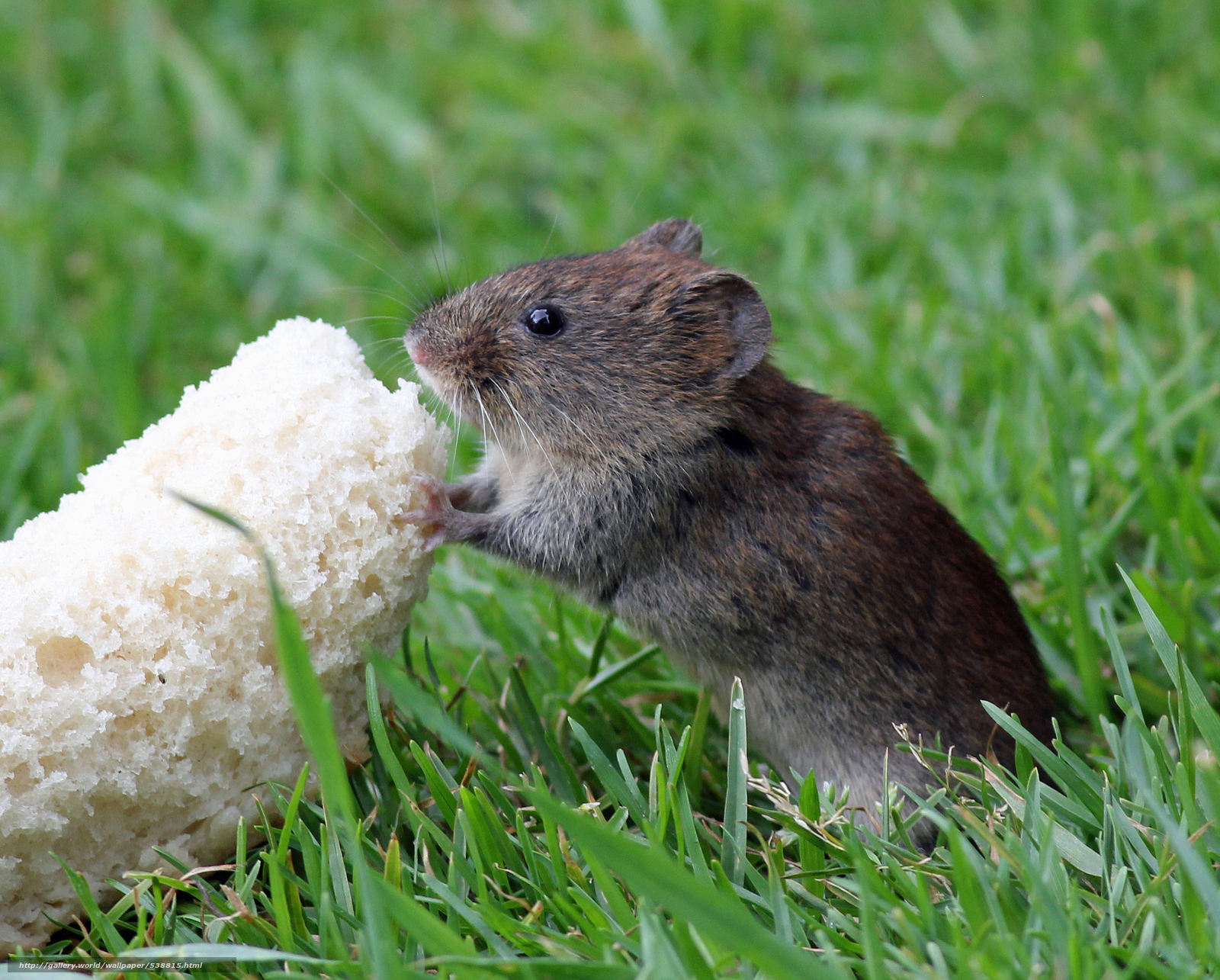
Blackroot juice baits are very effective against rodents, but after poisoning, the animal carcasses have to be disposed of.
The plant's scent isn't harmful to humans, but it's hardly pleasant. Therefore, the absence of any odor from the comfrey is an indication that the contents of the bags (or the leaves and stems should be swept off the floor). Without any odor, the plant won't be effective.
Since all parts of the plant contain poison, pets should be kept away from comfrey. It's best to wear gloves when handling catnip. If gloves aren't available, wash your hands thoroughly with laundry soap after handling the plant.
Blackroot decoction
A decoction made from the dried parts of the plant is very effective. The highest concentration of poison is found in the root, so it is used in the preparation of remedies. Any other part of the comfrey plant will also work. The decoction recipe is very simple:
- Boil water at a ratio of 1 part dried plant to 10 parts water.
- Place the dried herbs in a saucepan and pour boiling water over them. The saucepan should no longer be used after this!
- Place the mixture over low heat and bring to a boil. Then let it simmer for another ten minutes.
- Cool the infusion to room temperature. Strain it through several layers of cheesecloth and pour it into a pump bottle.
- The decoction is ready. It should be sprayed immediately, as mold may form after a while. The product should not come into contact with food.
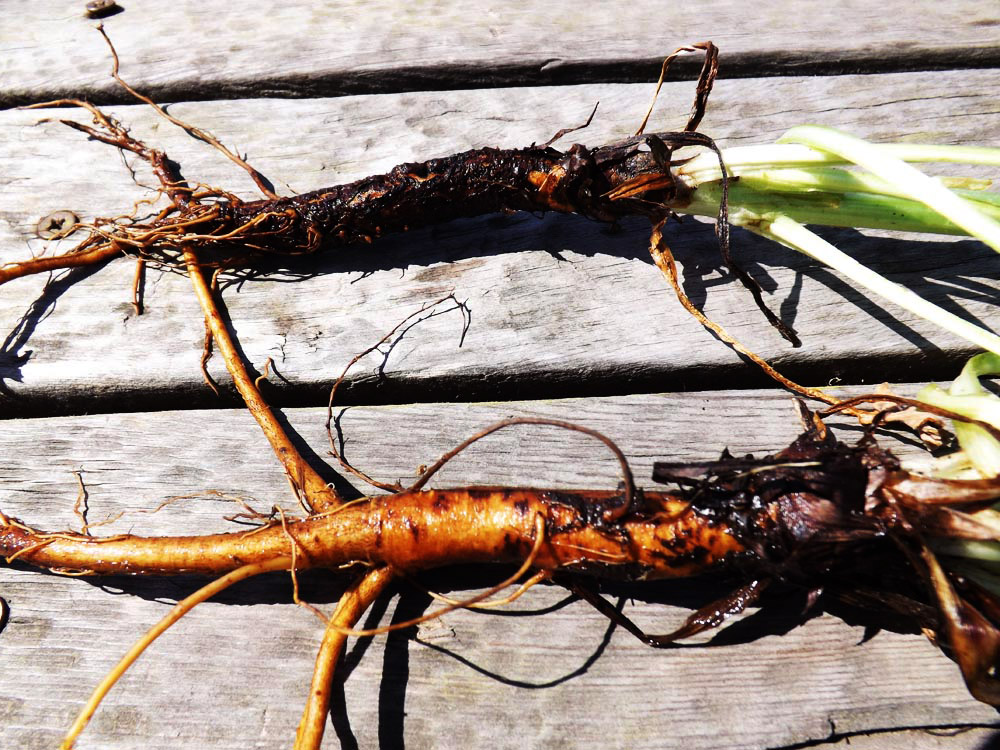
The root contains the most alkaloids, which is why it is most often used in decoctions and tinctures.
The decoction of rat repellent has a characteristic mousey odor, just like the plant itself. Therefore, the absence of the "aroma" indicates that the room needs to be sprayed again. On average, one spray lasts 3-4 weeks, but this depends on the size of the room and the amount of product initially used.
Since the dried plant contains poison, surfaces sprayed with comfrey decoction can be dangerous to humans or animals. It is especially harmful if the substance is ingested (for example, when pets lick their paws), so animals should be kept away from contact. People in a room sprayed with comfrey decoction should not allow exposed parts of their body to come into contact with the treated surfaces.
Blackroot tincture
Any part of the plant can be used for the tincture, except for the nuts, flowers, and seeds—they contain the least amount of poison. The tincture is also quite simple to prepare:
- Grind the plant (100 g) in a mortar.
- Place it in a glass bottle (1-1.5 l). The container can no longer be used after infusion.
- Pour 1 liter of 96% alcohol over the grass.
- Close the bottle and put it in a dark place.
- The infusion is left to stand for five days, after which it is sprayed onto the room (it can also be used to lubricate baseboards and cracks). The infusion also doesn't have a long shelf life.
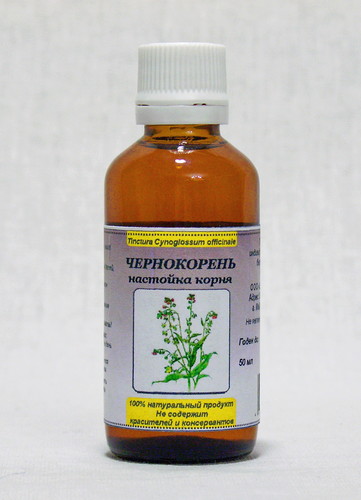
You can make black root tincture yourself or buy it ready-made.
The tincture remains effective until it evaporates. This can be recognized by the characteristic mousey odor that reappears as the plant steeps. Once the odor disappears, the entire infusion must be reapplied.
The tincture contains a lot of poison, so contact of a person (with open areas of the body) with a surface lubricated with the product can cause any kind of allergic reaction. Pets get the poison on their fur, and then it gets into their bodies when they groom themselves. This can be fatal.
Where to buy comfrey
In stores specializing in the sale of medicinal plants, you can buy any part of the comfrey in dried form, as well as a ready-made tincture from this plant.
Reviews of the use of black root
The seeds of comfrey have the strongest effect on rodents: equipped with tiny hooks, like Velcro, they cling to the skin of the rodent, forcing the rodent to gnaw them out, thus coming into contact with the allergen. Therefore, placing bunches of comfrey with seeds in storage areas can protect the harvest from rodents.
You can sow comfrey, also known as rat-killer, in your garden. The plant is dangerous to rodents (including moles and shrews) because the comfrey seeds cling to their fur, and the smell is unpleasant to rodents. Therefore, animals avoid areas where comfrey grows. To keep mice away, dry plant cuttings can be spread in attics and sheds.
Medicinal comfrey is a rather beautiful plant with flowers in shades of brown-red, cherry, or blue. However, it's important to remember that comfrey is a weed, and a poisonous one at that. It should be grown sparingly in a garden, otherwise it will take over the entire area. Even a small amount of comfrey can help control a variety of rodent infestations.