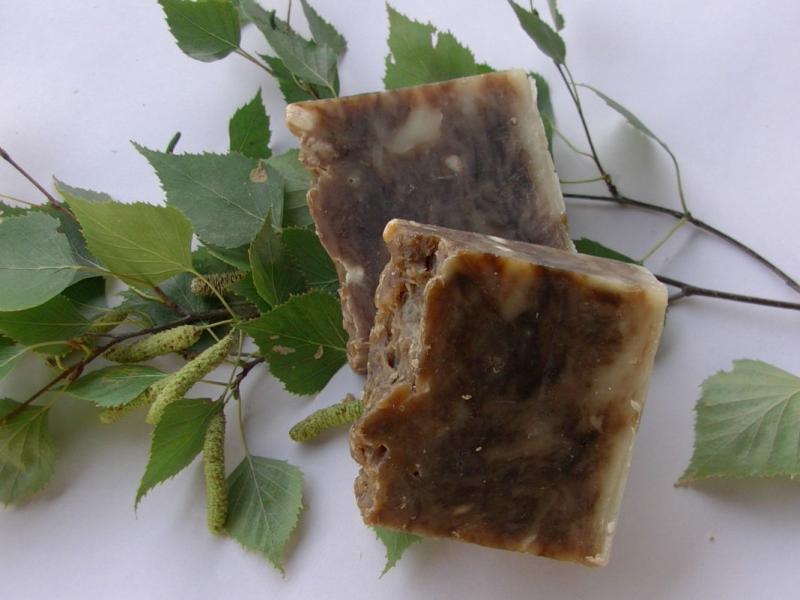
Kittens have a gastronomic curiosity for anything new, even soap. But what if an adult cat is drawn to the fragrant bar and, what's more, eats it? Let's look into the reasons, but first, the pet's harmful "treat."
Lack of vitamins
A pet's diet should be well-rounded. It's important to feed it a diet that provides sufficient nutrients. A poor diet can lead to illnesses that lead to micro- and macronutrient deficiencies. If a cat needs fat, it may show an interest in soap. It's also possible that they lack potassium, which is a major component of soap.
Pets are attracted to animal fats in soap.
Cats may be attracted to laundry soap because it's high in fat. They may also be drawn to the scent of fragrances or the owner's scent, which remains on the soap bar.
No matter the cause of this addiction, you must prevent it. Start by removing the fragrant object from your pet's reach and investing in liquid soap. If your cat begins to show interest in other non-food items, consult a professional.
What problems are hidden behind a pet's love of soap?
Cats occasionally begin to show an unhealthy interest in non-food items. This behavior can be called pica, but sometimes the causes are much deeper. Let's explore some of them:
- Species-Species Behavior Traits. Cats receive information about new objects through receptors located in their mouths. Eating non-food items is typical for small kittens. They may try soap, thread, tinsel, and much more. If your pet only licks soap, don't worry—it's very rare for a cat to swallow the object it licks.
- Boredom. Little or no exercise can cause your pet to become destructive. This behavior can also include an insatiable appetite.
- Stress. Animals, like many people, can engage in stress eating. Sometimes this behavior takes the form of pica.
- Nervous disorders. These include obsessive-compulsive disorder and dementia. Obsessive-compulsive disorder is common in Burmese cats. Dementia is often detected during age-related changes. In this condition, cats may exhibit pica.
- Diseases. A perverted appetite can be caused by conditions such as brain cancer, viral leukemia, diabetes, and viral immunodeficiency. The presence of worms in the animal's body can also trigger this behavior.
In any case, if a cat eats something wrong, there's something wrong with them. Some problems can be corrected, such as putting soap out of reach, while others require acceptance, and some require veterinary help.