Many people feed their pets from their own table, unaware that this food could be dangerous. Cats are carnivores by nature, and their diet should consist primarily of meat. There are also several foods that should not be fed to cats, as they are harmful and can even cause death.
Chocolate and all products containing cocoa beans
Chocolate contains a substance called theobromine, which is contraindicated for cats. When ingested, it causes increased heart rate and irregular heartbeat. The animal becomes hyperactive and restless.
It's clear that a small piece of chocolate or similar cocoa-based sweets won't cause death. However, if your pet continues to indulge, they could die of a heart attack. This is especially true for small kittens.
In addition to theobromine, these sweets also contain large amounts of sugar. Sugar causes dental problems in animals, leading to obesity and diabetes.
Liver
This product is too fatty and places a significant strain on the animal's digestive system. Due to its high content of biologically active substances, it can cause digestive upset and metabolic disorders.
Liver is especially dangerous for adult cats suffering from pancreatic disease. If the animal is healthy, it's permissible to occasionally treat it to chopped liver, but only if it's cooked.
Vegetables
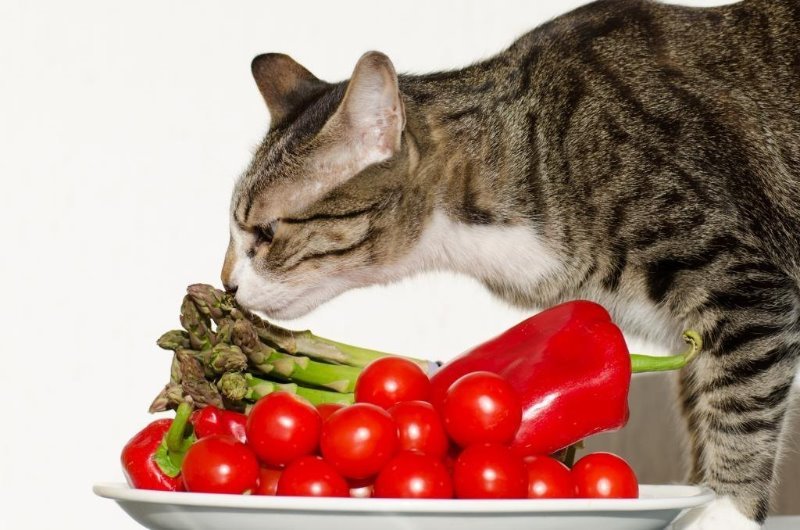
Vegetables should not be added to a cat's diet. Tomatoes, for example, contain solanine, which is toxic to your furry friends. This alkaloid alters blood composition, negatively impacts kidney function, and depresses the nervous system.
Don't let your pet eat the leaves and stems of this plant. Once cooked, tomatoes no longer pose a threat. A similar alkaloid is also present in raw potatoes.
Cabbage and legumes are less harmful, but they can cause flatulence and bloating. Veterinarians consider carrots, zucchini, cooked beets, and cucumbers to be safe vegetables. Broccoli is acceptable, but in moderation.
Mushrooms
Mushrooms are a heavy food that is difficult for cats to digest and takes a long time to break down. The chitin they contain does not break down at all.
Furthermore, mushrooms have the ability to accumulate toxic substances from the environment. This can sometimes lead to toxic shock, which can have dire consequences.
Garlic and onions
Onions contain substances called sulfoxides and disulfides. These adversely affect cats' red blood cells, destroying them. Regular consumption of this product can cause hemolytic anemia.
The first symptoms of this condition appear within a few days: diarrhea, vomiting, loss of appetite, and lethargy. Onions are harmful not only fresh but also cooked. Garlic, on the other hand, has a pungent taste and irritates the stomach, causing gastritis.
Sorrel
Domestic cats are unlikely to encounter sorrel as a plant often. However, their owners should be aware of its toxicity. This green leafy vegetable contains oxalic acid, which can cause kidney failure in cats.
There's a risk of serious poisoning. Cooked sorrel isn't as harmful, but it can still cause diarrhea.
Grape
This fruit, whether fresh or dried, can cause vomiting and diarrhea, abdominal pain, and loss of appetite. But the main danger of grapes and raisins is that they can sometimes cause kidney failure, which means they pose a real threat to a cat's life if consumed frequently.
It's not just individual berries that are affected; the ban also applies to muesli and fruit pies.
Fish heads
Cats are known to love fish. While it's fine to feed them, it's best to limit the amount to seafood to avoid infecting your cat with parasites. However, don't allow your cat to eat fish heads, as they can damage the larynx when chewed.
After ingestion, sharp fragments often scratch the animal's esophagus, causing erosive lesions and bleeding. When entering the intestines, pieces of fish head can trigger inflammation, sepsis, or even intestinal perforation.
The injured cat will require urgent surgery, and it is not always possible to save the animal's life in such a case.
Chicken and meat bones
When a cat chews bones, they create sharp-edged fragments. These can easily damage the animal's mouth and throat, or puncture the stomach or intestinal walls, leading to peritonitis.
There's also a risk of choking on small fragments. Therefore, it's recommended to remove bones from meat before feeding it to your cat.
It's important to approach your pet's diet responsibly. The health and life of your little friend depend on the food you choose. Cat owners should remember that their pets' bodies are very different from humans and may not be able to tolerate the same foods we're used to.